What is the Egg and Wine Diet?
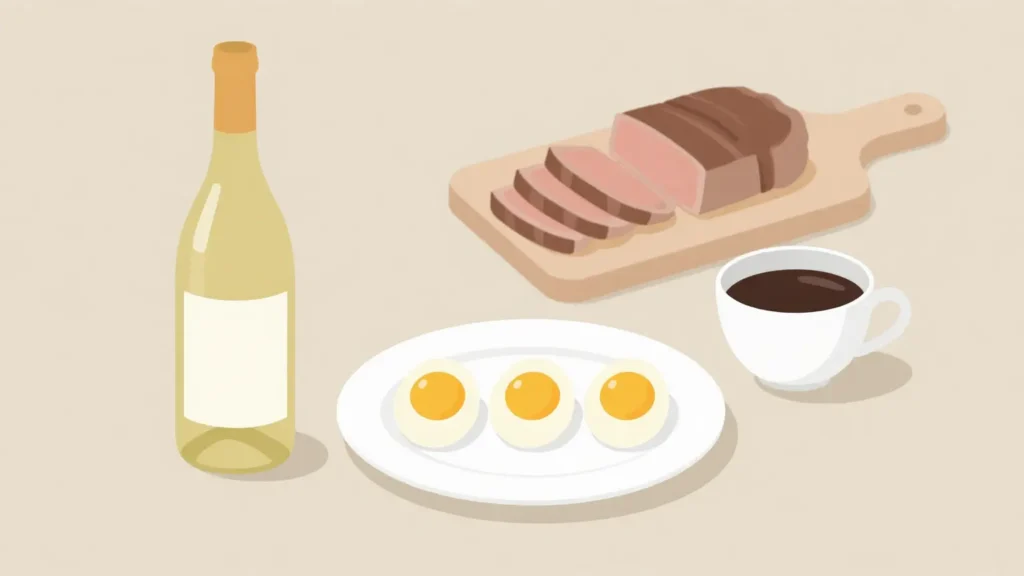
Egg and wine diet: a peculiar combination that has recently resurfaced as an internet sensation promising rapid weight loss. This unusual regimen harks back to Helen Gurley Brown’s 1962 book “Sex and the Single Girl,” which reignited interest when it was featured in Vogue magazine in 1977, and again gained traction online in 2018. The diet’s allure lies in its simplicity: eat eggs, drink white wine, consume grilled steak, and sip black coffee – nothing more.
Each day on the Egg and Wine Diet is meticulously structured to induce rapid weight loss through severe calorie restriction. Breakfast consists of one egg, a glass of dry white wine, and some black coffee; lunch involves two eggs, another couple of glasses of wine, and more coffee; dinner wraps up with a 150-gram steak alongside the remaining half-bottle of wine and additional black coffee. Advocates tout this regimen as an effective way to lose five pounds in just three days.
However, beneath its simplistic facade lies a diet that’s not only nutritionally inadequate but also potentially harmful. By severely restricting your intake to eggs, wine, and meat, you’re missing out on essential nutrients like fiber, vitamins, and minerals – ingredients crucial for maintaining good health. Moreover, the high alcohol content can lead to dehydration, liver strain, disrupted nutrient absorption, and increased risks of thiamin deficiency and alcohol dependency.
As we delve into this diet’s history and scrutinize its modern resurgence, it becomes clear that the Egg and Wine Diet is more than just a quirky internet trend – it’s a cautionary tale about the dangers of fad diets.
Understanding the Historical Background of the Egg and Wine Diet
The Egg and Wine Diet’s roots trace back to a time when quick fixes were highly sought after in the world of beauty and body image. The 1960s and 1970s saw a surge in popular culture emphasizing rapid weight loss as part of broader lifestyle changes, particularly for women seeking societal acceptance and professional success. Helen Gurley Brown’s book “Sex and the Single Girl,” published in 1962, was one such influential piece that not only offered dating advice but also promoted unconventional dieting methods aimed at achieving slimness swiftly.
Helen Gurley Brown’s approach to dieting was unique for its time because it challenged traditional ideas about health and wellness. Her recommendations often prioritized rapid weight loss over nutritional balance, resonating with an audience looking for immediate results without long-term commitment. Her endorsement of the Egg and Wine Diet tapped into this desire, presenting a regimen that seemed both intriguingly simple and daringly unconventional.
As the diet gained traction in 1977 when Vogue magazine featured it alongside other lifestyle tips from Brown, its popularity surged among women who were navigating changing societal expectations around femininity and career advancement. This resurgence highlighted how cultural shifts can impact dietary trends, as the diet’s appeal was closely tied to broader discussions about beauty standards and personal empowerment.
Today, the Egg and Wine Diet is often discussed in relation to the history of fad diets, serving as a stark reminder of how quickly society can embrace harmful practices under the guise of achieving rapid results. The reappearance on social media platforms post-2018 underscores the enduring fascination with extreme dieting methods despite growing awareness about their potential dangers. Considering its historical context and modern interpretations, it becomes evident that the Egg and Wine Diet is more than just a fleeting trend – it represents a cautionary tale about prioritizing quick fixes over sustainable health practices.
How Does the Egg and Wine Diet Work?
The mechanics behind the Egg and Wine Diet revolve around severe calorie restriction and fluid loss to achieve rapid weight reduction. Proponents claim that by drastically cutting down on food intake while consuming high amounts of alcohol, dieters will experience significant weight loss within a short period. But how exactly does this diet work, and what are the underlying principles?
Firstly, the diet’s structure limits daily caloric intake to around 1,103 kcal. This is significantly lower than the recommended daily calorie consumption for most adults, which averages between 2,000 and 2,500 calories depending on gender, age, weight, and activity level. By drastically reducing caloric intake, the body enters a state of ketosis where it starts burning stored fat as its primary energy source instead of glucose from carbohydrates.
Secondly, alcohol consumption plays a crucial role in the diet’s regimen. White wine contributes approximately 500 kcal per bottle, which makes up nearly half of the total daily caloric intake. The diuretic effect of alcohol leads to increased urination and subsequent fluid loss, contributing to immediate weight reduction. This rapid drop in weight is often perceived as effective by those seeking quick results, even though much of it comes from water rather than fat.
However, this extreme approach to dieting has significant drawbacks. The high intake of alcohol can lead to dehydration, causing the body to retain sodium and water over time once the dieter returns to a normal eating pattern. Additionally, excessive alcohol consumption disrupts sleep patterns and increases appetite for fatty foods, potentially leading to binge eating after the diet ends.
Moreover, the lack of variety in food choices means that essential nutrients such as fiber, vitamins, and minerals are severely lacking. This nutritional deficiency can lead to serious health issues, including constipation, weakened immune system, and bone density loss. The diet’s reliance on eggs and wine also neglects protein from diverse sources necessary for muscle repair and overall bodily functions.
In essence, the Egg and Wine Diet operates by exploiting immediate physiological responses rather than addressing long-term nutritional needs. While it may show quick results, these benefits are short-lived and come at a considerable risk to overall health.
Allowed Foods and Beverages on the Egg and Wine Diet
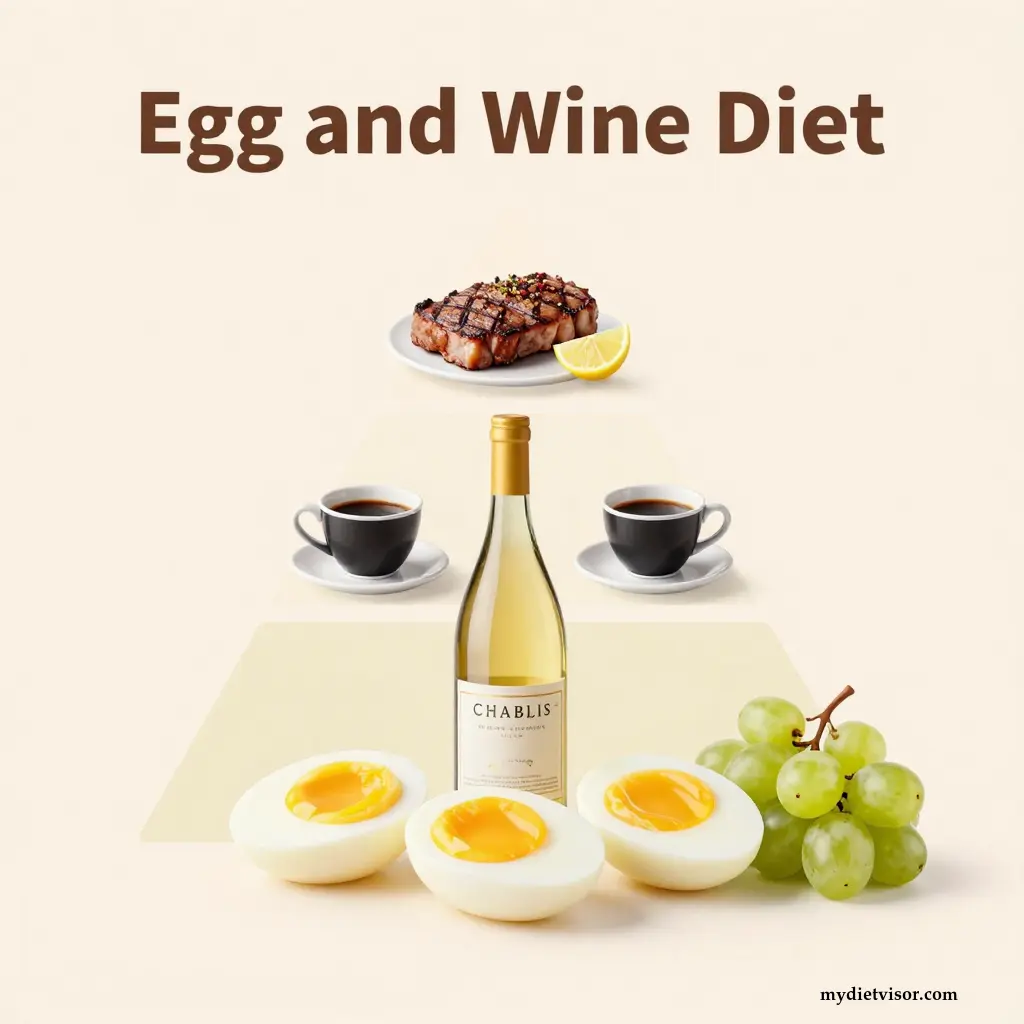
When it comes to the Egg and Wine Diet’s daily regimen, the allowed foods and beverages are quite limited. The primary components include eggs, white wine, a grilled steak, and black coffee, all of which must be consumed in specific quantities over the course of three meals throughout the day.
For breakfast, you’re instructed to have one egg accompanied by a glass of dry white wine and black coffee. Lunch adds two more eggs and another couple of glasses of wine to your intake, along with an extra cup of coffee. Dinner concludes the day with a 150-gram grilled steak, the remaining half-bottle of wine from lunch, and yet more black coffee.
This restrictive menu not only lacks variety but also completely excludes other essential food groups like fruits, vegetables, grains, and dairy products. The absence of these crucial elements can lead to significant nutritional imbalances, leaving you deficient in vitamins, minerals, and fiber that are vital for maintaining optimal health. For instance, a diet devoid of vegetables means missing out on essential antioxidants, phytonutrients, and dietary fiber necessary for digestive health.
Moreover, the high consumption of alcohol throughout the day poses additional risks beyond mere calorie counting. White wine’s diuretic properties cause excessive urination, leading to rapid but unsustainable weight loss through water depletion rather than fat burning. While this might provide quick results that some find appealing, it doesn’t address deeper issues like body composition or long-term health goals.
The reliance on eggs and steak also skews the diet’s macronutrient balance heavily towards proteins and fats while neglecting carbohydrates, which are crucial for energy production and brain function. Carbohydrates from whole grains, fruits, and vegetables provide sustained energy levels and help regulate blood sugar, something this diet completely overlooks.
In essence, the Egg and Wine Diet’s severe limitations on food choices not only fail to promote a balanced nutritional intake but also set dieters up for potential health issues stemming from nutrient deficiencies. By focusing solely on rapid weight loss through caloric restriction and fluid depletion, it undermines long-term sustainable wellness goals.
Daily Meal Plan for the Egg and Wine Diet
The daily meal plan on the Egg and Wine Diet is rigidly structured to ensure minimal variation in what you consume each day. This regimen not only limits your food choices but also imposes strict drinking habits that can be detrimental to long-term health.
Breakfast, as mentioned, starts with one egg poached or fried, a glass of dry white wine, and a cup of black coffee. The eggs provide some protein and fat, while the wine offers a significant amount of calories – about 125 kcal per serving. However, this small breakfast doesn’t provide enough nutrients to keep you energized for long.
Lunch, slightly more substantial than breakfast, adds two additional eggs and another couple of glasses of white wine, plus an extra cup of black coffee. Despite the increase in protein from the extra eggs, the meal still lacks essential vitamins and minerals needed for metabolic functions. The diuretic effect of alcohol here begins to take its toll on your body’s hydration levels.
Dinner, which concludes a day of restrictive eating and drinking, includes a 150-gram grilled steak, the remaining half-bottle of white wine from lunch, and additional black coffee. While the steak provides some protein, it lacks carbohydrates necessary for maintaining brain function and energy throughout the evening. The high alcohol content in the diet continues to impact your body’s ability to absorb essential nutrients properly.
Throughout the day, you are only allowed to consume these specific items with no substitutions or additions. This lack of variety can lead to boredom and cravings, making adherence difficult over time. As a result, dieters often find themselves breaking the regimen, which defeats its intended purpose of rapid weight loss and may even cause significant health issues.
By adhering strictly to this meal plan, you are at risk of developing nutritional deficiencies that could affect your long-term health. The absence of fruits, vegetables, grains, and dairy means missing out on essential vitamins like vitamin C from citrus fruits or iron from leafy greens, which are crucial for maintaining healthy blood levels.
Moreover, the high alcohol content throughout the day not only leads to dehydration but also affects sleep patterns and increases the likelihood of binge eating unhealthy foods afterward. This cycle can create a vicious loop, where dieters might lose weight initially but gain it back quickly when reverting to normal eating habits, often with added complications.
In summary, while the Egg and Wine Diet promises quick results, its severe restrictions on food groups and high alcohol content pose serious risks to your nutritional well-being. Are you willing to risk long-term health issues for short-term weight loss?
Is the Egg and Wine Diet Effective for Weight Loss?
The long-term effects of adhering to the Egg and Wine Diet can be detrimental to overall health and wellness. By severely restricting food intake and relying heavily on alcohol for caloric consumption, dieters are setting themselves up for a range of potential issues that extend beyond immediate weight loss.
Nutritional Deficiencies: A diet devoid of fruits, vegetables, grains, and dairy products leads to significant nutritional imbalances. Essential vitamins like B-complex (especially thiamine), vitamin C from citrus fruits, and minerals such as iron, calcium, magnesium, and potassium are all lacking. Over time, these deficiencies can lead to weakened immune systems, bone density loss, anemia, and other chronic conditions.
Liver Health: The high alcohol content in the diet puts considerable strain on the liver. While moderate drinking might not pose immediate health risks for most adults, excessive consumption over a short period as prescribed by this diet can cause acute fatty liver disease or exacerbate existing liver problems like hepatitis or cirrhosis.
Sleep Disturbances and Mental Health: Alcohol affects sleep quality by disrupting the natural sleep cycle and reducing REM (Rapid Eye Movement) sleep stages. Poor sleep patterns can lead to fatigue, mood swings, irritability, and even more severe mental health issues such as anxiety and depression. How does your body react when you don’t get enough restful sleep? Sleep disturbances caused by alcohol consumption can undermine the benefits of any diet regimen and negatively impact overall well-being.
Risk of Dependency: The continuous consumption of white wine throughout the day increases the risk of developing an unhealthy relationship with alcohol. Over-reliance on alcohol for caloric intake can lead to dependence, making it challenging to return to a balanced eating pattern without experiencing withdrawal symptoms or cravings.
Metabolic Issues and Weight Gain: Once dieters stop following this extreme regimen, their bodies are more prone to regain weight rapidly due to metabolic changes induced by the diet. The body’s ability to regulate blood sugar levels is disrupted when carbohydrates are absent from the diet, leading to potential insulin resistance and obesity in the long run.
Digestive Health and Hydration: High alcohol intake acts as a diuretic, causing increased urination which can lead to dehydration if not adequately replenished with water. Chronic dehydration affects kidney function and digestive health, potentially causing constipation or diarrhea due to electrolyte imbalances and reduced fluid levels in the gut.
In summary, while the Egg and Wine Diet may promise quick weight loss results, the long-term effects on nutritional balance, liver function, mental health, dependency risks, metabolic stability, hydration levels, and overall well-being are profoundly negative. Is it worth risking your health for a few pounds off the scale?
Health Risks Associated with the Egg and Wine Diet
The potential health risks associated with the Egg and Wine Diet are significant and multifaceted. By adhering to this restrictive regimen, dieters expose themselves to a range of nutritional deficiencies and physiological stressors that can have lasting negative impacts on their health.
One major concern is bone density loss. The diet’s heavy reliance on animal products like eggs and steak provides plenty of protein but lacks the essential vitamins D and K along with calcium and magnesium needed for bone strength. This imbalance can lead to osteoporosis or other bone-related ailments over time, especially in women who are already at a higher risk due to hormonal factors.
Another critical issue is gastrointestinal health. The absence of fiber from fruits, vegetables, and grains disrupts the digestive system’s natural processes. Fiber plays a crucial role in preventing constipation by adding bulk to stool and stimulating bowel movements. Without adequate dietary fiber, dieters may experience digestive discomfort, bloating, and irregular bowel movements.
Furthermore, mental health is not immune to the effects of this diet. Depriving your body of essential nutrients can impact brain function and mood stability. For instance, B-vitamins like folate, vitamin B6, and vitamin B12 are vital for neurotransmitter synthesis and regulation. Deficiencies in these vitamins have been linked to depression, anxiety, and cognitive decline.
Moreover, the diet’s reliance on alcohol is particularly harmful. Alcohol consumption can interfere with the body’s ability to absorb essential nutrients such as thiamine (vitamin B1). Thiamine deficiency leads to a condition called Wernicke-Korsakoff syndrome, which affects memory and coordination. This syndrome underscores how critical it is for your brain to receive all necessary vitamins and minerals.
The diuretic effect of white wine causes electrolyte imbalances, leading to potential muscle cramps and spasms due to the loss of sodium, potassium, and magnesium through frequent urination. These electrolytes are crucial for maintaining heart rhythm, nerve function, and muscle contraction. Depletion can lead to serious health complications if not addressed.
Metabolic consequences also come into play when dieters return to normal eating patterns after following this diet. The body’s metabolic rate slows down in response to low-calorie intake, making it harder to maintain weight loss over time. Additionally, the diet’s high protein and fat content can lead to ketosis, a state where your body burns stored fat for energy but also breaks down muscle tissue if not enough carbohydrates are consumed.
In summary, while the Egg and Wine Diet may promise rapid results, its severe nutritional imbalances and reliance on alcohol make it an unsustainable and potentially dangerous choice. Are you willing to risk long-term health complications for short-term weight loss?
Why Modern Dieters Should Avoid the Egg and Wine Diet
Beyond the physical health risks, the psychological impact of following the Egg and Wine Diet can be profound. The restrictive nature of this regimen often leads to feelings of deprivation and dissatisfaction, which can negatively affect mental well-being. Dieting with such severe limitations on food choices can lead to constant cravings and a sense of rebellion against the diet’s rules, making it difficult to maintain over an extended period.
Moreover, the rapid weight loss promised by the Egg and Wine Diet often creates unrealistic expectations about body image and self-worth. When dieters return to normal eating habits after following this restrictive plan, they may experience guilt or shame for breaking the regimen, leading to a cycle of yo-yo dieting. This pattern can contribute to poor self-esteem and a negative relationship with food.
The simplicity of the Egg and Wine Diet’s structure might initially seem appealing due to its straightforward guidelines, but adherents often find themselves craving variety and missing out on social dining experiences. Can you imagine not being able to enjoy a birthday cake or indulge in a favorite dish without feeling guilty? This isolation from normal eating practices can lead to feelings of loneliness and frustration.
Additionally, the diet’s reliance on alcohol as a central component can foster unhealthy habits around drinking. The high intake required for caloric purposes might blur the line between social drinking and dependency. Over time, this could result in problematic behaviors related to alcohol consumption that extend beyond the dietary context.
In summary, while the Egg and Wine Diet offers an immediate sense of control over weight loss through strict adherence, it often comes at the cost of mental and emotional health. Are you prepared for the psychological toll that such restrictive diets can take on your well-being?
Nutritional Alternatives to the Egg and Wine Diet
Considering the severe drawbacks associated with the Egg and Wine Diet, exploring healthier alternatives is crucial for achieving sustainable weight loss goals while maintaining overall wellness. There are several balanced diet plans available that provide a wide range of nutrients necessary for optimal health.
One effective approach is the Mediterranean diet, which emphasizes fruits, vegetables, whole grains, legumes, nuts, seeds, olive oil, and moderate amounts of fish and poultry. This diet offers an abundance of antioxidants, healthy fats, and fiber while reducing processed foods and red meat consumption. The diversity in food choices not only prevents nutritional deficiencies but also helps manage blood sugar levels and supports heart health.
Another beneficial option is the balanced plate method, which advocates for a variety of macronutrients at each meal. This includes one-half plate of non-starchy vegetables, one-quarter plate of lean protein sources (like chicken or fish), and one-quarter plate of whole grains or starchy vegetables. This approach ensures that you receive all essential vitamins and minerals necessary for bodily functions while promoting satiety.
Plant-based diets, such as veganism or vegetarianism, also offer a balanced way to achieve weight loss goals sustainably. These diets focus on fruits, vegetables, legumes, nuts, seeds, whole grains, and plant oils. By emphasizing fiber-rich foods, these diets help regulate appetite and improve digestive health while providing adequate protein through various sources like beans, lentils, tofu, and tempeh.
Lastly, intermittent fasting combined with a nutrient-dense diet can be an effective strategy for weight loss without compromising nutritional intake. This approach involves alternating periods of eating normally with short-term fasts (typically 16-hour windows). By focusing on high-quality foods during the eating window, you can achieve satiety and maintain energy levels throughout the day.
Incorporating these alternatives into your lifestyle not only addresses immediate weight loss goals but also supports long-term health. By prioritizing a balanced intake of nutrients over rapid results, you position yourself for sustained wellness and better overall quality of life.
Summary: The Risks and Realities of the Egg and Wine Diet
The Egg and Wine Diet may promise rapid weight loss through severe calorie restriction and high alcohol consumption, but it comes with significant nutritional deficiencies and potential long-term health risks. By focusing on a limited range of foods like eggs, wine, steak, and coffee, the diet fails to provide essential nutrients such as fiber, vitamins, and minerals, leading to serious health issues over time. Moreover, the high intake of alcohol can cause dehydration, liver strain, and disrupt nutrient absorption, increasing the risk of thiamin deficiency and potential dependency on alcohol. As medical experts caution against its unsustainability and long-term harm, it is clear that prioritizing quick results often undermines sustainable wellness goals. Instead, adopting balanced diet plans like the Mediterranean or plant-based diets offers a safer path to weight loss while supporting overall health and well-being.
Frequently Asked Questions (FAQ)
What is the main reason health experts discourage the egg and wine diet?
Health experts caution against this diet because it lacks essential nutrients like fiber, vitamins (such as C and K), and minerals (including potassium and magnesium). This can lead to nutritional deficiencies and long-term health issues.
How does the egg and wine diet affect your digestive system?
Due to its lack of fruits, vegetables, and whole grains, this diet provides almost no dietary fiber. As a result, it can cause significant constipation and other digestive problems over time.
Can the egg and wine diet be part of a long-term health plan?
No, health professionals recommend against using such restrictive diets like the egg and wine diet for long-term weight maintenance due to its high risk of nutritional deficiencies and potential harm to overall health.
What are the risks associated with consuming one full bottle of dry white wine daily on this diet?
Drinking a full bottle of wine every day can lead to alcohol dependency, liver damage, and other severe health issues. It’s important to consume alcohol responsibly or not at all for better health outcomes.
Is it possible to lose weight quickly but safely with the egg and wine diet?
While rapid weight loss may occur due to significant calorie restriction and fluid loss from diuretic effects of wine, this is unsustainable and unhealthy in the long term. It’s best to opt for balanced diets that support gradual weight loss and overall health.
How does the egg and wine diet impact your energy levels?
Because it lacks complex carbohydrates and essential nutrients, you might experience fatigue and lack of energy due to nutritional deficiencies over time.
Why is there concern about muscle loss on this diet?
With insufficient protein sources beyond eggs and steak and inadequate caloric intake overall, your body may start breaking down muscle tissue for energy, leading to muscle loss which can harm metabolism and physical function.
Are there any benefits of following the egg and wine diet temporarily?
Despite its short-term appeal, there are no proven long-term benefits from this restrictive regimen. Temporary compliance might yield quick weight loss but poses significant health risks with no sustainable outcomes.
What alternatives exist for people looking to lose weight safely?
Balanced diets rich in fruits, vegetables, lean proteins, whole grains, and healthy fats offer a safer approach to weight management. Consulting with a dietitian or nutritionist can help tailor a plan that fits individual needs.
Has the egg and wine diet been scientifically validated as an effective method for weight loss?
No studies support its effectiveness or safety in promoting sustainable weight loss. Fad diets often promise quick results but lack scientific backing, making them unreliable choices compared to evidence-based nutritional strategies.