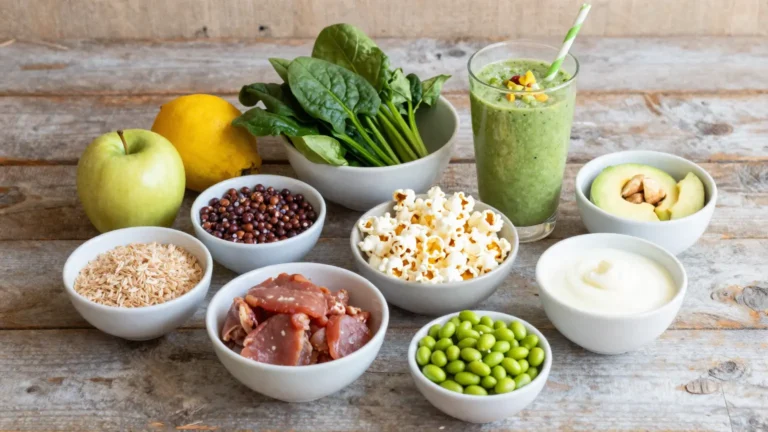
Introduction to Ann Wigmore’s Raw Living Foods Diet
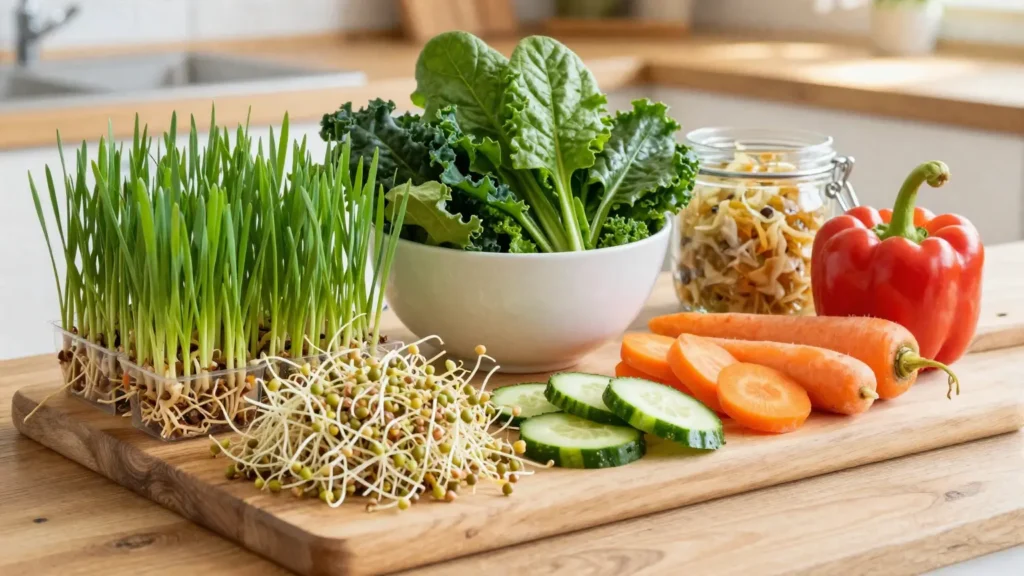
The Wigmore diet stands at the heart of a revolutionary dietary movement that champions the power of raw living foods for optimal health. Ann Wigmore, an innovative Lithuanian-American advocate, pioneered this approach based on her deep-seated belief in the healing potential of natural and unprocessed meals. Her journey into holistic nutrition began in childhood when she witnessed traditional herbal remedies effectively treating illnesses within her community. This early experience sparked a lifelong dedication to uncovering the profound benefits of raw foods.
Influenced by Maximilian Bircher-Benner’s ideas on natural diets and the Lebensreform movement, Wigmore refined her dietary philosophy to focus specifically on enzymes, vitamins, and minerals – nutrients often lost or compromised through cooking. Her diet features a diverse array of unprocessed ingredients like sprouted seeds, raw vegetables, and fresh fruits, along with a special emphasis on wheatgrass for its high chlorophyll content and other health benefits.
Ann Wigmore’s approach doesn’t just advocate for eating raw foods; it also encourages the use of modern appliances to make these meals more accessible and enjoyable. Blenders, food processors, and dehydrators are integral tools in preparing dishes that retain their maximum nutritional value. This blend of traditional wisdom and contemporary technology creates a unique culinary experience aimed at enhancing well-being through natural means.
The Philosophy Behind Ann Wigmore’s Diet
At the core of Ann Wigmore’s dietary philosophy is the belief that raw living foods possess inherent healing properties and vital energy that are essential for optimal human health. She argued that cooking food above a certain temperature (104°F or 40°C) destroys enzymes, which play crucial roles in digestion and metabolic processes. According to Wigmore, these enzymes help unlock nutrients within foods, making them more readily available for the body’s absorption.
Wigmore also emphasized the importance of chlorophyll, the green pigment found abundantly in plants, particularly in wheatgrass. Chlorophyll is not only a detoxifier but is believed to have blood-building properties and can aid in oxygenating the body’s tissues, thus enhancing overall vitality and energy levels. Wheatgrass juice became one of the key components of her raw food regimen due to its high chlorophyll content and numerous reported health benefits.
Another significant aspect of Wigmore’s philosophy involves sprouting seeds and legumes. By sprouting, she believed that these foods were activated from their dormant state into a living form rich in enzymes, vitamins, and minerals. This process not only enhances the nutritional profile but also makes them easier to digest and absorb. Sprouted seeds are an integral part of her diet due to their potential for promoting digestive health and supporting detoxification.
Wigmore’s approach extends beyond just consuming raw foods; it includes a holistic understanding of human wellness that encompasses mental, emotional, and spiritual dimensions. She advocated for mind-body-spirit integration, suggesting that true healing occurs when one addresses the interconnectedness of these aspects. For Wigmore, eating fresh, unprocessed foods was only part of the journey towards optimal health.
Her teachings also highlight the importance of elimination diets to identify food sensitivities and allergens that may be contributing to poor health or chronic conditions. By removing certain foods from one’s diet for a period and then reintroducing them gradually under controlled circumstances, individuals can gain insights into which foods best suit their bodies and which might cause adverse reactions.
Incorporating these principles, Ann Wigmore’s raw living foods diet is not just about what you eat but how it aligns with your overall lifestyle and well-being. It challenges conventional dietary norms and encourages a more mindful approach to nutrition that prioritizes the intrinsic qualities of uncooked natural ingredients.
Recommended Food Groups in Ann Wigmore’s Diet
Ann Wigmore’s diet encompasses a wide array of foods that are rich in enzymes, vitamins, minerals, and other vital nutrients. Her recommendations focus on consuming raw fruits, vegetables, sprouted seeds, nuts, grains, and wheatgrass. These ingredients form the foundation of her raw living foods approach.
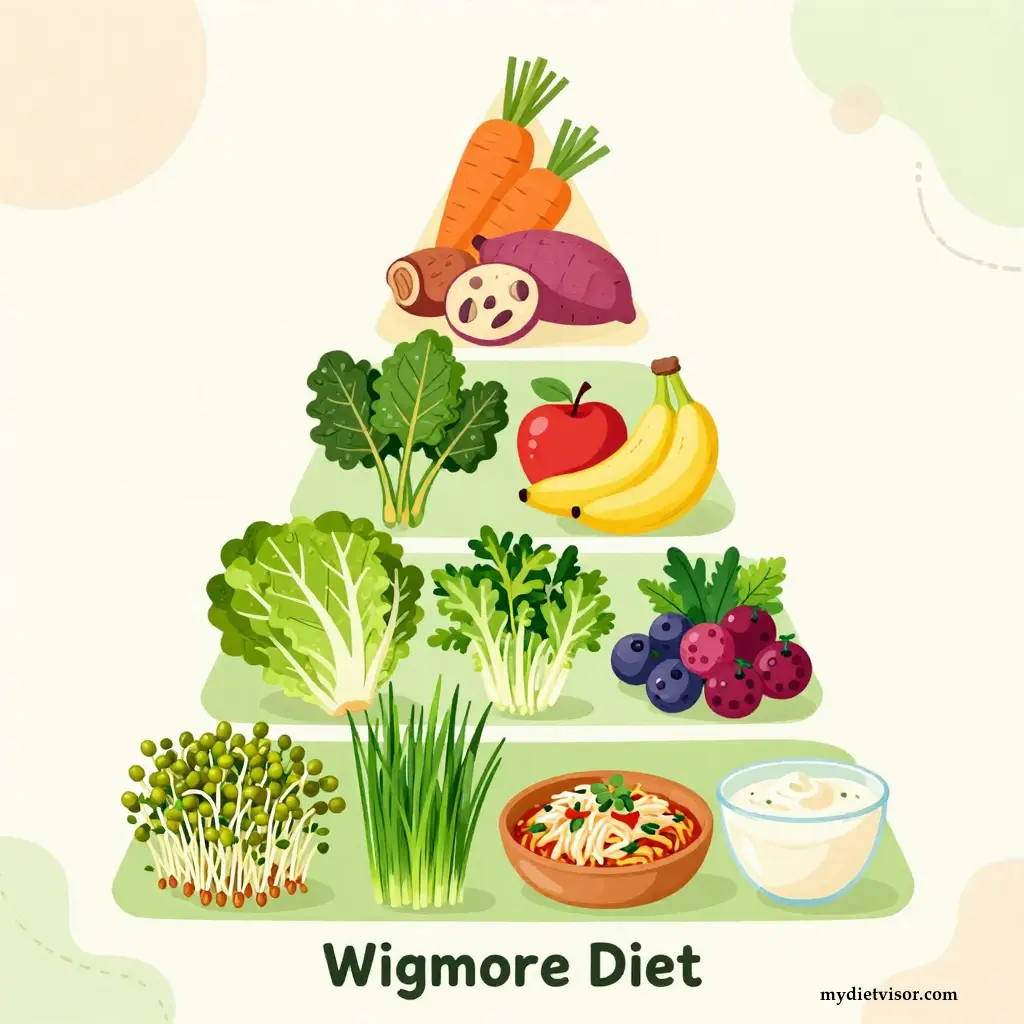
Raw fruits and vegetables provide essential vitamins, antioxidants, and fiber that are critical for maintaining digestive health and supporting detoxification processes. Wigmore believed in eating a variety of these items to ensure a broad spectrum of nutrients. For example, leafy greens like spinach and kale offer high levels of chlorophyll, while citrus fruits like lemons and oranges provide vitamin C.
In addition to raw produce, sprouted seeds play a significant role in Ann Wigmore’s diet. Sprouting activates dormant seeds, converting them into living foods packed with enzymes that aid digestion. Common sprouts include alfalfa, mung beans, and lentils. They are easy to incorporate into salads or smoothies and provide a concentrated dose of nutrients.
Another crucial component is fermented vegetables like sauerkraut, kimchi, and pickles. These foods contribute beneficial bacteria known as probiotics, which support gut health by maintaining the balance of intestinal flora. Fermentation enhances digestibility while preserving the nutritional content of the ingredients. Including these items in your diet can help improve digestion and boost immune function.
Wheatgrass is another staple food in Wigmore’s regimen due to its high chlorophyll content. Wheatgrass juice has been touted for its detoxifying effects, ability to oxygenate blood, and potential benefits for skin health. Drinking wheatgrass juice regularly can be a powerful way to enhance overall vitality and support cellular regeneration.
Incorporating these diverse food groups into your diet not only aligns with Wigmore’s principles but also promotes a comprehensive approach to nutrition that nourishes the body from within. By focusing on fresh, unprocessed ingredients, you can harness their natural healing properties while enjoying delicious meals that are both satisfying and beneficial for your health.
Wheatgrass juice is often compared to a superfood due to its dense concentration of nutrients, including vitamins A, C, E, K, B complex, minerals like calcium, iron, magnesium, potassium, phosphorus, amino acids, and chlorophyll. It’s truly nature’s multi-vitamin in liquid form!
Forbidden or Limited Foods According to Ann Wigmore
In line with the principles of her raw living foods diet, Ann Wigmore outlined certain foods that should be avoided or severely limited due to their potential negative effects on health. She believed these items could disrupt digestive processes, hinder nutrient absorption, and lead to chronic ailments when consumed regularly.
Processed Foods: One of the most significant restrictions in Wigmore’s diet is the complete avoidance of processed and packaged foods. These products often contain additives, preservatives, and artificial flavors that deplete nutritional value while potentially causing harm to the body over time. This includes anything from pre-made meals and snacks to canned goods and frozen dinners.
Cooked Foods: Another major limitation in Wigmore’s approach is the avoidance of cooked or heated foods above 104°F (40°C). Cooking, according to her philosophy, denatures enzymes and vitamins, reducing their effectiveness. This means that staple items such as bread, pasta, meat, and dairy are not recommended unless they have been prepared using low-temperature methods like dehydrating.
Animal Products: Ann Wigmore’s diet is predominantly vegan, which eliminates the consumption of meat, poultry, fish, eggs, and dairy products. She argued that these foods contribute to mucus production, digestive issues, and other health problems when consumed regularly. Instead, she promoted plant-based proteins such as legumes, nuts, seeds, and sprouts.
Refined Sugars: The inclusion of refined sugars is also discouraged in Wigmore’s diet due to their role in promoting inflammation, weight gain, and various chronic diseases like diabetes and cardiovascular conditions. Natural sweeteners derived from fruits are preferred over processed sugar alternatives like honey or maple syrup, as they retain more nutritional value.
Alcohol and Stimulants: Ann Wigmore believed that alcohol and stimulants such as coffee, tea (except green), and soda should be avoided entirely due to their detrimental effects on the nervous system, liver function, and overall health. These substances can interfere with sleep patterns, stress levels, and nutrient absorption.
By avoiding or severely limiting these types of foods, Ann Wigmore’s diet aims to create an environment in which the body can cleanse itself from toxins and heal naturally through the consumption of fresh, raw ingredients that are rich in enzymes, vitamins, and minerals. This restrictive approach challenges conventional dietary norms but is seen by proponents as essential for achieving optimal health.
How do you think eliminating these common foods could impact your daily eating habits? It might seem daunting at first, but many find that shifting to a diet centered around whole, raw ingredients can be both liberating and transformative in terms of overall well-being.
Nutritional Benefits of the Ann Wigmore Diet
The Ann Wigmore diet offers a plethora of nutritional benefits that are believed to contribute to overall well-being. One of the primary advantages is the high enzyme content found in raw foods, which aids in digestion and nutrient absorption. Enzymes play critical roles in breaking down food into smaller components so that the body can easily assimilate vitamins, minerals, and other essential nutrients.
Raw fruits and vegetables provide an abundance of antioxidants like vitamin C and beta-carotene, which help combat oxidative stress and reduce inflammation within the body. Antioxidants protect cells from damage caused by free radicals, potentially lowering the risk of chronic diseases such as heart disease and certain cancers. For instance, a diet rich in fruits like blueberries and vegetables like broccoli can significantly boost antioxidant levels.
Another key benefit is the fiber content found in raw foods, which promotes digestive health and regularity. Fiber not only helps prevent constipation but also supports gut microbiota by providing necessary nutrients for beneficial bacteria to thrive. This balance of gut flora has been linked to improved immune function, mental clarity, and even mood regulation.
Sprouted seeds and legumes are particularly noted for their increased nutritional density compared to non-sprouted versions. Sprouting activates enzymes that break down complex compounds into simpler forms, making them more digestible and bioavailable. For example, sprouted lentils contain higher levels of folate and iron than unsprouted ones, enhancing the body’s ability to produce red blood cells.
Incorporating wheatgrass into your diet offers unique benefits due to its chlorophyll content. Chlorophyll is believed to have detoxifying properties that can aid in removing toxins from the bloodstream and liver. Regular consumption of wheatgrass juice may also help improve circulation and oxygenation, leading to increased energy levels and reduced fatigue.
Fermented vegetables like sauerkraut and kimchi introduce beneficial bacteria into your gut, which helps maintain a healthy balance of microorganisms essential for digestion and immune function. These probiotics can enhance the body’s ability to fight off harmful pathogens while promoting better absorption of nutrients from food.
By emphasizing these nutrient-dense foods, Ann Wigmore’s diet aims to provide a comprehensive nutritional profile that supports overall health and vitality. However, it is important to note that transitioning to such an extreme dietary regimen requires careful planning and awareness of potential deficiencies, especially in micronutrients like vitamin B12 and iron, which are typically derived from animal products.
How might incorporating more raw foods into your diet affect your energy levels and digestive health? Experimenting with the Ann Wigmore approach could offer insights into how natural, unprocessed ingredients impact your well-being.
Studies have shown that consuming sprouted seeds can lead to a significant increase in vitamin C levels, which is crucial for immune support and skin health.
Potential Drawbacks and Criticisms of the Ann Wigmore Diet
The Ann Wigmore diet is undoubtedly revolutionary in its approach to nutrition and wellness. However, like any dietary regimen that deviates from conventional norms, it faces several potential drawbacks and criticisms. These concerns primarily revolve around the feasibility of adhering strictly to such a restrictive diet and the risks associated with nutritional imbalances.
One significant criticism centers on the potential for nutrient deficiencies. The Wigmore diet’s strict avoidance of certain food groups, including animal products and cooked foods, can lead to inadequate intake of essential nutrients. For example, vitamin B12 is primarily found in animal-derived foods like meat, fish, eggs, and dairy products, which are all excluded from the Wigmore diet. This deficiency can result in anemia and other serious health issues if not addressed through supplementation.
Moreover, iron absorption could also become a concern since iron from plant-based sources (non-heme iron) is less readily absorbed by the body compared to that found in animal products. This means that individuals on this diet might struggle with maintaining sufficient levels of this vital mineral unless they incorporate specific strategies such as consuming vitamin C-rich foods alongside their meals.
Another critique pertains to long-term sustainability and practicality. The strict adherence required to maintain a raw living food diet can be challenging for many people due to the time, effort, and equipment needed to prepare these meals consistently. Dehydrators, blenders, and other kitchen gadgets are essential tools in this lifestyle, making it less accessible to those without such resources.
In addition, there is limited scientific evidence supporting some of the specific health claims associated with the Wigmore diet. While anecdotal success stories abound among followers, rigorous clinical trials and research studies have yet to validate many of its purported benefits comprehensively. This lack of empirical support leaves room for skepticism regarding its efficacy as a panacea for chronic illnesses and overall wellness.
The emphasis on sprouting seeds and legumes while beneficial in some aspects also carries potential risks if not done correctly. Improper sprout cultivation can lead to bacterial contamination, posing serious health risks such as E.coli or Salmonella infections. Ensuring hygiene during the process is crucial but adds another layer of complexity for adherents.
Lastly, the psychological impact of adopting such a restrictive diet should also be considered. The mental stress associated with eliminating favorite foods and dealing with social situations where raw food options are scarce can negatively affect one’s quality of life. For some individuals, this could lead to disordered eating patterns or even full-blown eating disorders if not approached mindfully.
Despite these criticisms, the Wigmore diet continues to inspire many who seek a more natural approach to health and wellness. Its emphasis on fresh, unprocessed foods rich in enzymes and nutrients certainly has merit for those looking to enhance their digestive health and detoxify their bodies. However, it is crucial to weigh these benefits against the potential drawbacks before committing fully to this lifestyle.
How do you think balancing adherence to a strict raw diet with flexibility and moderation might address some of these challenges? Considering both sides can help in making informed decisions about incorporating elements of the Wigmore approach into your everyday life.
Ann Wigmore’s teachings have influenced numerous health gurus, including Dr. Gabriel Cousens and David Wolfe, who have further popularized raw food diets through their own books and retreat centers around the world.
Sample Meal Plan for Beginners on Ann Wigmore’s Diet
Embarking on Ann Wigmore’s diet can be an exciting journey towards better health. However, transitioning from conventional eating habits to a strict raw food regimen might feel overwhelming at first. To help ease this transition, here is a sample meal plan tailored specifically for beginners.
Breakfast: Green Smoothie Bowl
Starting the day with a nutrient-packed green smoothie bowl sets a healthy tone. Combine ingredients like spinach, kale, frozen pineapple, banana, and wheatgrass juice in a blender. Add chia seeds or flaxseeds for added fiber and omega-3 fatty acids. Top your smoothie bowl with sliced almonds, coconut flakes, and fresh berries for a delightful crunch.
Snack: Raw Vegetable Sticks
Snacks are an important part of any diet plan, providing sustained energy throughout the day. Cut up raw vegetables like carrots, celery, cucumber, and bell peppers into sticks or slices. Serve them with homemade hummus made from blended chickpeas, tahini, lemon juice, and garlic for a delicious dip.
Lunch: Sprouted Seed Salad
Lunch can be both satisfying and light when you focus on sprouted seeds in your salad. Mix together alfalfa sprouts, lentil sprouts, mung bean sprouts, and sunflower sprouts with fresh lettuce leaves, shredded red cabbage, chopped tomatoes, avocado slices, and a sprinkle of sesame seeds. Drizzle with olive oil and apple cider vinegar for dressing.
Snack: Fermented Vegetables
Incorporating fermented vegetables into your diet provides beneficial probiotics that support gut health. Enjoy a serving of sauerkraut or kimchi as a snack during the afternoon. These foods are rich in live cultures, which aid digestion and boost immune function.
Dinner: Wheatgrass Juice with Sprouted Seed Pâté
End your day nourished by wheatgrass juice for its detoxifying properties. Mix one ounce of fresh wheatgrass juice with half an apple blended until smooth. Serve this refreshing drink alongside a sprouted seed pâté spread on cucumber slices or raw crackers made from seeds and nuts. The pâté can be crafted using soaked almonds, walnuts, sunflower seeds, nutritional yeast, lemon juice, and herbs like basil and parsley.
Evening Snack: Fresh Fruit
Before bed, enjoy a handful of fresh fruits such as grapes, cherries, or an apple to satisfy any lingering hunger. Fruits provide natural sugars that can help regulate blood sugar levels without compromising your dietary goals.
This meal plan offers a balanced introduction to the Wigmore diet, ensuring you receive essential nutrients while gradually adjusting to raw and sprouted foods. As you become more familiar with this lifestyle, you might find yourself exploring new recipes and ingredients, enhancing both taste and health benefits.
Many people report experiencing increased energy levels and improved digestion within weeks of starting a raw food diet like Wigmore’s, highlighting the potential impact on overall well-being.
Alternative Raw Diets Compared to Ann Wigmore’s Approach
While Ann Wigmore’s approach to raw living foods is distinctive and influential, it is not without competition within the broader spectrum of raw food diets. Other dietary philosophies also emphasize unprocessed ingredients but may diverge in their specific recommendations, restrictions, and underlying principles.
Comparison Table:
| Diet Type | Key Features |
|---|---|
| Ann Wigmore’s Raw Foods | Focuses on raw fruits, vegetables, sprouted seeds, wheatgrass juice; avoids all cooked foods above 104°F (40°C); includes extensive use of fermentation and dehydration techniques. |
| Raw Vegan Diet | Eliminates animal products entirely but does not necessarily restrict cooked plant-based meals to under 104°F (40°C). Emphasizes diversity in raw fruits, vegetables, nuts, seeds, and legumes. |
| Living Foods Diet | Similar to the Raw Vegan diet but places even greater emphasis on sprouted foods and enzyme-rich ingredients like wheatgrass juice, focusing on detoxification and cleansing. |
| Fruitarian Diet | Primarily composed of raw fruits supplemented by nuts, seeds, and some vegetables; minimal protein and fat intake compared to other diets. Often seen as an extreme subset of veganism. |
Each of these dietary approaches shares a common thread in promoting natural foods without processing or cooking above certain temperatures. However, they diverge in their strictness regarding food preparation methods, permitted food groups, and the extent of nutrient supplementation.
For example, the Raw Vegan diet is more flexible than Wigmore’s approach when it comes to temperature restrictions on cooked plant-based meals. This means that foods like steamed vegetables or lightly sautéed dishes are permissible within this framework, offering a wider variety of meal options while still adhering to the core principle of unprocessed ingredients.
In contrast, the Living Foods diet aligns closely with Wigmore’s emphasis on sprouting and fermentation techniques but often includes additional practices such as liquid fasting or prolonged juice feasting for detoxification purposes. This approach is seen by many followers as an intensified version of raw foodism that focuses heavily on internal cleansing and rejuvenation.
The Fruitarian diet, being one of the most restrictive forms, limits dietary intake almost exclusively to fruits, particularly those rich in water content like melons and citrus fruits. The reasoning behind this diet is its focus on consuming foods with the highest life force energy and minimal impact on plant life.
These variations highlight how individuals can tailor their raw food diets according to personal preferences, health goals, and cultural backgrounds while still embracing the fundamental tenets of unprocessed nutrition. Understanding these differences helps one navigate the diverse landscape of raw food philosophies more effectively, allowing for a better-informed decision about which approach best suits individual needs.
Which raw food diet do you think aligns most closely with your lifestyle and health objectives? Considering different dietary options can help in making a well-rounded choice that maximizes both nutrition and enjoyment.
The Raw Vegan community often includes famous celebrities like Alec Baldwin and Hugo Lindgren, who have spoken about the benefits of this lifestyle on their overall wellness and energy levels.
How to Transition Successfully to a Raw Food Lifestyle
Transitioning to a raw living foods diet as promoted by Ann Wigmore can be transformative but requires careful planning and gradual adjustment. One of the keys to success is understanding how to ease into this new lifestyle without overwhelming yourself.
Firstly, start small by incorporating raw fruits and vegetables gradually into your meals each day. Begin with breakfast smoothies that include ingredients like bananas, berries, spinach, and wheatgrass juice for a nutrient-packed start to your day. Adding just one or two servings of raw foods daily can help you acclimate without drastically changing your diet immediately.
Next, focus on learning how to prepare raw food dishes properly using kitchen appliances such as blenders, food processors, and dehydrators. These tools allow you to create meals that are both tasty and nutritionally dense while maintaining the integrity of enzymes and other vital nutrients found in uncooked ingredients. Experiment with recipes like kale chips made by dehydrating thinly sliced kale leaves, or raw nut-based desserts that can satisfy your sweet tooth without refined sugars.
Another essential step is understanding how to sprout seeds effectively for optimal nutritional benefit. Sprouting activates dormant seeds into a living form rich in enzymes and vitamins. This process not only enhances the food’s digestibility but also makes it easier for your body to absorb crucial nutrients. Try sprouting almonds, lentils, or mung beans by soaking them overnight and then rinsing twice daily until they sprout.
Incorporating wheatgrass juice regularly can be particularly beneficial due to its high chlorophyll content. Wheatgrass is known for detoxifying properties and providing essential vitamins and minerals in a highly absorbable form. Drinking wheatgrass juice once or twice a day, along with freshly blended raw vegetable juices, can help boost your energy levels and support overall health.
It’s also crucial to monitor your body’s response closely as you transition into the raw food lifestyle. Pay attention to changes in digestion, energy levels, and skin condition. These are often early indicators of how well your body is adapting to this new diet. If you experience any adverse reactions or deficiencies, it may be necessary to adjust your meal plans accordingly.
Lastly, seek support from like-minded individuals or communities who share similar dietary preferences. Joining a local raw food group or online forum can provide valuable insights and motivation during the transition period. Sharing experiences and learning tips from others who have successfully navigated this path can make the process more enjoyable and manageable.
By taking these steps, you can ease into Ann Wigmore’s diet in a way that is both sustainable and fulfilling. Remember that transitioning to any new dietary regimen involves patience and persistence. Embrace the journey as an opportunity for self-discovery and health improvement.
A common advice among raw food enthusiasts is to listen closely to your body during transitions, as it provides invaluable feedback on what works best for you personally.
Navigating this change can be challenging but rewarding, offering a fresh perspective on how natural foods can enhance overall well-being. How might starting with simple adjustments help you feel more prepared and confident about transitioning to the raw food lifestyle?
Conclusion: The Impact of Ann Wigmore’s Legacy
In summary, Ann Wigmore’s legacy in the raw food movement continues to inspire those seeking natural and holistic approaches to wellness. Her pioneering work emphasizes the detoxifying properties and health benefits of unprocessed foods, particularly wheatgrass and sprouted seeds. While her dietary philosophy has faced skepticism and legal challenges, it remains influential through her writings and the institutes that carry on her teachings. The raw living foods diet advocates for a lifestyle rich in enzymes and nutrients from fresh fruits, vegetables, sprouts, and fermented foods, promising improved digestion and enhanced immunity. However, potential drawbacks such as nutritional deficiencies and practical limitations must be carefully considered. As you navigate this transformative journey, remember to listen closely to your body’s needs and seek support along the way. Whether you fully embrace Wigmore’s approach or integrate elements of it into your current diet, exploring natural foods can offer a pathway to greater health and vitality.
Frequently Asked Questions (FAQ)
What is the Wigmore diet and who is it suitable for?
The Wigmore diet, also known as the Raw Living Foods Diet, emphasizes consuming raw, unprocessed foods such as sprouts, wheatgrass, and fermented vegetables. It’s suitable for individuals seeking to improve their health through a natural, plant-based approach but may not be ideal for those needing diverse protein sources.
Can I eat cooked food on the Wigmore diet?
The Wigmore diet primarily focuses on raw foods like fruits, vegetables, sprouts, and wheatgrass. Cooking is discouraged as it’s believed that heat destroys essential enzymes and nutrients in food.
How do I start a Wigmore diet?
Begin by gradually increasing your intake of raw foods while reducing processed ones. You can start slowly by adding one new raw item each day or week until you feel ready to transition fully into the diet.
What equipment is needed for the Wigmore diet?
Essential tools include a high-quality blender, food processor, and dehydrator. These help prepare ingredients like juices, smoothies, and dried snacks easily.
Where can I find resources on the Wigmore diet?
You can explore Ann Wigmore’s books or join online communities focused on raw foods to get support and learn practical tips from experienced followers.
How does the Wigmore diet affect digestion?
The high fiber content of the Wigmore diet supports healthy digestion and regular bowel movements, which can alleviate digestive issues like constipation for many people.
Are there any side effects when starting the Wigmore diet?
Some individuals might experience detox symptoms such as headaches or fatigue during the initial phase due to their body’s adjustment to a new food intake pattern.
How does wheatgrass play a role in the Wigmore diet?
Wheatgrass is considered “liquid sunshine” in the Wigmore diet because of its high chlorophyll content and nutrients. It aids in detoxification, boosts energy levels, and supports overall health.
Can I still get enough protein on the Wigmore diet?
Protein needs can be met through sprouted seeds, beans, legumes, and nuts. However, it may require careful planning to ensure all essential amino acids are adequately consumed.
Is there a sample meal plan for beginners of the Wigmore diet?
Begin with simple meals such as raw salads, fresh juices, and smoothies. A basic example might include green juice for breakfast, raw salad for lunch, and blended soup for dinner, gradually increasing complexity over time.