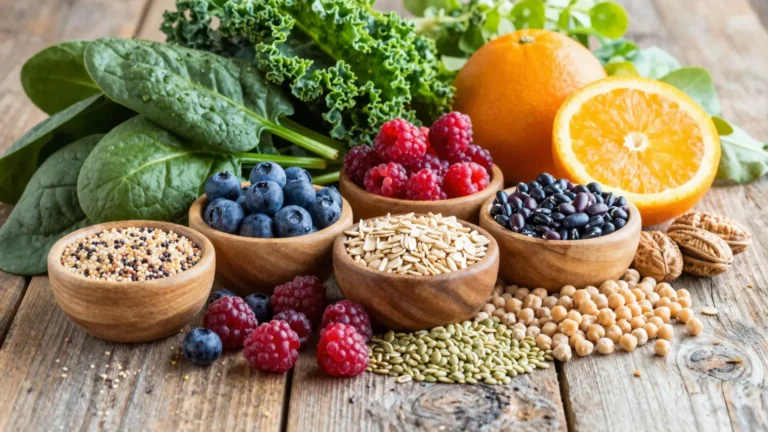
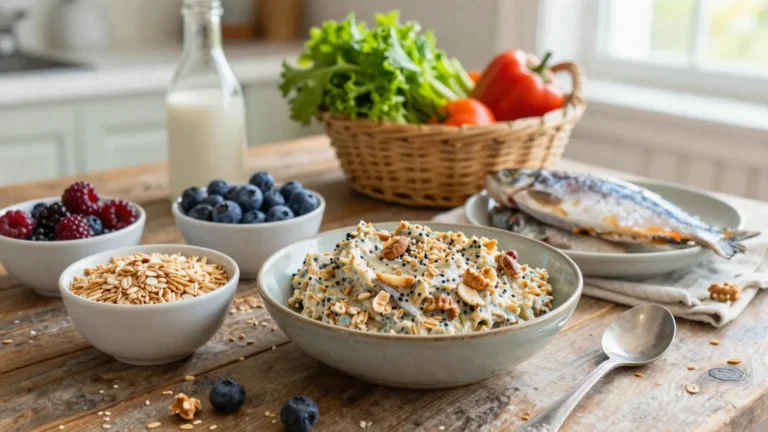
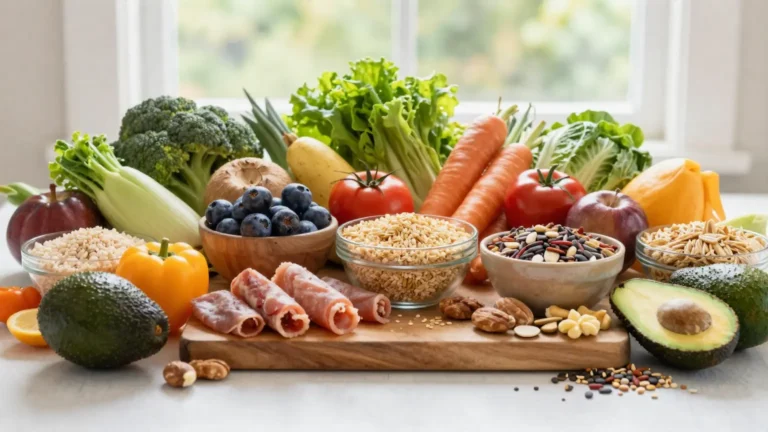
What is Raw Foodism? Definitions and Key Concepts
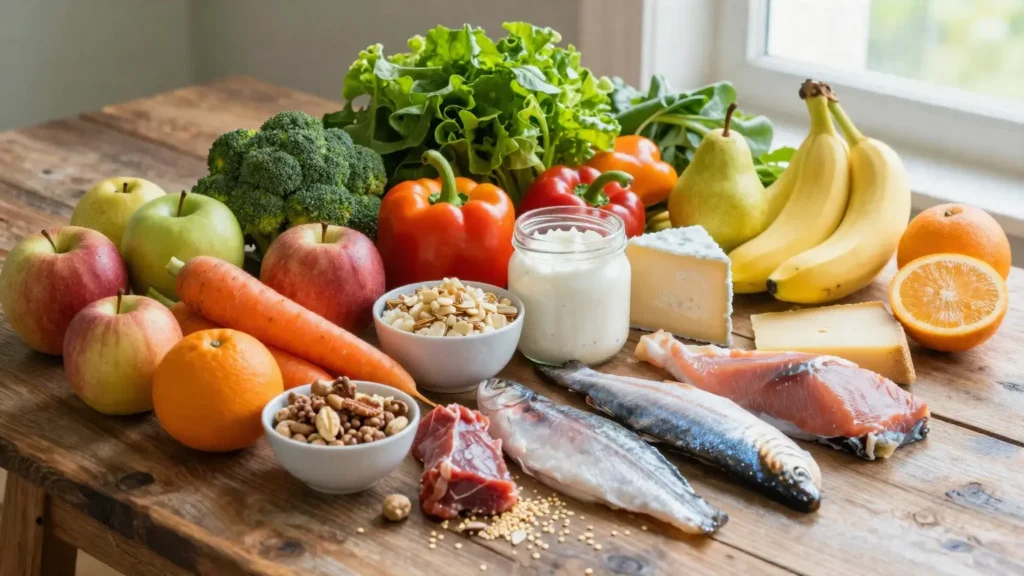
Raw foodism is a fascinating and increasingly popular dietary approach that centers on consuming uncooked and minimally processed foods to harness their natural nutritional benefits. This practice spans across various types of food, including fruits, vegetables, nuts, seeds, dairy products, fish, meat, and even some fermented items like yogurt and sauerkraut. At its core, raw foodism rejects any form of processing that significantly alters these foods, such as pasteurization or the use of synthetic pesticides and fertilizers.
Imagine a world where your meals are bursting with vibrant colors, flavors, and textures in their purest forms. This is what raw foodism promises – eating directly from nature without compromising the integrity of the ingredients. The idea behind this dietary approach is that heating food above 40°C can destroy enzymes and nutrients essential for optimal health. Consequently, practitioners seek to maintain the natural state of foods as much as possible.
Beyond the basic principle of unprocessed foods, raw foodism encompasses a diverse range of diets. Some individuals follow strict vegetarian or vegan regimens, while others incorporate raw animal products like eggs, dairy, and even meat into their meals. This flexibility allows people to tailor the diet according to their personal health goals and ethical beliefs. For instance, fermented foods that have not been pasteurized, such as yogurt, kefir, kombucha, and sauerkraut, are also embraced within this framework due to their potential probiotic benefits.
Exploring raw foodism opens up a window into not just nutrition but also cultural and spiritual dimensions of eating. It invites us to question our relationship with food and consider how returning to simpler, more natural ways of consuming can positively impact both personal health and the environment. This holistic approach resonates deeply with many individuals seeking a healthier lifestyle aligned with ethical values.
Why Do People Choose Raw Foodism? The Philosophy Behind It
People choose raw foodism for various reasons, often driven by a desire to live more sustainably and ethically. This dietary approach is seen as an extension of broader lifestyle choices that prioritize environmental conservation and animal welfare.
Health Benefits and Holistic Living
Many individuals believe that eating raw foods can enhance their health in numerous ways. They argue that unprocessed foods are rich in enzymes, vitamins, minerals, and phytonutrients that might be destroyed by heat during cooking. Practitioners often report improved digestion, increased energy levels, clearer skin, and a stronger immune system after adopting this diet.
Ethical Considerations
For those who follow ethical or spiritual beliefs closely tied to the environment and animal rights, raw foodism offers a way to reduce their ecological footprint while avoiding harm to animals. By choosing plant-based foods over meat products, they aim to minimize pollution and promote biodiversity.
Cultural and Spiritual Dimensions
Raw foodism is more than just a dietary choice; it’s also rooted in cultural and spiritual movements that seek harmony with nature. The philosophy behind this lifestyle encourages people to reconnect with the natural world through their eating habits.
Historical Context
The roots of raw foodism trace back to early 20th-century European movements like Lebensreform, which emphasized a return to natural living practices. Figures such as Eugene Christian and Ann Wigmore were instrumental in popularizing raw food diets based on holistic health principles.
Modern Influences
Today’s advocates draw inspiration from contemporary works like Leslie Kenton’s “Raw Energy,” which has helped spread awareness about the benefits of uncooked foods. These books often feature testimonials and recipes that showcase how easy it can be to incorporate more raw ingredients into one’s diet, making it appealing to a wider audience.
Personal Reflections
Choosing raw foodism involves more than just eating habits; it’s a personal transformation towards a healthier, more mindful way of living. By embracing this lifestyle, individuals often find themselves questioning other aspects of their lives and seeking further ways to simplify and purify their existence.
Engaging Questions
- How does the idea of returning to natural eating patterns appeal to you?
- What changes might you make in your diet if you wanted to reduce environmental impact?
Considering these questions can help readers understand why raw foodism resonates with so many people around the world. It’s not just about avoiding cooking; it’s a commitment to a more holistic approach to health and well-being.
Recommended Food Groups for a Balanced Raw Diet
To ensure that your raw food diet remains nutritious and balanced, it’s essential to include a variety of food groups. Each group provides unique nutrients that are crucial for overall health.
Fruits
Fruits form the foundation of many raw food diets due to their high vitamin content and natural sugars. They are rich in antioxidants like vitamin C and provide necessary hydration. Aim for a mix of sweet fruits like bananas, apples, and berries along with more citrusy options such as oranges and grapefruits.
Vegetables
Vegetables offer an abundance of minerals and vitamins that are vital for maintaining good health. Incorporate leafy greens such as spinach and kale, which are excellent sources of iron and calcium. Root vegetables like carrots and beets provide essential fiber and antioxidants.
Nuts and Seeds
Nuts and seeds supply healthy fats, proteins, and minerals necessary for energy and cell function. Almonds, walnuts, chia seeds, and flaxseeds are all great choices. They can be blended into smoothies or used as toppings on salads to add texture and flavor.
Fermented Foods
While raw foodism typically avoids cooking, it often includes uncooked fermented foods due to their probiotic benefits. These items help in maintaining gut health by introducing beneficial bacteria into your digestive system. Examples include kefir, kombucha, kimchi (unpasteurized), and sauerkraut.
Proteins
Finding plant-based proteins can be challenging on a strict raw diet but is crucial for muscle repair and growth. Include sprouted grains like quinoa and legumes such as lentils to boost your protein intake without relying heavily on animal products. Spirulina, hemp seeds, and nutritional yeast are other great sources.
Healthy Fats
Incorporating healthy fats into a raw diet supports brain function and heart health. Avocados, coconuts, and olives are excellent choices that provide essential fatty acids like omega-3s without the need for cooking.
Sample Meal Plan
A balanced meal on a raw food diet might include a green smoothie with leafy greens, bananas, chia seeds, and coconut water; a salad topped with sprouted quinoa, sliced avocado, almonds, and kimchi; and a dessert of fresh berries and homemade nut butter.
By carefully selecting foods from each group, you can create meals that are both delicious and nutritious. This approach helps ensure that your body receives all the necessary nutrients while embracing the raw food philosophy.
Engaging Questions
- How do you plan to incorporate different food groups into your daily diet?
- What challenges have you faced in maintaining a balanced raw diet?
Reflecting on these questions can help deepen your understanding of how to balance nutritional needs with dietary preferences.
Forbidden or Limited Foods in Raw Foodism
Raw foodism imposes certain restrictions on what can be consumed, primarily based on the principles of avoiding any form of heat treatment and minimizing industrial processing. Here are some categories of foods that are typically forbidden or severely limited within this dietary framework.
Processed Foods and Additives
Processed foods are strictly off-limits in raw foodism because they often contain additives, preservatives, and artificial flavors that go against the natural ethos of the diet. This includes items like chips, candy, soda, and packaged snacks, which many people consume regularly but can be harmful to health when processed extensively.
Pasteurized Products
Pasteurization is a process used to kill harmful bacteria in foods such as dairy products, juices, and some alcoholic beverages by heating them to high temperatures. However, this also destroys beneficial enzymes and nutrients that raw foodists aim to preserve. Therefore, raw foodists avoid pasteurized milk, yogurt, cheese, and juice, opting instead for their unpasteurized alternatives.
Heated Animal Products
Raw meat, eggs, fish, and dairy are allowed in certain variants of the diet but must remain unheated. For instance, some practitioners eat raw eggs or consume raw fish dishes like sushi rolls. However, these choices come with significant health risks due to potential pathogens that can cause serious illnesses if not handled properly.
Commercial Oils
Many commercial oils undergo high-heat processing during extraction, which denatures their nutritional value and introduces harmful compounds. Raw foodists prefer cold-pressed or expeller-pressed oils extracted at low temperatures, such as olive oil, coconut oil, and flaxseed oil. This ensures that the oils retain their natural flavor, aroma, and health benefits.
Ethical Considerations
Beyond nutritional concerns, ethical considerations also play a role in what foods are permissible within raw foodism. Many adherents adopt this diet to promote animal welfare and reduce environmental impact by avoiding meat and dairy products entirely. The belief is that consuming fewer animal-based foods lowers demand for livestock farming and reduces greenhouse gas emissions.
Engaging Questions
- How might your dietary choices change if you were concerned about the ethical implications of food production?
- What are some practical steps to avoid processed foods in everyday meals?
Reflecting on these questions can help readers understand how raw foodism intertwines with broader concerns about health, ethics, and environmental sustainability. It also prompts individuals to critically evaluate their own eating habits and consider more natural alternatives.
By adhering to strict limitations on certain types of foods, raw foodists strive to maintain the integrity of the ingredients they consume, believing this leads to better overall health and a closer connection with nature. However, it’s important for anyone considering such a drastic change in diet to consult healthcare professionals and understand potential nutritional deficiencies or risks involved.
Nutritional Benefits of Eating Raw
One of the most compelling arguments for raw foodism is its potential nutritional benefits. Advocates claim that eating foods in their natural state preserves enzymes and nutrients that might be lost during cooking. Enzymes play a crucial role in breaking down food, aiding digestion and nutrient absorption. When these enzymes are intact, they can help reduce digestive stress on the body.
Rich Source of Antioxidants
Raw fruits and vegetables are particularly high in antioxidants like vitamin C and beta-carotene. These compounds protect cells from damage caused by free radicals, which can contribute to chronic diseases such as heart disease and cancer. By incorporating a variety of raw foods into your diet, you can boost your antioxidant intake significantly.
Improved Digestion
Many people report better digestion when they switch to a raw food diet. Unprocessed foods are typically easier for the body to break down due to their high fiber content and intact enzymes. This can lead to less bloating, constipation, and other digestive issues commonly associated with processed or heavily cooked meals.
Variety of Vitamins and Minerals
Raw foods offer a wide array of essential vitamins and minerals necessary for good health. For instance, leafy greens are rich in iron and calcium, while nuts and seeds provide zinc and magnesium. By including a diverse range of raw ingredients in your diet, you can ensure that you’re getting all the nutrients needed to support various bodily functions.
Questions
- How do you think increasing antioxidant intake could benefit your health?
- What changes have you noticed in your digestion after trying more raw foods?
Exploring these questions can help you reflect on how raw foodism might fit into your personal health goals and dietary preferences.
Potential Drawbacks of Eating Raw Foods
While the raw food diet offers several nutritional advantages, it also comes with certain drawbacks that are worth considering. One significant concern is the risk of nutritional deficiencies, particularly in essential vitamins and minerals like vitamin B12, iron, zinc, and calcium. These nutrients are crucial for maintaining energy levels, blood health, bone density, and overall well-being.
Risk of Foodborne Illnesses
Eating raw foods can also increase your exposure to harmful bacteria and parasites that might be present in fruits, vegetables, or animal products. Raw meat, eggs, and dairy products pose a higher risk compared to cooked counterparts due to the potential for contamination during handling and storage. This can lead to food poisoning symptoms like nausea, vomiting, diarrhea, and fever.
Limited Variety
Adhering strictly to a raw diet might limit your culinary options since many staple foods are typically prepared through cooking or processing methods. For instance, grains, legumes, and certain vegetables need to be cooked to enhance digestibility and nutrient availability. Without proper planning, it can be challenging to meet all dietary needs while sticking to uncooked meals.
Practical Challenges
Preparing raw meals often requires more time and effort compared to conventional cooking methods. Chopping, blending, and dehydrating foods to create dishes like smoothies, juices, or crackers takes patience and dedication. Additionally, sourcing high-quality ingredients that are free from pesticides and industrial additives can be difficult and costly.
Engaging Questions
- What challenges have you encountered in preparing raw meals?
- How might the risk of foodborne illnesses affect your decision to follow a raw diet?
Considering these questions can help readers evaluate whether the benefits of raw foodism outweigh the potential drawbacks for their individual circumstances.
Sample Meal Plan for Beginners to Raw Foodism
Starting a raw food diet can be daunting, but with careful planning and creativity, it becomes an enjoyable journey towards healthier living. Here are some simple meal ideas to help you ease into this lifestyle.
Breakfast: Green Smoothie Bowl
Begin your day with a refreshing green smoothie bowl packed with nutrients. Blend together spinach or kale, banana, chia seeds, coconut water, and a handful of frozen berries for a sweet kick. Top it off with sliced almonds, fresh fruit, and shredded coconut for added texture and flavor.
Lunch: Rainbow Salad
Lunch is the perfect time to enjoy a vibrant salad loaded with colors and flavors. Combine mixed greens like arugula and romaine lettuce with grated carrots, sliced cucumbers, red bell peppers, and cherry tomatoes. Dress it lightly with olive oil and lemon juice or raw tahini for creaminess.
Snack: Energy Balls
For a quick snack that’s both filling and nutritious, try making energy balls using dates, nuts (like almonds or cashews), and seeds such as chia or flaxseeds. Roll them into bite-sized portions and store in the refrigerator for an easy grab-and-go option throughout the day.
Dinner: Sprouted Quinoa Salad
Dinner can be a delightful blend of flavors and textures with a sprouted quinoa salad. Cooked quinoa can be substituted if you prefer, but sprouted grains are easier to digest and packed with enzymes. Mix in avocado slices, diced tomatoes, shredded carrots, and your favorite herbs like cilantro or basil. Add some sliced red onion for a tangy bite.
Dessert: Berry Chia Pudding
End the day on a sweet note with berry chia pudding. Soak chia seeds overnight in almond milk or another nut milk. In the morning, stir in fresh berries and a touch of maple syrup or honey for sweetness. Serve chilled for a delightful treat that’s both satisfying and nutritious.
Engaging Questions
- Which meal idea from this plan appeals to you the most?
- How do you think incorporating more raw ingredients could enhance your current diet?
These questions encourage readers to engage with the content personally, making them reflect on their dietary habits and consider how they might integrate more raw foods into their daily meals.
Health Effects on Children and Infants: Is Raw Food Safe?
When it comes to children and infants, the safety of raw foodism becomes even more critical. These young individuals are in crucial stages of growth and development, making their nutritional needs distinct from those of adults.
Nutritional Deficiencies
Children require a balanced diet rich in vitamins and minerals to support healthy growth and cognitive function. Raw food diets can be particularly risky for kids due to the potential for nutrient deficiencies. Essential nutrients like vitamin B12, iron, zinc, and calcium are crucial during these formative years but may be insufficiently supplied by raw foods alone.
Developmental Concerns
Inadequate nutrition can have severe developmental consequences in children and infants. For instance, a lack of vitamin D and calcium can lead to bone problems such as rickets, while insufficient iron can result in anemia and hinder cognitive development. These deficiencies are particularly dangerous because they can affect long-term health outcomes.
Safety Considerations
The risk of foodborne illnesses is also heightened when children consume raw foods. Infants and young children have less developed immune systems compared to adults, making them more vulnerable to pathogens that might be present in uncooked fruits, vegetables, or animal products. This risk includes harmful bacteria like Salmonella and E. coli, which can cause severe gastrointestinal issues.
Real-Life Impacts
Parents considering a raw food diet for their children must weigh these risks against potential benefits carefully. There are documented cases where children on strict raw diets have suffered from malnutrition, growth stunts, and other health complications due to insufficient nutrient intake.
Did you know that infants under six months old should only consume breast milk or formula? Introducing solid foods, let alone raw foods, can be harmful at this stage because their digestive systems are not yet prepared for a variety of food types.
Engaging Questions
- How might the risks of nutritional deficiencies affect your decision to feed raw foods to children?
- What steps could you take to ensure that young children get all necessary nutrients without compromising safety?
These questions encourage parents and caregivers to reflect on their dietary choices and consider whether the benefits of a raw food diet outweigh the potential health risks for their children. It’s essential to consult with healthcare professionals before making any significant changes to a child’s diet, especially when it involves such restrictive practices as raw foodism.
By understanding these challenges and risks, parents can make informed decisions that prioritize their children’s well-being while exploring healthier dietary options.
Food Poisoning Risks with Raw Diets: What You Need to Know
Raw food diets come with unique challenges and potential dangers, primarily related to the risk of foodborne illnesses. When you consume foods without heating them, harmful bacteria, viruses, parasites, and toxins that might be present can survive and cause serious health issues.
Common Pathogens in Raw Foods
Bacteria
- Salmonella: Found in raw eggs, meat, poultry, and unpasteurized dairy products.
- E. coli: Often associated with uncooked vegetables, sprouts, and undercooked beef.
Viruses
- Norovirus: Common in fruits and vegetables that have been contaminated by handlers or water sources.
Parasites
- Toxoplasma gondii: Found in raw meat and unwashed produce.
- Cryptosporidium: Present in unpasteurized milk, contaminated water, and raw produce.
These pathogens can lead to symptoms ranging from mild stomach discomfort to severe dehydration, fever, and life-threatening complications like hemolytic uremic syndrome (HUS) caused by certain strains of E. coli.
Handling and Preparation
Proper handling and preparation are crucial in minimizing the risk of food poisoning on a raw diet. It’s essential to wash all produce thoroughly under running water before consumption, even if you intend to peel or dehydrate it later. Using separate cutting boards for different types of foods – especially meats and vegetables – and maintaining strict hygiene practices during meal prep can significantly reduce contamination risks.
Safe Alternatives
While some individuals opt for raw diets based on the belief that cooking destroys nutrients and enzymes, understanding safe alternatives is crucial. For instance, sprouted grains, seeds, and legumes offer a nutritious option without the risk of harmful pathogens often associated with uncooked versions. Additionally, using fermentation techniques can introduce beneficial bacteria into your diet while reducing potential contaminants through natural processes like acidification.
Engaging Questions
- How do you ensure that fruits and vegetables are thoroughly washed before eating them raw?
- What steps have you taken to reduce the risk of foodborne illnesses in your raw diet?
Considering these questions can help readers think critically about their dietary choices and how they might improve safety without sacrificing nutritional benefits. It also encourages individuals to seek expert advice on managing potential risks effectively.
By acknowledging and addressing these concerns, those who follow a raw food diet can enjoy its health benefits while minimizing the associated dangers of consuming uncooked foods.
Alternative or Similar Diets to Raw Foodism
Raw foodism isn’t the only dietary approach that emphasizes unprocessed foods and natural eating patterns. Several other diets share similar philosophies but differ in their specific requirements and principles.
Veganism
Veganism is a popular diet that excludes all animal products, including meat, dairy, eggs, and honey. Unlike raw veganism, which focuses on consuming these items in an uncooked state, conventional vegans may cook food extensively to enhance digestibility and flavor. Vegan diets are rich in plant-based proteins from sources like tofu, tempeh, lentils, and quinoa.
Paleolithic Diet (Paleo)
The Paleo diet is inspired by the eating habits of early humans during the Paleolithic era before agriculture developed. It emphasizes whole foods such as meats, fish, fruits, vegetables, nuts, and seeds while excluding processed grains, dairy products, legumes, and refined sugars. Unlike raw foodism, the Paleo diet includes cooked meat and eggs, which are central to its nutritional philosophy.
Plant-Based Diets
Plant-based diets focus on consuming a high percentage of plant foods like vegetables, fruits, whole grains, nuts, seeds, and healthy oils while minimizing or eliminating animal products. They do not necessarily require all food to be raw but promote the use of fresh ingredients with minimal processing. These diets emphasize heart health, lower cholesterol levels, and reduce environmental impact.
Macrobiotics
Macrobiotics is a holistic dietary approach that combines traditional Asian philosophy and modern nutrition science. It emphasizes whole grains as staples along with plenty of local vegetables, fruits, legumes, seaweed, and fermented foods like miso and tofu. Unlike raw foodism, macrobiotic diets typically include cooked grains and vegetables to enhance digestibility and flavor.
Comparing Raw Foodism with Other Diets
| Diet | Focus | Cooking Allowed? | Key Foods |
|---|---|---|---|
| Raw Foodism | Uncooked, minimally processed | No (above 40°C) | Fruits, vegetables, nuts, seeds, raw dairy, fish, meat, fermented foods |
| Veganism | Animal-free | Yes | Tofu, tempeh, lentils, quinoa, fruits, vegetables |
| Paleo Diet | Pre-agricultural era | Yes (cooked meats) | Meats, fish, fruits, vegetables, nuts, seeds |
| Plant-Based | High plant content | Yes | Fruits, vegetables, whole grains, legumes, nuts, healthy oils |
| Macrobiotics | Traditional Asian philosophy | Yes (cooked) | Whole grains, local vegetables, fruits, legumes, seaweed, fermented foods |
Each of these diets offers unique benefits and challenges. While raw foodism emphasizes preserving enzymes and nutrients through minimal processing, other diets like veganism and plant-based eating focus more on ethical considerations and broad nutritional variety.
Engaging Questions
- How do you think the different dietary approaches compare in terms of health outcomes?
- What aspects of these diets appeal to or concern you personally?
Considering these questions can help readers evaluate which dietary approach aligns best with their values, preferences, and health goals. Each diet offers a distinct pathway towards healthier living, but finding the right fit often requires personal experimentation and reflection.
By exploring various dietary options, individuals can make informed choices about how they nourish their bodies while considering broader ethical and environmental concerns.
Raw Veganism: A Closer Look at a Strict Plant-Based Diet
Raw veganism is a subset of raw foodism that excludes all animal products entirely. This strict plant-based approach focuses on consuming uncooked, minimally processed foods to achieve optimal health and ethical living.
Key Principles of Raw Veganism
The core principle of raw veganism is the belief in eating only plants in their natural state without any form of heating or processing beyond soaking, sprouting, or dehydrating at low temperatures (below 40°C). This ensures that all foods retain their maximum nutritional value and enzymatic activity.
Nutritional Focus
Raw vegans aim to maintain a well-balanced diet by incorporating various plant-based sources of essential nutrients. They emphasize the consumption of fruits, vegetables, nuts, seeds, sprouted grains, and legumes. These ingredients provide vital vitamins, minerals, antioxidants, and healthy fats necessary for overall health.
Ethical Considerations
Raw veganism aligns closely with ethical vegetarianism and promotes animal welfare by abstaining from products derived from animals such as dairy, eggs, honey, and gelatin. This diet is often chosen not only for personal health reasons but also to reduce harm to animals and the environment.
Common Challenges in Raw Veganism
Despite its benefits, raw veganism can pose challenges due to potential nutritional deficiencies and limited food choices. Ensuring adequate intake of protein, iron, zinc, calcium, vitamin B12, and omega-3 fatty acids requires careful planning and supplementation.
Nutritional Deficiencies
One major concern is the risk of nutrient deficiencies, especially for nutrients that are harder to obtain from plant-based sources alone, such as vitamin B12. Raw vegans must be vigilant about including fortified foods or taking supplements to meet these needs.
Meal Planning Tips for Raw Vegans
Creating balanced meals on a raw vegan diet requires creativity and knowledge. Here are some tips to help you plan nutritious and satisfying meals:
- Variety is Key: Include a wide range of fruits, vegetables, nuts, seeds, and sprouted grains in your diet to ensure a broad spectrum of nutrients.
- Sprouting and Fermenting: Enhance digestibility and nutrient availability by incorporating sprouted legumes and fermented foods like sauerkraut or miso into your meals.
- Supplement Wisely: Consider taking supplements for vitamins B12, D3, iron, calcium, and omega-3s to cover any nutritional gaps.
Sample Raw Vegan Meal Plan
Here’s an example of what a day on a raw vegan diet might look like:
Breakfast: Berry Smoothie Bowl
Blend together frozen berries, banana, spinach, chia seeds, and coconut water. Top with sliced almonds, shredded coconut, and fresh fruit for added texture.
Lunch: Tropical Salad
Mix chopped mango, papaya, pineapple, cucumber, and bell peppers. Dress lightly with olive oil and lime juice or raw tahini dressing.
Snack: Energy Balls
Combine dates, cashews, chia seeds, and flaxseeds to make bite-sized energy balls for a quick snack throughout the day.
Dinner: Sprouted Quinoa Salad
Cook sprouted quinoa (or use dehydrated at low temperatures) and mix with avocado slices, diced tomatoes, shredded carrots, cilantro, and red onion. Dress lightly with olive oil and lemon juice.
Engaging Questions
- How do you think incorporating more raw fruits and vegetables could improve your diet?
- What steps would you take to ensure you get all necessary nutrients on a raw vegan diet?
Considering these questions can help readers reflect on their dietary habits and explore how they might integrate the principles of raw veganism into their lives, promoting both personal health and ethical living.
By understanding the nuances of raw veganism, individuals can make informed choices about whether this strict plant-based diet aligns with their nutritional needs and values.
Conclusion: Evaluating the Pros and Cons of Raw Foodism
In summary, raw foodism offers both potential benefits and significant challenges. Advocates highlight increased antioxidant intake, improved digestion, and heightened nutritional value from uncooked foods, but critics point to risks such as vitamin deficiencies, particularly in essential nutrients like B12 and iron, and a higher risk of foodborne illnesses due to the consumption of unprocessed ingredients. While some people find raw foodism appealing for its environmental and ethical considerations, others may struggle with the practicality and safety concerns associated with this diet. Ultimately, anyone considering a switch to raw foodism should carefully evaluate their nutritional needs and consult healthcare professionals to ensure they can meet all dietary requirements safely and effectively.
Frequently Asked Questions (FAQ)
What are some common food items in a raw food diet?
Fruits, vegetables, nuts, seeds, sprouted grains, and legumes are typical foods included in a raw food diet. Some diets may also include dairy products or eggs, but it depends on the individual’s preferences.
Can you get enough protein on a raw food diet?
Yes, it is possible to meet your protein needs through a varied selection of plant-based proteins like nuts, seeds, and legumes. However, careful planning is necessary to ensure an adequate intake.
Are there any risks associated with eating raw fish or meat in a raw food diet?
Eating raw meat, fish, or shellfish increases the risk of foodborne illness due to potential contamination by bacteria or parasites. Proper sourcing and handling are crucial for minimizing these risks.
How can one ensure they get enough vitamin B12 on a raw vegan diet?
Vitamin B12 is typically found in animal products, so it’s important for raw vegans to supplement with B12 tablets or consume fortified foods like nutritional yeast to avoid deficiency.
Is raw foodism safe during pregnancy and breastfeeding?
Pregnant women and nursing mothers should be cautious about following a strict raw diet due to increased nutritional needs. Consulting a healthcare provider is recommended before making significant dietary changes.
Can children thrive on a raw food diet?
Growing children may face challenges meeting their nutrient requirements on a strictly raw vegan diet, particularly for vitamin B12 and D. A balanced approach with careful planning might be necessary.
What are the environmental benefits of choosing a raw food diet?
Some advocates believe that consuming less processed foods and fewer animal products can reduce one’s carbon footprint and contribute to sustainability efforts.
Is there scientific evidence supporting claims about health improvements from raw food diets?
While some people report improved digestion, energy levels, or skin condition after adopting a raw food diet, the scientific evidence is limited and often anecdotal.
How does a raw food diet compare to other popular diets likeketoor paleo?
Unlike keto or paleo diets which focus on specific macronutrient ratios, raw foodism emphasizes uncooked foods and can vary widely in terms of allowed ingredients based on personal philosophy.
Are there any mental health benefits associated with following a raw food diet?
Some individuals claim that making lifestyle changes towards healthier eating habits like those suggested by raw food diets may improve mood and reduce stress levels.