
Overview of the Scarsdale Medical Diet

The Scarsdale medical diet has been a topic of debate among weight loss enthusiasts and nutritionists alike since its inception in the 1970s. Developed by Dr. Herman Tarnower, this high-protein, low-carbohydrate regimen promised quick results with just two weeks of strict adherence. But as the years have passed, concerns about its health implications have overshadowed its initial popularity.
Imagine starting your day with a protein-packed breakfast of scrambled eggs and lean meat, followed by a lunch that consists solely of grilled chicken and steamed vegetables. The dinner menu is equally sparse: more protein alongside limited portions of fruits and salad. This rigid framework not only restricts calorie intake to an average of 1,000 per day but also bans entire food groups such as whole grains, legumes, nuts, and seeds. While the diet’s proponents tout its effectiveness for rapid weight loss, it leaves many questioning whether the benefits outweigh the risks.
The allure of quick results can be tempting, especially when faced with immediate health concerns or a desire to fit into that special outfit sooner rather than later. However, delving deeper into how this diet works and what it entails might make you think twice before jumping in. Does the promise of fast weight loss truly justify such extreme measures? As we explore the ins and outs of the Scarsdale medical diet, consider your own health goals and whether a more balanced approach could be better suited to achieving lasting wellness.
The History and Background of the Scarsdale Medical Diet
The Scarsdale medical diet emerged from a need to offer patients rapid weight loss options without considering broader nutritional needs or long-term health impacts. Developed in 1976 by Dr. Herman Tarnower, a cardiologist practicing in Scarsdale, New York, the diet quickly gained attention for its promise of significant weight reduction within just two weeks.
Dr. Tarnower formulated this strict regimen as an alternative to traditional calorie-counting diets that were often seen as too cumbersome and ineffective. His aim was to create a straightforward plan that could be followed easily by busy individuals seeking immediate results. The diet became particularly popular among celebrities and professionals looking for quick fixes to their weight problems.
Impact on Pop Culture
The Scarsdale medical diet’s impact extended beyond just its initial users, influencing dietary trends in the late 1970s and early 1980s. It was one of several diets that contributed to the low-carbohydrate movement, which later gained more traction with Atkins and South Beach diets.
As word spread about Dr. Tarnower’s creation, books detailing the diet’s specifics were published, reaching a wider audience beyond those who could consult directly with him in his practice. This sudden surge in popularity made it one of the most discussed diets during its heyday, often featured in magazines and newspapers alongside personal testimonies from those who had tried – and supposedly succeeded – on the plan.
The Controversy Begins
However, as more people adopted the diet, concerns began to surface about its long-term effects on health. Critics pointed out that while it might lead to rapid weight loss, the severe restrictions meant essential nutrients were often overlooked or entirely missed. This sparked debates between proponents who highlighted short-term benefits and detractors concerned with potential risks like heart disease and nutrient deficiencies.
The diet’s infamy was further compounded by the tragic death of Dr. Tarnower in 1980, which brought media scrutiny to his controversial creation. Questions about its safety intensified as more medical professionals expressed skepticism regarding its overall efficacy and sustainability for maintaining good health over time.
How Does the Scarsdale Medical Diet Work?
The Scarsdale medical diet operates on a strict daily meal plan that drastically limits calorie intake while emphasizing protein consumption. Here’s how it breaks down:
- Breakfast: Typically includes eggs (hard-boiled or scrambled), lean meats like chicken or turkey, and allowed fruits such as bananas or apples.
- Lunch: Consists of grilled chicken, steamed vegetables, and a small portion of whole grains if the diet’s later editions permit them.
- Dinner: Similar to lunch but with different protein sources, possibly fish or additional lean meats alongside more vegetables.
The strict rules mean that you’re consuming around 1,000 calories per day – far below recommended daily intakes for most adults. This low-calorie intake forces your body into a state of ketosis, where fat stores are burned instead of glycogen from carbohydrates.
Daily Meal Examples
Let’s take a look at what a typical day on the Scarsdale diet might involve:
- Breakfast: A hard-boiled egg, two slices of turkey bacon, half a banana.
- Lunch: Grilled chicken breast with steamed broccoli and carrots, one slice of whole grain bread (in some versions).
- Dinner: Baked fish, small salad with spinach and tomatoes, limited fruits like strawberries or blueberries.
Protein Focus
The diet heavily relies on protein to keep you feeling full despite the low caloric intake. This includes lean meats, poultry, fish, eggs, and certain dairy products. The idea is that a high-protein diet helps preserve muscle mass while promoting fat loss.
However, relying so heavily on proteins can lead to digestive issues like constipation due to the lack of fiber from whole grains, fruits, and vegetables. It’s also worth noting that such restrictive eating patterns can be mentally taxing over time, making adherence challenging for many individuals.
Short-Term Effects
In the short term, the diet does deliver quick results as it significantly reduces calorie intake and limits food choices, which often leads to rapid weight loss within those two weeks. This success is part of what made the Scarsdale medical diet so popular among people looking for immediate changes in their appearance.
However, such drastic measures can lead to a yo-yo effect where you gain back all the lost weight once you stop following the diet due to difficulty maintaining such restrictive habits over long periods.
Recommended Food Groups for the Scarsdale Medical Diet
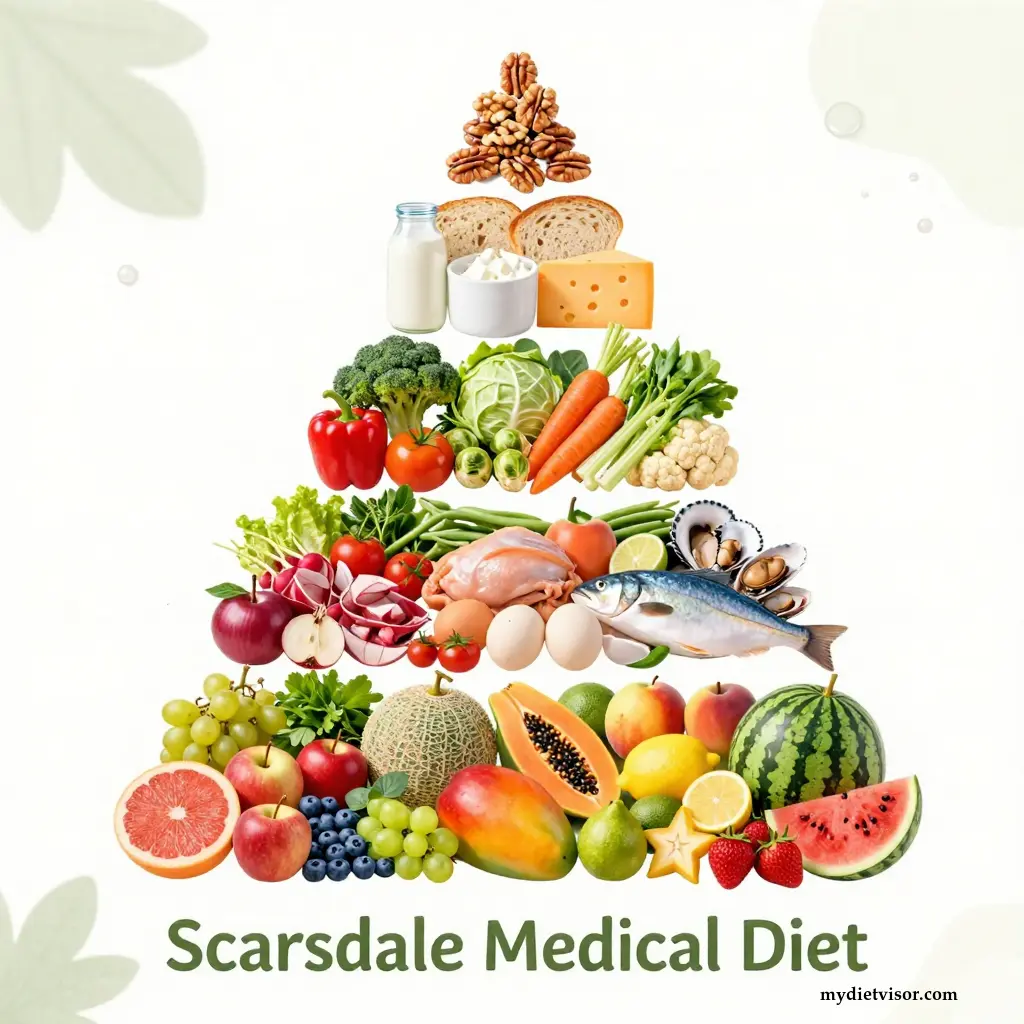
The Scarsdale medical diet severely limits food choices but includes specific groups that are permitted during the strict two-week period. Here’s a closer look at what you can eat:
- Meat and Poultry: Chicken, turkey, beef (lean cuts), pork (moderate amounts). These sources provide essential proteins needed for muscle maintenance.
- Fish: Cod, salmon, tuna, halibut. Fish are excellent choices due to their high protein content and omega-3 fatty acids.
- Eggs: Scrambled or hard-boiled eggs serve as a quick breakfast option rich in proteins and vitamins.
Dairy Products
Low-fat dairy products like skim milk and cottage cheese are allowed but must be consumed in moderation. These items provide calcium, which is crucial for bone health despite the diet’s low-calorie nature:
- Cottage Cheese: A good source of protein that can be eaten as a snack or mixed into other meals.
- Skim Milk: Offers essential nutrients without significant caloric contribution.
Fruits and Vegetables
Fruits (limited to apples, bananas) and vegetables are included but with strict portion control. They provide necessary vitamins and minerals:
- Vegetables: Broccoli, carrots, spinach, tomatoes are typically part of the lunch and dinner meals.
- Fruits: Apples and bananas can be eaten in small quantities for additional fiber and nutrients.
Whole Grains (Limited)
Some versions of the diet allow a very limited amount of whole grains:
- Whole Grain Bread: One slice per day might be permissible, providing some fiber but still keeping total carbohydrate intake low.
Nutritional Deficiencies
While the diet does provide essential proteins and fats from permitted food groups, it lacks several important nutrients due to its restrictive nature. This can lead to deficiencies in vitamins like A and B2 (riboflavin), which are abundant in foods excluded by the regimen:
- Vitamin A: Found in whole grains, nuts, seeds, and full-fat dairy products not allowed on the diet.
- Riboflavin (B2): Also present in these restricted items, leading to potential deficiencies if consumed sparingly.
Long-Term Implications
Despite its promise of quick weight loss, long-term adherence can result in significant health risks. The severe restrictions make it difficult for many individuals to maintain the diet beyond two weeks:
- Sustainability: Most people find it hard to stick with such strict rules over extended periods.
- Mental Strain: Constantly limiting food choices can lead to feelings of deprivation and frustration.
Balanced Alternatives
Considering these limitations, a more balanced approach focusing on whole foods might offer better long-term health benefits. This includes:
- Whole Grains: Incorporating oats, quinoa, brown rice for sustained energy.
- Legumes: Adding lentils, beans to meals increases fiber and protein intake.
- Healthy Fats: Including avocados, nuts, seeds enhances overall nutrient profile.
By adopting a diet rich in diverse food groups, individuals can achieve healthier weight loss goals without risking nutritional deficiencies or long-term health issues.
Forbidden or Limited Foods in the Scarsdale Medical Diet
The Scarsdale medical diet imposes strict limitations on a wide range of food items to achieve its goal of rapid weight loss. These restrictions extend beyond just cutting out sweets and processed foods, encompassing entire categories that are essential for balanced nutrition.
Prohibited Foods
- Fruits (Initially): Many fruits like oranges, grapes, and berries were initially off-limits due to their sugar content.
- Whole Grains: Complex carbohydrates found in oats, brown rice, quinoa, and whole wheat products are severely restricted or banned entirely.
- Legumes: Beans, lentils, chickpeas, and other legumes, which are rich sources of fiber and protein, are not allowed.
- Nuts & Seeds: Healthy fats from nuts and seeds like almonds, walnuts, flaxseeds, and chia seeds are prohibited due to their high caloric content.
Limited Foods
Some versions of the diet allow very small quantities of certain items but still impose strict controls:
- Whole Grain Bread: Only one slice per day might be permitted for some dieters.
- Fats & Oils: No cooking oils or spreads like butter, margarine, or olive oil are allowed, severely limiting how foods can be prepared.
Why These Restrictions?
The rationale behind these prohibitions is centered around reducing carbohydrate intake to trigger ketosis and promote fat burning. However, this extreme approach often neglects the broader context of nutritional needs:
- Energy Levels: The lack of complex carbohydrates can lead to fatigue and a drop in energy levels.
- Digestive Health: With limited fiber from whole grains and legumes, constipation is a common side effect among dieters.
- Long-Term Impact: Over time, the severe restrictions can create negative associations with food, making it challenging to maintain healthy eating habits.
Alternative Approaches
While the Scarsdale diet may offer quick results, many health experts recommend exploring more sustainable alternatives:
- Balanced Diets: Incorporating a variety of foods from all major groups ensures adequate nutrient intake.
- Portion Control: Managing portions rather than completely cutting out food groups can help maintain weight loss without nutritional deficiencies.
By understanding the restrictions and potential drawbacks of the Scarsdale medical diet, individuals can make informed decisions about their health goals and choose approaches that support long-term wellness.
Nutritional Benefits of the Scarsdale Medical Diet
Despite its restrictive nature, the Scarsdale medical diet does offer some nutritional benefits, particularly in the short term. For individuals looking to lose weight quickly, this diet can provide a clear and straightforward approach:
- High Protein Intake: The emphasis on protein-rich foods helps maintain muscle mass during rapid weight loss.
- Simplified Meal Planning: With strict guidelines, there’s little room for overeating or indulging in unhealthy snacks.
Short-Term Gains
In the short term, individuals may notice a drop in weight due to reduced calorie intake. This can be motivating for those seeking quick results:
- Rapid Weight Loss: Many report losing several pounds within the first week.
- Energy Levels: The initial phase of weight loss might provide bursts of energy as the body burns fat stores.
Nutritional Drawbacks and Potential Health Risks
Despite its promise, the Scarsdale medical diet comes with significant nutritional drawbacks that can pose long-term health risks. One major concern is the severe restrictions on essential food groups:
- Nutrient Deficiencies: The absence of whole grains, legumes, nuts, seeds, fruits (initially), and full-fat dairy products can lead to deficiencies in vital nutrients like fiber, iron, calcium, magnesium, and vitamins A and B2.
Long-Term Sustainability
The sustainability of the diet is another critical issue. While it may be effective for short-term weight loss, maintaining such restrictive eating habits over an extended period is challenging:
- Yo-Yo Effect: Once dieters stop following the regimen, they often regain lost weight due to the difficulty in adhering to such strict rules.
- Mental Health Impact: Constantly limiting food choices can contribute to feelings of deprivation and frustration, potentially leading to binge eating or other unhealthy behaviors.
Side Effects
The diet’s severe calorie restriction and lack of certain nutrients may also cause various side effects:
- Digestive Issues: The low fiber intake from restricted grains and vegetables can lead to constipation.
- Nutritional Imbalance: Consuming too much protein without adequate carbohydrates can put a strain on the kidneys, leading to potential kidney issues in the long term.
Comparison Table
| Nutrient | Recommended Daily Intake (RDI) | Scarsdale Medical Diet Intake |
|---|---|---|
| Fiber | 25-30g | Low due to restricted foods |
| Calcium | 1,000mg | Limited from dairy |
| Iron | 8-18mg (depending on age) | Restricted from whole grains and legumes |
| Vitamin A | 700-900mcg | Low due to fruit restrictions |
| Vitamin B2 | 1.1-1.3mg | Limited by dairy restrictions |
Alternative Approaches
Considering these drawbacks, many health professionals recommend exploring more balanced alternatives:
- Whole Foods Focus: A diet rich in whole grains, legumes, fruits, vegetables, nuts, and seeds offers a wider range of nutrients.
- Moderation: Eating smaller portions of all food groups rather than eliminating entire categories can be more sustainable.
Personal Reflection
As you contemplate whether the Scarsdale medical diet is right for you, consider your long-term health goals. While quick results may seem appealing, they often come at a cost to overall well-being:
- Ask Yourself: Are rapid weight loss methods worth potential nutritional deficiencies and mental strain?
- Explore Alternatives: Researching diets that promote sustainable weight loss through balanced eating and lifestyle changes might be more beneficial in the long run.
By understanding both the benefits and drawbacks of the Scarsdale medical diet, you can make a more informed decision about your health journey.
Sample Meal Plan on the Scarsdale Medical Diet
The Scarsdale medical diet follows a strict daily meal plan that includes specific guidelines for each meal. Here’s an example of what your typical day might look like:
- Breakfast: Start with two hard-boiled eggs, one slice of turkey bacon, and half an apple or banana.
- Lunch: Enjoy grilled chicken breast with steamed broccoli and carrots. Add a small portion of whole grain bread if allowed by the version of the diet you are following.
- Dinner: Have baked fish like cod or halibut served with a salad made from spinach, tomatoes, and a limited amount of strawberries or blueberries.
Meal Prep Tips
Preparing meals in advance can make sticking to the Scarsdale diet easier. Here’s how you might plan your week:
- Morning Routine: Boil eggs at night for breakfast the next morning. Slice up turkey bacon and prepare half an apple.
- Lunch Ideas: Grill chicken breasts on Sunday evening, then portion them out into meal containers along with prepped vegetables like broccoli and carrots.
- Dinner Options: Bake fish during the week or cook a large batch of salad ingredients to mix and match throughout the week.
Snack Suggestions
The diet allows for limited snacks between meals:
- Fruit Snacks: An apple, banana, or small handful of blueberries can serve as midday pick-me-ups.
- Dairy Options: A few ounces of low-fat cottage cheese or a glass of skim milk provide protein and calcium.
Practical Considerations
While the diet promises quick results, adhering to such strict meal plans can be challenging:
- Food Variety: The repetitive nature of the meals can lead to boredom. Try varying cooking methods (grilled, baked) and seasonings to keep meals interesting.
- Mental Well-being: Constantly limiting food choices might cause feelings of deprivation, impacting mental health negatively over time.
Alternative Approaches
Considering the potential drawbacks, exploring more sustainable options could be beneficial:
- Balanced Diets: Incorporate a variety of foods from all major groups ensures adequate nutrient intake.
- Portion Control: Manage portions rather than completely cutting out food groups to help maintain weight loss without nutritional deficiencies.
By understanding both the benefits and risks associated with the Scarsdale medical diet, individuals can make informed choices about their health journey.
Health Risks Associated with the Scarsdale Medical Diet
The Scarsdale medical diet’s strict limitations on food groups can lead to significant nutrient deficiencies that may affect your overall health in the long run. For example:
- Vitamin A: Found abundantly in foods like carrots, sweet potatoes, and leafy greens, which are excluded from the diet.
- Iron and Calcium: These minerals are crucial for bone health and blood production but can be lacking when you avoid whole grains, legumes, and full-fat dairy products.
Cardiovascular Concerns
The high protein intake recommended by the Scarsdale medical diet may put strain on your heart and kidneys. While moderate consumption of lean proteins is beneficial, excessive amounts without adequate fiber and carbohydrates can lead to health issues:
- Kidney Strain: The body needs to work harder to process excess protein, potentially causing stress on kidney function.
- Heart Health: A diet high in saturated fats (from permitted meats) but low in heart-healthy fats like omega-3s from fish oils might not be optimal for cardiovascular health.
Psychological Impact
The psychological effects of adhering to the Scarsdale medical diet should also be considered. The rigid structure can lead to a negative relationship with food:
- Eating Disorders: Continuous restriction and deprivation can foster unhealthy eating behaviors, increasing the risk of developing or exacerbating existing eating disorders.
- Feeling Deprived: Limiting your choices so severely might cause feelings of dissatisfaction, making it difficult to maintain long-term adherence.
Long-Term Consequences
Long-term use of such a restrictive diet could have lasting impacts on your physical and mental health:
- Metabolic Imbalance: Severe caloric restriction can slow down metabolism, leading to weight gain once you start eating normally again.
- Bone Health Risks: Calcium deficiency from the absence of full-fat dairy products can increase the risk of osteoporosis.
Real-Life Examples
Understanding these risks becomes clearer when looking at real-life examples:
- Patient A: After following the diet for two weeks, Patient A experienced significant weight loss but also felt fatigued and irritable. Upon resuming normal eating habits, they gained back the lost weight quickly.
- Patient B: Someone who adhered to the diet over several months reported feeling constantly hungry and weak, despite losing some weight initially.
The Importance of Balance
Considering these examples highlights why balance is crucial in any dietary approach:
- Balanced Diet: Incorporating a variety of foods ensures you get all necessary nutrients without severe restrictions.
- Mindful Eating: Practicing mindful eating can help maintain healthy habits and prevent the cycle of restrictive diets leading to overeating.
Final Thoughts
As you weigh your options, remember that quick fixes often come at a cost. While rapid weight loss might seem appealing now, it’s essential to consider long-term health when choosing a diet plan:
- Ask Yourself: Is this approach sustainable for my lifestyle?
- Seek Alternatives: Explore diets like Mediterranean or DASH that focus on whole foods and balanced nutrition.
By taking these factors into account, you can make a more informed decision about what’s best for your body in the long run.
Does the Scarsdale Medical Diet Promote Sustainable Weight Loss?
The Scarsdale medical diet might offer quick results in the short term, but its long-term sustainability is questionable. As you weigh whether to embark on this restrictive regimen, consider how it aligns with your health goals beyond immediate weight loss.
Sustainable Weight Loss Approaches
A more sustainable approach focuses on gradual, steady progress rather than rapid changes:
- Whole Foods: Emphasizing whole foods such as fruits, vegetables, lean proteins, and healthy fats provides a broader spectrum of nutrients essential for overall health.
- Balanced Meals: Incorporating all food groups in moderation ensures you get the necessary vitamins and minerals without feeling deprived.
Mental Health Considerations
The psychological aspect is crucial when considering any diet. The Scarsdale diet’s extreme restrictions might trigger feelings of deprivation, leading to unhealthy relationships with food:
- Mindful Eating: Practicing mindful eating encourages listening to your body’s hunger cues and stopping when satisfied.
- Positive Relationship with Food: A balanced approach fosters a healthier mindset towards eating, reducing the risk of developing disordered eating behaviors.
Real-Life Scenarios
Imagine two different scenarios after starting the Scarsdale diet:
Scenario 1: Quick Fix Frustration
You start feeling exhausted and irritable due to severe calorie restriction. After two weeks of rapid weight loss, you find it challenging to maintain such strict rules. As a result, you revert to old eating habits, leading to quick regain of lost weight.
Scenario 2: Balanced Journey Success
Instead, you adopt a balanced approach focusing on whole foods and mindful eating. While the initial progress might be slower, your body adapts better over time without severe nutritional deficits or mental strain. This gradual improvement supports long-term health goals sustainably.
Expert Opinions
Medical professionals often recommend diets that promote gradual changes in habits rather than drastic measures:
- Registered Dietitians: They suggest a balanced diet rich in whole foods and regular physical activity for sustainable weight loss.
- Cardiologists: Stress the importance of heart-healthy fats, whole grains, and legumes to prevent cardiovascular issues associated with severe caloric restriction.
Conclusion So Far
As you navigate your health journey, it’s essential to weigh the immediate benefits against potential long-term risks. While the Scarsdale diet promises quick results through extreme measures, adopting a more balanced approach might yield healthier outcomes:
- Ask Yourself: Are short-term gains worth long-term nutritional deficiencies and mental stress?
- Explore Alternatives: Research diets like Mediterranean or DASH that offer sustainable weight loss with a focus on whole foods and balanced nutrition.
By considering these factors, you can make an informed decision about which dietary approach aligns best with your health goals and lifestyle.
Is the Scarsdale Medical Diet Suitable for Everyone?
Considering the strict nature of the Scarsdale medical diet, one must question whether it’s appropriate for everyone seeking to lose weight. This diet is not a universal solution due to its severe limitations and potential health risks.
Individual Health Considerations
The suitability of any diet depends on your individual health status, dietary needs, and personal goals:
- Medical Conditions: People with certain medical conditions such as diabetes, thyroid disorders, or heart disease may find the Scarsdale diet particularly risky. These individuals often require a more tailored approach to nutrition that accounts for their specific health requirements.
- Nutritional Needs: Individuals who are highly active or have higher protein and calorie needs might struggle to meet these requirements while following the restrictive regimen of the Scarsdale diet.
Age and Lifestyle Factors
Age plays a crucial role in how your body processes nutrients and responds to dietary changes:
- Young Adults: For younger individuals, focusing on balanced meals that include all essential food groups can support healthy growth and development.
- Elderly Population: Older adults may have different nutritional needs, especially concerning bone health. Restricting calcium-rich foods as the Scarsdale diet does could lead to an increased risk of osteoporosis.
Mental Health Implications
The mental aspect of dietary habits is just as important as physical considerations:
- Mental Well-being: The rigid structure of the Scarsdale medical diet can trigger feelings of deprivation and dissatisfaction, potentially leading to disordered eating patterns.
- Sustainable Habits: Encouraging a balanced approach that fosters positive relationships with food helps build sustainable habits without causing mental strain.
Real-Life Stories
Understanding personal stories can provide insights into whether the Scarsdale medical diet works for different individuals:
Success Story: Short-Term Wins
Case Study A: An individual looking to fit into an outfit quickly found success in losing 10 pounds within two weeks. However, after resuming normal eating habits, they regained weight rapidly due to a lack of sustainable practices.
Warning Tale: Long-Term Struggles
Case Study B: Another person who adhered strictly for several months experienced fatigue and irritability, leading them to abandon the diet entirely. This scenario highlights the potential difficulties in maintaining such restrictive rules long-term.
Finding Your Fit
To determine if the Scarsdale medical diet is right for you:
- Consult Professionals: Speak with a healthcare provider or registered dietitian who can assess your unique needs and suggest more suitable alternatives.
- Explore Balanced Diets: Look into diets like Mediterranean, DASH, or others that focus on whole foods and balanced nutrition to support sustainable weight loss.
Final Thoughts
The Scarsdale medical diet’s promise of rapid results comes with significant risks and limitations. While it might work for some in the short term, its restrictive nature often leads to unsustainable outcomes:
- Ask Yourself: Does your health goal align better with quick fixes or long-term wellness?
- Choose Wisely: Prioritizing balanced nutrition and sustainable habits can provide lasting benefits without risking long-term health.
By considering these factors, you can make a more informed decision about which dietary approach best suits your unique needs and lifestyle.
Alternative or Similar Diets to the Scarsdale Medical Diet
When considering the Scarsdale medical diet, it’s important to explore other dietary options that offer more sustainable weight loss strategies while minimizing health risks. Several diets share similarities in structure but emphasize balance and inclusivity over strict restrictions.
Low-Carb Diets: A Healthier Approach?
Low-carb diets like Atkins and Keto are often compared to the Scarsdale diet due to their focus on protein intake and reduced carbohydrate consumption. However, these alternatives tend to be more flexible:
- Atkins Diet: Divided into phases that gradually reintroduce carbohydrates as weight loss progresses.
- Keto Diet: Emphasizes high-fat foods along with low carbs but allows for a wider variety of proteins than the Scarsdale diet does.
Mediterranean Diet
Unlike the restrictive nature of the Scarsdale medical diet, the Mediterranean diet offers a balanced approach that includes:
- Whole Foods Focus: A wide range of fruits and vegetables, whole grains, legumes, nuts, and seeds.
- Healthy Fats: Incorporation of olive oil, avocados, nuts, and seeds supports heart health.
DASH Diet
The Dietary Approaches to Stop Hypertension (DASH) diet is another well-regarded option that promotes gradual weight loss:
- Balanced Meals: Includes a variety of food groups without severe restrictions.
- Nutrient-Rich Foods: Focuses on whole grains, fruits, vegetables, lean proteins, and low-fat dairy.
Comparison Table
| Diet | Key Features | Flexibility |
|---|---|---|
| Scarsdale Medical Diet | 1000 calories per day, high protein intake, restricts many food groups | Low |
| Atkins | High protein, low carbs, phases allow reintroduction of foods | Moderate |
| Keto | High fat, moderate protein, very low carbs | Moderate |
| Mediterranean | Emphasizes whole grains, fruits, vegetables, lean proteins | High |
| DASH | Focuses on nutrients to lower blood pressure, includes a variety of foods | High |
Benefits and Drawbacks
Each diet has its advantages and potential drawbacks:
- Atkins/Keto: Effective for quick weight loss but can lead to nutritional deficiencies if not managed carefully.
- Mediterranean/DASH: Promotes long-term health through balanced nutrition, reducing risks of heart disease and other chronic conditions.
Conclusion: Choosing the Right Path
When deciding between these diets, consider your personal health goals, dietary preferences, and lifestyle:
- Ask Yourself: What are my main priorities? Rapid weight loss or sustainable health improvement?
- Explore Options: Research different approaches to find one that aligns with your needs and supports long-term success.
By understanding the differences among various diets, you can make an informed choice that best suits your overall well-being.
The Bottom Line: Is the Scarsdale Medical Diet Worth Trying?
In conclusion, the Scarsdale medical diet offers quick results through its strict regimen but raises significant concerns regarding sustainability and overall health. While the promise of rapid weight loss can be tempting, the severe restrictions on food groups and limited caloric intake pose risks such as nutritional deficiencies, potential heart issues, and psychological stress. As you consider your health journey, it’s crucial to weigh the immediate benefits against long-term well-being. Exploring balanced alternatives like the Mediterranean or DASH diets, which emphasize whole foods and sustainable habits, may provide more lasting results without compromising your health. Ultimately, making informed choices that align with your individual needs is key to achieving long-term success.
Frequently Asked Questions (FAQ)
What are some potential long-term effects of following the Scarsdale diet?
Following the Scarsdale diet over a prolonged period can lead to significant nutritional deficiencies and may cause an unhealthy relationship with food due to its strict restrictions. It is also difficult to maintain in the long term, which often results in weight regain once you stop adhering strictly to it.
How does the Scarsdale diet compare to other medically supervised diets?
The Scarsdale diet stands out for its extreme calorie restriction and rigid food choices compared to other medically supervised diets. These alternatives typically offer more flexibility and focus on balanced nutrition, which supports long-term health and sustainability better than the Scarsdale method.
Can the Scardsale diet help with managing specific health conditions?
While it may lead to quick weight loss, which could benefit some people with obesity-related health issues, the severe restrictions of the Scarsdale diet are not recommended for anyone needing a balanced nutrition plan. It is generally not suitable for those with diabetes, kidney disease, or other chronic conditions requiring careful nutritional management.
What kind of support does one receive while on the Scarsdale medical diet?
Support options for the Scardsale diet are limited compared to more structured dietary programs. The diet relies heavily on self-discipline and adherence without much ongoing guidance from healthcare professionals unless you seek it out independently.
How do critics view the psychological impact of the Scarsdale diet?
Critics argue that the extreme nature of the diet can lead to disordered eating patterns, making individuals feel guilty or anxious about food choices outside the strict regimen. This restrictive environment is not healthy for long-term mental well-being.
Is it possible to modify the Scardsale diet to make it more sustainable and healthier?
Modifying the Scarsdale diet to incorporate a wider variety of foods while maintaining a calorie deficit could potentially make it more sustainable. However, this would deviate from its original principles, which emphasize strict adherence to specific rules.
Are there any success stories or testimonials regarding the Scardsale diet?
There are individual reports of rapid weight loss when following the Scardsale diet strictly. However, these often lack long-term follow-up, and many health professionals caution against relying on such short-term successes as a basis for choosing this diet.
What kind of physical activity is recommended while on the Scardsdale medical diet?
The official guidelines do not specify an exercise plan. However, incorporating moderate physical activity can complement weight loss efforts safely without risking nutritional deficits that could occur from overly restrictive diets like the Scardsale diet.
How does the cost of following the Scarsdale medical diet compare to other diets?
While the initial cost is relatively low due to its simplicity and reliance on common ingredients, the potential long-term costs in terms of health issues resulting from nutritional deficiencies make it less economically viable than balanced eating plans that support overall wellness.
Can someone who has never tried a restrictive diet start with the Scardsale diet?
For individuals new to dietary restrictions, starting with such an extreme regimen as the Scardsale diet may be overwhelming and unsustainable. It’s often better to begin with more gradual changes like adding more fruits and vegetables or reducing sugar intake before moving onto stricter diets.