What is the Sonoma Diet?

The Sonoma Diet is a lifestyle plan developed by nutritionist Connie Guttersen as an adaptation of the Mediterranean diet, focusing on promoting healthy eating habits that emphasize flavor and nutrition. Imagine stepping into the picturesque wine country of Northern California, where rolling hills are dotted with vineyards and every meal feels like a celebration of life’s simple pleasures. This is the essence of the Sonoma Diet – an approach to eating that mirrors the vibrant lifestyle found in this charming region.
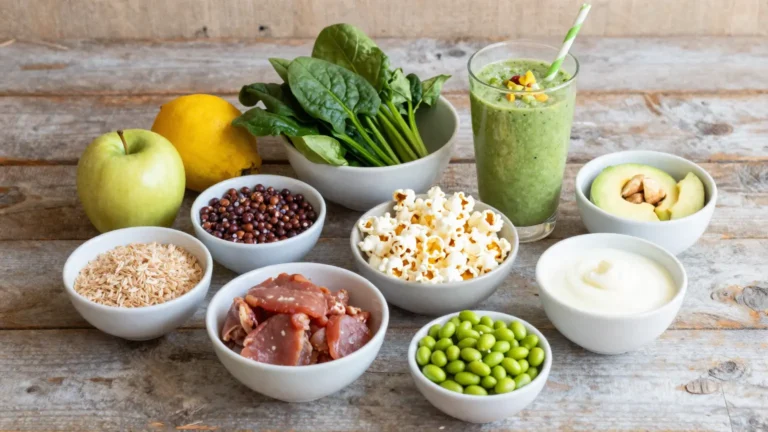
At its core, the Sonoma Diet encourages you to savor nutritious foods rich in flavor while maintaining balance and moderation. It draws inspiration from the well-known Mediterranean diet but adds a unique twist with a focus on specific “power foods” that are believed to offer exceptional health benefits. These include almonds for their heart-healthy fats, blueberries for their antioxidant properties, and spinach for its high vitamin content. By integrating these superfoods into your daily meals, you not only enjoy delicious flavors but also support your body’s overall well-being.
The Sonoma Diet isn’t just about what you eat; it’s also mindful of how much you consume. With an emphasis on portion control, this plan guides you towards a healthier relationship with food without feeling deprived or restricted. You’ll learn to recognize fullness cues and appreciate the satisfaction that comes from eating smaller, nutrient-dense meals. This approach helps foster sustainable habits for long-term weight management and improved health.
How Does the Sonoma Diet Work?
The Sonoma Diet works by incorporating key principles of the Mediterranean diet with a focus on specific power foods that enhance nutritional value. This approach encourages you to eat smaller, more frequent meals throughout the day, which helps stabilize blood sugar levels and reduces cravings for unhealthy snacks.
Power Foods in the Sonoma Diet:
- Almonds: Rich in heart-healthy monounsaturated fats.
- Blueberries: High in antioxidants that protect against oxidative stress.
- Spinach: Loaded with vitamins A, C, K, and iron.
- Broccoli: Packed with fiber and essential nutrients like vitamin C.
These foods are not only delicious but also offer significant health benefits. By integrating these power foods into your meals, you can boost your intake of vital nutrients without feeling overwhelmed by dietary restrictions.
A crucial aspect of the Sonoma Diet is its focus on portion control. Instead of cutting out entire food groups or drastically reducing calorie intake, this plan encourages mindful eating practices that help manage hunger and maintain a healthy weight. You’ll learn to appreciate the flavors and textures of your meals while avoiding overeating – a common pitfall in many restrictive diets.
By emphasizing balanced nutrition and sensible portion sizes, the Sonoma Diet aims to foster sustainable habits rather than short-term quick fixes. This holistic approach supports long-term health goals by encouraging a positive relationship with food that promotes well-being without sacrificing enjoyment.
Did you know that the Sonoma County in California is home to over 300 wineries, making it one of the premier wine regions in the world? The diet’s focus on local produce and fresh ingredients reflects the area’s rich culinary culture.
Recommended Food Groups for the Sonoma Diet
When following the Sonoma Diet, certain food groups take center stage due to their unique health benefits and culinary appeal. These guidelines not only make meal planning easier but also ensure that you are getting a balanced intake of essential nutrients.
Vegetables and Fruits
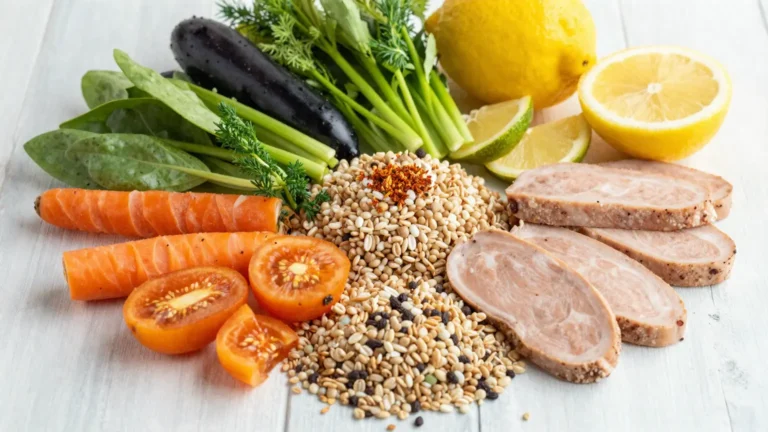
Vegetables and fruits form the foundation of the Sonoma Diet, providing a rich array of vitamins, minerals, fiber, and antioxidants. The diet encourages the consumption of a variety of colorful produce to maximize nutrient diversity. Spinach, tomatoes, broccoli, and bell peppers are highlighted for their high vitamin content and potential health benefits.
Proteins
Protein is another critical component of the Sonoma Diet, helping you feel full and supporting muscle maintenance. Lean sources such as chicken breast, fish (particularly salmon), eggs, and tofu are recommended due to their low-fat profile and excellent nutritional value. These proteins not only help manage hunger but also contribute vital amino acids necessary for overall health.
Whole Grains
Whole grains like brown rice, quinoa, and whole wheat bread provide sustained energy throughout the day while offering essential fiber. The Sonoma Diet encourages incorporating these complex carbohydrates into meals to support digestive health and stable blood sugar levels. Unlike refined grains, which are often stripped of their nutritional value, whole grains retain all parts of the grain kernel, ensuring a richer nutrient profile.
Healthy Fats
Contrary to diets that demonize fat, the Sonoma Diet promotes healthy fats from sources such as olive oil, avocados, and nuts. These fats play crucial roles in cell function and hormone production. Almonds, one of the diet’s “power foods,” are a prime example of how incorporating healthy fats can enhance flavor while boosting heart health.
Dairy
While the Mediterranean diet may include more dairy products, the Sonoma Diet often limits these to fermented varieties like yogurt or cheese due to their high probiotic content and calcium levels. These choices support bone health and gut microbiota without adding excessive calories or saturated fat.
By focusing on these food groups, the Sonoma Diet aims to create a balanced plate that satisfies both your taste buds and nutritional needs. It’s not just about what you eat but how it makes you feel – energized, nourished, and ready to enjoy every meal as part of a healthier lifestyle.
What are some of your favorite foods from this list? How do they make up an enjoyable yet nutritious part of your diet?
The Sonoma County region is known not only for its wine but also for its diverse agricultural offerings, including cheese, artisan bread, and locally grown fruits and vegetables. This richness in local produce directly influences the diet’s emphasis on fresh, flavorful ingredients.
Forbidden or Limited Foods on the Sonoma Diet
While the Sonoma Diet embraces a variety of nutritious foods, it also sets certain limitations to guide your dietary choices. Avoiding highly refined grains and sugars is a cornerstone of this approach, as these ingredients are often associated with rapid spikes in blood sugar levels and can lead to weight gain if consumed excessively.
Refined grains such as white bread, pasta made from processed flour, and sugary snacks like cookies and candies fall under the category of foods that should be limited or avoided. Instead, opt for whole grains like quinoa, brown rice, and oats, which provide sustained energy and are packed with fiber to help regulate digestion.
Another important aspect is moderation in alcohol intake. Although wine is a staple in Mediterranean diets and celebrated in Sonoma’s vibrant culture, the Sonoma Diet recommends consuming it in moderation due to its potential negative impacts on health if over-consumed. This means enjoying an occasional glass of red wine with dinner rather than relying on it as a regular part of your diet.
By steering clear of these restricted items, you can focus more on whole, unprocessed foods that offer substantial nutritional benefits and contribute positively to your overall well-being. How do you find incorporating these guidelines into your daily meals? Have you noticed any differences in how you feel when consuming refined grains versus their whole grain counterparts?
The Sonoma Diet’s approach to dietary restrictions not only aids weight management but also supports a healthier lifestyle by fostering a mindful relationship with food.
Did you know that the average person consumes about 20 teaspoons of added sugar daily, which can lead to various health issues such as obesity and diabetes?
Nutritional Benefits of the Sonoma Diet
The Sonoma Diet’s nutritional benefits stem from its focus on whole, unprocessed foods that are rich in vitamins, minerals, healthy fats, and fiber. These elements work together to support heart health, aid digestion, and provide sustained energy throughout the day.
One key benefit of the Sonoma Diet is its emphasis on antioxidants. Foods like blueberries and spinach, which are high in antioxidants, help combat oxidative stress and reduce inflammation in the body. This not only supports overall well-being but also plays a role in aging gracefully by protecting cells from damage caused by free radicals.
Another significant advantage of the diet is its inclusion of heart-healthy fats. Almonds and olive oil, both staples in the Sonoma Diet, provide monounsaturated and polyunsaturated fats that can help lower bad cholesterol (LDL) while raising good cholesterol (HDL). This balance supports cardiovascular health and reduces the risk of heart disease.
The diet also prioritizes protein sources such as lean chicken breast, fish, eggs, and tofu. These proteins are essential for muscle maintenance and repair, contributing to a feeling of fullness and supporting metabolic functions. Fish like salmon is particularly beneficial due to its omega-3 fatty acids, which have been linked to improved brain function and reduced inflammation.
Incorporating whole grains into meals provides another layer of nutritional benefits. Grains such as quinoa, brown rice, and whole wheat bread offer sustained energy due to their high fiber content. Fiber aids in digestion by preventing constipation and promoting a healthy gut microbiome. Moreover, these complex carbohydrates help regulate blood sugar levels, reducing the likelihood of energy crashes and cravings for sugary snacks.
By focusing on these nutrient-rich food groups, the Sonoma Diet helps create a balanced nutritional profile that supports various aspects of health. The combination of vitamins, minerals, antioxidants, healthy fats, proteins, and fiber not only nourishes your body but also enhances flavor through the use of fresh ingredients and simple cooking techniques.
How do you think integrating these foods into your diet could impact your daily routine? Have you noticed any improvements in how you feel or perform after incorporating more whole grains and lean proteins?
The Sonoma County Fair, one of California’s largest annual events, showcases a variety of local produce, artisanal goods, and farm-to-table cuisine that reflect the region’s commitment to fresh, healthy ingredients.
Potential Drawbacks and Limitations of the Sonoma Diet
While the Sonoma Diet offers numerous benefits, it also comes with several potential drawbacks that are important to consider. Firstly, the diet’s emphasis on specific power foods might limit variety, making it challenging to maintain over an extended period. Relying heavily on certain foods can lead to boredom and frustration, potentially causing individuals to abandon the plan altogether.
Another limitation is the lack of substantial scientific evidence supporting its claims for weight loss and long-term health benefits. While there are numerous studies validating the Mediterranean diet’s effectiveness, similar research backing the Sonoma Diet specifically is limited. This absence of concrete data can make it difficult for some individuals to trust the plan fully.
The Sonoma Diet also places restrictions on refined grains and sugars, which while beneficial from a nutritional standpoint, might be challenging for those who enjoy these items regularly. Completely cutting out processed foods and sweets can feel like deprivation, leading to cravings or feelings of frustration. Finding healthy alternatives that satisfy your taste buds without compromising your diet goals is crucial.
Moreover, the moderation in alcohol consumption may conflict with cultural norms where wine plays a significant role. While moderate drinking has been associated with potential health benefits in some studies, the Sonoma Diet’s stance on limiting or avoiding it might not align with everyone’s lifestyle or preferences. Balancing social activities that often involve alcohol with dietary guidelines can be challenging.
Lastly, individual nutritional needs vary, and adhering strictly to a one-size-fits-all diet may not cater effectively to unique requirements such as those of pregnant women or individuals with specific health conditions like diabetes. It is essential to consult a healthcare provider before starting any new diet plan to ensure it meets your individual needs.
By being aware of these potential drawbacks, you can better tailor the Sonoma Diet to suit your personal circumstances and preferences, making it more sustainable in the long run.
Have you ever felt overwhelmed by dietary restrictions that left you craving your favorite indulgences? How did you manage to stay on track without feeling deprived?
How do you think addressing these limitations might improve your adherence to the Sonoma Diet over time?
Sample Meal Plan for the Sonoma Diet
Creating a meal plan that aligns with the principles of the Sonoma Diet can be both enjoyable and straightforward once you understand which ingredients to prioritize. Below is an example of what a day on the Sonoma Diet might look like, focusing on balanced meals rich in flavor and nutrition.
Breakfast: Spinach and Tomato Omelet
Start your day with a fresh omelet packed with spinach and tomatoes. This meal provides a burst of vitamins A and C along with protein from eggs to keep you full until lunchtime. Here’s how to make it:
- Heat olive oil in a non-stick skillet.
- Add chopped onions, garlic, spinach, and diced tomatoes; sauté until soft.
- Pour in whisked eggs and let them cook gently on both sides.
Serve this with a side of whole grain toast for additional fiber and energy.
Snack: Blueberry Almond Butter
A mid-morning snack can be as simple yet satisfying as blueberries paired with almond butter spread on a slice of apple or whole wheat bread. This combination offers antioxidants, healthy fats, and sustained energy without overloading your calorie count.
Lunch: Grilled Chicken Salad
Lunch should feel like the main event of the day when following the Sonoma Diet. A grilled chicken salad topped with cherry tomatoes, spinach leaves, cucumbers, and a sprinkle of feta cheese is both refreshing and nutritious. Drizzle some olive oil and balsamic vinegar for an extra burst of flavor.
Snack: Carrot Sticks with Hummus
Dip crunchy carrot sticks into hummus made from chickpeas blended with tahini, lemon juice, garlic, and olive oil for a light but filling snack. This mix of fiber-rich vegetables and protein-packed dip keeps you energized without feeling heavy.
Dinner: Salmon with Quinoa and Broccoli
End your day on a high note with grilled salmon fillets served alongside quinoa and steamed broccoli. Here’s how to prepare it:
- Season the salmon with herbs and lemon slices, then grill until flaky.
- Cook quinoa according to package instructions using vegetable broth for added flavor.
- Steam broccoli until tender but still crisp.
This dinner provides a balanced array of protein, complex carbohydrates, and vegetables that support heart health and overall well-being.
Dessert: Greek Yogurt with Berries
For a sweet treat that fits within the Sonoma Diet guidelines, opt for plain Greek yogurt topped with fresh berries like strawberries or blueberries. This dessert is low in sugar yet rich in probiotics from the yogurt and antioxidants from the fruit.
Creating meals around the Sonoma Diet’s principles not only ensures you’re getting essential nutrients but also encourages mindful eating and appreciation of flavors. Each dish can be tailored to personal tastes, making it easier to stick with this diet long-term without feeling deprived or restricted. How do these meal ideas resonate with your dietary preferences? Do any of them inspire you to explore new recipes while sticking to the Sonoma Diet guidelines?
The Sonoma County region in California hosts over 20 culinary events annually, celebrating local produce and artisanal products that align perfectly with the diet’s emphasis on fresh ingredients.
Is the Sonoma Diet Safe? Precautions and Warnings
While the Sonoma Diet offers numerous health benefits, it’s crucial to consider potential safety concerns and take necessary precautions. The diet’s emphasis on specific power foods can lead to nutritional imbalances if not properly balanced with a wide variety of other healthy options. Relying solely on these recommended foods might result in deficiencies in certain vitamins and minerals that are found abundantly in other food groups.
For instance, while blueberries offer exceptional antioxidant benefits, they lack essential nutrients such as vitamin D and calcium, which are critical for bone health and immune function. Similarly, almonds provide heart-healthy fats but do not supply the full range of B-vitamins necessary for energy metabolism and nerve function. Therefore, it’s important to include a diverse array of fruits, vegetables, proteins, and dairy products in your diet to ensure comprehensive nutritional coverage.
Moreover, the Sonoma Diet’s restrictions on refined grains and sugars can be challenging for those with specific dietary preferences or habits. Completely eliminating these items might lead to feelings of deprivation, which could result in binge eating or abandoning the plan altogether. Finding healthy alternatives that satisfy your cravings without compromising your diet goals is essential. For example, swapping white bread for whole grain options like spelt or rye can provide a similar taste while offering better nutritional benefits.
Another key consideration is the moderation of alcohol consumption, especially since wine plays an integral role in Mediterranean and Sonoma cultures. While moderate drinking has been linked to potential health benefits such as improved heart health, excessive intake can lead to negative consequences like liver damage and increased risk of certain cancers. Balancing social activities that often involve alcohol with the dietary guidelines of the Sonoma Diet requires thoughtful planning.
Lastly, individuals with specific health conditions or nutritional needs should exercise caution when following the Sonoma Diet. Pregnant women, for instance, require additional calories and nutrients like folic acid to support fetal development. Similarly, those managing diabetes need careful carbohydrate control and may find it difficult to adhere strictly to this diet’s guidelines without professional guidance.
To ensure safety while reaping the benefits of the Sonoma Diet, consulting a healthcare provider or registered dietitian is highly recommended. They can help tailor the plan to your specific needs and monitor your progress closely to prevent any potential nutritional deficiencies or adverse health effects. How do you think personalized dietary advice could enhance your experience with the Sonoma Diet? Have you encountered challenges that required professional guidance?
Did you know that the Mediterranean diet, which inspired the Sonoma Diet, has been linked to lower rates of heart disease and cancer in numerous studies? This highlights the importance of adopting such diets for long-term health benefits.
Can People with Specific Conditions Follow the Sonoma Diet?
For individuals with specific health conditions such as diabetes, heart disease, or gastrointestinal issues, following the Sonoma Diet requires careful consideration. The diet’s guidelines can be adapted to meet individual needs but might require personalized adjustments under professional supervision.
Diabetes
Individuals managing diabetes need a balanced intake of carbohydrates to maintain stable blood sugar levels without causing spikes and crashes. While the Sonoma Diet emphasizes whole grains and complex carbs, it also limits refined sugars and starches. This approach is beneficial for diabetics as it helps regulate insulin response. However, the diet’s emphasis on portion control and regular meal timing can be particularly useful in managing diabetes by preventing fluctuations in blood sugar.
Heart Disease
The Sonoma Diet’s focus on healthy fats from sources like olive oil and almonds aligns well with dietary recommendations for heart health. These foods help lower bad cholesterol (LDL) levels while increasing good cholesterol (HDL). Including power foods such as blueberries, spinach, and broccoli also supports cardiovascular health by providing antioxidants and essential vitamins that reduce inflammation and oxidative stress.
Gastrointestinal Issues
People with digestive conditions like irritable bowel syndrome (IBS) or inflammatory bowel disease (IBD) may benefit from the Sonoma Diet’s emphasis on fiber-rich whole grains, fruits, and vegetables. These foods can aid in digestion and alleviate symptoms such as constipation and diarrhea. However, individuals with IBS should pay attention to FODMAP content in certain vegetables like broccoli, which might need to be consumed in moderation.
Pregnancy and Breastfeeding
For pregnant women or those who are breastfeeding, the Sonoma Diet’s limitations on refined grains and sugars can pose challenges due to increased nutritional needs during these periods. Pregnant women require additional calories, protein, iron, folic acid, and other nutrients to support fetal development. While whole grains provide essential fiber and vitamins, they might not offer enough caloric density for pregnant women who need more energy.
Bone Health
Elderly individuals or those with bone-related conditions such as osteoporosis should consider the Sonoma Diet’s recommendations on dairy products. The diet suggests limiting consumption of full-fat dairy in favor of fermented varieties like yogurt and cheese, which are rich in probiotics and calcium. These choices support bone health while avoiding excessive intake of saturated fats.
Kidney Disease
Individuals with kidney disease need to be cautious about their protein and potassium intake. While the Sonoma Diet includes lean proteins such as chicken breast and fish, these sources should be carefully monitored due to potential strain on renal function. Consulting a dietitian specializing in renal diets can help tailor the Sonoma Diet to accommodate specific needs without compromising nutritional requirements.
By understanding how the Sonoma Diet interacts with various health conditions, individuals can make informed decisions about its suitability for their unique circumstances. It’s essential to consult healthcare providers or registered dietitians who can offer personalized advice and monitor your progress closely to ensure safety and effectiveness.
Did you know that a balanced Mediterranean-style diet like the Sonoma Diet has been shown in multiple studies to reduce the risk of type 2 diabetes by up to 30%? This underscores its potential benefits for individuals managing or at risk of developing this condition.
Alternative Diets to the Sonoma Diet: A Comparison Guide
When considering alternative diets to the Sonoma Diet, it’s essential to explore options that align with similar principles of healthful eating and balanced nutrition. Some popular alternatives include the DASH diet, the Flexitarian diet, and the Paleo diet.
DASH (Dietary Approaches to Stop Hypertension) Diet
The DASH diet focuses on lowering blood pressure through a nutrient-rich meal plan that includes plenty of fruits, vegetables, whole grains, lean proteins, and low-fat dairy. It shares some commonalities with the Sonoma Diet in its emphasis on reducing sodium intake and incorporating high-fiber foods.
| Key Features | DASH Diet | Sonoma Diet |
|---|---|---|
| Focus | Lowering blood pressure and cardiovascular health | Weight loss and balanced nutrition |
| Sodium | Strictly limited to reduce hypertension risks | Moderately restricted but focuses on heart-healthy fats |
| Fruits/Veggies | 8-10 servings daily, emphasizing potassium, magnesium, and calcium intake | Emphasizes variety of produce for antioxidants and vitamins |
Flexitarian Diet
The Flexitarian diet is a more flexible approach that encourages primarily plant-based eating while allowing occasional consumption of meat products. This diet promotes sustainability and health benefits by integrating vegetarian meals into one’s regular routine.
| Key Features | Flexitarian Diet | Sonoma Diet |
|---|---|---|
| Focus | Plant-based meals with flexibility for meat intake | Weight loss through healthy fats, proteins, and whole grains |
| Meat | Occasional lean meats and eggs allowed | No strict limitations on meat but emphasizes other protein sources like fish and legumes |
| Flexibility | High degree of personalization based on individual needs | Moderately flexible with room for adjustments |
Paleo Diet
The Paleo diet is rooted in consuming foods similar to those that would have been available during the Paleolithic era, focusing on meat, fish, fruits, vegetables, nuts, and seeds. It avoids processed foods, grains, legumes, dairy products, and refined sugars.
| Key Features | Paleo Diet | Sonoma Diet |
|---|---|---|
| Focus | Reverting to a hunter-gatherer diet for optimal health | Weight loss and heart-healthy nutrition |
| Grains | Completely avoided due to anti-nutrients like lectins | Emphasizes whole grains as a source of fiber and nutrients |
| Processed Foods | Strictly prohibited | Limited but allows some processed foods like olive oil |
Each of these diets offers unique benefits and restrictions that cater to different dietary preferences and health goals. By comparing them side-by-side, individuals can make informed decisions based on their specific needs and lifestyles.
Which diet do you think best aligns with your personal eating habits and health objectives? How might incorporating elements from the Sonoma Diet into another plan enhance its effectiveness for you?
Did you know that the Flexitarian diet has been shown to lower body mass index (BMI) by up to 4% more effectively than a traditional vegetarian diet over a year-long period, according to recent studies? This highlights its potential as a sustainable and healthy dietary choice.
Summary of Key Points on the Sonoma Diet
In summary, the Sonoma Diet is a lifestyle plan inspired by the Mediterranean diet, focusing on smaller portions of nutritious, flavorful food and the inclusion of ten “power foods” that are believed to offer exceptional health benefits. By promoting heart-healthy fats, antioxidants, and balanced nutrition through whole grains, fruits, vegetables, lean proteins, and healthy fats, this diet aims to support weight loss and overall well-being. However, while it aligns with many principles backed by scientific research, there is a need for more specific evidence regarding its efficacy for weight management. As with any dietary change, it’s crucial to consult healthcare professionals to ensure the plan meets individual nutritional needs, especially for those with specific health conditions or pregnant and breastfeeding women who may require additional considerations.
Frequently Asked Questions (FAQ)
What is the main focus of the Sonoma Diet compared to other diets?
The Sonoma Diet focuses on eating smaller portions and a well-balanced diet that includes nutritious foods like fruits, vegetables, whole grains, legumes, fish, and olive oil. It’s inspired by the Mediterranean diet but allows for flexibility with different cuisines and cultural food preferences.
Is it safe to follow the Sonoma Diet during pregnancy?
There isn’t enough reliable information about the safety of the Sonoma Diet specifically during pregnancy or while breastfeeding. However, if you ensure your nutritional needs are met and avoid alcohol consumption, there is no reason to expect safety issues. It’s best to consult a healthcare provider for personalized advice.
Does the Sonoma Diet help with weight loss?
The Sonoma diet aims at promoting healthy eating habits and portion control to support weight loss by eliminating foods high in refined grains and sugars that can contribute to weight gain.
Are there any side effects of following the Sonoma Diet long term?
There is not enough reliable information about specific side effects. If you adhere to nutritional guidelines and consume a balanced diet, it’s unlikely to cause adverse reactions, but individual results may vary.
How does the Sonoma Diet compare in terms of sustainability with other diets like Keto or Paleo?
The Sonoma Diet emphasizes flexibility and balance, which can make it more sustainable for long-term use compared to stricter diets like Keto or Paleo. However, its effectiveness varies from person to person depending on individual dietary needs and preferences.
Can I eat my favorite foods while following the Sonoma Diet?
Yes, the Sonoma Diet encourages adapting Mediterranean principles with your personal food preferences. You can enjoy dishes from different cuisines as long as they fit within nutritious guidelines.
Is red wine allowed in the Sonoma Diet plan?
Red wine is a part of traditional Mediterranean diet practices but should be avoided during pregnancy and breastfeeding according to the Sonoma Diet’s guidelines for safety reasons.
What types of snacks are recommended on the Sonoma Diet?
Snacks that align with the principles of the Sonoma Diet include fruits, nuts, yogurt, vegetables with hummus, or a small handful of whole-grain crackers. These provide sustained energy and nutrition without causing blood sugar spikes.
Does the Sonoma Diet require counting calories?
The Sonoma Diet focuses more on portion control and mindful eating rather than strict calorie counting. It encourages listening to your body’s hunger cues and eating until you feel satisfied, not overly full.
Are there any specific recipes or cookbooks that align with the Sonoma Diet principles?
Several cookbooks focusing on Mediterranean cuisine can be adapted to fit the Sonoma Diet guidelines, such as those featuring dishes from Italy, Greece, and Spain. These often include plenty of fruits, vegetables, whole grains, fish, and olive oil which are central to the diet’s philosophy.