
What is the EatRight Diet?
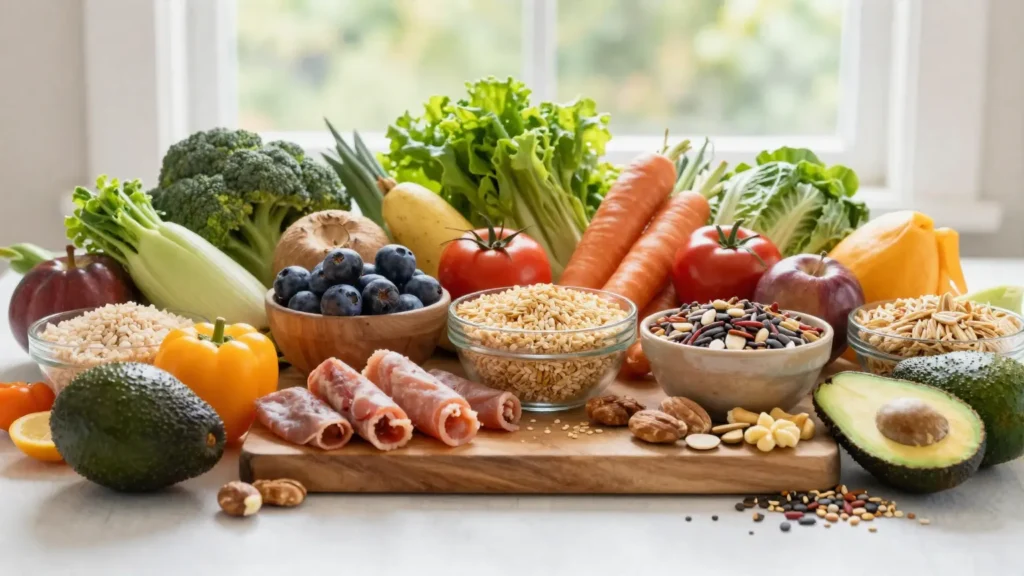
EatRight is not just another fad diet; it’s a culturally adapted intervention designed to help individuals achieve significant weight loss while improving their overall quality of life. Unlike conventional diets that might feel restrictive or disconnected from your daily reality, the EatRight Diet embraces the unique cultural nuances and preferences of its participants. This approach makes the journey towards healthier living more relatable and sustainable.
Imagine stepping into a community where everyone understands and respects your cultural background. That’s exactly what the EatRight Diet offers. It’s tailored to resonate with specific cultural values and lifestyle habits, making it easier for individuals to adhere to the dietary changes over time. By focusing on collective learning through group sessions rather than solitary efforts, participants feel supported every step of the way.
These group sessions are not just informative; they are designed based on feedback from the community itself, ensuring that the content is relevant and engaging. The goal isn’t to force drastic or sudden changes but to integrate healthier eating habits into daily routines seamlessly. This method has shown promising results among African American women working in professional settings, where participants experienced an average weight loss of 2.6 kg during the intervention period.
In essence, EatRight is more than a diet; it’s a cultural journey towards better health, supported by community and rooted in understanding. It’s about making healthy choices feel natural and enjoyable within your unique cultural context. Are you ready to embark on this culturally sensitive path to weight loss?
Recommended Food Groups for Optimal Nutrition on EatRight
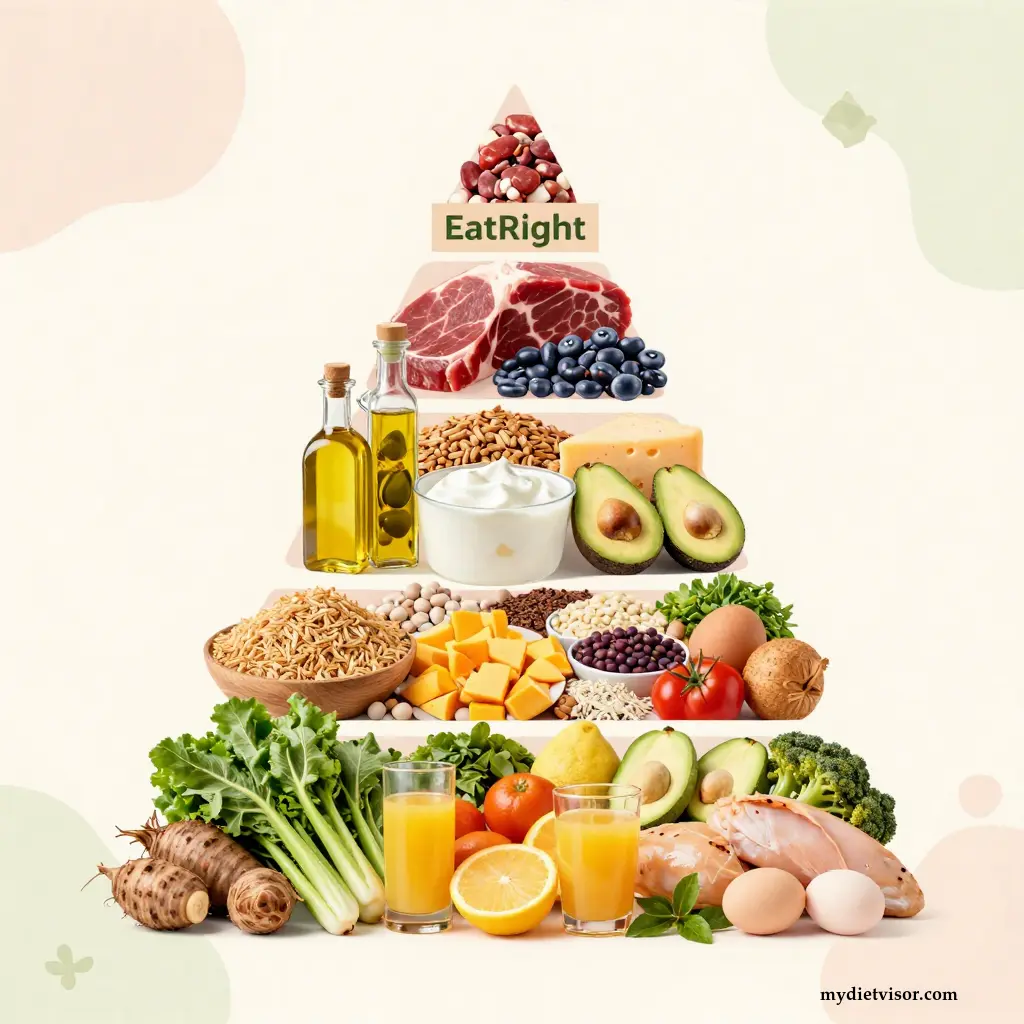
When it comes to the EatRight Diet, one of its cornerstone principles is the recommended food groups that form the foundation of a nutritious and balanced diet. These food groups are carefully selected to cater to the unique dietary preferences and cultural backgrounds of individuals, ensuring that nutritional needs are met without feeling restrictive.
Participants in the EatRight program are encouraged to include an abundance of fruits and vegetables in their daily meals. The variety offered by these foods not only ensures a broad range of essential nutrients but also adds flavor and enjoyment to each meal. Aim for at least five servings a day, incorporating colorful produce that represents diverse vitamins and minerals.
Whole grains are another key component, providing complex carbohydrates and fiber that support sustained energy levels throughout the day. Opt for brown rice, whole wheat bread, and oatmeal rather than refined products. These choices help regulate blood sugar and promote digestive health.
Lean proteins are vital for muscle maintenance and repair. The EatRight Diet suggests incorporating a variety of sources such as chicken breast, fish, tofu, and legumes to avoid monotony and ensure adequate intake of essential amino acids. For those who follow vegetarian or vegan diets, alternative protein sources like lentils, chickpeas, and quinoa are also highly recommended.
Dairy products, particularly low-fat options, contribute important nutrients such as calcium and vitamin D for bone health. However, the EatRight Diet recognizes that some individuals may be lactose intolerant or prefer plant-based alternatives. Fortified soy milk, almond milk, and other dairy-free choices can provide similar benefits without causing discomfort.
By focusing on these food groups, participants build meals around whole foods rather than processed items, leading to better overall health outcomes. The flexibility within the EatRight Diet allows for personalization based on individual dietary restrictions or cultural traditions, making it a practical approach for long-term adherence.
For instance, during community sessions, nutritionists often discuss how to incorporate these food groups into traditional dishes in ways that are both familiar and nutritious. Think about adapting classic soul food favorites like collard greens and black-eyed peas by using lean cuts of meat and whole grains instead of highly processed ingredients. This approach not only respects cultural heritage but also promotes health.
Would you consider trying some of the suggested changes to see how they might fit into your daily routine?
Forbidden or Limited Foods in the EatRight Plan
The EatRight Diet emphasizes inclusion rather than exclusion, but it does come with certain limitations on specific food items. These restrictions are not arbitrary; they are based on scientific evidence and cultural understanding to ensure that participants can achieve their weight loss goals without compromising their health or cultural identity.
Sugar-sweetened beverages, such as soda and sweet tea, are strictly limited in the EatRight Plan. These drinks provide empty calories with no nutritional value and can contribute significantly to calorie intake without satisfying hunger. Instead of these beverages, participants are encouraged to drink plenty of water, herbal teas, and low-fat milk.
Processed meats, including bacon, sausage, and deli meats, are also restricted in the EatRight Diet. These foods tend to be high in saturated fats and sodium, which can lead to negative health outcomes such as increased cholesterol levels and hypertension. Opting for lean proteins like chicken breast, turkey, or fish is a healthier alternative that still satisfies taste preferences.
Refined grains, including white bread, pastries, and sugary cereals, are limited because they lack the nutritional benefits of whole grains. Refined grains quickly break down into simple sugars, leading to rapid spikes in blood sugar levels and subsequent crashes, which can contribute to overeating later on. Choosing whole grain options like barley, quinoa, or brown rice provides sustained energy and essential nutrients.
Fried foods are another category that is significantly reduced in the EatRight Diet due to their high fat content. While these dishes might be a staple in certain cultural diets, they often contain unhealthy fats that can increase the risk of cardiovascular diseases. Baking, grilling, or steaming food instead helps retain flavor while reducing the intake of harmful fats.
Understanding why these foods are limited is crucial for long-term success on the EatRight Diet. By making mindful choices and finding healthier alternatives, participants not only lose weight but also improve their overall health without feeling deprived. How do you think limiting these specific items will impact your daily eating habits?
Did you know that replacing just one sugary drink a day with water can lead to significant weight loss over time? This simple switch can reduce calorie intake by hundreds of calories per week, making it an easy yet effective change for anyone looking to lose weight.
Nutritional Benefits and Potential Drawbacks of Following EatRight
The EatRight Diet offers several nutritional benefits that align with its primary goal of fostering sustainable weight loss while enhancing overall well-being. By focusing on a balanced intake of fruits, vegetables, whole grains, lean proteins, and dairy alternatives, participants receive essential nutrients without feeling deprived or disconnected from their cultural practices.
One significant benefit is the promotion of heart health through reduced consumption of processed meats and fried foods, which are typically high in saturated fats and sodium. By opting for healthier protein sources like fish and tofu, participants can lower their risk of developing cardiovascular diseases. Additionally, the inclusion of whole grains and a variety of fruits and vegetables provides ample fiber, vitamins, and minerals necessary for maintaining optimal bodily functions.
Another advantage is the enhancement of metabolic health through the reduction of sugar-sweetened beverages and refined carbohydrates. These changes help stabilize blood glucose levels, preventing energy crashes that often lead to overeating or poor food choices later in the day. Maintaining steady energy levels throughout the day supports better mental focus and physical activity, contributing to a healthier lifestyle overall.
However, there are also potential drawbacks to consider when following the EatRight Diet. For instance, initial dietary adjustments can be challenging for individuals who have been accustomed to high-calorie or highly processed foods. Suddenly cutting out sugary drinks and fried foods might feel restrictive at first, potentially leading to frustration or feelings of deprivation.
Moreover, while the diet emphasizes cultural adaptation, some participants may struggle with finding suitable alternatives that align perfectly with their specific dietary restrictions or preferences. For example, individuals who rely heavily on traditional dishes like soul food might find it difficult to adjust without losing out on cherished family recipes or communal meal traditions.
Lastly, sustainability remains a critical aspect of any long-term diet plan. While the EatRight Diet is designed for gradual and sustainable changes, some participants may face challenges in maintaining these habits outside of structured group sessions or support networks. Ensuring continued access to nutritional guidance and community support can be crucial for lasting success.
In conclusion, while the EatRight Diet offers numerous benefits that contribute to improved health outcomes, it’s important to address potential drawbacks such as initial dietary adjustments, cultural adaptation challenges, and long-term sustainability issues. By acknowledging these aspects, individuals can better prepare themselves for a successful journey towards healthier living.
Sample Meal Plan to Get Started with EatRight
Starting the EatRight Diet doesn’t have to feel daunting. A well-structured meal plan makes it easier to integrate healthier choices into your daily routine while still respecting your cultural tastes and preferences. Here’s a sample day of meals to help you get started:
Breakfast:
A balanced breakfast kickstarts your metabolism and sets the tone for healthy eating throughout the day. Try this culturally adapted option:
- Steel-Cut Oatmeal: Cooked with almond milk, topped with fresh blueberries, sliced bananas, and a sprinkle of cinnamon.
- Hard-Boiled Egg: A great source of protein to keep you full until lunch.
Mid-Morning Snack:
A mid-morning snack can help stabilize blood sugar levels:
- Apple Slices with Almond Butter: This combination provides fiber from the apple and healthy fats from almond butter, keeping you energized without a crash later on.
Lunch:
For lunch, focus on incorporating a variety of vegetables and lean protein sources:
- Grilled Chicken Salad: Combine mixed greens, cherry tomatoes, cucumbers, bell peppers, and grilled chicken breast with a vinaigrette dressing made from olive oil and lemon juice.
- Whole Wheat Crackers or Whole Grain Bread: For some added fiber.
Afternoon Snack:
An afternoon snack helps maintain energy levels:
- Greek Yogurt with Honey and Walnuts: Greek yogurt is rich in protein, while walnuts offer healthy fats. A drizzle of honey adds natural sweetness without the need for processed sugars.
Dinner:
For dinner, aim to include a variety of flavors that fit your cultural background yet adhere to EatRight principles:
- Baked Tilapia with Quinoa and Steamed Vegetables: Baked tilapia is a lean protein choice. Serve it with quinoa cooked in vegetable broth for added flavor and nutritional value. Steam broccoli or green beans on the side.
Evening Snack:
If you find yourself still hungry before bed, opt for something light:
- Cottage Cheese with Pineapple: Cottage cheese provides protein, while fresh pineapple adds a touch of sweetness and natural enzymes that aid digestion.
This meal plan is just a starting point. Feel free to adapt the ingredients based on your personal preferences and cultural dishes you love but want to make healthier. For example, instead of frying collard greens, consider steaming them with garlic and onions for added flavor without extra oils. How do these meals sound? Do any of them resonate with your current diet or remind you of traditional foods that could be adapted in a healthier way?
Remember, the EatRight Diet is all about finding balance between healthful eating habits and cultural enjoyment, making weight loss feel less like deprivation and more like an enriching journey towards better well-being.
Alternative Diets Similar to EatRight: Exploring Options
When considering alternative diets similar to the EatRight Diet, it’s essential to look for options that also prioritize cultural relevance and holistic well-being. One such diet is Mediterranean Cuisine, known for its emphasis on plant-based foods, healthy fats, and moderate amounts of lean proteins. This dietary approach has been extensively studied for its cardiovascular benefits and potential in weight management.
Mediterranean Diet Compared to EatRight
| Feature | Mediterranean Diet | EatRight Diet |
|---|---|---|
| Primary Focus | Heart health through whole foods | Weight loss with cultural sensitivity |
| Key Components | Olive oil, fruits, vegetables, nuts | Whole grains, lean proteins, fruits |
| Cultural Adaptation | European and Middle Eastern | African American |
| Meal Structure | Flexitarian (mostly vegetarian) | Balanced meals with a focus on inclusivity |
Mediterranean Cuisine is particularly appealing for those seeking a diet rich in flavor yet health-conscious. It encourages the consumption of olive oil, which contains heart-healthy monounsaturated fats, and a variety of nuts and seeds that offer essential fatty acids. The inclusion of fish twice a week provides omega-3 fatty acids crucial for brain function and reducing inflammation.
Similarly, South Beach Diet is another option worth considering. It’s designed to help individuals lose weight while improving insulin resistance and blood sugar control. Unlike the Mediterranean diet, which has a more relaxed approach, South Beach emphasizes phases of low-carbohydrate eating followed by gradual reintroduction of complex carbohydrates.
Comparing Key Aspects
| Feature | South Beach Diet | EatRight Diet |
|---|---|---|
| Primary Focus | Weight loss and insulin control | Cultural adaptation |
| Key Components | Lean proteins, vegetables, limited fruits | Whole grains, lean proteins, dairy |
| Meal Structure | Phased approach (strict to flexible) | Balanced meals with cultural relevance |
The South Beach Diet starts with a strict low-carb phase aimed at rapid weight loss and then transitions into maintenance phases that include more varied food options. This phased approach can be effective for individuals who need a structured plan to kickstart their weight loss journey.
Another dietary option is Veganism, which excludes all animal products and focuses on plant-based foods exclusively. For those interested in sustainability or ethical reasons, vegan diets offer numerous health benefits such as lower cholesterol levels and reduced risk of chronic diseases like heart disease and diabetes. However, it requires careful planning to ensure adequate intake of nutrients like vitamin B12, iron, calcium, and omega-3 fatty acids.
Veganism Compared to EatRight
| Feature | Vegan Diet | EatRight Diet |
|---|---|---|
| Primary Focus | Ethical living and sustainability | Cultural adaptation |
| Key Components | Legumes, whole grains, fruits, vegetables | Whole grains, lean proteins, dairy |
| Meal Structure | Plant-based with supplements | Balanced meals culturally adapted |
Vegan diets also emphasize the importance of a diverse range of plant-based foods to meet nutritional needs. Incorporating legumes such as lentils and chickpeas alongside whole grains like quinoa can provide complete protein sources. Moreover, eating fruits and vegetables in abundance ensures adequate intake of essential vitamins and minerals.
Each of these dietary approaches offers unique benefits and challenges when compared to the EatRight Diet. While Mediterranean Cuisine focuses on heart health through a balanced diet rich in olive oil and fish, South Beach Diet aims at rapid weight loss followed by maintenance phases that allow for flexibility with food choices. Veganism provides ethical and environmental benefits but requires careful attention to nutritional balance.
Ultimately, choosing an alternative diet similar to EatRight involves finding one that aligns not only with your health goals but also respects your cultural background and personal preferences. By exploring these options, you can make informed decisions about which path might work best for your journey towards better health.
Which of these diets resonates most with your current lifestyle and dietary habits?
Conclusion: Embracing EatRight for a Healthier Lifestyle
The EatRight Diet stands out as a culturally sensitive approach to weight loss and improved health, offering participants a personalized and supportive journey towards better well-being. By integrating dietary recommendations with the unique cultural nuances of its users, the diet ensures that adhering to healthier habits feels natural and enjoyable. The key takeaway is that sustainable change begins not just with what you eat but how you connect with your food and community.
Participants in the EatRight program have seen tangible results, such as an average weight loss of 2.6 kg during the intervention period, demonstrating the effectiveness of culturally adapted dietary interventions. This success underscores the importance of cultural relevance in health initiatives, making it easier for individuals to maintain healthier lifestyles long-term.
In conclusion, the EatRight Diet is more than just a diet; it’s a lifestyle shift that celebrates cultural identity while promoting better health outcomes. Whether you’re someone looking to lose weight or simply improve your overall well-being, this culturally sensitive approach offers a pathway to lasting change that feels personally rewarding and community-driven. Are you ready to embrace the EatRight Diet and start your journey towards a healthier life?
Frequently Asked Questions (FAQ)
What is the goal of the Culturally Adapted EatRight Diet?
The primary goal of the EatRight diet, when culturally adapted, is to help African American women achieve and maintain a healthy weight through sustainable dietary changes tailored specifically to their cultural preferences and eating habits.
How does the EatRight Diet differ from other diets in terms of cultural relevance?
EatRight takes into account traditional foods and cooking methods that are familiar and appealing to those within the African American community, making it more culturally relevant and easier for individuals to adhere to over time.
Is the EatRight Diet suitable for vegetarians or vegans who follow an African American diet?
The EatRight Diet is specifically designed around a carnivore eating pattern. While it aims at cultural relevance, it does not include advice for vegetarians or vegans, focusing instead on meat-based meals that fit within traditional dietary practices.
How long should someone stay on the EatRight Diet before seeing results?
Results can vary depending on individual circumstances such as starting weight and adherence to the diet. Generally, significant changes in health metrics like body weight could be observed after several months of consistent participation.
Can children or teenagers follow the EatRight Diet safely?
The specific nutritional needs of growing children and teenagers differ from those of adults. The current formulation of the EatRight Diet is geared towards adult women; thus, it’s important to consult with a healthcare provider before considering this diet for younger individuals.
Are there any snacks recommended on the EatRight Diet that fit within cultural preferences?
Snacks should align with the dietary guidelines of eating whole foods and meats. For example, nuts are generally not allowed in strict carnivore diets but might be acceptable under certain adaptations of EatRight. Consultation with a nutritionist is advised for personalized snack recommendations.
What kind of support systems exist to help someone follow the EatRight Diet successfully?
Support can come from joining community groups online or locally where participants share their experiences and tips, enhancing accountability and motivation towards achieving weight loss goals.
Are there any side effects or health risks associated with starting the EatRight Diet suddenly?
As with any significant change in diet, it’s crucial to introduce new eating patterns gradually under medical supervision. Sudden changes can lead to digestive issues or nutritional imbalances if not properly managed.
How does the culturally adapted EatRight Diet cater to individuals who may have food allergies or intolerances?
The diet is flexible and allows for modifications based on individual needs, such as excluding certain meats if someone has an allergy. Personalized advice from a healthcare professional ensures safe dietary adjustments.
Can the EatRight Diet be combined with other forms of exercise or physical activity for better results?
Absolutely! Combining the EatRight Diet with regular exercise can enhance weight loss and improve overall health outcomes. It’s recommended to integrate activities like walking, strength training, or swimming into your routine alongside following a healthy diet plan.