
What is a Climatarian Diet?
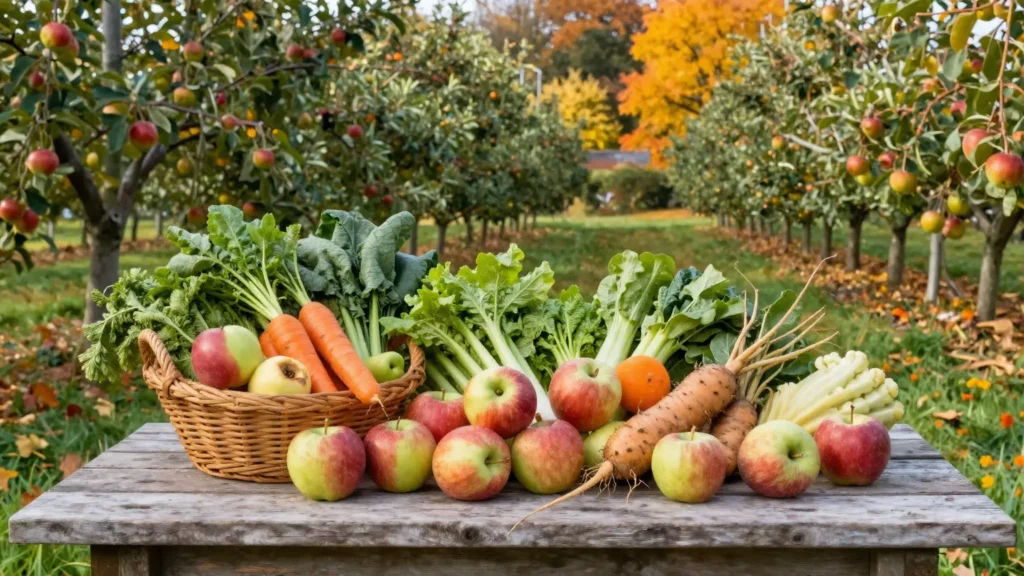
The Climatarian Diet is a relatively recent dietary approach that emerged in the mid-2010s as part of efforts to address climate change through mindful food consumption. Imagine making choices at your local grocery store not just based on taste and nutrition but also considering how each item impacts our planet’s well-being. This flexible dietary strategy encourages individuals to reduce their carbon footprint by focusing on sustainable eating habits and choices.
At its core, the climatarian diet advocates for consuming foods that are locally sourced, seasonal, and minimally processed – ideally those requiring less transportation, refrigeration, and processing energy. Picture a world where you prioritize vegetables straight from your local farmer’s market over imports shipped halfway across the globe. A key aspect of this diet is a significant reduction or complete avoidance of ruminant meats such as beef and lamb, which have been identified by scientific studies to emit far higher levels of greenhouse gases compared to other types of meat.
Think about making small but impactful changes like swapping out beef for plant-based protein sources several times a week. Imagine the ripple effect: less demand for high-carbon foods means fewer emissions entering our atmosphere, contributing to cleaner air and a healthier planet. By choosing what we eat with climate change in mind, we can all be part of the solution.
The Origin and Meaning of “Climatarian”
The term “climatarian” was coined to encapsulate a lifestyle shift towards more sustainable food choices that directly address climate change. It combines the words “climate” and “dietarian,” reflecting a diet focused on environmental impact rather than just nutritional content or personal health alone. This unique blend of terms highlights the growing concern about how our eating habits affect the planet.
Imagine being part of a movement where every meal choice is an opportunity to make a difference. The concept behind climatarian isn’t just about cutting out certain foods but understanding the lifecycle impact of each item you consume – from farm to fork. By embracing this term, individuals can feel empowered to contribute positively towards global environmental goals through everyday actions.
Key Principles and Practices
At its heart, the climatarian diet centers on several key principles:
- Seasonal Eating: Opt for fruits and vegetables that are in season locally.
- Reducing Meat Intake: Especially cutting down on ruminant meats like beef and lamb due to their significant carbon footprint.
- Buying Local: Support local farmers and reduce transportation emissions by choosing products from nearby sources.
Practicing these principles means actively seeking out information about where your food comes from and how it is produced. It’s not just about avoiding certain foods but also learning what sustainable options look like in your area. For example, if you live near a coastal region, incorporating seafood into your diet might be more climatarian-friendly compared to eating meat that has traveled long distances.
Did you know? A study found that reducing beef consumption can lead to significant reductions in greenhouse gas emissions and water use. Shifting just one meal per week from red meat to a plant-based alternative could reduce an individual’s carbon footprint by the equivalent of driving 300 miles less each year!
By making mindful choices, such as substituting lentils or tofu for beef once a week, you’re not only improving your health but also contributing to global sustainability efforts. Each small change can lead to substantial benefits when multiplied across communities and nations.
Engaging with the Community
Joining forces with like-minded individuals through social media platforms, community groups, or local farmer’s markets can enhance your climatarian journey. Sharing tips, recipes, and insights not only boosts motivation but also broadens awareness about sustainable eating habits within your network. Imagine how much collective impact could be achieved by educating others on the benefits of choosing a climatarian lifestyle!
The Power of Choice
Ultimately, becoming a climatarian is about recognizing the power we hold as consumers to drive positive change through our everyday choices. Every decision made at mealtime carries weight in shaping a greener future. By embracing this mindset and making conscious dietary selections based on environmental impact, you become an active participant in protecting our planet for generations to come.
Embrace your role in this movement by exploring new recipes, learning more about sustainable agriculture practices, and engaging with others who share similar values. Together, we can transform the way food is produced and consumed, leading us towards a healthier, more sustainable world.
Key Principles of Eating Climate-Friendly
Switching to plant-based proteins is a cornerstone of the climatarian diet. Legumes like lentils, chickpeas, and beans are rich in protein, fiber, and essential nutrients without the high carbon emissions associated with meat production. For instance, incorporating legumes into your meals can dramatically reduce greenhouse gas emissions while providing substantial health benefits.
Think about preparing a delicious vegetarian chili or a hearty bean salad as alternatives to traditional meat dishes. These plant-based options not only offer lower environmental impact but also provide greater variety in your diet. By exploring different flavors and textures from the vegetable kingdom, you might discover new favorites that keep you excited about your culinary journey towards sustainability.
Minimizing Food Waste
Reducing food waste is another critical aspect of adopting a climatarian lifestyle. According to research, approximately one-third of all food produced globally goes to waste, contributing significantly to greenhouse gas emissions. By making a conscious effort to buy only what you need and creatively using leftovers, you can drastically cut down on your environmental impact.
Consider planning meals ahead and creating a shopping list based on these plans to avoid impulse buys that might go unused. Additionally, learning how to properly store fruits and vegetables to extend their freshness can help reduce waste at home. Small steps like these can lead to big changes in reducing the carbon footprint of food production and consumption.
Opting for Drought-Hardy Crops
Choosing drought-hardy crops is another strategy that aligns with climatarian principles, especially important given increasing water scarcity issues worldwide. Drought-resistant plants require less water than traditional crops, which means lower irrigation needs and reduced strain on local water resources. This not only benefits the environment but also supports farmers who face challenges due to changing weather patterns.
Think about incorporating grains like quinoa or barley into your diet. These crops are well-suited for dry conditions and offer a nutritious alternative to more water-intensive options like rice or wheat. By making these choices, you contribute to sustainable agricultural practices that help mitigate the effects of climate change.
The Role of Organic Foods
While organic farming isn’t always the most efficient in terms of yield per acre compared to conventional methods, it often supports better soil health and biodiversity, which are crucial for long-term sustainability. Opting for organic produce when available helps reduce chemical runoff into water systems and encourages more sustainable land management practices.
Imagine visiting a local farmer’s market where you can chat with growers who care about their environmental impact. By supporting these farmers, you’re not only getting healthier food but also contributing to a community that values ecological stewardship over short-term gains.
Engaging in Sustainable Practices
Beyond dietary choices, engaging in sustainable practices such as composting and recycling can further enhance your climatarian efforts. Composting kitchen scraps returns nutrients to the soil, reducing the need for synthetic fertilizers and minimizing waste sent to landfills.
By adopting these habits, you become part of a larger network of individuals committed to making meaningful changes through everyday actions. The cumulative effect of small, conscious choices can create significant positive impacts on our environment.
The Climatarian Lifestyle: A Personal Journey
Becoming a climatarian is not just about changing what you eat but also how you think and live. It’s an ongoing journey where each meal becomes an opportunity to reflect on your environmental impact. By embracing this lifestyle, you empower yourself and others around you to contribute positively towards sustainability.
Imagine starting small with one meat-free day per week and gradually increasing the frequency over time. This gradual shift can make it easier to stick to long-term sustainable eating habits without feeling overwhelmed or restricted. Each step along the way is a testament to your commitment to a healthier planet, setting an example for future generations to follow.
Recommended Food Groups for Climatarians
Choosing the right food groups is essential when adopting a climatarian diet. Focus on these key categories to ensure you’re making environmentally conscious choices.
Plant-Based Proteins
Plant-based proteins are vital in reducing greenhouse gas emissions associated with meat production. Examples include:
- Legumes: Lentils, chickpeas, and beans.
- Nuts and Seeds: Almonds, walnuts, sunflower seeds.
- Tofu and Tempeh: Soy products that offer complete protein.
These options provide essential nutrients like iron, zinc, and vitamins without the carbon footprint of animal proteins. Try incorporating a variety of plant-based proteins into your meals to keep things interesting and nutritious.
Locally Grown Produce
Supporting local farmers by purchasing seasonal produce reduces transportation emissions and supports regional economies. Look for fresh vegetables and fruits at nearby markets or through community-supported agriculture (CSA) programs.
For instance, if you live in a region with abundant apple orchards, apples could be a staple fruit for autumn meals. Opting for locally grown foods not only helps the environment but also enhances your diet’s flavor profile by including seasonal ingredients.
Whole Grains
Whole grains are another crucial component of a climatarian diet due to their lower environmental impact compared to refined grains and processed cereals. Consider incorporating:
- Quinoa: A drought-resistant crop that is highly nutritious.
- Barley: Rich in fiber, vitamins, and minerals.
- Buckwheat: Not related to wheat but offers similar benefits.
These grains are versatile and can be used in various dishes like salads, soups, or pilafs. By choosing whole grains over processed ones, you also reduce packaging waste and support sustainable farming practices.
Drought-Hardy Crops
In regions prone to water scarcity, selecting drought-hardy crops is particularly important. These plants require less irrigation and can thrive under challenging conditions:
- Quinoa: Provides complete protein and essential amino acids.
- Chickpeas: Known for their high protein content and versatility in cooking.
- Sorghum: A cereal grain that is highly tolerant of drought.
Opting for these crops not only helps conserve water resources but also contributes to biodiversity by supporting a variety of plant species adapted to harsh environments. This resilience is increasingly important as climate change affects agricultural patterns worldwide.
Making Sustainable Choices Easier
Incorporating these food groups into your diet doesn’t have to be daunting. Start with small changes and gradually increase the proportion of sustainable foods in your meals. For example, you could begin by replacing one meat-based meal per week with a plant-based option. Over time, as you become more comfortable and knowledgeable about climatarian choices, you can expand your dietary habits accordingly.
Remember, every step towards sustainable eating counts. By making mindful food selections based on their environmental impact, you are taking active steps to protect the planet for future generations.
Forbidden or Limited Foods in the Climatarian Diet
When following a climatarian diet, certain foods are either forbidden or heavily restricted due to their significant environmental impact. These choices can seem challenging at first but offer long-term benefits for both your health and the planet.
High-Emission Meats
Ruminant meats such as beef and lamb are among the most carbon-intensive food sources. Raising these animals requires vast amounts of land, water, and feed, leading to substantial greenhouse gas emissions through enteric fermentation (methane production) and manure decomposition. By limiting or eliminating these meats from your diet, you can significantly reduce your contribution to climate change.
Processed Foods
Processed foods are generally discouraged in a climatarian diet due to their high carbon footprint from manufacturing processes and packaging waste. These products often contain preservatives, additives, and excess sugars that are not only less healthy but also come with considerable environmental costs. Opting for minimally processed or whole foods instead supports sustainable practices and reduces overall emissions.
Imported Produce
While it might be tempting to indulge in exotic fruits and vegetables year-round, doing so increases the carbon footprint of your diet due to long-distance transportation. Instead, focus on locally sourced produce that is in season. Not only does this support local farmers and reduce transport-related emissions, but seasonal foods also tend to be fresher and more nutrient-dense.
Understanding the Impact
Choosing not to eat certain foods can seem daunting initially, especially when they form a significant part of your diet. However, understanding why these restrictions exist helps contextualize their importance.
For example, did you know that beef production emits 60 times more greenhouse gases per kilogram than legumes like lentils? This stark difference underscores the environmental benefits of shifting to plant-based proteins and minimally processed foods. By making conscious choices at each mealtime, you contribute to a healthier planet without compromising on taste or nutrition.
Transitioning to a climatarian diet might involve some initial hurdles, such as finding suitable alternatives for favorite high-emission dishes. However, there are plenty of resources and communities dedicated to helping you navigate this change smoothly. From online forums where people share recipes to local farmer’s markets that offer sustainable produce, the support is out there.
Alternatives and Substitutions
Exploring plant-based protein sources like tempeh, tofu, or seitan can provide satisfying substitutes for meat in many dishes. These alternatives not only lower your carbon footprint but also introduce new flavors and textures into your meals. Similarly, finding creative ways to incorporate seasonal vegetables through stir-fries, soups, and stews can make the transition feel less restrictive.
By embracing these shifts, you’ll discover a wealth of delicious options that align with both your health goals and environmental values. Every small change counts towards making a bigger impact on our planet’s future.
Embracing Flexibility
One of the strengths of the climatarian diet is its flexibility. Unlike strict vegetarian or vegan diets, which require complete abstinence from certain food groups, climatarians aim to make informed choices about what they eat based on environmental considerations rather than rigid rules. This approach allows individuals to tailor their dietary habits according to personal preferences and regional availability.
As you explore the climatarian lifestyle, remember that every meal is an opportunity to learn more about sustainable eating and its benefits for both your health and the planet. By taking small steps towards mindful consumption, you can help shape a more sustainable food system for everyone.
Nutritional Benefits of Adopting a Climatarian Lifestyle
Switching to a climatarian diet can offer numerous health benefits alongside environmental advantages. By focusing on locally grown produce, seasonal foods, and plant-based proteins, you naturally increase your intake of essential vitamins, minerals, and fiber while reducing exposure to harmful additives found in processed products.
Rich in Nutrients
- Vitamins and Minerals: Seasonal fruits and vegetables are bursting with nutrients that vary depending on the time of year. For instance, autumn berries like blackberries and raspberries offer high levels of vitamin C and antioxidants.
- Fiber-Rich Foods: Whole grains and legumes provide ample fiber to aid digestion and maintain stable blood sugar levels.
Lower in Harmful Additives
- Minimizing processed foods reduces your intake of preservatives, artificial colors, and flavors that can have negative health effects over time. Instead, you’ll enjoy food in its purest form, free from synthetic ingredients.
Environmental Impact on Health
Choosing a climatarian lifestyle not only helps the planet but also promotes better personal health by encouraging mindful eating habits. By focusing on plant-based proteins and reducing meat consumption, especially beef and lamb, you can lower your risk of chronic diseases.
Reduced Risk Factors
- Heart Disease: A diet rich in vegetables, fruits, and whole grains has been linked to a reduced incidence of heart disease.
- Cancer Prevention: High-fiber diets are associated with a decreased risk of colorectal cancer.
Sustainable Eating and Economic Benefits
Adopting sustainable eating practices can also have economic benefits. While organic foods may initially seem more expensive, the long-term savings come from reduced medical expenses due to better health outcomes. Additionally, supporting local farmers often means fresher produce at competitive prices compared to imported goods.
Cost-Effective Long-Term
- Healthcare Savings: Improved diet quality reduces the likelihood of developing chronic conditions that require costly treatments.
- Supporting Local Economies: Buying from local producers helps sustain communities economically and keeps money within the region.
Engaging with Sustainable Food Communities
Joining a community of like-minded individuals who share your passion for sustainable eating can provide motivation, resources, and new ideas to enhance your climatarian journey. Whether through social media platforms or in-person events, these connections foster learning and mutual support.
Enhancing Your Journey
- Community Support: Sharing experiences and tips with others helps maintain enthusiasm and commitment.
- Innovative Recipes: Learning from peers can introduce you to creative ways of incorporating sustainable ingredients into your meals.
By embracing the principles of a climatarian diet, you not only contribute positively to environmental conservation but also improve your personal well-being. Each meal becomes an opportunity for growth and learning, encouraging continuous exploration of new flavors and healthier habits.
Potential Drawbacks and Challenges of the Climatarian Diet
Adopting a climatarian diet can present several challenges that might seem daunting at first but are manageable with persistence and support.
- Limited Food Availability: In regions where fresh, locally grown produce is scarce due to climate conditions or infrastructure limitations, it may be difficult to follow the climatarian principles strictly. For instance, in arid climates, finding a variety of seasonal vegetables can be challenging.
- Higher Costs: Sustainable and organic foods often come with higher price tags compared to conventionally produced alternatives. This financial barrier might limit accessibility for individuals on tighter budgets.
Balancing Cost and Sustainability
Making the switch to sustainable eating practices doesn’t have to break the bank. Here are some tips:
- Look for bulk buying options or community-supported agriculture (CSA) programs that can offer savings.
- Plan meals around sales at local farmers’ markets where you might find fresh produce at lower prices than supermarkets.
Overcoming Accessibility Issues
In areas with limited access to sustainable food sources, finding alternatives is key. Consider these strategies:
- Community Gardens: Join or start a community garden project to grow your own vegetables and herbs.
- Preserving Food: Learn techniques like canning, freezing, and pickling to extend the shelf life of locally sourced produce.
Social events often revolve around food, which might make it challenging to stick with climatarian principles. However, there are ways to stay true to your diet while enjoying social gatherings:
- Bring your own dish that aligns with your dietary choices.
- Talk openly about the benefits of a climatarian lifestyle; this can inspire others and create awareness.
Learning Curve
Switching to new eating habits involves an initial learning phase. It might take time to understand which foods are truly sustainable and how they fit into a balanced diet:
- Take advantage of online resources, cookbooks, and community forums dedicated to sustainable living.
- Experiment with different recipes that feature seasonal and locally sourced ingredients.
Maintaining Motivation
Staying motivated in the long term can be challenging. Here are some ways to keep your enthusiasm high:
- Set realistic goals and track progress over time.
- Celebrate small victories like successfully cooking a new dish or finding sustainable products at unexpected locations.
By addressing these challenges proactively, you can make sustainable eating more accessible and enjoyable, fostering a lifestyle that benefits both yourself and the planet.
Sample Meal Plan to Get Started with Climatarianism
Transitioning to a climatarian lifestyle can seem overwhelming at first, but starting small makes it more manageable. Here’s a simple meal plan that incorporates the core principles of eating climate-friendly without feeling too restrictive.
Breakfast: Start the Day Sustainably
Overnight Oats: Combine rolled oats with almond milk, chia seeds, and seasonal fruits like berries or apples.
- Why this is good: Rolled oats are drought-hardy crops that require minimal water. Berries or local apples offer seasonal nutrition.
Green Smoothie Bowl: Blend spinach, bananas, and a handful of frozen blueberries with coconut water. Top it off with granola made from whole grains like barley.
- Why this is good: Spinach provides essential vitamins and minerals. Whole grain granola offers fiber-rich sustenance.
Lunch: Embrace Plant-Based Proteins
Chickpea Salad: Mix cooked chickpeas, diced cucumbers, cherry tomatoes, and chopped parsley with a lemon-tahini dressing.
- Why this is good: Chickpeas are an excellent source of plant-based protein. Seasonal vegetables from your local market provide necessary vitamins.
Quinoa Stuffed Bell Peppers: Cook quinoa and stuff it into bell peppers along with sautéed onions, garlic, and spinach. Top with a sprinkle of feta cheese.
- Why this is good: Quinoa is drought-resistant and rich in protein. Local bell peppers offer fresh flavor.
Dinner: Focus on Seasonal Ingredients
Vegetable Stir-Fry: Sauté broccoli, carrots, snap peas, and tofu or tempeh with garlic and ginger. Serve over brown rice.
- Why this is good: A variety of seasonal vegetables provides a colorful plate packed with nutrients. Brown rice offers whole grain benefits.
Lentil Soup: Simmer lentils with kale, diced tomatoes, carrots, and celery in vegetable broth until thickened. Season with herbs like thyme or bay leaves.
- Why this is good: Lentils are high in protein and low in carbon footprint. Kale provides vitamins A and C, while the soup’s long cooking time ensures flavor development.
Snacks and Drinks to Complement Your Climatarian Diet
Fresh Fruit Salad: Mix a variety of fresh fruits like strawberries, oranges, and bananas.
- Why this is good: Seasonal fruits are nutritious and flavorful. They also contribute to reducing food waste when consumed locally.
Homemade Hummus with Veggie Sticks: Blend chickpeas, tahini, lemon juice, garlic, and olive oil into a smooth paste. Serve with carrot sticks, celery, and bell pepper slices.
- Why this is good: Chickpeas provide protein and fiber while vegetables offer vitamins. Homemade hummus reduces packaging waste.
Herbal Tea: Enjoy a cup of herbal tea like peppermint or chamomile to stay hydrated without adding extra calories.
- Why this is good: Herbal teas are low impact as they do not require dairy products or caffeine production.
Tips for Easy Implementation
Starting your climatarian journey doesn’t mean you need to overhaul everything at once. Begin with simple swaps like choosing local produce over imported items, incorporating plant-based proteins several times a week, and reducing meat consumption gradually.
By making small changes today, you’re contributing positively towards environmental conservation tomorrow. Each meal choice is an opportunity to make a difference.
How Does Climatarian Compare to Other Eco-Friendly Diets?
The climatarian diet shares many similarities with other eco-friendly dietary approaches but also has distinct features that set it apart. Understanding these differences can help you choose the most suitable path for your lifestyle and goals.
Comparison Table
| Diet Type | Key Characteristics | Environmental Impact |
|---|---|---|
| Climatarian | – Focuses on reducing carbon footprint through food choices- Emphasizes locally sourced, seasonal foods- Significant reduction in beef and lamb consumption | Reduces greenhouse gas emissions; supports local economies |
| Vegetarian | – Excludes meat entirely but may include dairy and eggs | Lowers methane emissions from livestock; reduces land use for animal farming |
| Vegan | – Eliminates all animal products including meat, dairy, and eggs | Minimizes environmental impact by avoiding all animal-derived foods |
| Flexitarian | – Primarily plant-based but allows occasional consumption of meat | Reduces overall meat consumption; adaptable to individual preferences |
Flexibility and Adaptability
One of the climatarian diet’s strongest points is its flexibility. Unlike strict vegetarian or vegan diets, which require complete abstinence from certain food groups, climatarians aim to make informed choices based on environmental considerations rather than rigid rules.
For example, a flexitarian might reduce meat consumption but still eat it occasionally, while a climatarian would focus more specifically on reducing emissions-heavy meats like beef and lamb. This adaptability can help individuals ease into sustainable eating habits without feeling overwhelmed by strict dietary restrictions.
Focus on Seasonality
While other diets may allow for flexibility in food choices, the climatarian diet emphasizes seasonality to an even greater extent. By choosing locally sourced fruits and vegetables that are currently in season, you not only support local farmers but also minimize transportation emissions.
For instance, a vegetarian might enjoy strawberries year-round if they can find them at their supermarket, while a climatarian would prioritize seasonal produce like apples in autumn or berries in summer. This focus on timing ensures that your diet aligns closely with the natural cycle of food production, enhancing sustainability efforts.
Local and Organic Emphasis
The climatarian approach places significant importance on buying local and organic when possible. Supporting local farmers reduces transportation emissions and strengthens community ties. Meanwhile, choosing organic produce helps preserve soil health and biodiversity.
In contrast, a vegan diet might focus more broadly on excluding animal products without specifying where those plant-based foods come from or how they are grown. By integrating the principles of climatarianism into your eating habits, you can achieve both environmental and economic benefits through conscious consumption patterns.
Engaging with Sustainable Food Communities
Joining communities that promote sustainable eating practices is beneficial for all eco-friendly diets, but it plays a unique role in supporting the climatarian lifestyle. Connecting with like-minded individuals through local farmer’s markets or online platforms allows you to share resources and insights on how best to implement these dietary changes.
For example, a community of flexitarians might discuss ways to reduce meat intake gradually without completely eliminating it, while a group of climatarians could focus on creative methods for incorporating seasonal vegetables into meals. These communities provide motivation and practical advice that can make adopting sustainable eating habits easier and more enjoyable.
Is There Scientific Evidence Supporting the Climatarian Diet?
The scientific community has increasingly recognized the importance of dietary choices in mitigating climate change impacts. Research indicates that specific food items, such as beef and lamb, have a disproportionately high carbon footprint compared to other types of foods. This evidence supports the climatarian diet’s emphasis on reducing or eliminating these products.
Scientific Studies and Findings
Several studies highlight the significant environmental benefits of adopting a climatarian lifestyle:
- A 2014 study published in Nature found that shifting towards plant-based diets could reduce greenhouse gas emissions from food production by up to 70% globally. This aligns with the core principle of the climatarian diet, which advocates for minimizing beef and lamb consumption.
- Research conducted at Oxford University revealed that adopting a vegetarian or vegan diet can lower an individual’s carbon footprint significantly compared to meat-heavy diets. While the climatarian diet is less restrictive than these alternatives, it still encourages substantial reductions in greenhouse gas emissions by focusing on sustainable food choices.
Health Implications
The health benefits of reducing red and processed meat intake are also well-documented:
- A meta-analysis published in PLoS Medicine concluded that high consumption of red and processed meats increases the risk of heart disease, type 2 diabetes, and certain cancers. By promoting plant-based proteins like legumes and nuts, the climatarian diet aims to enhance health outcomes while addressing environmental concerns.
Case Studies and Practical Applications
Practical applications of the climatarian approach have shown promising results:
- In Australia, the initiative “Less Meat Less Heat” has encouraged individuals to adopt more sustainable eating habits. The program’s app assists users in tracking their food-related carbon footprint, demonstrating real-world applicability of climate-friendly diets.
- Community-based studies indicate that engaging with local farmers and participating in community-supported agriculture (CSA) programs can enhance the adoption rate of climatarian principles. These communities often report improved health outcomes alongside reduced environmental impact.
Comparative Analysis
Comparing the climatarian diet to other eco-friendly diets reveals both similarities and unique advantages:
| Diet Type | Key Characteristics | Environmental Impact |
|---|---|---|
| Climatarian | – Focuses on reducing carbon footprint through food choices- Emphasizes locally sourced, seasonal foods- Significant reduction in beef and lamb consumption | Reduces greenhouse gas emissions; supports local economies |
| Vegetarian | – Excludes meat entirely but may include dairy and eggs | Lowers methane emissions from livestock; reduces land use for animal farming |
| Vegan | – Eliminates all animal products including meat, dairy, and eggs | Minimizes environmental impact by avoiding all animal-derived foods |
| Flexitarian | – Primarily plant-based but allows occasional consumption of meat | Reduces overall meat consumption; adaptable to individual preferences |
Flexibility as a Strength
One of the climatarian diet’s strongest points is its flexibility. Unlike strict vegetarian or vegan diets, which require complete abstinence from certain food groups, the climatarian approach focuses on making informed choices based on environmental considerations rather than rigid rules.
- Gradual Transition: The ease of transitioning to climatarian principles allows individuals to make small changes over time without feeling overwhelmed by drastic dietary shifts.
Seasonal and Local Focus
Emphasizing seasonality is another critical aspect that sets the climatarian diet apart:
- Sustainable Practices: By choosing locally sourced fruits and vegetables that are in season, you support local farmers while minimizing transportation emissions. This practice not only reduces your carbon footprint but also enhances flavor profiles by incorporating fresh produce.
Engaging with Sustainable Food Communities
Community engagement is vital for sustaining the climatarian lifestyle:
- Support Networks: Joining communities of like-minded individuals who share your passion for sustainable eating can provide motivation and resources to maintain dietary commitments. These networks offer opportunities for learning, sharing recipes, and experiencing new flavors through local produce.
Personal Reflections and Future Directions
Reflecting on personal experiences with the climatarian diet reveals its potential:
- Personal Experiences: Many individuals report feeling more connected to their food sources and communities by adopting sustainable eating habits. This connection fosters a sense of responsibility towards environmental conservation.
By recognizing the scientific backing behind the climatarian diet, individuals can feel confident in their ability to make meaningful contributions towards global environmental goals through everyday dietary choices.
Summary: Embracing Sustainability through Your Diet
The Climatarian Diet offers a practical and flexible approach to reducing one’s carbon footprint through mindful food choices. By prioritizing locally sourced, seasonal foods and significantly reducing or avoiding beef and lamb, individuals can contribute meaningfully to environmental sustainability while enhancing their health. This diet underscores the importance of conscious consumption in addressing climate change, encouraging everyone to reflect on how their meal decisions impact the planet. Whether you’re just beginning your journey towards sustainable eating or are looking to refine your current practices, embracing climatarian principles offers a clear path forward. Each small step taken – be it swapping out beef for plant-based proteins or shopping at local farmers’ markets – contributes to a healthier future for our planet and its inhabitants.
Frequently Asked Questions (FAQ)
What is a climatarian diet and how does it differ from other diets?
The climatarian diet focuses on reducing the environmental impact of food production, consumption, and waste. Unlike strict vegetarian or vegan diets that often have clear restrictions on certain foods, the climatarian diet emphasizes mindful choices about where your food comes from, how it’s produced, and its transportation footprint.
Is a climatarian diet difficult to follow for people with busy schedules?
No, the climatarian diet can be flexible. It doesn’t require strict rules but instead encourages making informed decisions about food sources and choosing low-impact options whenever possible. This flexibility can make it easier to fit into a busy lifestyle.
How does buying local benefit the environment according to the climatarian diet?
Buying local reduces the carbon footprint associated with transportation, supports local economies, and often leads to fresher produce since the distance from farm to table is shorter.
Can I still eat meat on a climatarian diet? If so, what kind of meat should I choose?
Yes, you can still eat meat on a climatarian diet. The emphasis is on choosing lower-impact meats such as pork, poultry, and sustainable fish rather than ruminant animals like beef or lamb which have higher environmental impacts.
How does reducing food waste fit into the principles of the climatarian diet?
Reducing food waste helps decrease unnecessary resource usage and greenhouse gas emissions from decomposing organic matter in landfills. It’s a core principle to minimize waste throughout the supply chain and at home.
Is there scientific evidence supporting the benefits of following a climatarian diet?
Yes, studies indicate that certain foods like beef have significantly higher environmental impacts compared to others due to their resource use and greenhouse gas emissions. A climatarian approach aims to mitigate these impacts through dietary choices.
How can someone on a climatarian diet ensure they are getting enough nutrients?
To stay nutritionally balanced while following the climatarian diet, focus on incorporating a variety of plant-based foods such as fruits, vegetables, whole grains, legumes, nuts, and seeds. These foods provide essential vitamins, minerals, fiber, and antioxidants.
Are there any potential challenges or drawbacks to adopting a climatarian diet?
One challenge could be the higher costs associated with buying local and sustainable food products. Additionally, finding these options might be less convenient in some areas compared to mass-produced alternatives.
Can children follow a climatarian diet safely? What considerations should parents keep in mind?
Children can adopt a climatarian diet, but parents need to ensure adequate nutrition by including a wide variety of nutrient-dense foods. Consulting with a pediatric nutritionist or dietician is advisable to tailor the diet to meet a child’s specific needs.
How do I get started on a climatarian diet? What are some simple steps?
Begin by incorporating more plant-based meals, choosing locally sourced and sustainably produced food items, reducing meat consumption especially of ruminant animals, minimizing waste, and learning about seasonality in your region to enjoy fresh produce.