What is the Nordic Diet?
The Nordic Diet is a dietary pattern gaining attention not just for its health benefits but also for its sustainability focus. This diet draws inspiration from traditional Scandinavian cuisine, emphasizing local, seasonal ingredients while reducing environmental impact. But does adhering closely to the principles of the Nordic Diet truly prolong life? Let’s dive into what makes this diet unique and why it might be worth considering.
At its core, the Nordic Diet is about embracing nature’s bounty in a thoughtful way. Imagine walking through a vibrant Scandinavian market brimming with freshly picked berries, crisp vegetables, and hearty grains – this scene embodies the essence of the Nordic Diet. It’s not just about what you eat but also where it comes from and how it’s produced. By prioritizing seasonal produce, you’re not only getting the freshest ingredients but also supporting local economies and reducing your carbon footprint.
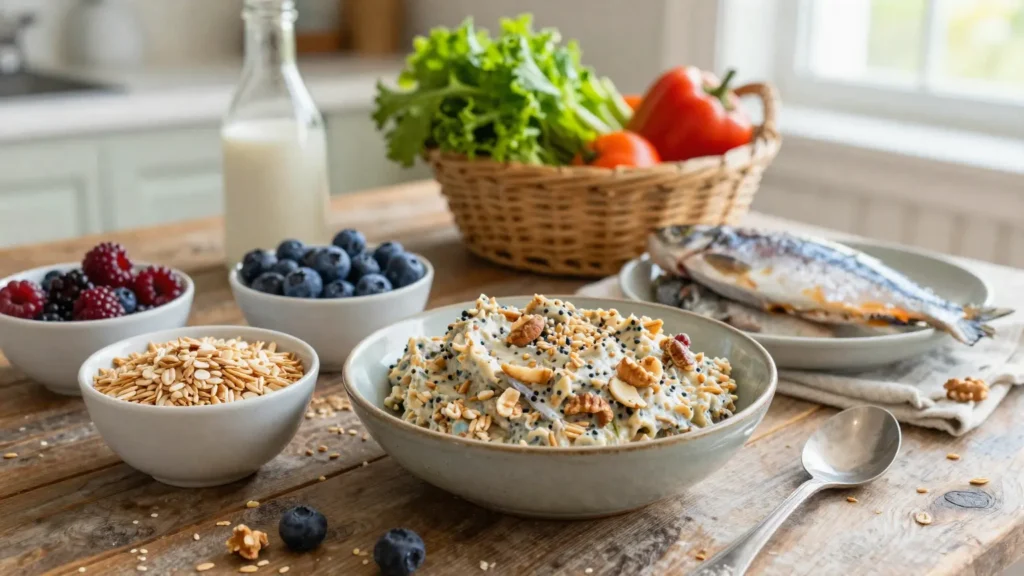
One of the standout features of the Nordic Diet is its focus on nutrient-dense foods like whole grains, legumes, nuts, and fish rich in omega-3 fatty acids. These elements work together to create a balanced diet that promotes heart health, supports brain function, and aids in weight management – key factors linked to longevity. But it’s not just about adding these components; the Nordic Diet also emphasizes removing or minimizing processed foods high in sugar, salt, and unhealthy fats.
The appeal of the Nordic Diet lies in its holistic approach to eating and living sustainably. By shifting your dietary choices towards this model, you’re making a commitment not only to your health but also to the environment. This dual focus is increasingly important as we navigate global challenges like climate change and public health crises.
So, the next time you consider what diet might best serve both your well-being and the planet’s future, perhaps the Nordic Diet offers an intriguing pathway forward. Will strictly following this dietary pattern truly enhance longevity? Dive deeper to uncover how embracing local, seasonal ingredients and sustainable food practices could potentially enrich not just your meals but also your lifespan.
Key Principles of the Nordic Diet
The key principles of the Nordic Diet revolve around a variety of foundational elements designed to optimize both personal health and environmental sustainability. One of these core components is the consumption of whole grains, such as barley, oats, rye, and whole wheat. These grains are integral not only because they provide essential nutrients like fiber, vitamins, and minerals but also because they contribute to heart health by lowering cholesterol levels and improving digestive function.
Another critical aspect of the Nordic Diet is its emphasis on fish rich in omega-3 fatty acids. Fatty fish like salmon, mackerel, and herring are staples due to their high content of essential nutrients that support brain health, reduce inflammation, and lower the risk of cardiovascular diseases. These benefits make them a cornerstone food group within the diet.
Vegetables play a significant role in the Nordic Diet as well. Dark leafy greens, root vegetables, cruciferous vegetables, and berries are all part of this dietary pattern. They offer vitamins, minerals, antioxidants, and fiber that help maintain overall health while reducing the risk of chronic diseases. For instance, consuming a variety of colorful vegetables ensures you get a broad spectrum of nutrients necessary for optimal bodily functions.
The inclusion of fruit in the Nordic Diet is also crucial, with berries being particularly highlighted due to their high antioxidant content. Berries are not only delicious but also rich in vitamins C and K, as well as flavonoids that help protect against oxidative stress and inflammation. Whether fresh or frozen during off-seasons, these fruits contribute significantly to dietary diversity and health benefits.
Legumes such as beans, peas, and lentils form another essential part of the Nordic Diet. These protein-rich foods are excellent sources of fiber, iron, zinc, and B vitamins, making them ideal for vegetarians and meat reducers alike. Incorporating legumes into meals can help lower cholesterol levels and manage blood sugar effectively.
In addition to these food groups, fermented dairy products like yogurt and cheese are encouraged within the Nordic Diet framework. These items provide probiotics that support gut health and enhance immune function. The traditional Scandinavian practice of using fermented milk drinks also helps in preserving nutrients while adding unique flavors to dishes.
Sustainability is at the heart of the Nordic Diet philosophy, promoting locally sourced foods whenever possible. By choosing seasonal ingredients grown or raised close by, one supports local farmers and reduces carbon emissions associated with long-distance food transportation. This mindful approach not only benefits personal health but also contributes positively to environmental conservation efforts.
So, as you explore integrating these principles into your daily life, consider how each element enhances both your well-being and the planet’s future. Could adopting such a diet lead to healthier outcomes and longer lives?
Recommended Food Groups in the Nordic Diet
In line with the principles highlighted earlier, let’s delve deeper into specific food groups that are integral to the Nordic Diet. These groups not only provide nutritional benefits but also offer unique flavors and textures that make dining an enjoyable experience.
Whole grains, such as barley, oats, rye, and whole wheat, form a crucial part of this diet. They serve as excellent sources of complex carbohydrates, which provide sustained energy throughout the day. For instance, oats, often consumed for breakfast in Scandinavia, are not only rich in fiber but also contain beta-glucan, a type of soluble fiber that can help lower cholesterol levels and stabilize blood sugar.
Fish is another cornerstone of the Nordic Diet, particularly those varieties rich in omega-3 fatty acids. Fatty fish like salmon, mackerel, and herring are packed with essential nutrients such as vitamin D, protein, and healthy fats that support brain function and heart health. Including a serving or two of these fish per week can significantly enhance your dietary profile.
Vegetables form the backbone of many meals in Nordic cuisine. Dark leafy greens like kale and spinach, root vegetables including carrots and beets, cruciferous vegetables such as broccoli and cauliflower, and berries are all abundant throughout the year. These vegetables offer a myriad of health benefits due to their high content of vitamins, minerals, antioxidants, and fiber. For example, kale, often used in Nordic soups and stews, is rich in vitamin K, calcium, and iron, making it an excellent choice for bone health.
Fruits are also integral to the Nordic Diet, with berries being especially prevalent due to their high antioxidant content. Berries like blueberries, raspberries, and lingonberries not only add vibrant colors but also provide vitamins C and K, along with flavonoids that help protect against oxidative stress and inflammation. Whether fresh or frozen during off-seasons, these fruits contribute significantly to dietary diversity and health benefits.
Legumes such as beans, peas, and lentils form another essential part of the Nordic Diet. These protein-rich foods are excellent sources of fiber, iron, zinc, and B vitamins, making them ideal for vegetarians and meat reducers alike. For example, lentil soup is a popular dish in Scandinavia during colder months, offering warmth and nutrition. Incorporating legumes into meals can help lower cholesterol levels and manage blood sugar effectively.
Fermented dairy products like yogurt and cheese are encouraged within the Nordic Diet framework. These items provide probiotics that support gut health and enhance immune function. The traditional Scandinavian practice of using fermented milk drinks also helps in preserving nutrients while adding unique flavors to dishes. Skyr, a type of Icelandic yogurt, is particularly popular for its high protein content and creamy texture.
In addition to these food groups, the Nordic Diet emphasizes sustainability by promoting locally sourced foods whenever possible. By choosing seasonal ingredients grown or raised close by, one supports local farmers and reduces carbon emissions associated with long-distance food transportation. This mindful approach not only benefits personal health but also contributes positively to environmental conservation efforts.
By integrating these diverse and nutritious components into your diet, you can enjoy the rich flavors of Nordic cuisine while reaping numerous health benefits. Could adopting such a balanced and sustainable eating pattern truly enhance your longevity? The answer may lie in embracing the holistic principles that underpin the Nordic Diet.
Forbidden or Limited Foods in the Nordic Diet
Adopting the Nordic Diet involves not only incorporating specific food groups but also limiting certain types of foods that are high in unhealthy fats, sugars, and processed ingredients. This aspect is crucial to achieving the health benefits associated with this dietary pattern while supporting sustainability goals.
Processed Meats: One significant limitation within the Nordic Diet is the restriction on processed meats such as sausages, bacon, and deli meats. These products often contain high levels of sodium, saturated fats, and preservatives that can negatively impact heart health and increase the risk of chronic diseases like cancer. Opting for fresh or minimally processed meat alternatives, such as free-range chicken or wild-caught fish, aligns more closely with the principles of this diet.
Refined Sugars: The Nordic Diet also emphasizes reducing intake of refined sugars found in sweets, soft drinks, and many packaged foods. These sugars contribute to weight gain, insulin resistance, and other metabolic issues when consumed excessively. Instead, natural sweeteners like honey or maple syrup can be used sparingly as part of a balanced diet.
Unhealthy Fats: Foods high in saturated fats and trans fats are generally discouraged in the Nordic Diet due to their negative impact on heart health. This includes butter, margarine, fried foods, and many bakery items that contain hydrogenated oils. Instead, incorporating healthier fat sources like olive oil, avocados, and nuts is recommended.
Processed Grains: While whole grains form a vital part of this diet, refined grain products such as white bread, pasta, and sugary cereals are limited due to their low nutritional value compared to their whole counterparts. These foods lack essential nutrients and fiber, which can lead to rapid spikes in blood sugar levels and subsequent energy crashes.
Sustainability Considerations: The emphasis on limiting these foods also ties into the broader sustainability goals of the Nordic Diet. By reducing consumption of processed products that require extensive processing, packaging, and transportation, individuals contribute less to environmental degradation while simultaneously improving their health outcomes.
By understanding and adhering to these restrictions, you can fully embrace the benefits offered by the Nordic Diet – from enhanced physical well-being to a lighter ecological footprint. Could making such dietary changes truly make a difference in your lifespan? Reflect on how cutting back on processed foods might positively influence both your personal health journey and the planet’s future.
Did you know that Scandinavians often consume a type of traditional bread called “flatbrød,” which is made from whole grains and has been part of their diet for centuries, contributing to its nutritional benefits while minimizing environmental impact?
Nutritional Benefits of the Nordic Diet
The nutritional benefits of the Nordic Diet are numerous and well-documented. By focusing on whole grains, fruits, vegetables, fish, legumes, and fermented dairy products, this diet offers a range of health advantages that go beyond simple calorie counting.
Whole grains like barley, oats, rye, and whole wheat provide sustained energy and support digestive health through their high fiber content. These grains are also rich in essential vitamins and minerals such as B vitamins, zinc, and iron. Eating these grains regularly can help stabilize blood sugar levels, reduce the risk of heart disease, and promote overall wellness.
Fish rich in omega-3 fatty acids, such as salmon, mackerel, and herring, stand out for their role in brain health and cardiovascular support. Omega-3s are crucial for reducing inflammation throughout the body, improving cognitive function, and lowering the risk of chronic diseases like heart disease and stroke. Regular consumption can also enhance mood and mental clarity.
Vegetables play a critical role in providing essential vitamins, minerals, antioxidants, and fiber that help maintain overall health while reducing the risk of chronic diseases. Leafy greens, for example, are packed with vitamin K, calcium, and iron, which are vital for bone density and muscle function. Additionally, root vegetables like carrots and beets contribute to heart health through their rich potassium content.
Berries, a staple in Nordic cuisine, offer unique nutritional benefits due to their high antioxidant content. Berries are excellent sources of vitamins C and K, along with flavonoids that help protect against oxidative stress and inflammation. Lingonberries, for instance, have been shown to support urinary tract health while also providing immune-boosting properties.
Legumes such as beans, peas, and lentils serve as a vital source of plant-based protein, fiber, iron, zinc, and B vitamins. They are an excellent choice for vegetarians and meat reducers looking to maintain a balanced diet rich in essential nutrients without relying heavily on animal products. Lentil soup, popular during colder months, is not only comforting but also nutritionally dense.
Fermented dairy products like yogurt and cheese provide probiotics that support gut health and enhance immune function. These items also help preserve nutrients and add unique flavors to traditional Scandinavian dishes. For instance, Skyr from Iceland is highly prized for its high protein content and creamy texture.
Incorporating these elements into your diet can lead to a more balanced nutritional profile, enhanced flavor experiences, and improved overall health outcomes. As you explore the Nordic Diet further, consider how each food group contributes uniquely to your well-being and sustainability goals. Could adopting such a diverse and nutrient-rich eating pattern truly enhance longevity?
Potential Drawbacks and Considerations of the Nordic Diet
While the Nordic Diet offers numerous health benefits and environmental advantages, it also comes with several potential drawbacks and considerations that are important to be aware of.
One significant challenge is accessibility. Not everyone has easy access to fresh, seasonal produce or locally sourced ingredients. This limitation can make adhering strictly to the diet difficult for individuals living in urban areas far from agricultural zones or those who rely on food delivery services rather than local markets. In addition, certain regions might struggle with limited variety of Nordic-inspired foods during winter months when many fruits and vegetables are out of season.
Cost implications also play a crucial role in determining how feasible this diet is for different socioeconomic groups. Fresh fish, organic produce, and high-quality whole grains can be expensive, making the Nordic Diet less accessible to those on tighter budgets. While it promotes sustainability by encouraging local sourcing, which often supports smaller farmers and fishermen who might charge premium prices due to their limited production scale.
Another consideration involves dietary flexibility for individuals with specific health conditions or dietary restrictions. The Nordic Diet’s focus on whole grains and fish may not suit everyone equally. For instance, people suffering from certain digestive disorders like celiac disease or gluten sensitivity will need to avoid wheat products entirely. Similarly, those allergic to seafood would find it challenging to meet their nutritional needs solely through this diet without careful planning.
The dietary recommendations for the Nordic Diet also highlight the importance of moderation and balance in food consumption patterns. While emphasizing whole grains, fruits, vegetables, fish, legumes, and fermented dairy products is beneficial, overconsumption or an imbalance could lead to other health issues. For example, excessive intake of fatty fish might increase vitamin A levels beyond safe limits, potentially causing toxicity symptoms.
Furthermore, the cultural context plays a significant role in how feasible it is for individuals outside Scandinavia to adopt this diet fully. The Nordic Diet emerged from specific environmental and social conditions unique to Scandinavian countries. Therefore, attempting to replicate these dietary patterns without considering regional differences might result in less effective outcomes or higher costs due to importing unfamiliar ingredients.
Lastly, sustainability concerns associated with the production of some key foods in the Nordic Diet must be addressed. While locally sourced ingredients are encouraged to minimize environmental impact, large-scale adoption might strain local resources and ecosystems if not managed responsibly. For example, increasing demand for certain fish species could lead to overfishing unless proper conservation measures are implemented.
Incorporating these factors into your dietary decisions can help you better understand the practical aspects of following the Nordic Diet. While it offers substantial health benefits, being mindful of potential drawbacks ensures a more sustainable and personalized approach to nutrition that aligns with both personal health goals and broader environmental considerations.
Did you know that despite its focus on sustainability, one of the challenges of fully adopting the Nordic Diet globally is the cultural disconnect from traditional Scandinavian practices. This makes it essential for people outside Scandinavia to adapt the principles rather than strictly following them, ensuring a balanced approach to both health and local availability of ingredients?
Sample Meal Plan for One Week on the Nordic Diet
To better understand what adhering to the Nordic Diet entails, let’s explore a sample meal plan for one week. This plan incorporates a variety of whole grains, fruits, vegetables, fish, legumes, and fermented dairy products while minimizing processed foods.
Monday
Breakfast: Oatmeal topped with fresh berries (such as blueberries or raspberries) and a dollop of yogurt.
Lunch: Quinoa salad with mixed greens, cucumber, cherry tomatoes, shredded carrots, chickpeas, and a lemon-tahini dressing.
Dinner: Grilled salmon fillet served with roasted broccoli, cauliflower, and Brussels sprouts. Side of whole grain bread.
Tuesday
Breakfast: Rye toast with avocado spread and slices of smoked trout.
Lunch: Lentil soup made from scratch, topped with a sprinkle of fresh parsley.
Dinner: Baked cod fillet accompanied by steamed green beans and mashed potatoes (made using butter and milk).
Wednesday
Breakfast: Smoothie bowl made with mixed berries, Greek yogurt, oats, and chia seeds.
Lunch: Sandwich on whole grain bread filled with grilled chicken breast, lettuce, tomato, cucumber, and hummus.
Dinner: Vegetarian chili containing kidney beans, sweet potatoes, bell peppers, onions, and spices.
Thursday
Breakfast: Porridge made from barley flakes with a drizzle of honey and sliced apples on top.
Lunch: Salad featuring kale, shredded beets, walnuts, crumbled feta cheese, and a vinaigrette dressing.
Dinner: Grilled pork tenderloin served alongside sautéed spinach and roasted sweet potatoes.
Friday
Breakfast: Whole grain toast with almond butter and banana slices.
Lunch: Salad with mixed greens, boiled eggs, cherry tomatoes, shredded carrots, cucumber, and a vinaigrette dressing.
Dinner: Roasted chicken breast paired with steamed broccoli and wild rice pilaf (made using vegetable broth).
Saturday
Breakfast: Scrambled eggs made with whole grain toast and smoked salmon on the side.
Lunch: Soup made from scratch using lentils, carrots, celery, onions, tomatoes, and a bit of olive oil.
Dinner: Baked haddock fillets served with steamed green beans and mashed potatoes (made using butter and milk).
Sunday
Breakfast: Yogurt parfait layered with mixed berries and granola.
Lunch: Sandwich on whole grain bread filled with turkey breast, lettuce, tomato, avocado slices, and a light mayonnaise spread.
Dinner: Beef stew made with beef chuck roast, carrots, potatoes, onions, tomatoes, and peas.
By following this meal plan for one week, you can experience firsthand how the Nordic Diet focuses on wholesome, nutrient-dense foods while promoting sustainability. The variety in dishes keeps meals interesting and flavorful, making it easier to stick to such a diet long-term. Could adhering to these guidelines enhance your lifespan by improving your health and reducing environmental impact? Reflect on how each meal contributes not only to personal well-being but also to broader ecological goals.
Many traditional Nordic recipes use fermentation techniques for foods like rye bread, which enhances their nutritional value while extending shelf life.
Alternative and Similar Diets Worth Exploring
While the Nordic Diet stands out with its unique blend of sustainability and nutrition, there are several other diets that share similar goals or offer comparable health benefits. These alternatives can provide a broader perspective on how dietary choices impact longevity and environmental sustainability.
One notable diet to explore is the Mediterranean Diet, which shares some similarities with the Nordic Diet in its emphasis on whole foods and plant-based ingredients. The Mediterranean Diet focuses heavily on olive oil, fresh fruits and vegetables, legumes, fish, and moderate wine consumption, all of which contribute to heart health and reduced inflammation. This diet has been linked to lower risks of cardiovascular diseases and certain cancers, making it a compelling option for those seeking long-term health benefits.
Another diet worth considering is the Plant-Based Diet, which excludes or minimizes animal products while emphasizing plant-based foods such as fruits, vegetables, legumes, nuts, seeds, and whole grains. Advocates of this diet argue that reducing meat consumption can significantly lower carbon footprints and improve personal health outcomes by decreasing risks associated with chronic diseases like heart disease and diabetes.
The Flexitarian Diet is a more flexible approach to plant-based eating that allows for occasional inclusion of meat and dairy products. This diet aims to reduce overall animal product intake while still providing the flexibility needed to enjoy meals that include some animal-derived foods when desired or culturally significant. By reducing reliance on factory-farmed animals, the Flexitarian Diet aligns with both health and environmental goals.
For those interested in a holistic approach to nutrition that includes lifestyle changes beyond diet alone, the Blue Zones Diet is worth exploring. This diet draws inspiration from regions around the world where people live longer and healthier lives due to their dietary habits combined with other factors such as social engagement, regular physical activity, and stress reduction practices.
Each of these diets offers unique benefits and considerations for those looking to enhance longevity while also contributing positively to environmental sustainability. By comparing these options alongside the Nordic Diet, individuals can make informed decisions about which dietary pattern best suits their lifestyle and health goals. Could embracing one of these diets be the key to a longer, healthier life? Reflect on how different dietary patterns might influence both your personal well-being and global ecological balance.
The Mediterranean diet has been extensively studied for its longevity benefits and is often cited as one of the world’s healthiest eating patterns.
Summary: Embracing the Nordic Diet for Better Health and a Greener Planet
The Nordic Diet stands out as a model for integrating health-conscious eating habits with environmental sustainability. By emphasizing whole grains, fruits, vegetables, fish, legumes, and fermented dairy products while minimizing processed foods, this diet offers substantial benefits for both individual well-being and the planet’s future. Research, such as the development of the Nordic Nutrition Recommendations 2023 Diet Score, demonstrates a clear link between adherence to these guidelines and reduced all-cause mortality rates in Swedish populations. As you navigate dietary choices that align with your health goals and ethical values, consider how embracing the principles of the Nordic Diet could pave the way for a longer, more sustainable life. Will adopting this holistic approach truly enhance longevity? Explore further to uncover the profound impacts of mindful eating on both personal health and ecological balance.
Frequently Asked Questions (FAQ)
What is the Nordic Diet exactly?
The Nordic Diet emphasizes whole foods that are sustainable and locally sourced. It focuses on eating lots of fruits, vegetables, berries, root vegetables, legumes, fish, seafood, whole grains like oats and barley, and healthy fats from sources such as nuts and seeds.
Is there scientific evidence supporting the benefits of the Nordic Diet?
Yes, studies have shown that adhering to the Nordic Diet can improve cardiovascular health, reduce inflammation, enhance gut microbiota diversity, and potentially lower all-cause mortality rates.
How does the Nordic Diet compare to other diets like the Mediterranean Diet or Keto?
While both the Nordic Diet and Mediterranean Diet focus on whole foods and plant-based options, the Nordic Diet places a stronger emphasis on sustainability and local food sourcing. The Keto diet is more restrictive, focusing primarily on high-fat foods while limiting carbohydrates.
Can I still eat meat if I follow the Nordic Diet?
Absolutely! The Nordic Diet encourages eating fish and seafood regularly but also allows for moderate consumption of poultry and pork as long as they are sustainably sourced.
Is it expensive to follow the Nordic Diet?
While some ingredients may be pricey depending on where you live, focusing on seasonal produce, locally grown foods, and less meat can help keep costs down. It’s often more economical in the long run due to reduced healthcare expenses linked with healthier eating habits.
Does the Nordic Diet involve counting calories or macros?
No, it doesn’t require tracking calories or macronutrients like proteins, fats, and carbs. The focus is on quality over quantity when choosing foods that are nutrient-dense and environmentally friendly.
Are there any snacks allowed in the Nordic Diet?
Yes! Opt for healthy snacking options such as fruits, nuts, seeds, yogurt, cheese, or whole-grain crackers. These snacks align well with the principles of enjoying natural, unprocessed ingredients.
How do I know if the Nordic Diet is right for me?
Consider your health goals and lifestyle preferences. If you value sustainable eating habits, enjoy a wide variety of foods, and want to improve your overall wellness, then this diet might be suitable for you.
Can I socialize or eat out while following the Nordic Diet?
Certainly! You can still dine at restaurants that serve fresh, locally sourced ingredients in line with Nordic dietary guidelines. It’s all about making informed choices wherever you eat.
Is it necessary to follow the Nordic Diet strictly to see benefits?
While strict adherence might offer optimal results, even incorporating some elements of the diet into your current eating habits can positively impact your health and reduce environmental footprint.