Introduction to Eat and Grow Thin: A Comprehensive Guide
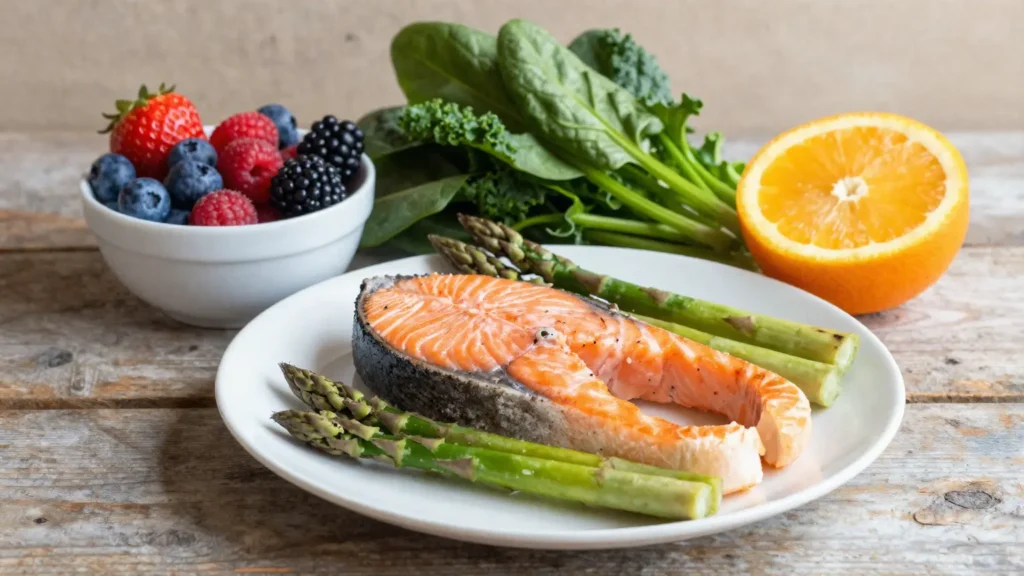
Eat and Grow Thin, Vance Thompson’s seminal work from 1914, remains a fascinating read even after over a century since its publication. This groundbreaking book was one of the first to advocate for low-carbohydrate diets, making it a precursor to many modern dietary trends. Thompson’s ideas were revolutionary for his time, and they continue to intrigue readers today who are looking for unique approaches to weight loss and overall health.
Imagine flipping through pages filled with advice that challenges conventional wisdom about what we should eat. Thompson’s book is not just another diet manual; it’s a personal journey of discovery and transformation. From its first publication in 1914 until well into the 20th century, “Eat and Grow Thin” maintained a loyal readership, thanks to its bold assertions about carbohydrate restriction and protein consumption.
In this guide, Thompson advocates for a diet rich in proteins and low on carbohydrates, an approach that might sound familiar to those following contemporary diets like keto or paleo. But what makes Thompson’s work stand out is the context of when it was written – long before scientific research provided detailed information about nutrition and its impact on health. Readers can’t help but wonder how a diet from nearly 100 years ago could still hold relevance in today’s world.
As we dive into “Eat and Grow Thin,” each page offers insights that challenge our modern understanding of food, nutrition, and wellness. Thompson’s recommendations may seem radical, but they spark curiosity about the evolution of dietary science over time.
What Foods Can I Eat on the Eat and Grow Thin Diet?
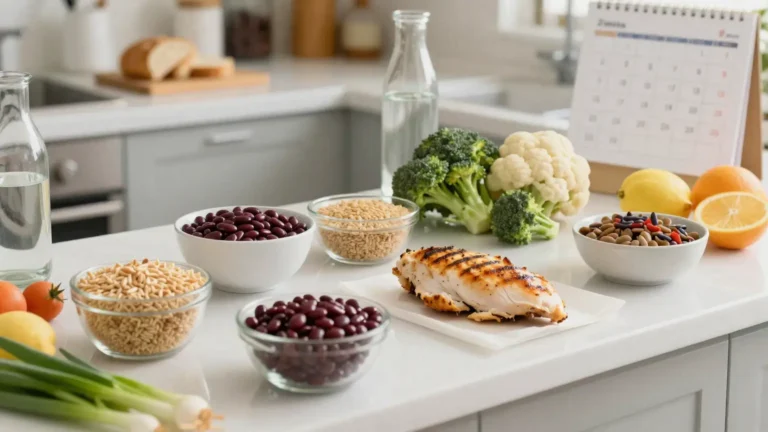
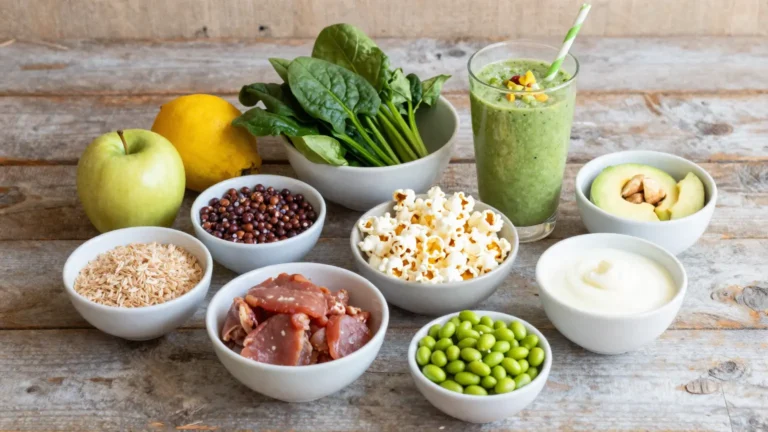
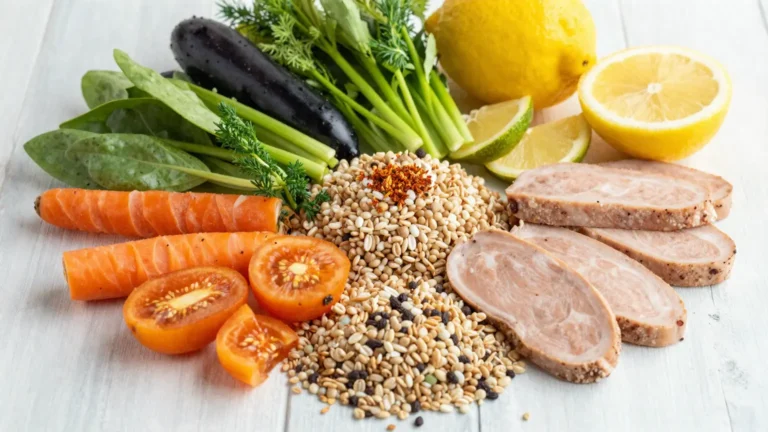
When delving into the dietary recommendations outlined by Vance Thompson in “Eat and Grow Thin,” readers will find a list of foods that are both surprising and thought-provoking. Thompson’s diet emphasizes high protein intake, which includes meat, fish, eggs, cheese, and nuts. These protein sources form the backbone of his meal plan, providing essential amino acids necessary for muscle repair and overall health.
In stark contrast to modern dietary guidelines, Thompson strictly limits carbohydrate consumption. This means that foods such as bread, pasta, rice, potatoes, sugar, and even fruits are generally off-limits. The rationale behind this restriction is based on his belief that carbohydrates lead to weight gain and other health issues. While these ideas may seem extreme today, they were groundbreaking in the early 20th century.
The diet also includes a ban on dairy products, which was particularly controversial for its time. Thompson argued that milk and cheese could be fattening and contribute to various ailments. This ban extends to all dairy except certain cheeses like Roquefort, which he believed had health benefits due to their low carbohydrate content.
Another interesting aspect of the diet is the exclusion of pork. Thompson felt that pork was unhealthy and should not be part of a balanced meal plan. This recommendation seems particularly stringent compared to modern dietary advice, where lean cuts of pork are often considered acceptable in moderation.
By focusing on these specific food groups and excluding others, Thompson’s approach creates a stark contrast between traditional and contemporary nutritional wisdom. His diet is designed to shift the body’s metabolism towards burning fat rather than carbohydrates, an idea that has gained traction with modern low-carbohydrate diets like keto. As you read through “Eat and Grow Thin,” it becomes clear how much of our current understanding of nutrition owes a debt to pioneers like Vance Thompson.
Did you know that in the early 20th century, many people believed that eating less would automatically lead to better health? This misconception contributed to the initial popularity of diets like “Eat and Grow Thin,” which offered radical new ideas about food and health.
Recommended Food Groups in Eat and Grow Thin
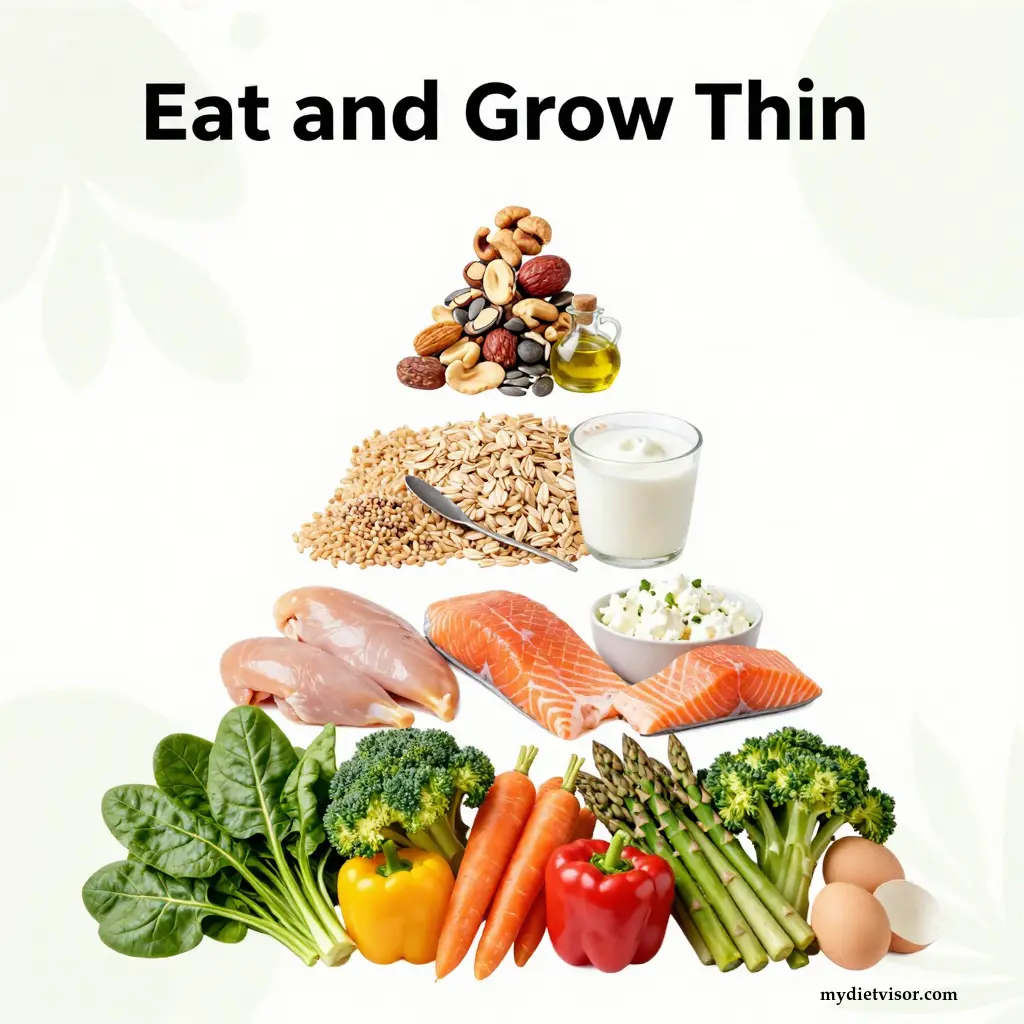
As readers explore the food groups recommended and excluded by Vance Thompson’s “Eat and Grow Thin,” they are likely to find themselves questioning many long-held beliefs about healthy eating. Vegetables play a nuanced role in Thompson’s diet plan; while some vegetables like leafy greens, asparagus, celery, cabbage, broccoli, and tomatoes are allowed, others rich in carbohydrates such as corn, peas, lima beans, beets, carrots, parsnips, turnips, and potatoes are discouraged. This selective inclusion of certain vegetables emphasizes Thompson’s focus on limiting starchy foods that could potentially hinder weight loss efforts.
One area where “Eat and Grow Thin” diverges significantly from today’s nutritional advice is its recommendation to avoid fruits. While many modern diets encourage the consumption of fruits for their vitamins, minerals, and fiber content, Thompson argued that fruits are high in natural sugars and should be minimized or even eliminated entirely. This recommendation might seem counterintuitive to those who believe in the health benefits of a fruit-rich diet.
In addition to meat, eggs, and cheese, nuts occupy an important place within Thompson’s dietary guidelines due to their protein content and healthy fats. However, he specifically advises against consuming peanuts and cashews, despite their popularity today as sources of plant-based protein and essential nutrients. This selective approach highlights the individualized nature of his recommendations.
Another crucial element in “Eat and Grow Thin” is the emphasis on hydration through water consumption rather than beverages that contain calories or sugar. Thompson encourages drinking plenty of pure water throughout the day to help with digestion, satiety, and overall health. This advice underscores a holistic approach to nutrition that goes beyond just food selection.
While reading about these specific dietary guidelines, one might wonder how such strict limitations were accepted by readers at the time. Thompson’s persuasive writing style likely played a significant role in gaining adherents for his diet plan. By presenting his ideas as revolutionary and backed by personal experience, he managed to captivate an audience seeking new methods of weight loss and health improvement.
As you explore Thompson’s dietary recommendations further, it becomes evident that “Eat and Grow Thin” is not just about losing weight; it’s also a critique of conventional wisdom regarding nutrition. The book challenges readers to rethink their assumptions about food and its impact on health, much like contemporary diet books do today.
Despite the criticisms, Vance Thompson’s work was so influential that it inspired subsequent generations of diet writers and researchers who sought to refine or challenge his ideas.
Which Foods Should Be Avoided or Limited?
When Vance Thompson outlines what foods to avoid or limit in “Eat and Grow Thin,” he presents a list that might seem restrictive but offers intriguing insights into the relationship between diet and health. Dairy products, which are now widely recognized for their calcium content and other nutrients, were heavily discouraged by Thompson. He believed that dairy could lead to weight gain and various health issues, advocating instead for cheese options like Roquefort due to its low carbohydrate profile.
In addition to dairy, pork is another food group explicitly banned in the diet. Thompson argued that pork was unhealthy compared to other meats, a view starkly different from today’s nutritional guidelines which suggest lean cuts of pork can be part of a healthy diet. This ban on pork underscores Thompson’s focus on avoiding foods he considered harmful or fattening.
The inclusion and exclusion criteria for vegetables in the diet are another interesting aspect. While leafy greens, asparagus, celery, cabbage, broccoli, tomatoes, and cucumbers were generally allowed due to their low carbohydrate content, starchy vegetables like corn, peas, lima beans, beets, carrots, parsnips, turnips, and potatoes were discouraged. Thompson’s rationale was that these vegetables could hinder weight loss goals due to their higher carbohydrate count.
One of the most surprising recommendations is the complete avoidance or severe limitation of fruits. Modern dietary guidelines often emphasize the importance of incorporating a variety of fruits into one’s diet for their vitamins, minerals, and fiber content. However, Thompson believed that fruits were high in natural sugars and should be minimized to avoid potential weight gain. This advice might seem counterintuitive today but reflects the diet’s overarching goal of reducing carbohydrate intake.
Another critical point is the restriction on grains and starches. Foods such as bread, pasta, rice, and other cereal products are entirely off-limits in Thompson’s plan. His reasoning was that these foods would cause weight gain due to their high carbohydrate content. This stark contrast with modern nutritional advice highlights the radical nature of his approach.
Moreover, Thompson’s diet also includes the exclusion of certain beverages, particularly those containing sugar or alcohol. He advocated for drinking plenty of water throughout the day as a means of staying hydrated and supporting overall health. Beverages that add unnecessary calories, like soda and juice, were discouraged in favor of pure water.
By carefully selecting which foods to exclude from his diet plan, Thompson aimed to shift readers’ focus towards protein-rich meals and away from carbohydrate-heavy options. This selective approach not only aims at weight loss but also seeks to improve overall health by eliminating what he considered harmful or fattening foods.
Despite the controversy surrounding “Eat and Grow Thin,” Vance Thompson’s work was one of the first to advocate for low-carbohydrate diets, inspiring later researchers to delve deeper into the effects of carbohydrate restriction on weight loss and metabolic health.
Nutritional Benefits and Drawbacks of the Eat and Grow Thin Diet
Considering the diet outlined by Vance Thompson in “Eat and Grow Thin,” there are both potential benefits and significant drawbacks that readers should be aware of. One clear benefit is the emphasis on high protein intake, which can help individuals feel fuller for longer periods, aiding in weight loss efforts. Protein-rich foods also play a crucial role in muscle maintenance and repair, supporting overall bodily functions.
However, Thompson’s strict carbohydrate restriction poses several challenges. While low-carb diets have been shown to promote rapid initial weight loss due to reduced water retention and glycogen stores, this approach can lead to nutritional deficiencies if not carefully managed. The absence of fruits and many vegetables in the diet means that essential vitamins, minerals, and fiber are often lacking, which could negatively impact digestive health and overall well-being.
Another drawback is the exclusion of dairy products, including milk and yogurt, which contain important nutrients such as calcium, vitamin D, and probiotics. Thompson’s ban on these items may not only limit bone health but also disrupt gut flora balance due to the lack of probiotic-rich foods. Additionally, his recommendation against consuming pork could be seen as overly restrictive when considering lean cuts of pork can provide valuable protein and other nutrients.
Moreover, the diet’s strict limitations on grains and starches might deprive individuals of complex carbohydrates that are essential for sustained energy levels throughout the day. While avoiding refined sugars is generally beneficial, excluding all forms of bread, pasta, rice, and cereals could lead to imbalances in blood sugar levels and energy fluctuations.
One major concern with following “Eat and Grow Thin” is the potential for nutritional deficiencies due to its stringent food restrictions. For instance, limiting fruits can deprive individuals of essential antioxidants that help combat oxidative stress and support immune function. Similarly, avoiding certain vegetables reduces intake of dietary fiber, which aids in digestion and helps maintain a healthy gut microbiome.
On the other hand, Thompson’s focus on drinking plenty of water is beneficial for hydration and detoxification processes within the body. His advice to stay hydrated can help with reducing bloating, improving kidney function, and enhancing overall metabolic health. This aspect aligns well with modern nutritional guidelines that emphasize adequate fluid intake as a key component of wellness.
Despite these benefits, it’s important to consider how such restrictive dietary practices might affect mental health and long-term adherence. Many people find it challenging to follow diets that severely limit food choices over extended periods, leading to feelings of deprivation or rebellion against the diet itself. This psychological aspect can undermine the effectiveness of any weight loss plan, regardless of its nutritional merits.
In conclusion, while “Eat and Grow Thin” offers interesting insights into early 20th-century dietary thinking and has influenced subsequent generations of diet writers, it also presents significant nutritional challenges that may not align with contemporary health recommendations. Readers interested in adopting Thompson’s approach should carefully weigh these pros and cons before embarking on his diet plan.
Have you ever tried a low-carb diet similar to “Eat and Grow Thin”? How did your experience compare to what Vance Thompson recommended?
Sample Meal Plan for a Week Using Eat and Grow Thin Principles
To better understand how to apply the principles of Vance Thompson’s “Eat and Grow Thin” diet to modern meal planning, let’s look at an example week that adheres closely to his dietary guidelines. This sample plan focuses on high protein intake while minimizing carbohydrates, dairy products, fruits, and grains.
Breakfast Options
A typical breakfast under this diet might include:
- Eggs: Scrambled eggs or omelets with cheese (excluding milk) and vegetables such as spinach, tomatoes, and mushrooms.
- Meat-based Omelet: Using ingredients like ham, turkey bacon, or cooked ground beef alongside the same vegetable mix.
Lunch Suggestions
Lunch can be centered around protein-rich meals:
- Grilled Chicken Salad: A bed of mixed greens topped with grilled chicken breast, sliced avocado (for healthy fats), and nuts. Dressing should consist of olive oil and lemon juice.
- Turkey Wrap: Turkey slices wrapped in lettuce leaves (to avoid grains) with mustard or cheese like Roquefort.
Dinner Ideas
Evenings can feature more substantial protein servings:
- Baked Salmon: Accompanied by steamed broccoli and a side of green beans, seasoned lightly with herbs and olive oil.
- Beef Stir-Fry: Sautéed beef strips with bell peppers (excluding starchy vegetables like potatoes), onions, and other non-starchy vegetables.
Snacks
Healthy snacks should also align with the diet’s principles:
- Cheese & Nuts: A mix of hard cheeses such as Roquefort or cheddar paired with macadamia nuts.
- Egg Salad: Made from boiled eggs mixed with mayonnaise and seasonings, served on a lettuce leaf.
Fluid Intake
Throughout the day, it’s crucial to stay hydrated by drinking plenty of water. Avoid sugary drinks and opt for unsweetened tea or coffee if needed.
This sample week offers a glimpse into how “Eat and Grow Thin” can be adapted to fit contemporary lifestyles while adhering to Thompson’s original guidelines. Each meal is designed to provide sustained energy through high protein content, minimizing the intake of starchy vegetables, fruits, dairy (except certain cheeses), grains, and sugar-laden beverages.
As you explore implementing this diet, it’s essential to monitor your body’s response and make adjustments if necessary. How do these meals resonate with your current dietary habits? Are there specific challenges or benefits that stand out as you consider Thompson’s recommendations?
Reflecting on your experience with “Eat and Grow Thin,” which meal from the sample week was most appealing, and why did it resonate with you?
How Does the Eat and Grow Thin Diet Compare to Other Diets?
When comparing “Eat and Grow Thin” to other popular diets of today, several similarities and differences become apparent. Modern low-carbohydrate diets like keto or Atkins share a common thread with Thompson’s approach by focusing on high protein consumption and minimizing carbohydrate intake. However, Thompson’s diet goes beyond this basic principle by incorporating additional restrictions that are unique to his era.
One major distinction lies in the specific foods recommended and those banned. For instance, while modern diets often encourage moderate dairy consumption for its nutritional benefits, Thompson’s strict ban on most dairy products sets him apart. This stance contrasts sharply with contemporary guidelines that recognize the importance of calcium and vitamin D found in milk and yogurt for bone health.
Similarly, Thompson’s complete avoidance of fruits diverges from current recommendations that emphasize a variety of whole foods including fruits. Modern diets generally advocate for incorporating fruit to meet daily nutritional needs, highlighting discrepancies between early 20th-century thinking and today’s more nuanced understanding of dietary guidelines.
Another notable difference is the inclusion or exclusion of certain vegetables. Thompson’s selective approach towards starchy vegetables versus leafy greens shows how his diet was tailored to reduce carbohydrate intake significantly. In contrast, modern diets often advise a balanced consumption of all types of vegetables for their diverse nutrient profiles and health benefits.
| Eat and Grow Thin | Modern Keto Diet |
|---|---|
| Emphasizes high protein intake | Focuses on very low carbohydrate intake (<50g/day) |
| Banned dairy except certain cheeses | Allows all types of cheese but recommends full-fat options for satiety |
| Avoids fruits entirely | Encourages limited consumption of berries and avocados |
| Includes leafy greens, asparagus, celery, cabbage | Allows all vegetables with preference for low-carb varieties |
The modern keto diet also places a strong emphasis on fat intake to compensate for the lack of carbohydrates. Thompson’s recommendations do not explicitly mention high-fat foods like nuts and oils in the same way that contemporary diets do, suggesting a less holistic approach towards macronutrient balance.
Moreover, the psychological impact of adhering to such restrictive dietary guidelines should be considered. While modern low-carb diets often provide flexibility with meal plans and allow occasional indulgences, Thompson’s diet might present challenges in terms of long-term adherence due to its stringent nature. This could lead to feelings of deprivation or rebellion against the strict rules set forth by the diet.
In summary, while “Eat and Grow Thin” shares foundational principles with modern low-carbohydrate diets such as high protein intake and carbohydrate restriction, it diverges significantly in other aspects like food exclusions and flexibility. These differences highlight how dietary recommendations have evolved over time based on advances in nutritional science and a better understanding of long-term health outcomes.
Have you ever tried following a diet that was similarly restrictive to “Eat and Grow Thin”? How did the experience impact your relationship with food and overall well-being?
Conclusion: Is Eat and Grow Thin Right for You?
In conclusion, “Eat and Grow Thin” offers a unique glimpse into early 20th-century dietary thinking, challenging conventional wisdom about food and nutrition. Thompson’s emphasis on high protein intake and strict carbohydrate restriction aligns with modern low-carb diets like keto but diverges significantly in other aspects such as the complete ban on fruits and most dairy products. While his diet sparked revolutionary ideas that influenced later generations of health advocates, it also presents nutritional challenges that may not suit everyone’s needs today. As you consider whether “Eat and Grow Thin” is right for you, reflect on your current dietary habits and consult with a healthcare professional to ensure any changes align with your overall health goals.
Frequently Asked Questions (FAQ)
What is the Eat and Grow Thin diet?
The Eat and Grow Thin diet was authored by Dr. Lulu Hunt Peters in 1918 and focuses on a low-carbohydrate approach to weight loss.
How does the Eat and Grow Thin diet help with weight loss?
By reducing carbohydrate intake, the body shifts its metabolism from burning glucose for energy to using stored fat, leading to weight loss.
Can you eat fruits and vegetables on the Eat and Grow Thin diet?
Yes, but it’s important to choose those low in sugar. Vegetables like leafy greens are encouraged while sugary fruits should be limited.
Are there any specific foods that should never be consumed according to the Eat and Grow Thin diet?
The book lists several “forbidden” foods including bread, potatoes, candy, and other high-carb items.
Is the Eat and Grow Thin diet safe for people with diabetes?
While it can help control blood sugar levels due to its low carb nature, it’s important for diabetics to consult their doctor before starting any new diet plan.
How long does it typically take to see results from the Eat and Grow Thin diet?
Results vary based on individual factors but many users report seeing initial weight loss within weeks of beginning the diet.
Does the Eat and Grow Thin diet include an exercise regimen?
The book doesn’t focus much on exercise, emphasizing diet changes as the primary method for weight loss.
Can I still eat out when following the Eat and Grow Thin diet?
It’s challenging but possible. Choose restaurants that offer more natural food options or dishes with less carbohydrate content.
Is there a need to take any supplements while on the Eat and Grow Thin diet?
The book does not recommend specific supplements, but a multivitamin might be beneficial if you’re restricting certain foods.
How do I know when it’s time to stop following the Eat and Grow Thin diet?
Once your weight loss goals are met and you’ve achieved a healthy balance of eating habits. It’s important to transition to a sustainable long-term plan.