
Fit for Life Overview: Principles and Philosophy

The Fit for Life diet, developed by Harvey and Marilyn Diamond, has been a popular choice for those seeking an alternative to traditional weight loss methods since the mid-1980s. Rooted in orthopathy – a holistic approach that focuses on natural healing through proper nutrition – the program’s core philosophy revolves around specific food combinations aimed at promoting health and aiding weight loss without the need for calorie counting or rigorous exercise routines.
At its heart, Fit for Life encourages a radical shift in how you think about your meals. The cornerstone of this diet is the fruit-only breakfast rule, which suggests starting each day with fresh fruits to aid digestion and kickstart the body’s detoxification processes. According to Diamond, eating other foods along with fruits can negate their natural benefits, leading to potential digestive issues and slower metabolism.
Another key principle is the separation of certain food groups during meals. This means avoiding the combination of proteins and carbohydrates in the same sitting – a practice that many proponents claim leads to digestive discomfort and weight gain. Dairy products are largely discouraged as well, with Diamond arguing they can cause allergic reactions and are less nutritious than plant-based alternatives.
These rules might sound intriguing but also challenging for many people used to a more flexible approach to eating. As you delve deeper into the philosophy behind Fit for Life, questions about its practicality and effectiveness naturally arise. Is it truly possible to achieve long-term health benefits by adhering strictly to these guidelines? And how do such strict dietary rules impact your daily life?
Exploring the principles of Fit for Life can be both enlightening and thought-provoking as you consider whether this approach aligns with your personal health goals and lifestyle preferences.
Recommended Food Groups in Fit for Life
The Fit for Life diet emphasizes specific food groups and combinations, each with its own set of benefits and rules. According to the program, fruits are categorized as a standalone group due to their unique digestive properties. Harvey Diamond suggests starting your day with fresh fruits because they are easily digestible and provide immediate energy without overwhelming your digestive system.
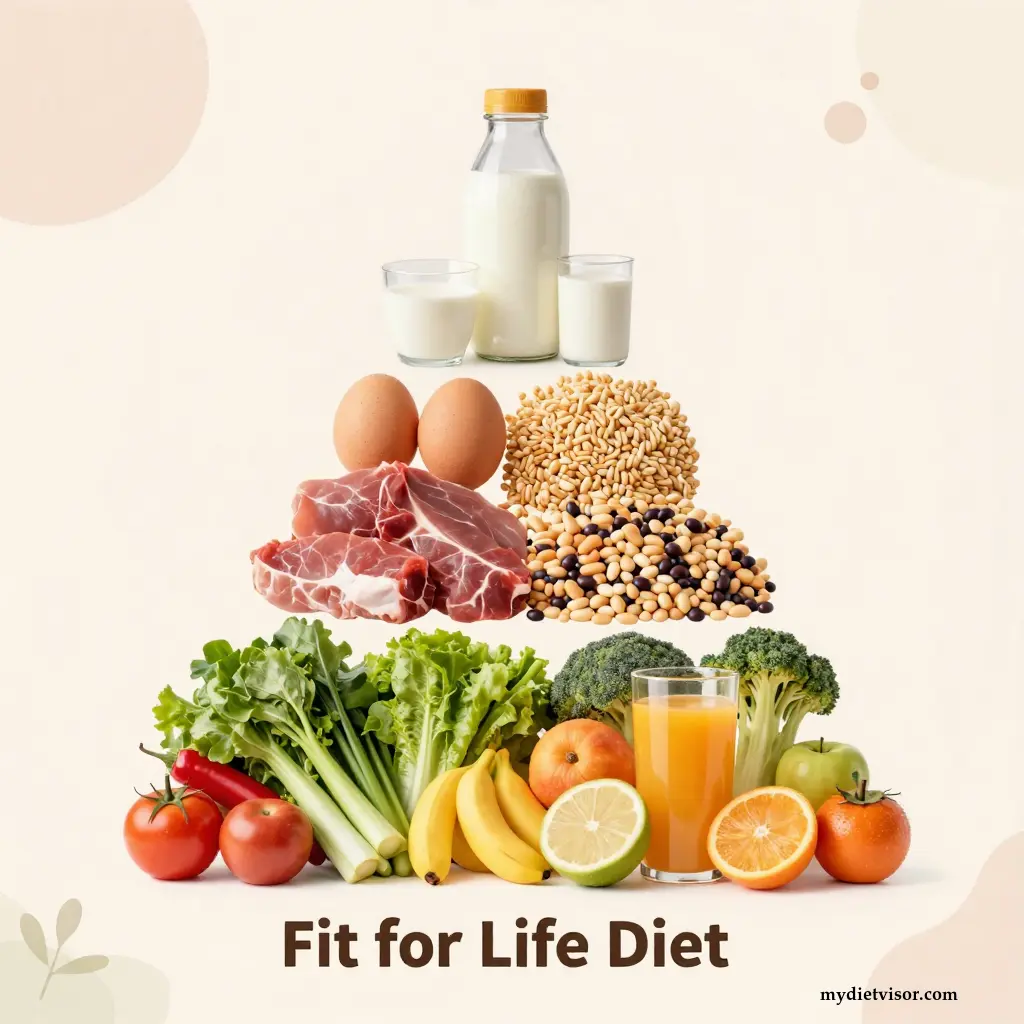
When it comes to other food groups, the diet recommends separating proteins from carbohydrates during meals. This means eating complex carbs like grains, breads, and starchy vegetables on their own, while protein-rich foods such as meats, eggs, and legumes should also be consumed separately. For example, a typical Fit for Life meal might include a large salad with raw vegetables and beans or a plate of steamed broccoli with tofu.
Dairy products are generally discouraged, including milk, cheese, and yogurt, since Diamond believes they can cause digestive issues and allergies. Instead, the diet promotes plant-based alternatives like almond milk, soy yogurt, and calcium-fortified juices to meet your nutritional needs without compromising on taste or variety.
Vegetables play a crucial role in the Fit for Life diet as well. They are considered neutral foods that can be combined freely with either proteins or carbohydrates, making them an essential part of every meal. Incorporating raw vegetables into salads and smoothies is encouraged since these retain their natural enzymes and nutrients better than cooked versions.
As you explore the recommended food groups in the Fit for Life diet, it’s important to consider how these guidelines might fit into your existing eating habits and nutritional needs. While adhering strictly to such rules can be challenging, many find that incorporating some of its principles, like prioritizing fruits or focusing on separate food groups during meals, can lead to better digestive health and weight management.
The Fit for Life diet has been translated into over 35 languages and continues to influence dietary trends around the world, despite ongoing debates about its effectiveness.
Forbidden or Limited Foods on the Fit for Life Plan
The Fit for Life diet imposes strict guidelines about which foods should be avoided or limited, making it essential to understand these restrictions if you plan to follow the program. Dairy products are largely off-limits, including milk, cheese, and yogurt, due to Diamond’s belief that they can cause digestive issues and allergies. Instead of relying on dairy for calcium, Fit for Life recommends incorporating plant-based alternatives like almond milk, soy yogurt, and fortified juices.
Moreover, the diet advises against mixing proteins with carbohydrates during meals, which eliminates many common combinations from your eating habits. For example, you might avoid having pasta with chicken or rice with fish because these mixtures are thought to slow down digestion and hinder nutrient absorption. This rule can be challenging for those who enjoy varied meal combinations but is seen as a way to improve digestive efficiency according to the program’s philosophy.
Water intake during meals is another area where Fit for Life sets limitations, suggesting that drinking water with food dilutes your natural digestive juices. Instead, it recommends sipping on water between meals or at least 30 minutes before eating and an hour after a meal to allow proper digestion without interfering with the body’s natural processes.
These restrictions can make adhering to the Fit for Life diet feel restrictive and may require significant adjustments in your daily eating habits. > Despite these limitations, some followers find that incorporating parts of the program into their regular diet leads to improved digestive health and better weight management.
Nutritional Benefits of Following Fit for Life
The Fit for Life diet, while controversial, offers several nutritional benefits when followed correctly. Focusing on fruits as a primary breakfast option can provide an abundance of vitamins, minerals, and antioxidants that are essential for maintaining overall health. Fresh fruits are particularly high in fiber, which aids digestion and helps you feel full longer.
By separating proteins from carbohydrates during meals, the diet aims to optimize digestive efficiency and nutrient absorption. This separation, according to supporters, allows your body to process each food group more effectively without overburdening the digestive system. For instance, eating a salad with beans or steamed broccoli with tofu separately can enhance how well your body breaks down and utilizes these nutrients.
Incorporating plenty of vegetables into daily meals is another key aspect of Fit for Life. These neutral foods are encouraged to be combined freely with either proteins or carbohydrates, ensuring that you receive a wide range of essential vitamins and minerals from diverse sources. Including raw vegetables in salads and smoothies not only enhances flavor but also preserves the natural enzymes and nutrients intact.
Furthermore, while dairy products are discouraged due to potential digestive issues, Fit for Life offers nutritious plant-based alternatives rich in calcium and other vital nutrients. For instance, almond milk and fortified juices can provide comparable nutritional value without compromising on taste or variety.
However, it’s important to note that adhering strictly to these guidelines might necessitate significant lifestyle changes and could potentially lead to deficiencies if not carefully managed. For example, avoiding dairy entirely may result in lower intakes of calcium unless you’re diligent about incorporating plant-based sources into your diet regularly.
Considering the nutritional benefits alongside potential challenges, it’s crucial to weigh whether Fit for Life aligns with your personal health goals and dietary habits. While some find that following these principles leads to improved digestive health and better weight management, others might struggle with the strict rules and limitations imposed by the diet.
Drawbacks and Risks Associated with Fit for Life
The strict guidelines set forth by the Fit for Life diet can pose several drawbacks and risks, particularly when followed without professional oversight. One major concern is the potential for nutritional deficiencies, especially when dairy products are entirely avoided. Dairy provides essential nutrients such as calcium, vitamin D, and protein, which are crucial for bone health and overall well-being. Without proper supplementation or alternative sources, individuals on this diet might face an increased risk of osteoporosis and other related conditions.
Furthermore, the strict separation of proteins from carbohydrates can limit meal variety and make it difficult to consume a balanced diet. This rigid approach could inadvertently lead to overeating certain food groups while neglecting others, which might result in imbalances that aren’t immediately obvious but can affect long-term health negatively. For instance, some people might find themselves consuming large amounts of carbohydrates without adequate protein, potentially leading to muscle loss and decreased metabolic rate.
Another significant risk associated with Fit for Life is its impact on digestive health. Avoiding water during meals goes against conventional medical advice, which often recommends staying hydrated throughout the day to maintain proper digestion and prevent constipation. This practice might cause dehydration or other gastrointestinal issues if not balanced carefully. Additionally, the strict rules about food combinations can be stressful and lead to anxiety around eating, particularly in social settings where adhering to these guidelines is challenging.
For many individuals, the dietary restrictions imposed by Fit for Life may seem overly restrictive and unrealistic for long-term adherence. The diet’s radical approach might make it difficult to follow consistently without feeling deprived or unsatisfied with food choices. This could lead to feelings of frustration and ultimately cause people to abandon the program in favor of less strict but more sustainable methods.
While some proponents claim that Fit for Life has helped them achieve significant weight loss and improved digestive health, there is a lack of substantial scientific evidence supporting these claims. Health experts generally advise against diets that promise quick fixes without addressing underlying lifestyle factors such as stress management and regular physical activity. It’s essential to consult with healthcare professionals before making drastic changes to your diet, especially if you have existing medical conditions or nutrient deficiencies.
In conclusion, while the Fit for Life diet might seem appealing due to its unique approach and holistic philosophy, it carries several risks and drawbacks that should not be overlooked. As always, a balanced and varied diet combined with regular exercise remains one of the most effective and sustainable ways to maintain good health in the long run.
Despite criticism from many health professionals, Fit for Life continues to have a dedicated following decades after its initial publication, highlighting the enduring appeal of diets that offer simple solutions for complex health issues.
Sample Meal Plan for a Week Using Fit for Life Guidelines
Crafting meals according to the Fit for Life guidelines requires careful planning and creativity. Below is an example of how you might structure your weekly meals while adhering to its rules. Remember, this plan can be adapted based on individual preferences and nutritional needs.
Monday:
- Breakfast: Fresh fruit salad (mangoes, strawberries, grapes)
- Lunch: Large green salad with mixed vegetables and chickpeas
- Dinner: Steamed broccoli and tofu stir-fry
Tuesday:
- Breakfast: Orange slices and pineapple chunks
- Lunch: Grilled zucchini and eggplant stuffed with quinoa
- Dinner: Baked sweet potatoes topped with avocado and salsa
Wednesday:
- Breakfast: Banana smoothie made with almond milk and chia seeds
- Lunch: Bean soup (made without any added dairy products)
- Dinner: Stir-fried mixed vegetables over brown rice
Thursday:
- Breakfast: Papaya and kiwi slices
- Lunch: Lentil salad with plenty of raw veggies like cucumbers, bell peppers, and tomatoes
- Dinner: Grilled vegetable skewers (bell peppers, onions, mushrooms) served with a side of hummus
Friday:
- Breakfast: Fresh strawberries and blueberries
- Lunch: Raw veggie wrap using a tortilla filled with shredded lettuce, carrots, bell peppers, and beans
- Dinner: Grilled portobello mushrooms topped with sun-dried tomatoes and spinach
Saturday:
- Breakfast: Mango smoothie bowl garnished with granola and coconut flakes
- Lunch: Chickpea salad (cooked chickpeas mixed with cucumber, tomato, and parsley)
- Dinner: Grilled vegetable pasta with a light olive oil dressing
Sunday:
- Breakfast: Grapefruit and apple slices
- Lunch: Lentil curry served over steamed cauliflower rice
- Dinner: Baked acorn squash filled with quinoa and black beans
Each meal in this plan focuses on providing a balanced mix of nutrients while adhering to the principles of Fit for Life. The variety helps prevent monotony, making it easier to stick to the diet long-term.
Considering the practicality and sustainability of such meals can be challenging but also rewarding for those committed to exploring alternative dietary approaches. Would you find this meal plan feasible or would you need modifications to better suit your tastes and lifestyle?
Alternative Diets to Fit for Life: Comparisons and Considerations
When considering whether Fit for Life is right for you, it’s helpful to explore other diets that share similar goals but offer different approaches. Some popular alternatives include the Mediterranean diet, the Flexitarian diet, and Intermittent Fasting.
Mediterranean Diet
The Mediterranean diet emphasizes whole foods such as fruits, vegetables, grains, legumes, nuts, and healthy fats like olive oil. Unlike Fit for Life’s strict rules about food combinations and timing, this approach encourages a balanced intake of macronutrients at every meal without rigid restrictions.
| Feature | Fit for Life | Mediterranean Diet |
|---|---|---|
| Primary Focus | Specific Food Combinations | Balanced Intake of Whole Foods |
| Restrictions | No Mixing Proteins and Carbs, Avoid Dairy | No Refined Sugars, Limited Red Meat |
| Benefits | Improved Digestive Health | Heart Health, Weight Loss |
| Drawbacks | Nutritional Deficiencies Possible | Requires Strict Adherence |
The Mediterranean diet is backed by extensive scientific research and has been shown to reduce the risk of heart disease, diabetes, and other chronic conditions. It offers a more flexible approach compared to Fit for Life’s rigid rules.
Flexitarian Diet
The Flexitarian diet, also known as semi-vegetarianism, encourages plant-based eating while allowing flexibility with meat consumption on occasion. This diet is less restrictive than Fit for Life but still promotes healthier food choices and weight management.
| Feature | Fit for Life | Flexitarian Diet |
|---|---|---|
| Primary Focus | Specific Food Combinations | Plant-Based Eating with Occasional Meat |
| Restrictions | No Mixing Proteins and Carbs, Avoid Dairy | Limited Meat Consumption |
| Benefits | Improved Digestive Health | Weight Loss, Cardiovascular Health |
| Drawbacks | Nutritional Deficiencies Possible | Lack of Strict Guidelines for Certain Foods |
Flexitarianism allows individuals to enjoy a variety of foods while still adhering to health-conscious principles. This diet is often easier to maintain long-term due to its flexibility and lack of stringent rules.
Intermittent Fasting
Unlike Fit for Life’s focus on specific food combinations, intermittent fasting revolves around managing eating periods rather than the types of food consumed. Common methods include 16:8 (fasting for 16 hours with an 8-hour window to eat) or 5:2 (eating normally five days a week and limiting calorie intake on two non-consecutive days).
| Feature | Fit for Life | Intermittent Fasting |
|---|---|---|
| Primary Focus | Specific Food Combinations | Controlled Eating Periods |
| Restrictions | No Mixing Proteins and Carbs, Avoid Dairy | Time-Restricted Feeding |
| Benefits | Improved Digestive Health | Weight Loss, Cellular Repair |
| Drawbacks | Nutritional Deficiencies Possible | Hunger During Fasting Periods |
Intermittent fasting can be a viable alternative for those who find Fit for Life too restrictive. It focuses on optimizing meal times rather than specific food choices, offering a different perspective on how and when to eat.
When choosing between these diets or sticking with Fit for Life, it’s important to consider your personal health goals, lifestyle, and dietary preferences. Each diet offers unique benefits but also comes with potential drawbacks that need careful consideration. By understanding the principles behind each approach, you can make an informed decision that aligns best with your needs.
As you explore these alternatives, reflect on which diet resonates most with your values and eating habits. Would a flexible plant-based diet like Flexitarian or a meal timing-focused regimen like Intermittent Fasting feel more sustainable in the long term compared to Fit for Life’s strict rules? The key is finding an approach that supports both your physical health and mental well-being without feeling overly restrictive.
Do I Need Dietary Supplements While Following Fit for Life?
While the Fit for Life diet emphasizes specific food combinations and restrictions, it’s important to consider whether you need dietary supplements to ensure your body receives all necessary nutrients. Avoiding dairy products, which are rich in calcium, vitamin D, and protein, can put individuals at risk of deficiencies if not adequately replaced with plant-based alternatives.
Calcium Deficiency: Since Fit for Life discourages the consumption of milk, cheese, and yogurt, it’s crucial to incorporate other sources such as fortified plant milks, leafy greens like kale and spinach, or supplements. Calcium is essential for bone health, muscle function, and nerve signaling.
Vitamin D: Adequate levels of vitamin D are vital for calcium absorption and overall immune support. Given the emphasis on avoiding dairy products in Fit for Life, it’s advisable to get your vitamin D from sunlight exposure or fortified foods like almond milk or orange juice if you’re not getting enough through diet alone.
Protein Intake: While proteins can be sourced from plant-based options such as beans, lentils, and tofu, many people might still require additional protein supplements to meet their daily needs. Protein is crucial for muscle maintenance, cell repair, and hormone production.
Did you know that some studies suggest a link between low vitamin D levels and increased susceptibility to certain diseases? This underscores the importance of maintaining adequate nutrient intake when following restrictive diets like Fit for Life.
Moreover, vitamin B12 deficiency is another potential concern. Since this essential vitamin is primarily found in animal products, those avoiding dairy and meat might need to rely on fortified cereals, nutritional yeast, or supplements to prevent anemia and neurological issues.
It’s crucial to consult with a healthcare provider before starting any dietary changes or supplement regimen. They can help assess your individual needs based on factors such as age, sex, health status, and activity levels. This personalized approach ensures that you meet all necessary nutrient requirements while following the Fit for Life diet without compromising your overall health.
Incorporating supplements strategically into your daily routine might seem daunting initially but can provide peace of mind knowing you’re covering all nutritional bases. Would you find it challenging to include these supplements or do you already have a well-rounded approach that meets your dietary needs?
Is Fit for Life Safe for All Members of My Family?
When considering whether the Fit for Life diet is suitable for your entire family, it’s crucial to evaluate how these strict guidelines might affect individuals with varying ages and health conditions. For instance, children, who are still growing rapidly and require a diverse range of nutrients, might face challenges in meeting their nutritional needs under such restrictive rules.
Adults who have different dietary habits and lifestyles may also find it difficult to adhere strictly to the diet’s guidelines without experiencing frustration or nutritional imbalances. Elderly family members, often with more complex medical conditions and potential medication interactions, could be at a higher risk of nutrient deficiencies if they follow the diet too closely.
Adhering to Fit for Life requires significant lifestyle changes that might not be practical or necessary for everyone in your household. For example, preparing separate meals based on food group separation can become cumbersome and time-consuming. Moreover, social eating situations outside the home become more challenging as adherents need to navigate a variety of dietary restrictions while maintaining adherence.
The Fit for Life diet has influenced numerous other diets and wellness trends over the decades, despite ongoing debates about its effectiveness and safety.
It’s important to weigh these factors against potential benefits like improved digestive health or weight management. Consulting with healthcare professionals such as registered dietitians can provide personalized advice tailored to each family member’s unique needs and circumstances. They can help identify any risks associated with following Fit for Life strictly and suggest modifications that promote a balanced, sustainable approach to nutrition.
Would you find it easier to adopt parts of the Fit for Life philosophy while still maintaining flexibility in your eating habits? Considering the diverse needs within your household, finding a middle ground might be more practical than adhering rigidly to all its rules.
Conclusion on Fit for Life Diet Pros and Cons
The Fit for Life diet, with its distinctive approach to food combinations and restrictions, offers a unique perspective on achieving better health and weight management. From the fruit-only breakfast rule to the separation of proteins and carbohydrates, the program’s principles aim to optimize digestion and nutrient absorption. However, it also comes with significant drawbacks, such as potential nutritional deficiencies and the challenge of maintaining strict adherence over time. As you weigh whether Fit for Life aligns with your health goals, consider exploring alternative diets that offer more flexibility while still supporting wellness. Ultimately, a balanced diet combined with regular exercise remains one of the most reliable paths to long-term health and well-being.
Frequently Asked Questions (FAQ)
How does the Fit for Life diet work?
The Fit for Life diet focuses on eating foods in specific combinations to improve digestion and overall health. It emphasizes fresh fruits, vegetables, and discourages combining proteins with carbohydrates or drinking water during meals.
Is it necessary to buy special foods to follow the Fit for Life plan?
No, you don’t need to purchase special foods for this diet as it encourages consumption of basic ingredients like fruits and vegetables that are readily available in most grocery stores.
What is a ‘dead food’ according to the Fit for Life diet?
‘Dead foods’ refer to highly refined or processed foods which are thought to lack vital nutrients and enzymes. The diet recommends avoiding these types of foods for better health benefits.
Are there any risks associated with following the Fit for Life diet?
There can be nutritional deficiencies, particularly in calcium intake due to the ban on dairy products, which may affect bone health over time.
Can I still eat a variety of food while on the Fit for Life plan?
While the diet allows some flexibility, especially with its one free day per week where you can enjoy any type of food, there are strict guidelines that limit certain combinations and types of foods.
Is the Fit for Life diet suitable for people with specific dietary restrictions or health issues?
It’s important to consult a doctor before starting since this diet may not be appropriate for everyone, especially those dealing with medical conditions like diabetes or eating disorders.
How effective is the Fit for Life diet in long-term weight management?
Long-term success varies widely; while some find it helpful for weight loss and maintenance, others might struggle due to its rigid rules about food combinations and prohibitions against certain foods.
Does the Fit for Life diet provide enough protein?
The diet focuses on plant-based proteins and discourages dairy and meat products. However, nutritionists are concerned that this may lead to inadequate protein intake unless carefully planned.
Is there scientific evidence supporting the claims made by Fit for Life?
Most of the claims lack strong scientific backing, and some have been directly contradicted by research studies. It’s important to look critically at anecdotal success stories versus empirical data.
What should I consider when choosing between Fit for Life and other diet programs like Weight Watchers or Body for Life?
When comparing diets, think about ease of implementation, nutritional balance, flexibility in meal planning, cost of the program, and whether it aligns with your personal health goals and dietary preferences.