Understanding Hindu Vegetarianism
Hindu Diet, a practice that has been at the heart of Hinduism for millennia, offers a fascinating glimpse into the moral and spiritual principles that guide the lives of millions of followers. Rooted in the concept of ahimsa, or non-violence, the Hindu dietary tradition promotes compassion and ethical living, encouraging followers to embrace a lifestyle that minimizes harm to all living beings. This ancient practice has not only shaped religious beliefs but also influenced social structures and cultural norms throughout the vast expanse of Hindu society.
One of the most intriguing aspects of the Hindu diet is its lacto-vegetarian nature, which excludes meat and eggs while including dairy products. This dietary pattern is not just a matter of religious observance but also a reflection of broader cultural and social dynamics. For instance, higher castes such as Brahmins, who are often seen as the custodians of religious and intellectual leadership, are more likely to adhere strictly to vegetarianism. This practice reinforces the societal hierarchy and underscores the deep connection between dietary choices and social identity within Hindu culture.
The journey of Hindu vegetarianism is also marked by significant regional variations, showcasing the adaptability of these ancient traditions to diverse local customs. While the core principles remain consistent, the way these principles are applied can vary widely from region to region. For example, in certain coastal areas of Southwestern India, where fish and seafood are integral to the local cuisine, the dietary practices might incorporate these elements despite broader vegetarian traditions. This diversity highlights the richness and complexity of Hindu dietary practices, illustrating how ancient traditions can evolve and coexist with local traditions and tastes.
Recommended Foods for a Hindu Diet

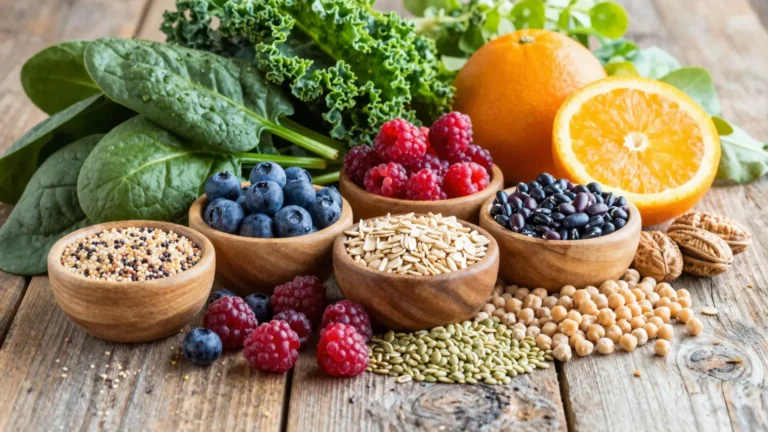
The Hindu diet emphasizes the consumption of foods that align with the principles of ahimsa, which promotes non-violence and compassion towards all living beings. Key components of a balanced Hindu diet include grains, vegetables, legumes, and dairy products. These foods not only nourish the body but also support spiritual growth and moral living.
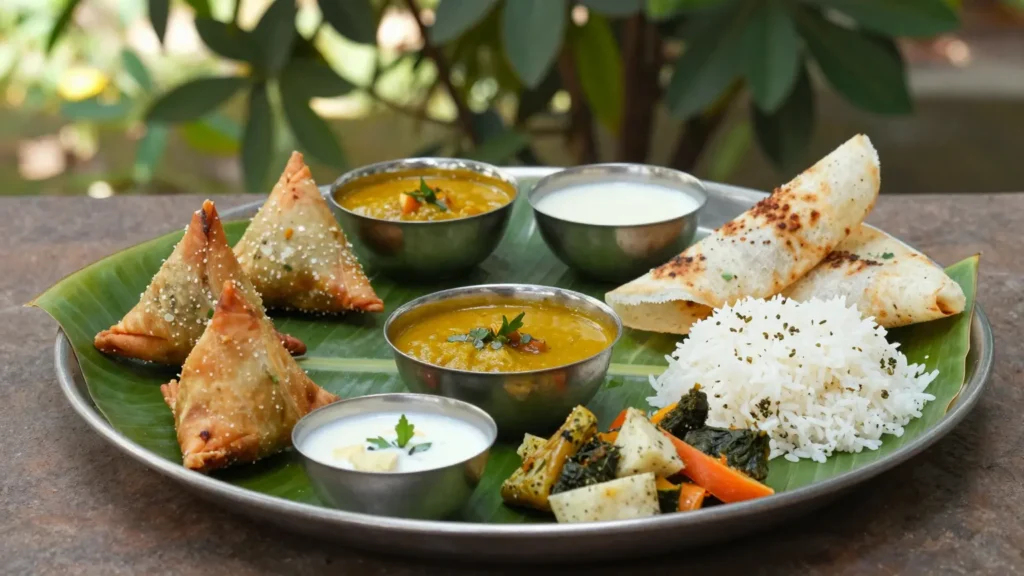
Grains such as rice, wheat, and barley are staples in a Hindu diet, providing essential carbohydrates and energy. These grains are often used in traditional dishes like roti, khichdi, and biryani. Vegetables like spinach, eggplant, and okra are also integral to the diet, offering a variety of vitamins and minerals necessary for good health. Legumes such as lentils, chickpeas, and peas are another crucial element, providing protein and fiber that help maintain balanced nutrition.
Dairy products, including milk, yogurt, and ghee (clarified butter), play a significant role in Hindu dietary practices. Milk is considered a sacred food, symbolizing purity and nourishment. Ghee, widely used in religious rituals and cooking, is valued for its medicinal properties and spiritual significance. These dairy products not only add flavor and texture to meals but also offer essential nutrients that support overall well-being.
Fruits such as bananas, mangoes, and guavas are also important in the Hindu diet, providing natural sugars and antioxidants. Including these fruits in meals or as snacks can help maintain energy levels and promote digestion. Nuts and seeds, like almonds and sesame seeds, are often consumed for their high nutritional value and are commonly used in preparing traditional snacks and desserts.
This diet not only adheres to the principle of ahimsa but also aligns with the broader concept of rasayana, which focuses on enhancing vitality and longevity through proper diet and lifestyle practices. By choosing foods that nourish both body and soul, followers can foster a deeper connection to their spiritual beliefs and cultural heritage.
Historical Context
The roots of Hindu dietary practices can be traced back to ancient Vedic texts, where diet is not just a matter of sustenance but a reflection of moral and spiritual values. The earliest Hindu scriptures, known as the Vedas, which date back to around 1500 BCE, provide detailed descriptions of dietary habits. These texts describe a diet primarily based on cereals, pulses, vegetables, and milk products, reflecting a pastoral and agrarian lifestyle. However, the Vedas also mention animal sacrifices, indicating a more flexible approach to dietary practices at that time.
Over time, Hindu dietary practices evolved significantly. By the 2nd century CE, vegetarianism began to be increasingly associated with the principle of ahimsa, or non-violence. The concept of ahimsa gained prominence through the teachings of figures like Mahavira and Buddha, who emphasized the ethical treatment of all living beings. This shift led to a growing perception of meat-eating as unwholesome and incompatible with spiritual purity.
Later religious texts such as the Kapisthala Katha Samhita further solidified the association between diet and moral principles. These texts introduced the idea that harming animals was contrary to the principles of ahimsa, thus reinforcing vegetarianism as a spiritual imperative. This transformation in dietary practices reflected a broader ethical awakening within Hindu society, influencing both religious and social norms.
The influence of ahimsa on dietary practices continued to grow through the centuries, leading to a widespread adoption of vegetarianism among devout Hindus. This shift was not just about diet but also about lifestyle and moral conduct. The adherence to vegetarianism became a symbol of spiritual and ethical purity, marking a clear distinction between those who followed the path of non-violence and those who did not.
This historical context shows how Hindu dietary practices have evolved from a flexible diet that included meat and animal products to a more rigid vegetarian diet based on moral and spiritual principles. The transformation is deeply intertwined with religious and philosophical developments, highlighting the dynamic nature of Hindu dietary traditions.
Scriptural Influence
Scriptural texts are pivotal in shaping Hindu dietary practices, emphasizing principles of non-violence and spiritual purity. The Rig Veda, one of the earliest sacred texts, provides detailed descriptions of dietary habits that were both practical and spiritual. These texts describe a diet primarily based on cereals like rice and barley, pulses such as lentils, vegetables, and milk products. However, the Rig Veda also includes references to animal sacrifices, reflecting the cultural and religious practices of the time. These sacrifices were considered essential for appeasing the gods and maintaining cosmic balance, indicating a more flexible approach to diet.
As Hinduism evolved, later texts like the Manusmriti and the Mahabharata began to emphasize the concept of ahimsa. The Mahabharata, a monumental epic, includes the Bhagavad Gita, where Lord Krishna advocates for the consumption of pure food that aligns with moral and spiritual values. This text highlights the importance of choosing food that does not cause harm to other beings, marking a significant shift towards vegetarianism. The Kapisthala Katha Samhita, a post-Vedic text, further elaborates on the ethical implications of diet, reinforcing the idea that harming animals is contrary to spiritual purity.
The Bhagavata Purana also plays a crucial role in shaping dietary practices by advocating for a diet that promotes health and spiritual well-being. This text outlines the benefits of consuming dairy products like milk and ghee, which are seen as sacred and essential for both physical and spiritual health. Dairy products are not only considered nourishing but also have symbolic and ritualistic significance in Hindu traditions.
These texts collectively illustrate how scriptural influence has been instrumental in evolving Hindu dietary practices from a more flexible diet to one that is increasingly focused on vegetarianism and non-violence. The continuous dialogue between scriptures and evolving societal norms has led to a rich tapestry of dietary practices that reflect both ancient traditions and modern interpretations.
The practice of offering milk to the deity before consuming it is common in many Hindu households, symbolizing the purity and sanctity of food in Hindu dietary traditions.
Early Religious Texts
The evolution of Hindu dietary practices is also deeply influenced by the Aranyakas and Upanishads, which delve into the spiritual and philosophical underpinnings of diet and lifestyle. These texts explore the idea that food is not merely for sustenance but for spiritual growth and enlightenment. The Chandogya Upanishad, for example, discusses the concept of annam brahma (food is God), highlighting the divine nature of food and the sacredness of consuming it. This view emphasizes the importance of choosing food that is pure and nourishing, both physically and spiritually.
The Brahma Sutras, a foundational text for Hindu philosophy, also contribute to the understanding of dietary practices by integrating them with broader philosophical frameworks. These sutras emphasize the interconnectedness of all living beings and the importance of preserving life, thereby reinforcing the principle of ahimsa. This interconnectedness is reflected in the practice of offering food to deities and ancestors before consuming it, a ritual that underscores the reverence for life and the divine in all forms of sustenance.
Moreover, Puranas like the Padma Purana and the Skanda Purana provide detailed guidelines on what to eat and what to avoid during religious observances and festivals. These texts elaborate on the significance of fasting and the consumption of specific foods on auspicious days, underscoring the role of diet in ritualistic and spiritual observances. For instance, during festivals like Ekadashi, devotees may abstain from grains and beans, believing that such fasting purifies the body and soul, preparing them for spiritual enlightenment.
The impact of these scriptures is not limited to religious observances; they also shape daily dietary habits. The Shrimad Bhagavatam, for example, encourages the consumption of foods that are sattvic, meaning those that are pure, natural, and nourishing, as opposed to rajasic (stimulating) or tamasic (dull and impure) foods. Sattvic foods are believed to promote clarity of mind and spiritual growth, reinforcing the idea that what one eats directly influences one’s spiritual and moral well-being.
These scriptural influences have helped to create a cohesive framework for dietary practices that is both deeply rooted in tradition and adaptable to changing societal contexts. As Hinduism continues to evolve, these ancient texts remain a vital source of guidance, ensuring that dietary practices remain aligned with spiritual and ethical principles.
Dietary Practices Through History
The adoption of vegetarianism as a widespread practice in Hindu society is a testament to the profound influence of religious and philosophical teachings. The shift from a more flexible diet that included meat to a predominantly vegetarian diet occurred gradually over centuries, influenced by various socio-religious factors.
One significant factor was the growing influence of Jainism and Buddhism, which both strongly advocate for ahimsa. These religions, with their strict adherence to non-violence, exerted considerable influence on Hindu dietary practices, particularly among the educated and upper classes. As a result, vegetarianism began to be seen not just as a dietary preference but as a moral and ethical imperative.
The practice of vegetarianism also gained popularity among the Bhakti movement, which emphasized devotion and personal spirituality over ritualistic practices. Many Bhakti saints and poets, like Kabir and Mirabai, promoted vegetarianism as a path to spiritual liberation and moral purity. This movement helped spread the idea of vegetarianism among the masses, transcending caste and regional boundaries.
Moreover, the development of Ayurveda, an ancient Indian system of medicine, further reinforced the health benefits of a vegetarian diet. Ayurvedic texts like the Charaka Samhita and Sushruta Samhita advocate for a diet that includes a balance of six tastes (sweet, sour, salty, pungent, bitter, and astringent) and emphasize the importance of sattvic foods for overall well-being. The emphasis on holistic health and the prevention of diseases through diet contributed to the growing acceptance of vegetarianism.
As Hindu society evolved, so did the interpretation and application of dietary practices. For instance, during the medieval period, the practice of vegetarianism among the warrior class (Kshatriyas) was less common compared to the Brahmins and other higher castes. However, over time, the influence of spiritual leaders and the spread of religious teachings led to a greater acceptance of vegetarianism among various social strata.
Impact of Social and Economic Changes
The social and economic changes in India over the centuries have had a significant impact on Hindu dietary practices. During the colonial period, the introduction of Western education and exposure to modern ideas led to a reevaluation of traditional practices, including diet. Many educated Indians began to question the validity of meat consumption and the ethical implications of harming animals for food.
This period also saw the rise of social reform movements, which sought to address various social and religious issues, including dietary practices. Figures like Raja Ram Mohan Roy and Swami Vivekananda were influential in promoting vegetarianism as a means of social reform and moral upliftment. They argued that vegetarianism was not only a spiritual practice but also a way to improve public health and hygiene.
The modern era has seen further shifts in dietary practices, influenced by global trends and changing social values. Urbanization and the increasing influence of global media have led to greater awareness of health and environmental issues. This has resulted in more people adopting vegetarian diets, not just for religious or spiritual reasons but also for health and environmental concerns.
Today, the practice of vegetarianism in Hindu society reflects a blend of ancient traditions and contemporary lifestyles. While many continue to follow strict vegetarian diets as a matter of religious and ethical commitment, others adopt vegetarianism for health reasons or environmental sustainability. This flexibility allows Hindu dietary practices to remain relevant and adaptable in a rapidly changing world.
Regional Dietary Practices
The vastness of Hindu society encompasses a wide array of regional dietary practices, each with its unique flavor and tradition. In North India, where the influence of Mughal cuisine is evident, vegetarian dishes often feature a variety of lentils, chickpeas, and wheat-based products like roti and paratha. The use of dairy products like ghee and yogurt is also prevalent, adding richness and flavor to dishes.
In contrast, South Indian cuisine is characterized by the liberal use of rice, lentils, and coconut. Dishes like dosa, idli, and sambar are staples in Southern kitchens, with a heavy emphasis on vegetables and legumes. The coastal regions of South India, particularly in states like Tamil Nadu and Kerala, feature a significant consumption of fish and seafood, reflecting the influence of the abundant marine resources in these areas.
Similarly, in East India, the diet is heavily influenced by the availability of local produce. Bengali cuisine, for example, is known for its use of mustard oil and fish, while the northeastern states have a diet rich in rice, bamboo shoots, and a variety of wild herbs and vegetables. The Himalayan regions of Uttarakhand and Himachal Pradesh also have their unique dietary practices, with a reliance on high-protein foods like dals and pulses, as well as a variety of root vegetables suited to the mountainous terrain.
These regional variations highlight the diversity and adaptability of Hindu dietary practices, showing how ancient traditions can coexist with local customs and tastes. Each region’s unique culinary traditions reflect the rich cultural tapestry of Hindu society, making the practice of vegetarianism a vibrant and dynamic aspect of religious and social life.
Challenges and Modern Interpretations
In contemporary times, Hindu dietary practices face both challenges and opportunities. One of the key challenges is the integration of traditional dietary beliefs with modern medical advice. Many Hindus follow dietary restrictions based on religious and cultural traditions, which can sometimes conflict with the recommendations of healthcare professionals. This can lead to misunderstandings and difficulties in managing health conditions such as nutritional deficiencies.
For instance, while sattvic foods are believed to promote spiritual and physical health, they may not always meet the nutritional needs of individuals, especially those with specific health conditions or dietary restrictions. Addressing these challenges requires a nuanced understanding of both traditional dietary practices and contemporary nutritional science.
Another challenge is the increasing influence of global food trends and the growing popularity of non-vegetarian diets. This has led to debates within Hindu society about the relevance and importance of maintaining traditional vegetarian practices. Some argue that the principles of ahimsa and non-violence remain as relevant today as they were in ancient times, while others suggest that dietary practices need to evolve to accommodate modern lifestyles and individual choices.
Despite these challenges, there is also a growing movement towards a more inclusive and flexible approach to Hindu dietary practices. Many contemporary religious leaders and scholars advocate for a balanced interpretation of traditional teachings, emphasizing the importance of compassion and ethical living while acknowledging the diverse needs and preferences of modern society.
In conclusion, the journey of Hindu dietary practices from ancient traditions to modern observance reflects the dynamic nature of Hinduism. While deeply rooted in spiritual and ethical principles, these practices continue to evolve in response to changing social and cultural contexts, ensuring their relevance in the contemporary world.
Role of Cows
Cows hold a special place in Hindu dietary and cultural practices, embodying the principles of non-violence and divine grace. Revered as gau mata (mother cow), cows are considered sacred and are protected as a symbol of purity and fertility. This reverence stems from ancient Vedic texts, where cows are often associated with the goddess Aditi, the mother of the gods. The practice of offering milk and ghee to deities in temples underscores the sacred status of cows in Hindu tradition.
In Hinduism, the cow is not just an animal but a living embodiment of the earth’s nurturing qualities and a symbol of motherhood. This spiritual significance has led to a cultural norm of vegetarianism that extends to protecting and respecting cattle. The milk and other dairy products derived from cows are integral to Hindu diet and ritual practices, further emphasizing the deep connection between the cow and daily life.
In many parts of India, the sight of cows wandering freely in streets and markets is a common one, reflecting the deep cultural respect and protection afforded to these animals in Hindu society.
This reverence for cows has significant implications for dietary practices, influencing not only what Hindus eat but also how they view the ethical treatment of animals. The sacred status of cows reinforces the broader principle of ahimsa, encouraging followers to live lives of non-violence and compassion.
Manusmriti’s Stance
The Manusmriti, also known as the Manusmrti or Laws of Manu, is a highly influential text in Hindu law and ethics. Composed around 200 CE, the Manusmriti provides detailed guidelines on various aspects of life, including dietary practices. It reinforces the principle of ahimsa, emphasizing the ethical treatment of all living beings and the avoidance of harm.
In the Manusmriti, the concept of ahimsa is deeply intertwined with dietary choices. Verse 11.145 explicitly states that eating meat is not only harmful but also leads to negative karma. This verse asserts that those who consume meat lose their compassion and self-control, leading to a decline in their spiritual and moral purity. By consuming meat, individuals are seen as engaging in violent and unethical behavior, which goes against the principles of non-violence.
Furthermore, the Manusmriti emphasizes the sanctity of life, particularly that of cows. Verse 5.44 proclaims that cow’s milk is a sacred substance, and its consumption is considered a holy act. This reverence for cows and their products reinforces the moral imperative of vegetarianism. The text encourages the protection and worship of cows, reflecting the deep cultural and spiritual significance of these animals in Hindu society.
The Manusmriti also addresses the role of different castes in dietary practices. It suggests that the Brahmins, who are considered the highest caste, should adhere strictly to vegetarianism and abstain from meat to maintain their spiritual purity and moral integrity. This emphasis on dietary purity among the Brahmins highlights the importance of vegetarianism not just as a personal choice but as a social and religious duty.
These guidelines in the Manusmriti have had a lasting impact on Hindu dietary practices. They reinforce the idea that vegetarianism is not merely a dietary choice but a reflection of one’s ethical and spiritual values. By promoting non-violence and compassion through dietary practices, the Manusmriti continues to shape the dietary habits of many Hindus, ensuring that ancient traditions remain relevant in contemporary society.
The adherence to these dietary practices is seen as a way to honor the divine and maintain a harmonious relationship with the natural world. This holistic approach to diet underscores the interconnectedness of spiritual, ethical, and physical well-being, making the Manusmriti a cornerstone text in understanding the evolution of Hindu dietary practices.
Modern Festivals
Hindu festivals offer a vibrant and diverse celebration of ancient traditions, incorporating dietary practices that reflect both spiritual devotion and cultural heritage. These festivals provide a unique opportunity for followers to observe and uphold dietary customs while engaging in communal activities and rituals. From the grandeur of Diwali to the simplicity of Ekadashi, each festival has its own set of dietary guidelines and customs that are integral to the festivities.
During Diwali, one of the most significant Hindu festivals, the emphasis on cleanliness and purity extends to dietary practices. Many devotees observe fasts, abstaining from certain foods, and consume specially prepared dishes that are believed to bring prosperity and good fortune. Foods such as samosas, kheer, and laddoos are commonly made and shared, symbolizing the sharing of joy and blessings within the community. This festival showcases how dietary practices not only cater to spiritual needs but also foster social cohesion and cultural identity.
Another important festival is Makar Sankranti, celebrated in January, which marks the beginning of the sun’s journey northward. This festival is known for its unique dietary customs, with the consumption of sesame seeds (til) and jaggery (gur) being particularly significant. Til ladoos and til patti (sesame seed laddoos and sweets) are widely prepared and distributed. These foods are believed to symbolize warmth and affection, reflecting the festival’s theme of harmony and peace.
During Navratri, a nine-day festival dedicated to the worship of the goddess Durga, devotees observe fasting and consume sattvic foods. Sattvic foods are believed to promote mental clarity and spiritual purity, making them ideal for this period of intense devotion. Common sattvic dishes include kuttu atta (buckwheat flour) pancakes, singara (deep-fried pastries), and sabudana khichdi (tapioca pearl porridge). These dietary practices are not just about abstaining from certain foods but also about nurturing the body and soul through wholesome and spiritually uplifting meals.
Festivals like Holi, the festival of colors, also have specific dietary customs. On Holi, people often consume bhang, a drink made from cannabis leaves, which is believed to have spiritual and medicinal properties. Traditional sweets like gujiya, which is a stuffed pastry made with khoya (dried milk) and nuts, are also a highlight of the festival. These dietary practices enhance the festive atmosphere and reinforce the cultural and spiritual significance of the celebration.
The diverse array of Hindu festivals not only enriches the culinary landscape but also reinforces the importance of adhering to dietary practices that are rooted in spiritual and ethical principles. These practices help to maintain a deep connection between the individual and the divine, while also fostering a sense of community and shared heritage.
During the festival of Pongal, a harvest festival celebrated in Tamil Nadu, there is a unique culinary tradition involving the preparation of Pongal, a sweet rice dish made with milk, rice, and jaggery, which is offered to the sun god as a symbol of gratitude for a bountiful harvest.
Through these modern festivals, Hindu dietary practices continue to evolve and adapt, blending ancient traditions with contemporary lifestyles. This dynamic interplay between the past and the present ensures that these practices remain relevant and meaningful to a new generation of Hindus.
Fasting Foods
Fasting is an integral part of Hindu religious observances and plays a significant role in the spiritual life of followers. During fasting periods, Hindus abstain from certain foods to purify the body and mind, enhance spiritual devotion, and seek blessings from deities. Fasting practices vary widely depending on the occasion and the individual’s spiritual goals, but they generally involve a focus on sattvic foods that are believed to promote mental clarity and spiritual purity.
Important fasting periods include Ekadashi, which falls on the eleventh day of each lunar fortnight, and Chaturmasya, a four-month period dedicated to fasting and spiritual observance. During these times, devotees often abstain from grains and beans, as well as meat, eggs, and other rajasic and tamasic foods. Instead, they consume a variety of fruits, vegetables, dairy products, and sattvic grains like kuttu (buckwheat) and rajgira (amaranth).
Common fasting foods include:
- Fruits and vegetables: Apples, bananas, carrots, cucumbers, and leafy greens are popular choices.
- Dairy products: Milk, yogurt, and ghee (clarified butter) are often consumed for their nutritional value and spiritual significance.
- Grains and flours: Kuttu (buckwheat) flour, rajgira (amaranth) flour, and sabudana (tapioca pearls) are commonly used to prepare special fasting dishes.
- Special dishes: Dishes such as sabudana khichdi, kuttu poori, and rajgira roti are prepared and enjoyed during fasting days.
These foods are believed to have purifying properties and are thought to enhance spiritual and mental clarity. For instance, fruits and vegetables are considered cooling and nourishing, helping to calm the mind and body. Dairy products like milk and ghee are valued for their medicinal properties and are often offered to deities as part of rituals.
The choice of fasting foods is not arbitrary but is deeply rooted in the principles of ayurveda and the concept of sattvic living. Sattvic foods are believed to promote a balanced and harmonious state of being, making them ideal for spiritual practices. By consuming these foods, devotees aim to cleanse their bodies and minds, preparing themselves for deeper spiritual experiences.
Fasting not only involves abstaining from certain foods but also emphasizes the importance of consuming foods that nourish both the body and the soul. This holistic approach to diet underscores the interconnectedness of physical health, spiritual well-being, and ethical living, reinforcing the fundamental principles of Hindu dietary practices.
During the fasting period of Chaturmasya, devotees often prepare a special dish called “chana dal kheer,” a sweet pudding made from chickpea dal and milk, which is believed to bring blessings and spiritual purity.
Contemporary Diets
In modern times, Hindu dietary practices continue to evolve while maintaining strong ties to traditional beliefs and customs. The contemporary Hindu diet is characterized by a blend of ancient principles and modern health consciousness, reflecting a dynamic interplay between tradition and adaptation.
Today, many Hindus incorporate a variety of dietary strategies to maintain both spiritual purity and physical health. While the core principles of ahimsa and sattvic living remain central, there is a growing awareness of the importance of balanced nutrition. This has led to the emergence of new dietary trends and interpretations that align with both spiritual and health-oriented goals.
One significant trend is the adoption of flexitarianism, which involves a primarily vegetarian diet but with occasional inclusion of meat and fish. This approach allows individuals to maintain a diet that aligns with their spiritual beliefs while also accommodating social and cultural pressures. For instance, during social gatherings or when traveling, a flexitarian diet can help individuals navigate situations where strict vegetarianism might be challenging.
Another modern interpretation is the mindful vegetarian diet, which focuses on the quality and source of the food consumed. This diet emphasizes organic and locally sourced products, reducing the environmental impact of food choices. Mindful eating also includes the practice of savoring each bite, fostering a deeper appreciation for the spiritual and ethical significance of food.
The concept of Ayurvedic dietetics continues to play a crucial role in contemporary dietary practices. Ayurveda offers a holistic approach to nutrition that considers individual body types (vata, pitta, kapha) and seasonal changes. Modern Ayurvedic practitioners often integrate traditional knowledge with scientific nutrition to create personalized dietary plans that promote overall health and well-being.
Plant-based diets have also gained popularity among contemporary Hindus, driven by concerns about environmental sustainability and animal welfare. This trend reflects a modern interpretation of ahimsa, extending ethical considerations beyond the immediate consumption of food to include broader environmental and ethical implications. Many modern Hindus embrace plant-based diets not only for health reasons but also as a form of activism and conscientious living.
Interfaith and secular influences also play a role in shaping contemporary Hindu dietary practices. The growing dialogue between different religious traditions and the increasing influence of secular health movements have led to a greater openness towards dietary practices that are both spiritually resonant and scientifically sound. This interplay fosters a rich and diverse landscape of dietary choices within the Hindu community.
The integration of technology and digital platforms has further enhanced the accessibility and sharing of dietary knowledge. Apps, websites, and social media platforms dedicated to Hindu dietary practices provide a space for the exchange of information and support, making it easier for individuals to stay informed and connected to their dietary traditions. These platforms offer a wealth of resources, from traditional recipes and dietary guidelines to modern health tips and nutritional advice.
As Hindu dietary practices continue to evolve, they reflect a commitment to both preserving ancient traditions and adapting to the needs of contemporary society. The dynamic nature of these practices ensures that they remain relevant and meaningful to a new generation of Hindus, maintaining a deep connection to spiritual and ethical principles while embracing the complexities of modern life.
The use of apps like Ayurveda Daily and Hindu Diet Planner has become increasingly popular among modern Hindus, offering personalized dietary recommendations and meal plans that align with both spiritual and health goals.
Sanskritisation Impact
The process of Sanskritisation, a term coined by sociologist M.N. Srinivas, refers to the adoption of high-caste cultural practices by lower castes in an attempt to improve their social status. This phenomenon has had a profound impact on Hindu dietary practices, particularly in the context of vegetarianism and lacto-vegetarianism. As lower castes seek to emulate the dietary customs of higher castes, they often adopt stricter vegetarian diets, a practice that is often seen as a marker of social and moral superiority.
One of the primary ways Sanskritisation influences dietary practices is by promoting vegetarianism as a means of upward social mobility. By adopting the dietary customs of higher castes, individuals and communities can signal their adherence to moral and spiritual values associated with non-violence and purity. This not only reinforces the religious and ethical dimensions of vegetarianism but also serves as a pathway to social acceptance and respect within Hindu society.
| Aspect | Lower Castes | Higher Castes |
|---|---|---|
| Dietary Practices | More flexible, often includes meat | Strict vegetarianism, emphasis on sattvic foods |
| Social Status | Lower, seeks upward mobility | Higher, often seen as custodians of tradition |
| Cultural Emulation | Adopt vegetarianism to gain social approval | Maintain and reinforce dietary customs as markers of identity |
As lower castes embrace vegetarianism, they often do so not just out of religious conviction but also to gain social and economic advantages. This process can lead to a homogenization of dietary practices, where the distinctions between different castes become less pronounced in terms of food choices, although other cultural differences may persist.
The impact of Sanskritisation on dietary practices also highlights the fluidity and adaptability of Hindu traditions. While the adoption of vegetarianism by lower castes is driven by a desire for social elevation, it also reflects a broader acceptance of dietary practices that are perceived as morally superior and more aligned with spiritual principles. This convergence of dietary norms across different social strata underscores the influence of religion on social change and the role of dietary practices in shaping social identities.
Moreover, the process of Sanskritisation has led to a greater awareness and appreciation of traditional vegetarian diets among a wider cross-section of Hindu society. As more people adopt vegetarianism, there is an increased demand for vegetarian-friendly food options, leading to innovations in cuisine and culinary traditions that cater to a diverse range of dietary preferences.
In conclusion, the impact of Sanskritisation on Hindu dietary practices is multifaceted, influencing not only individual dietary choices but also broader social dynamics and cultural norms. By promoting vegetarianism as a marker of social status and moral superiority, Sanskritisation has played a significant role in shaping contemporary Hindu dietary practices, reflecting the dynamic interplay between tradition and social mobility.
Non-Vegetarian Trends
While vegetarianism remains a central tenet of Hindu dietary practices, there is also a noticeable trend of non-vegetarianism among some segments of the Hindu population. This trend reflects a broader shift towards dietary flexibility and the influence of local customs and personal choices. The growing acceptance of non-vegetarian diets among Hindus is often seen as a response to changing social dynamics, urbanization, and global food trends.
In urban areas, particularly among younger generations and professionals, the adoption of non-vegetarian diets has increased significantly. This shift is influenced by various factors, including access to a wider variety of food options, the influence of global food cultures, and personal health concerns. Many individuals who may have grown up in strictly vegetarian households now choose to include meat and fish in their diets, often citing health benefits or personal taste preferences.
A notable aspect of this trend is the integration of non-vegetarian foods within the framework of traditional Hindu dietary principles. Some individuals and families adopt a flexitarian approach, combining vegetarian meals with occasional non-vegetarian dishes. This approach allows them to maintain a largely vegetarian diet while also enjoying the variety and nutritional benefits of meat and fish.
| Dietary Trend | Characteristics |
|---|---|
| Flexitarian | Primarily vegetarian with occasional non-vegetarian meals |
| Pescatarian | Vegetarian with the inclusion of fish and seafood |
| Pollo-vegetarian | Vegetarian with the inclusion of chicken and other poultry |
These dietary trends reflect a nuanced understanding of traditional values while accommodating modern lifestyles. For instance, the pescatarian diet, which includes fish and seafood but excludes other meats, is becoming increasingly popular among Hindus in coastal regions. This trend is partly due to the cultural significance of fish in coastal cuisines and the nutritional benefits of seafood.
In addition to personal choices, there is also a growing awareness of the environmental impact of dietary choices. Some Hindus are adopting plant-based diets or reducing their meat consumption as a form of environmental activism, in line with the broader ethical principles of ahimsa and sustainability.
The emergence of non-vegetarian trends in Hindu dietary practices highlights the adaptability and dynamism of these traditions. While the core principles of ahimsa and vegetarianism remain central to Hindu dietary beliefs, the contemporary context allows for a more flexible interpretation of these principles. This flexibility ensures that Hindu dietary practices remain relevant and meaningful in a rapidly changing world, while also accommodating the diverse needs and preferences of a global Hindu community.
The growing popularity of flexitarian diets among urban Hindus reflects a balance between adhering to traditional values and embracing modern dietary trends.
Religious Observances
The evolution of Hindu dietary practices is a testament to the profound influence of religious and philosophical teachings over time. The transition from a more flexible diet, which included meat, to a predominantly vegetarian diet was gradual and influenced by various socio-religious factors. Early Hindu scriptures like the Vedas and Upanishads laid the foundation for dietary practices, but it was the subsequent integration of ahimsa, or non-violence, that significantly shaped these practices.
The earliest Hindu scriptures, the Vedas, describe a diet primarily based on cereals, pulses, vegetables, and milk products, reflecting a pastoral and agrarian lifestyle. However, these texts also include references to animal sacrifices, indicating a more flexible approach to dietary practices at that time. The concept of ahimsa, which emphasizes non-violence and compassion towards all living beings, began to gain prominence around the 2nd century CE, with the teachings of figures like Mahavira and Buddha.
As Hinduism evolved, later texts like the Manusmriti and Mahabharata began to emphasize vegetarianism as a moral imperative. The Manusmriti, for example, explicitly states that eating meat leads to negative karma and loss of compassion, reinforcing the principle of ahimsa. This shift in dietary practices was not just about diet but also about lifestyle and moral conduct, marking a clear distinction between those who followed the path of non-violence and those who did not.
The adoption of vegetarianism among devout Hindus became a symbol of spiritual and ethical purity. This shift was significant, as it moved dietary practices from a more flexible approach to one that was increasingly rigid, focusing on the moral and spiritual values of non-violence. The influence of ahimsa on dietary practices continued to grow through the centuries, leading to a widespread adoption of vegetarianism among devout Hindus. This transformation is deeply intertwined with religious and philosophical developments, highlighting the dynamic nature of Hindu dietary traditions.
Social and Economic Changes
The social and economic changes in India over the centuries have profoundly influenced Hindu dietary practices. During the colonial period, the introduction of Western education and exposure to modern ideas led to a reevaluation of traditional practices, including diet. Many educated Indians began to question the ethical implications of meat consumption and the validity of animal sacrifice. This period also saw the rise of social reform movements, which sought to address various social and religious issues, including dietary practices. Figures like Raja Ram Mohan Roy and Swami Vivekananda were influential in promoting vegetarianism as a means of social reform and moral upliftment. They argued that vegetarianism was not only a spiritual practice but also a way to improve public health and hygiene.
The modern era has seen further shifts in dietary practices, influenced by global trends and changing social values. Urbanization and the increasing influence of global media have led to greater awareness of health and environmental issues. This has resulted in more people adopting vegetarian diets for health reasons or environmental sustainability. Today, the practice of vegetarianism in Hindu society reflects a blend of ancient traditions and contemporary lifestyles. While many continue to follow strict vegetarian diets as a matter of religious and ethical commitment, others adopt vegetarianism for health reasons or environmental concerns.
Despite these changes, the core principles of ahimsa and sattvic living remain central to Hindu dietary practices. The emphasis on non-violence and ethical living continues to guide dietary choices, ensuring that these practices remain relevant and meaningful in a rapidly changing world.
Regional Dietary Practices
The vastness of Hindu society encompasses a wide array of regional dietary practices, each with its unique flavor and tradition. In North India, the influence of Mughal cuisine is evident, with vegetarian dishes often featuring a variety of lentils, chickpeas, and wheat-based products like roti and paratha. The use of dairy products like ghee and yogurt is also prevalent, adding richness and flavor to dishes.
In contrast, South Indian cuisine is characterized by the liberal use of rice, lentils, and coconut. Dishes like dosa, idli, and sambar are staples in Southern kitchens, with a heavy emphasis on vegetables and legumes. The coastal regions of South India, particularly in states like Tamil Nadu and Kerala, feature a significant consumption of fish and seafood, reflecting the influence of the abundant marine resources in these areas.
Similarly, in East India, the diet is heavily influenced by the availability of local produce. Bengali cuisine, for example, is known for its use of mustard oil and fish, while the northeastern states have a diet rich in rice, bamboo shoots, and a variety of wild herbs and vegetables. The Himalayan regions of Uttarakhand and Himachal Pradesh also have unique dietary practices, with a reliance on high-protein foods like dals and pulses, as well as a variety of root vegetables suited to the mountainous terrain.
These regional variations highlight the diversity and adaptability of Hindu dietary practices, showing how ancient traditions can coexist with local customs and tastes. Each region’s unique culinary traditions reflect the rich cultural tapestry of Hindu society, making the practice of vegetarianism a vibrant and dynamic aspect of religious and social life.
Challenges and Modern Interpretations
In contemporary times, Hindu dietary practices face both challenges and opportunities. One of the key challenges is the integration of traditional dietary beliefs with modern medical advice. Many Hindus follow dietary restrictions based on religious and cultural traditions, which can sometimes conflict with the recommendations of healthcare professionals. This can lead to misunderstandings and difficulties in managing health conditions such as nutritional deficiencies.
For instance, while sattvic foods are believed to promote spiritual and physical health, they may not always meet the nutritional needs of individuals, especially those with specific health conditions or dietary restrictions. Addressing these challenges requires a nuanced understanding of both traditional dietary practices and contemporary nutritional science.
Another challenge is the increasing influence of global food trends and the growing popularity of non-vegetarian diets. This has led to debates within Hindu society about the relevance and importance of maintaining traditional vegetarian practices. Some argue that the principles of ahimsa and non-violence remain as relevant today as they were in ancient times, while others suggest that dietary practices need to evolve to accommodate modern lifestyles and individual choices.
Despite these challenges, there is also a growing movement towards a more inclusive and flexible approach to Hindu dietary practices. Many contemporary religious leaders and scholars advocate for a balanced interpretation of traditional teachings, emphasizing the importance of compassion and ethical living while acknowledging the diverse needs and preferences of modern society.
In conclusion, the journey of Hindu dietary practices from ancient traditions to modern observance reflects the dynamic nature of Hinduism. While deeply rooted in spiritual and ethical principles, these practices continue to evolve in response to changing social and cultural contexts, ensuring their relevance in the contemporary world.
Caste Systems and Food
The influence of the caste system on Hindu dietary practices is profound and multifaceted, shaping not only what individuals eat but also how they view and engage with food in their daily lives. The caste system, a hierarchical social structure that has historically divided society into distinct groups based on occupation and birth, has significant implications for dietary practices. Higher castes, particularly Brahmins, are often seen as the custodians of religious and intellectual leadership, and their dietary practices are closely linked to religious purity and moral superiority.
Vegetarianism and Social Status
Vegetarianism is more prevalent among higher castes, where it is seen not only as a religious practice but also as a marker of social and moral superiority. The adoption of vegetarianism by lower castes, as part of the process of Sanskritisation, often serves as a pathway to social acceptance and respect within Hindu society. This process reflects a broader trend of lower castes emulating the customs and practices of higher castes to improve their social status and gain acceptance.
The dietary practices of higher castes, particularly the strict adherence to vegetarianism, are often viewed as a symbol of spiritual and moral purity. This is reinforced by the belief that consuming meat is incompatible with the principles of ahimsa, or non-violence. By adhering to a vegetarian diet, individuals from higher castes demonstrate their commitment to ethical living and spiritual purity, which are highly valued within Hindu society.
Regional Variations
Regional variations in dietary practices also reflect the influence of caste systems. For example, in some regions, lower castes may incorporate more non-vegetarian foods into their diets, influenced by local customs and economic conditions. This can lead to significant differences in dietary practices between different caste groups within the same region, reflecting the complex interplay between social hierarchy, cultural norms, and individual choice.
Cultural Exchange and Adaptation
The process of Sanskritisation also influences dietary practices through cultural exchange and adaptation. As lower castes adopt vegetarianism, they often integrate traditional vegetarian dishes and cooking methods into their daily lives. This leads to the creation of new culinary traditions that blend elements of higher-caste cuisine with local tastes and preferences. Such cultural exchange not only enriches the culinary landscape but also fosters a greater understanding and appreciation of diverse dietary practices within Hindu society.
Dietary Practices and Social Mobility
The adoption of vegetarianism by lower castes is often seen as a form of social mobility. By emulating the dietary customs of higher castes, individuals and communities can signal their adherence to moral and spiritual values associated with non-violence and purity. This not only reinforces the religious and ethical dimensions of vegetarianism but also serves as a pathway to social acceptance and respect within Hindu society.
Dietary Practices and Social Cohesion
Dietary practices also play a crucial role in fostering social cohesion and community identity. Festivals and religious observances provide opportunities for individuals from different castes to come together and engage in communal activities centered around food. These shared culinary traditions help to bridge social divides and promote a sense of unity and shared cultural heritage.
In conclusion, the influence of the caste system on Hindu dietary practices is deeply intertwined with social status, cultural identity, and ethical values. While vegetarianism remains a central tenet of Hindu dietary practices, the process of Sanskritisation highlights the dynamic and adaptive nature of these traditions. Through cultural exchange, adaptation, and social mobility, Hindu dietary practices continue to evolve, reflecting the rich cultural and social diversity of Hindu society.
Globalization Effects
The influence of globalization on Hindu dietary practices has been significant, bringing about both challenges and opportunities for maintaining traditional customs while embracing contemporary lifestyles. As Hindu communities around the world become more interconnected through technology and international travel, they encounter diverse cultural and dietary influences, leading to a dynamic evolution of traditional practices.
One of the key impacts of globalization is the increased awareness of health and wellness trends. This has led to a growing interest in vegetarian and vegan diets among Hindus, not only for religious reasons but also for health benefits. Many modern Hindus now adopt these diets to improve their physical well-being and contribute to environmental sustainability. The rise of health consciousness has also prompted a greater exploration of ancient Indian dietary wisdom, such as Ayurveda, which offers personalized dietary guidelines based on individual constitution and seasonal changes.
Globalization has also facilitated the spread of traditional Hindu dishes and culinary techniques to a global audience. Hindu restaurants and food products have gained popularity worldwide, introducing a diverse range of vegetarian and lacto-vegetarian dishes to people from different cultural backgrounds. This has not only helped to preserve traditional recipes but also to create new culinary innovations that blend Indian and international flavors.
Moreover, the digital age has played a crucial role in the dissemination of dietary knowledge and practices. Online platforms, social media groups, and mobile apps dedicated to Hindu dietary practices provide a space for the exchange of information and support. These digital tools offer a wealth of resources, from traditional recipes and dietary guidelines to modern health tips and nutritional advice, making it easier for individuals to stay informed and connected to their dietary traditions.
However, globalization also presents challenges, such as the influence of fast food culture and the normalization of non-vegetarian diets in many countries. This can lead to debates within Hindu communities about the relevance and importance of maintaining traditional vegetarian practices. Some individuals may feel pressured to adopt non-vegetarian diets to fit in with their peers or due to the limited availability of vegetarian options in certain regions.
Despite these challenges, there is a growing movement towards a more inclusive and flexible approach to Hindu dietary practices. Many contemporary religious leaders and scholars advocate for a balanced interpretation of traditional teachings, emphasizing the importance of compassion and ethical living while acknowledging the diverse needs and preferences of modern society. This approach encourages followers to maintain a deep connection to their spiritual and ethical principles while also embracing the complexities of contemporary life.
In conclusion, the impact of globalization on Hindu dietary practices highlights the dynamic nature of these traditions. While challenges arise from the influence of global food trends and cultural norms, the preservation and adaptation of traditional practices continue to thrive. The integration of ancient wisdom with modern health consciousness ensures that Hindu dietary practices remain relevant and meaningful in a rapidly changing world, fostering a deeper connection to cultural heritage and spiritual values.
The advent of global food trends has led to a resurgence of interest in traditional Hindu dietary practices, as modern Hindus seek to reconnect with their cultural roots while embracing contemporary health and wellness concepts.
Conclusion: Contemporary Views on Vegetarianism in Hindu Culture
In conclusion, the journey of Hindu dietary practices from ancient traditions to modern observance reflects the dynamic interplay between spiritual principles and evolving social contexts. Rooted in the concept of ahimsa and the sacredness of cows, these practices have been shaped by scriptural teachings, regional customs, and socio-economic changes. Today, while vegetarianism remains central, contemporary Hindus increasingly adopt flexible dietary interpretations that align with both traditional values and modern health consciousness. This ongoing evolution ensures that Hindu dietary practices remain relevant and meaningful, fostering a deep connection to cultural heritage while embracing the complexities of contemporary life.
Frequently Asked Questions (FAQ)
What are the main principles of a Hindu diet?
The main principles of a Hindu diet emphasize ahimsa (non-violence), which often leads to vegetarianism, and include the consumption of sattvic foods, which are believed to promote purity and clarity. Sattvic foods include fresh fruits, vegetables, grains, and dairy products like milk and yogurt.
How has the Hindu diet evolved over time?
The Hindu diet has evolved significantly over time, reflecting changes in religious thought, cultural practices, and environmental factors. While ancient texts like the Manusmriti promoted vegetarianism, modern Hindu dietary practices show a range of observances, from strict vegetarianism to more flexible diets that may include meat on certain occasions.
Why are cows considered sacred in Hinduism?
Cows are sacred in Hinduism because they are seen as gentle and generous creatures, providing milk and other products that sustain life. Cows are also associated with various deities, most notably with the god Krishna, who is often depicted as a cowherd.
What are the main food restrictions in Hinduism?
Main food restrictions in Hinduism include abstaining from meat, particularly beef, due to cultural and religious beliefs. Additionally, some Hindus avoid garlic and onions, which are considered rajasic or tamasic, meaning they promote agitation or lethargy.
How do Hindu dietary practices vary across different regions?
Hindu dietary practices vary widely across India due to regional differences in climate, culture, and local customs. For example, the diet in South India tends to be more vegetarian and includes a variety of rice and lentil dishes, while North Indian cuisine might include more dairy products and vegetables.
What role do festivals play in Hindu dietary practices?
Festivals play a significant role in Hindu dietary practices, with specific foods eaten during particular festivals. For example, during Diwali, sweets and festive foods are prepared and shared among friends and family.
How does fasting fit into Hindu dietary practices?
Fasting is an important part of Hindu dietary practices, with many festivals and religious observances involving fasting. Fasting can be partial, such as not eating grains, or complete, abstaining from all food and water. Fasting is believed to purify the body and mind.
Are there any specific cooking techniques in Hindu cuisine?
Hindu cuisine often employs specific cooking techniques such as sautéing with ghee (clarified butter) and using spices like turmeric, cumin, and coriander. These techniques are not only about flavor but also about the health benefits and spiritual significance of the food.
What impact has globalization had on Hindu dietary practices?
Globalization has introduced new ingredients and cooking methods to Hindu cuisine, leading to innovative and fusion dishes. However, traditional dietary practices remain strong, with many Hindus adhering closely to their cultural and religious dietary guidelines.
How do modern Hindus balance traditional dietary practices with contemporary dietary trends?
Modern Hindus often balance traditional dietary practices with contemporary dietary trends by incorporating healthy eating habits while maintaining vegetarianism and the consumption of sattvic foods. Many also seek to understand the nutritional benefits of traditional foods and adapt them to modern lifestyles.