Hallelujah Diet Basics: Genesis of the Plan
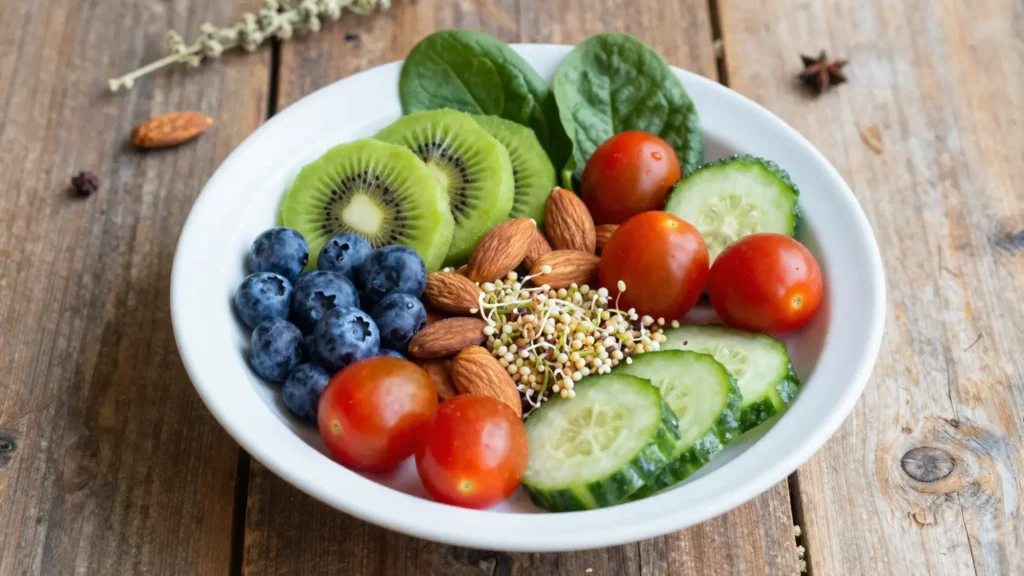
The Hallelujah Diet is rooted in biblical scripture and has its genesis as a radical approach to healing from chronic illnesses, particularly cancer, through dietary changes. Developed by George Malkmus after he was diagnosed with colon cancer, this raw food vegan diet aims at detoxifying the body and restoring natural self-healing mechanisms based on Genesis 1:29.
Imagine stepping into a world where every bite you take is imbued with divine purpose, where your health and wellness are seen not just as biological outcomes but spiritual journeys. This is the essence of the Hallelujah Diet – a regimen that intertwines faith with food, promising healing through adherence to what some interpret as God’s original dietary blueprint for humanity. Malkmus’s journey from a life-threatening diagnosis to becoming an advocate for this diet is compelling and inspiring.
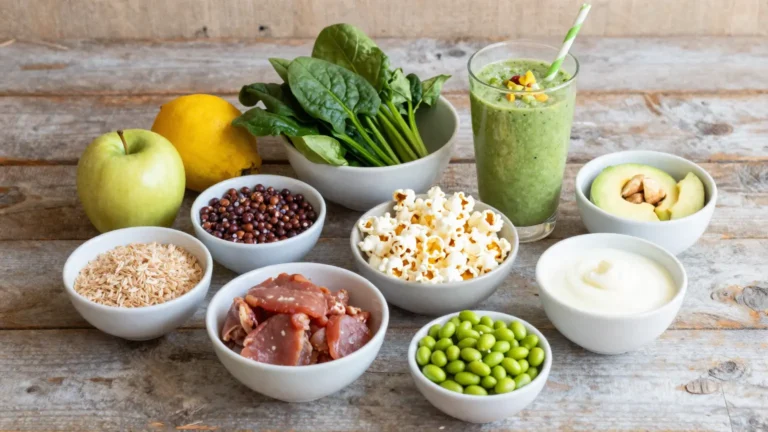
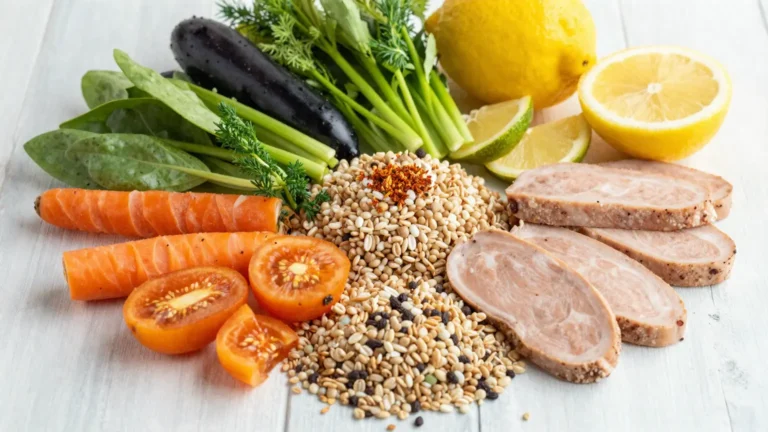
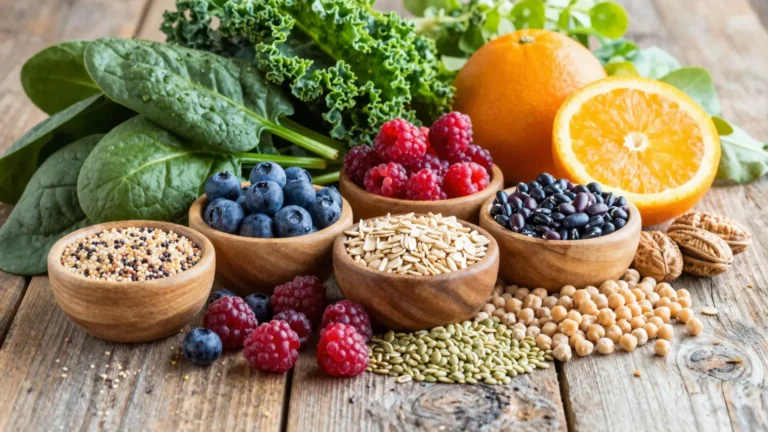
The core idea behind the Hallelujah Diet revolves around eating foods as close to their natural state as possible, adhering strictly to plant-based options. This means embracing fresh fruits, vegetables, nuts, seeds, grains (preferably sprouted or dehydrated), and legumes in their raw form. It’s a stark departure from typical dietary norms, promising detoxification and restoration of health by rejecting processed foods, animal products, and sugars.
As you delve deeper into the world of the Hallelujah Diet, questions arise: Is this diet truly a miracle worker for chronic illnesses? How sustainable is it in the long term? What are the potential pitfalls of such an extreme dietary approach? These queries set the stage for exploring not just the diet’s promises but also its practical implications and scientific validity.
How Does the Hallelujah Diet Work?
At the heart of the Hallelujah Diet is the belief that illness stems from consuming food products deviating from what was originally deemed “good” in Genesis. This diet emphasizes detoxification through a strict regimen designed to eliminate toxins and promote healing by adhering closely to unprocessed, plant-based foods. The emphasis on raw foods is particularly significant because cooking can destroy enzymes and other vital nutrients believed to be essential for optimal health according to the diet’s philosophy.
Adherents of the Hallelujah Diet often cite testimonials from individuals who have reportedly experienced remarkable improvements in their health after transitioning to this regimen, including recovery from serious illnesses. However, such anecdotal evidence does not equate to scientific proof. The diet’s detoxification process is described as a holistic approach that targets various organs and systems within the body, claiming to cleanse them of accumulated toxins that conventional medicine might overlook or underestimate.
One of the distinctive features of the Hallelujah Diet is its reliance on proprietary supplements like BarleyMax, which is said to help in the detoxification process. These supplements are considered vital for those following the diet, as they provide essential nutrients and support immune function. However, critics argue that these supplements can be expensive and may not offer benefits beyond what a balanced diet rich in whole foods could provide.
Incorporating fresh juices into daily meals is another key aspect of the Hallelujah Diet. Advocates believe that juicing allows for easy consumption of large quantities of vegetables and fruits, thereby delivering high concentrations of vitamins, minerals, and antioxidants to the body. This practice is seen as a way to maximize nutrient intake, especially when transitioning from a diet rich in processed foods.
The transition to the Hallelujah Diet involves several stages designed to gradually eliminate harmful food products while introducing new healthy alternatives. Cooked vegetables are introduced after the initial raw phase, allowing for greater flexibility and variety in meal preparation without compromising on nutritional value. This phased approach is intended to make it easier for individuals to adjust to such a significant lifestyle change.
As one explores deeper into the principles and practices of the Hallelujah Diet, it becomes clear that this regimen not only prescribes what to eat but also advocates against certain behaviors deemed detrimental to health. For instance, adherents are discouraged from drinking alcohol or smoking cigarettes, alongside avoiding foods like sugar, processed oils, and animal products. This comprehensive lifestyle overhaul underscores a holistic view of wellness that extends beyond mere dietary choices.
The journey toward adopting the Hallelujah Diet is often portrayed as transformative and challenging. It requires a significant commitment to sourcing high-quality organic produce and preparing meals in ways that preserve nutritional integrity. For those willing to embrace such radical changes, the promise of improved health can be compelling. However, for many others, the rigidity and cost associated with this diet may pose considerable obstacles.
The Hallelujah Diet has gained a dedicated following among individuals seeking alternative approaches to chronic illness management, with some adherents attributing their recovery from serious conditions to its principles.
Recommended Food Groups for Hallelujah Diet
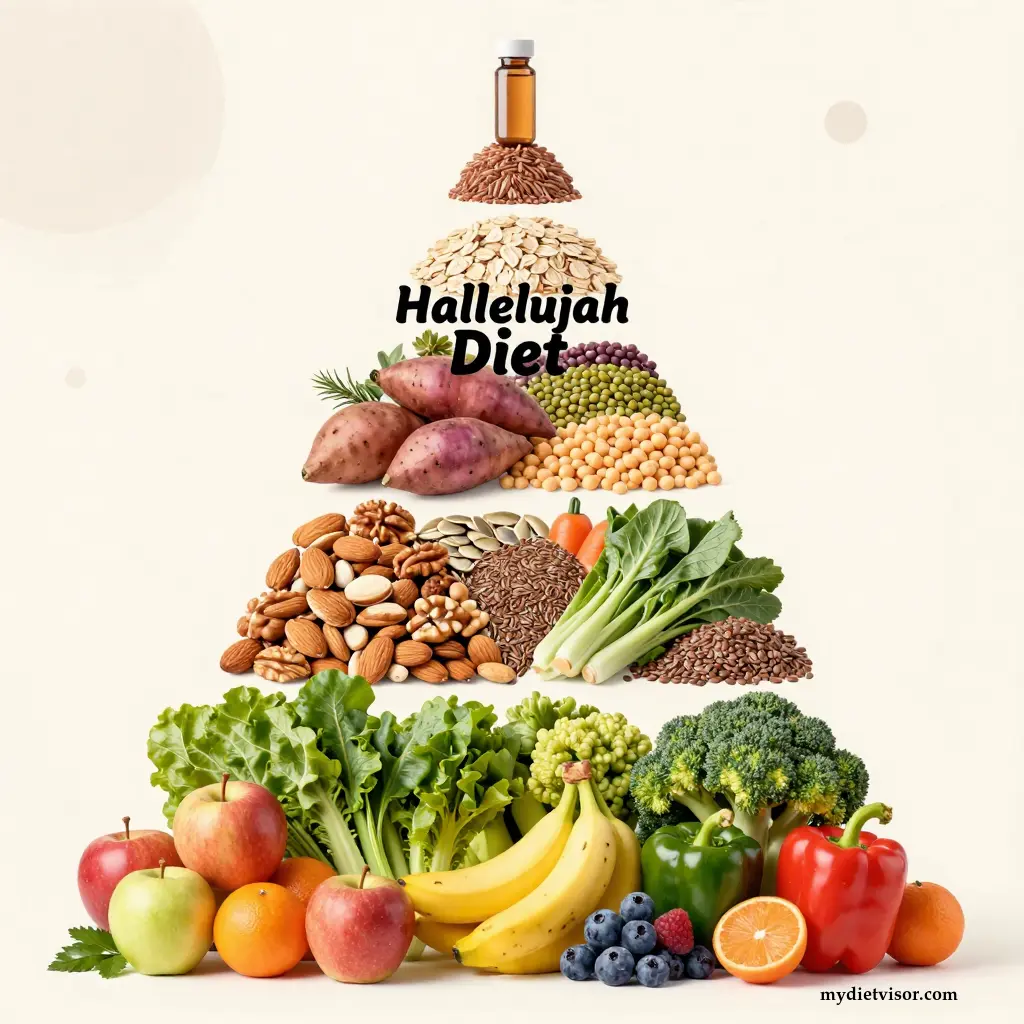
When it comes to the Hallelujah Diet, understanding which food groups are recommended is crucial. The diet places significant emphasis on raw foods, particularly fresh fruits and vegetables, as these are believed to retain their maximum nutrient content and enzyme activity. Let’s break down some of the core components:
- Fruits and Vegetables: At least 85% of daily caloric intake should come from raw or sprouted plant-based foods. Think vibrant salads, fruit platters, and fresh vegetable juices. These foods are rich in vitamins, minerals, enzymes, and antioxidants that support overall health according to the diet’s principles.
- Nuts and Seeds: While nuts and seeds are encouraged for their protein content and healthy fats, they should be consumed in moderation due to their high-calorie nature. They play a role in providing essential fatty acids and amino acids that are crucial for various bodily functions.
Cooked vegetables make up the remaining 15% of the diet but still adhere strictly to plant-based options. This includes steamed or boiled leafy greens, beans, legumes, and whole grains like quinoa and brown rice. Cooking is allowed here as it can enhance digestibility and nutrient absorption for certain foods.
- Diverse Variety: The Hallelujah Diet encourages a wide variety of fruits and vegetables to ensure intake of different vitamins and minerals.
- Sprouting and Dehydrating: These techniques are highly recommended because they unlock more nutrients in grains, seeds, and legumes compared to their unprocessed forms.
Transitioning Tips
Moving from a traditional diet rich in processed foods and animal products to the Hallelujah Diet can be challenging. A gradual approach often involves starting with an all-raw phase before introducing cooked vegetables. This phased transition helps ease digestive adjustments and minimizes withdrawal symptoms associated with eliminating certain food groups.
The commitment required for sourcing organic produce, preparing meals that adhere strictly to raw or lightly cooked guidelines, and incorporating supplements like BarleyMax makes the Hallelujah Diet a significant lifestyle change. For those willing to make such commitments, it promises a path towards improved health through divine guidance and natural foods. But is this approach sustainable long-term for everyone?
As you consider adopting the Hallelujah Diet, think about your personal health goals, dietary preferences, and willingness to commit fully to its principles. Would you be able to maintain such strict adherence indefinitely, or might a more balanced diet offer similar benefits without the rigidity?
Forbidden or Limited Foods on Hallelujah Diet
When exploring the Hallelujah Diet further, it’s crucial to understand which foods are strictly off-limits or limited. The diet is highly restrictive when it comes to certain food groups, emphasizing detoxification and cleansing through exclusion rather than inclusion.
Forbidden Foods:
The Hallelujah Diet forbids all animal products, including meat, poultry, fish, eggs, dairy, and honey. This restriction is based on the belief that these foods are incompatible with a healthy human diet as described in Genesis 1:29. The rationale behind this ban is that animal products can introduce harmful toxins into the body and disrupt natural healing processes.
Processed Foods:
Beyond just avoiding meat and dairy, adherents must also eliminate processed foods from their diets. This includes anything refined or packaged with added sugars, artificial preservatives, and hydrogenated oils. These items are seen as detrimental to health because they lack nutritional value and can introduce harmful chemicals into the body.
Sugar and Sweeteners:
Refined sugar is a strict no-no on this diet. Even natural sweeteners like maple syrup and agave nectar are discouraged due to their high glycemic index, which could lead to blood sugar imbalances and other metabolic issues. Instead, adherents rely on the natural sweetness of fruits or stevia for sweetness.
Oils:
Hydrogenated oils, including margarine and vegetable shortening, are prohibited because they contain trans fats linked to heart disease and inflammation. Even many commonly used cooking oils like canola oil are discouraged due to their processing methods, although olive oil is permitted when cold-pressed.
Alcohol and Caffeine:
Drinking alcohol or consuming caffeine is strictly forbidden in the Hallelujah Diet as these substances are seen as toxic and harmful to health. The diet advocates for complete abstinence from such stimulants to achieve optimal detoxification and healing.
Limited Foods:
While raw foods take center stage, some cooked vegetables are allowed but within strict guidelines. Cooked vegetables should be steamed or boiled rather than fried to retain their nutritional value without adding harmful substances like oils. This limited allowance provides flexibility while maintaining the overall philosophy of minimal processing.
Transitioning away from a diet rich in forbidden items can be challenging, requiring significant adjustments in eating habits and food sourcing. The abrupt change might lead to initial cravings and withdrawal symptoms as the body adjusts to the absence of these previously consumed foods.
For those considering the Hallelujah Diet, understanding what you need to give up is just as important as knowing what you should eat. Making this dietary shift requires not only a willingness to alter your palate but also an openness to new ways of thinking about food and health. This comprehensive approach can be daunting yet rewarding for those seeking radical lifestyle changes.
Are you ready to embrace such drastic dietary restrictions in pursuit of better health? Or do the limitations seem too rigid, making alternative approaches more appealing?
The Hallelujah Diet’s strict avoidance of animal products places it among the most extreme forms of veganism, emphasizing detoxification through complete abstinence from all animal-derived foods.
Nutritional Benefits and Drawbacks of Hallelujah Diet
The nutritional benefits of the Hallelujah Diet are significant, especially when focusing on whole foods rich in vitamins, minerals, and antioxidants. By adhering strictly to raw fruits, vegetables, nuts, seeds, and grains, dieters can expect a diet high in essential nutrients that support overall health.
- Rich in Antioxidants: Raw fruits and vegetables provide an abundance of antioxidants such as vitamin C, beta-carotene, and flavonoids. These compounds help protect cells from damage caused by free radicals, reducing the risk of chronic diseases like cancer and heart disease.
- High Fiber Content: The diet’s emphasis on whole plant foods ensures a high intake of dietary fiber. Fiber is crucial for digestive health, helping to regulate bowel movements and prevent conditions such as constipation and diverticulitis.
- Low in Saturated Fats: By completely avoiding animal products and processed oils rich in saturated fats, adherents can significantly lower their cholesterol levels and reduce the risk of cardiovascular diseases. This shift towards healthier fat sources like nuts and seeds promotes heart health while providing essential fatty acids needed for brain function and cell membrane integrity.
- Vitamins and Minerals: Eating a wide variety of raw fruits and vegetables ensures adequate intake of various vitamins and minerals, including vitamin K, folate, potassium, magnesium, and iron. These nutrients are vital for numerous bodily functions, from bone health to energy production and immune support.
However, the diet’s emphasis on raw foods also has its limitations. Cooking can enhance the bioavailability of certain nutrients like lycopene in tomatoes or beta-carotene in carrots, making it important to consider the full spectrum of nutritional needs when evaluating such a regimen.
Potential Nutritional Drawbacks
Despite its nutritional merits, the Hallelujah Diet presents several potential drawbacks that need careful consideration. One major concern is the risk of nutrient deficiencies due to strict dietary restrictions and reliance on specific food groups.
- Vitamin B12 Deficiency: The diet’s prohibition on animal products means a significant reduction in vitamin B12 intake, which is crucial for nerve function and red blood cell production. Without supplementation or fortified foods, adherents may develop anemia and neurological issues.
- Calcium Absorption Issues: Dairy products are the primary source of calcium in many diets, but avoiding these can lead to inadequate calcium intake. While plant-based sources like kale and almonds provide some calcium, they do not offer enough for optimal bone health without supplementation.
- Protein Intake: Nuts, seeds, legumes, and grains make up a significant portion of the protein source on this diet, but their quality is lower than animal proteins in terms of essential amino acids. Ensuring complete protein intake from plant sources requires meticulous planning to combine complementary foods effectively.
Additionally, the cost associated with sourcing organic produce and purchasing proprietary supplements like BarleyMax can be prohibitive for many individuals. This economic barrier may limit accessibility and sustainability of the diet over long periods.
The rigid nature of the Hallelujah Diet also poses challenges in terms of social engagement and practicality. Adhering strictly to a regimen that excludes common foods found at restaurants or social gatherings can lead to feelings of isolation and difficulty maintaining relationships centered around food sharing.
As you contemplate whether the Hallelujah Diet is right for you, reflect on your personal health goals and lifestyle preferences. Are you willing to commit fully to its principles despite potential nutritional drawbacks? Or might a more balanced diet offer similar benefits without such rigid restrictions?
The journey towards adopting any new dietary plan involves weighing pros and cons carefully, considering both immediate health impacts and long-term sustainability.
Sample Meal Plan on Hallelujah Diet
Understanding the Hallelujah Diet’s core principles and food restrictions is essential, but seeing how these translate into daily meals can provide clearer insights. Below is an example of what a day might look like for someone following this diet strictly:
Breakfast: Green Juice Boost
A morning green juice blend serves as a refreshing start to the day. This concoction typically includes ingredients such as kale, spinach, cucumber, celery, lemon, and ginger, along with optional additions like apple or pineapple for sweetness.
- Ingredients: 2 cups leafy greens (kale or spinach), 1 medium cucumber, 3 stalks of celery, half a lemon (peeled), a slice of ginger, and a piece of ripe fruit.
- Benefits: This juice is packed with antioxidants, vitamins, minerals, and fiber to kickstart the day’s detoxification process.
Snack: Raw Vegetable Platter
Between meals, a raw vegetable platter can keep hunger at bay while providing essential nutrients. Think slices of carrots, celery, bell peppers, and cucumbers paired with hummus or almond butter for protein.
- Ingredients: Carrot sticks, celery sticks, sliced bell peppers, cucumber rounds.
- Benefits: Raw vegetables are easier to digest and provide a burst of natural energy without heavy processing.
Lunch: Sprouted Grain Salad
Lunch on the Hallelujah Diet often features sprouted grains mixed with plenty of raw or lightly cooked vegetables. A popular choice is quinoa salad with raw veggies like cherry tomatoes, avocado, and shredded carrot, dressed in lemon juice and olive oil (in moderation).
- Ingredients: 1 cup cooked quinoa, cherry tomatoes, diced cucumber, sliced bell pepper, chopped parsley, lemon juice, extra virgin olive oil.
- Benefits: Sprouted grains are easier to digest and provide a wealth of nutrients. The salad is light yet satisfying.
Snack: Fresh Fruit
Fruit serves as an excellent mid-afternoon snack on this diet. Opt for seasonal fruits like berries, apples, or oranges, which offer natural sugars and antioxidants without the drawbacks of refined sugar.
- Ingredients: 1 medium apple, a handful of blueberries.
- Benefits: Fruits are hydrating, full of vitamins, minerals, and fiber to maintain energy levels until dinner time.
Dinner: Steamed Vegetable Medley
Dinner can include cooked vegetables but should still be minimalistic in preparation. Steaming is the preferred cooking method since it preserves more nutrients compared to boiling or frying.
- Ingredients: Broccoli florets, baby carrots, green beans.
- Benefits: Steaming allows for nutrient retention while making veggies easier on digestion compared to raw foods alone.
Evening: Herbal Tea
Ending the day with a cup of herbal tea can aid in relaxation and better sleep. Chamomile or peppermint are soothing choices that align well with the diet’s emphasis on natural remedies over caffeine.
- Ingredients: Dried chamomile flowers, hot water.
- Benefits: Herbal teas provide antioxidants without any stimulants, promoting a calm evening routine.
BarleyMax Supplement
Throughout the day, taking the proprietary supplement BarleyMax is essential. This supplement, made from barley grass, is believed to enhance detoxification and boost immune function.
This meal plan illustrates how diverse yet simple meals can be on the Hallelujah Diet. Each component focuses on delivering maximum nutrition with minimal processing, aligning closely with the diet’s principles of purity and simplicity.
However, adhering strictly to such a regimen requires careful planning and sourcing high-quality ingredients, which can be challenging for many. The rigid nature of this diet may also pose obstacles in social settings where typical meals are served.
As you explore adopting the Hallelujah Diet, consider whether your lifestyle supports its demands or if a more flexible approach could offer similar health benefits without the stringent restrictions.
George Malkmus’s transition to the Hallelujah Diet after his cancer diagnosis inspired him to write “The Hallelujah Diet” book in 1985, sharing his story and dietary guidelines with others seeking alternative healing methods.
Alternative Diets to Hallelujah Diet: What Are the Options?
When evaluating the suitability of the Hallelujah Diet, it’s important to consider other dietary approaches that offer similar health benefits but with different philosophies and requirements. Several alternative diets provide a range of options for individuals seeking plant-based or minimally processed eating habits without the strict religious framework and rigid restrictions of the Hallelujah Diet.
Veganism: A Broader Spectrum
Veganism is one of the most widely recognized alternatives to the Hallelujah Diet, focusing on avoiding all animal products but allowing a greater variety in food choices. Unlike the Hallelujah Diet’s emphasis on raw foods and specific supplements, veganism promotes flexibility in meal preparation while still adhering to ethical principles regarding animal welfare.
- Flexibility with Cooking Methods: Vegans can cook meals using various methods like steaming, baking, or even stir-frying, which provides more versatility in meal planning.
- Diverse Nutrient Sources: While the Hallelujah Diet relies heavily on specific fruits and vegetables, veganism encourages a broad range of plant-based foods to ensure adequate intake of essential nutrients. This includes tofu, tempeh, lentils, chickpeas, and fortified plant milks for vitamins B12 and D.
- Variety in Meal Planning: Vegan diets can be more inclusive, allowing for various cultural cuisines that offer unique flavors and combinations. From Indian curries to Mexican dishes, there’s a wide array of options available without the need for proprietary supplements or strict raw food guidelines.
Mediterranean Diet: A Balanced Approach
The Mediterranean diet is another popular alternative that focuses on whole foods while incorporating moderate amounts of animal products like fish and poultry. This dietary pattern emphasizes plant-based meals rich in vegetables, fruits, whole grains, legumes, nuts, seeds, olive oil, and herbs.
- Heart Health Benefits: Numerous studies support the cardiovascular health benefits of the Mediterranean diet due to its high intake of monounsaturated fats from olive oil and antioxidants from fruits and vegetables.
- Sustainability: Unlike the Hallelujah Diet’s strict restrictions, the Mediterranean approach is easier to maintain long-term without feeling deprived. It allows for occasional indulgences like red wine in moderation, which can enhance enjoyment and social aspects of dining.
Flexitarian Diet: A Flexible Plant-Based Approach
The flexitarian diet, also known as a semi-vegetarian or vegetarian-focused eating plan, advocates for incorporating mostly plant-based meals while allowing occasional consumption of meat products. This approach aims to reduce environmental impact and improve health without the rigidity found in stricter vegan diets.
- Flexibility: Flexitarians can enjoy many benefits associated with plant-based diets while still having the option to eat animal products on occasion.
- Balanced Nutrition: By including a moderate amount of lean meats, dairy, and eggs, flexitarianism ensures that individuals maintain balanced nutritional intake without risking deficiencies common in more restrictive regimens.
Raw Food Diet: A Closer Look
A raw food diet shares some similarities with the Hallelujah Diet due to its focus on uncooked plant-based foods. However, it offers more flexibility regarding types of permitted foods and preparation methods like blending, sprouting, or dehydrating rather than solely relying on fresh juices.
- Variety: While both diets promote raw food consumption for optimal nutrient retention, the raw food diet typically allows a wider range of ingredients including nuts, seeds, coconut products, and even fermented items.
- Supplement Needs: Unlike the Hallelujah Diet’s reliance on proprietary supplements like BarleyMax, adherents to a general raw food diet focus more on natural sources for vitamins and minerals.
Ongoing Debate: Personalizing Your Choice
Choosing between these diets involves weighing personal values, health goals, and lifestyle preferences. While each offers unique benefits in terms of nutrient intake, flexibility, and cultural fit, the Hallelujah Diet stands out with its strong emphasis on detoxification and spiritual healing. However, alternative diets provide more moderate approaches that might be better suited for those looking to adopt healthier eating habits without such radical changes.
As you consider these options, think about what resonates most deeply with your beliefs and practical needs. Are you drawn to the simplicity of raw foods and faith-based guidance offered by the Hallelujah Diet? Or do you prefer a diet that allows greater flexibility while still prioritizing plant-based nutrition?
Ultimately, the best diet is one that fits seamlessly into your daily routine, supports overall health without extreme sacrifices, and aligns with your personal philosophy on food and lifestyle.
Does Hallelujah Diet Promote Weight Loss?
The potential for weight loss is often highlighted as one of the key benefits of following the Hallelujah Diet. Proponents claim that adhering to this regimen can lead to significant reductions in body mass, particularly due to the elimination of processed foods and sugars from the diet. However, understanding how this diet facilitates weight loss requires a closer examination of its core principles and practical applications.
- Elimination of Calories from Processed Foods: The Hallelujah Diet’s strict ban on processed foods means cutting out many high-calorie snacks, fast food items, and sugary beverages that are commonly associated with obesity. This reduction in calorie-dense foods can lead to a decrease in overall caloric intake.
- High Fiber Content: Fruits, vegetables, nuts, seeds, and sprouted grains form the bulk of this diet. These foods are naturally high in fiber, which helps increase feelings of fullness without adding extra calories. High-fiber diets have been shown to promote satiety and reduce overall food consumption.
However, the effectiveness of the Hallelujah Diet for weight loss is not solely due to these factors but also influenced by its restrictive nature:
- Rigorous Dietary Restriction: The diet’s stringent rules against animal products, processed foods, refined sugars, and unhealthy oils can lead to significant changes in eating habits. This radical shift may result in an initial rapid reduction of body weight as stored glycogen is depleted and water loss occurs.
- Supplementation for Nutrient Balance: While the Hallelujah Diet emphasizes detoxification through raw and organic foods, it also recommends taking proprietary supplements like BarleyMax to ensure adequate nutrient intake. These supplements can provide essential vitamins and minerals that might otherwise be lacking due to restrictive dietary patterns.
For individuals looking to lose weight, the rapid initial results from such a dramatic change in diet can be motivating. However, maintaining this level of restriction long-term poses challenges:
- Sustainability Concerns: The strict nature of the Hallelujah Diet may make it difficult for many people to adhere to consistently over extended periods. This high degree of rigidity could lead to eventual lapses or abandonment of the diet.
- Social and Practical Challenges: Adhering strictly to a regimen that forbids common foods found in social settings can create isolation and stress, potentially undermining long-term adherence.
Moreover, while initial weight loss is often positive, sustaining this progress requires continued commitment to the diet’s principles. The long-term effectiveness of such extreme dietary changes needs careful consideration:
- Health Risks: The risk of nutrient deficiencies associated with prolonged adherence to the Hallelujah Diet cannot be overlooked. Essential nutrients like vitamin B12 and calcium might become deficient over time, posing health risks that may outweigh the benefits of weight loss.
- Balanced Approach: For many individuals, a more balanced dietary approach that includes moderate consumption of animal products and processed foods while emphasizing whole plant-based meals can offer sustainable weight management without the potential drawbacks.
As you explore whether the Hallelujah Diet is suitable for your weight loss goals, consider how well it aligns with your lifestyle preferences and long-term health objectives. Can you commit to such strict dietary limitations indefinitely? Or might a more flexible diet provide better results while being easier to maintain?
Ultimately, deciding on the right path involves weighing the immediate benefits against potential long-term challenges, ensuring that any chosen diet supports both short-term goals and long-term well-being.
Weight loss on the Hallelujah Diet often starts with significant reductions in processed foods and sugars, leading to initial rapid results but posing sustainability challenges over time.
Potential Health Benefits Beyond Weight Loss
Beyond weight loss, the Hallelujah Diet offers several other potential health benefits associated with its emphasis on whole foods, detoxification, and spiritual well-being. These benefits can extend to various aspects of overall health, including digestive health, immune function, and mental clarity.
- Improved Digestive Health: The diet’s focus on raw fruits, vegetables, nuts, seeds, and sprouted grains provides a significant amount of dietary fiber that promotes healthy digestion. Fiber aids in the prevention of constipation and supports gut microbiota diversity by nourishing beneficial bacteria. This can lead to improved digestive efficiency and better nutrient absorption.
- Enhanced Immune Function: The high concentration of antioxidants and essential nutrients found in raw and organic produce may bolster immune system function. Antioxidants help combat oxidative stress, reducing inflammation and supporting the body’s defenses against infections and diseases. Proponents also suggest that the detoxification process advocated by the diet can alleviate chronic low-level inflammation, contributing to overall wellness.
- Mental Clarity and Energy Levels: Many individuals report experiencing increased mental clarity and sustained energy levels after transitioning to the Hallelujah Diet. This could be attributed to better blood sugar regulation due to lower glycemic load from natural sugars in fruits and vegetables, as well as improved nutrient absorption that supports brain function.
- Reduced Risk of Chronic Diseases: The diet’s emphasis on plant-based foods is linked to a reduced risk of chronic diseases such as heart disease, type 2 diabetes, and certain cancers. A high intake of antioxidants and phytochemicals from fruits and vegetables can help prevent cellular damage and reduce inflammation, two major contributors to the onset of these conditions.
- Spiritual Well-being: For adherents, the Hallelujah Diet is more than just a dietary regimen; it’s a spiritual practice that aligns with their faith. Many individuals find solace in following a diet they believe was intended for humanity according to Genesis 1:29. This connection can provide a sense of purpose and inner peace, potentially reducing stress levels and improving overall mental health.
However, it is important to note that while these benefits are often reported by adherents, scientific evidence supporting the unique advantages of this specific diet over other healthy eating plans is limited. The potential for nutrient deficiencies and the challenges associated with long-term adherence must also be considered when evaluating these claims.
Are you intrigued by the holistic approach offered by the Hallelujah Diet? Or do you find its strict requirements too daunting compared to more flexible yet effective dietary alternatives?
Despite being a raw food diet, adherents of the Hallelujah Diet are known for their vibrant health and energy levels, which they attribute to the high nutrient density of their meals and spiritual practices.
Downsides of Following the Hallelujah Diet Strictly
While the Hallelujah Diet offers numerous purported benefits, adhering strictly to its principles can present several challenges and potential health risks. The rigid restrictions and dietary exclusions required by this diet may make it difficult for many individuals to follow sustainably over extended periods.
- Social Isolation: One of the most significant downsides is the social isolation that often accompanies strict adherence to the Hallelujah Diet. Many meals in social settings, such as restaurants or family gatherings, do not align with its guidelines. This can lead to feelings of exclusion and loneliness, which are detrimental to mental health.
- Economic Burden: Sourcing organic produce and incorporating proprietary supplements like BarleyMax adds an economic burden that may be prohibitive for many individuals. The costs associated with high-quality organic foods and supplements can accumulate rapidly, making this diet less accessible to those on a tighter budget.
- Complex Meal Preparation: Following the Hallelujah Diet requires meticulous planning and preparation of meals, especially if adhering strictly to raw food principles. This level of commitment may be challenging for individuals with busy lifestyles or limited culinary skills. The need for constant meal prep can become overwhelming over time.
Moreover, the strict avoidance of certain food groups can lead to nutritional imbalances that pose long-term health risks:
- Nutrient Deficiencies: Despite its emphasis on whole foods, the Hallelujah Diet’s exclusion of animal products and some plant-based sources means a high risk of nutrient deficiencies. Essential nutrients like vitamin B12, iron, calcium, zinc, and omega-3 fatty acids may be insufficiently supplied through this regimen alone.
For instance:
| Nutrient | Recommended Source in Conventional Diets | Limited Availability on Hallelujah Diet |
|---|---|---|
| Vitamin B12 | Animal products (meat, dairy) | None |
| Calcium | Dairy and leafy greens | Minimal from plant-based sources |
| Iron | Red meat, poultry | Limited bioavailability in plants |
Addressing these deficiencies often requires additional supplementation or careful planning to combine complementary foods effectively, which adds complexity.
- Impact on Gut Health: The diet’s reliance on raw fruits and vegetables can be problematic for individuals with digestive issues. Raw foods may exacerbate conditions like irritable bowel syndrome (IBS) due to their high fiber content and potential FODMAPs (fermentable oligo-, di-, mono-saccharides, and polyols), which can cause bloating, cramping, and diarrhea in sensitive individuals.
- Lack of Evidence for Detoxification Claims: The concept of detoxifying the body through dietary changes is widely debated. While the Hallelujah Diet emphasizes detoxification as a core benefit, there is limited scientific evidence supporting its efficacy in removing toxins from the body more effectively than other healthy eating patterns.
Understanding these downsides is crucial when evaluating whether the Hallelujah Diet is suitable for your personal health goals and lifestyle preferences. Are you willing to face potential social isolation and financial strain in pursuit of what you believe are significant health benefits? Or might a less restrictive diet offer similar advantages without such obstacles?
As you navigate this decision, consider your readiness for radical changes versus the feasibility of more moderate dietary adjustments that still promote wellness.
Closing Thoughts and Summary
In conclusion, the Hallelujah Diet presents a compelling yet challenging path to wellness through its strict adherence to raw, organic plant-based foods and biblical principles. While it promises detoxification, weight loss, and improved health by eliminating processed foods and animal products, potential drawbacks such as social isolation, economic burden, and nutritional deficiencies must be carefully considered. For those willing to commit fully, the diet offers a holistic approach that intertwines spiritual beliefs with dietary practices. However, for many, more flexible diets like veganism or the Mediterranean diet might provide similar health benefits while being easier to sustain in the long term. Ultimately, choosing the right path depends on personal values, lifestyle, and health goals, encouraging individuals to thoughtfully evaluate their readiness for such a transformative journey.
Frequently Asked Questions (FAQ)
What is the Hallelujah Diet?
The Hallelujah Diet is a plant-based diet that emphasizes raw fruits, vegetables, nuts, seeds, and whole grains. It involves four steps to transition from a standard diet to this more restrictive eating plan.
Is the Hallelujah Diet expensive to follow?
Yes, following the Hallelujah Diet can be costly due to its reliance on organic foods and specialized supplements that are often sold by the program creators.
Does the Hallelujuh Diet include any exercise recommendations?
The diet includes optional exercise programs but does not have strict guidelines. It encourages natural movement and activities like walking.
Can people with dietary restrictions or allergies follow the Hallelujah Diet?
People with specific dietary needs may find it challenging to adapt the Hallelujah Diet, as it is highly restrictive and does not offer many variations for different conditions.
Is there a religious component to the Hallelujah Diet?
While the diet is named after the biblical phrase “Hallelujah,” its principles are more about health than religion. However, some followers may have spiritual motivations.
How does the Hallelujah Diet compare to other plant-based diets?
Compared to other vegan or vegetarian diets, the Hallelujah Diet is more restrictive and emphasizes raw foods over cooked ones.
Can you consume any meat while on the Hallelujah Diet?
No, the diet strictly prohibits all animal products including meat, dairy, eggs, and honey.
Are there risks associated with following the Hallelujah Diet for a long time?
Long-term adherence may lead to nutritional deficiencies if not supplemented properly. It can also be hard on your immune system due to its restrictive nature.
Does the Hallelujah Diet help people manage chronic illnesses?
While it claims benefits for conditions like cancer, arthritis, and diabetes, scientific evidence is limited, and such claims should be approached with caution.
How does one start transitioning onto the Hallelujah Diet?
To begin, you can take an online quiz on their website to determine which supplement kit suits your needs best before gradually incorporating more raw plant-based foods into your diet.