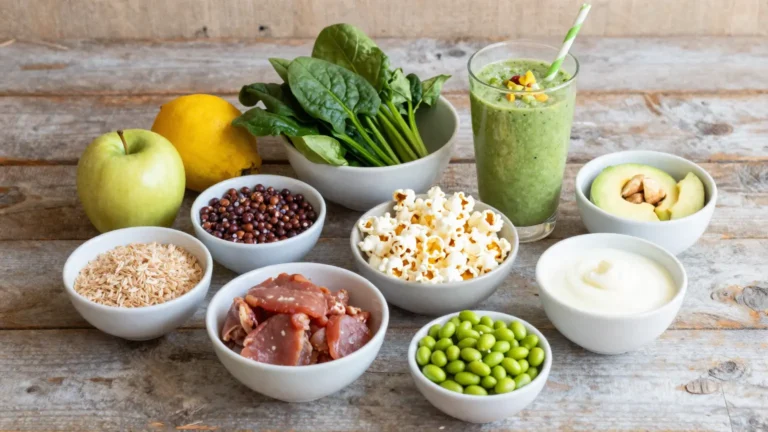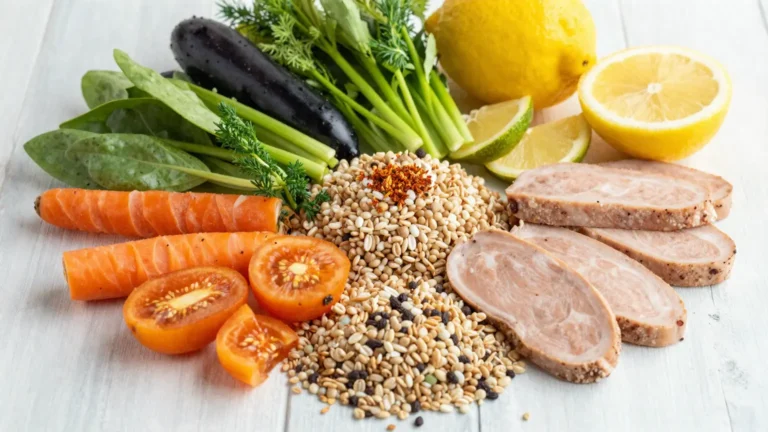
What Is the Slow-Carb Diet?

The slow-carb diet has become a popular choice for those seeking effective weight loss without the hassle of daily meal planning. Originating from Timothy Ferriss’s “The 4-Hour Body,” this diet promises substantial transformations in just six days a week. But what exactly is the slow-carb diet, and how does it work its magic? Let’s dive into the essence of this structured eating plan.
At its core, the slow-carb diet revolves around five fundamental rules designed to streamline your meal choices while maximizing weight loss potential. The first rule requires you to say goodbye to white carbs – those highly processed grains that often sneak their way into our diets through bread, pasta, and cereals. Instead, the focus shifts towards whole grains and complex carbohydrates, which offer more sustained energy without spiking blood sugar levels.
The diet’s simplicity is one of its strongest selling points. By repeating a small set of meals throughout the week, you can easily stick to your plan without getting bogged down by daily meal decisions. Imagine preparing just five or six meals that you know will keep you on track; it’s like having your go-to order at a favorite restaurant, but healthier and tailored specifically for weight loss.
One aspect that might pique your curiosity is the strict water-only rule during diet days. No sodas, no juices – just plain old H2O along with unsweetened tea or coffee. This restriction not only cuts out unnecessary calories but also helps train your body to crave fewer sugary drinks over time. As you adapt to this change, you might find yourself craving healthier options more often.
So, are you intrigued by the slow-carb diet’s potential? With its clear guidelines and emphasis on whole foods, it offers a fresh take on traditional weight loss methods. But before jumping in headfirst, consider whether these rules align with your lifestyle and nutritional needs. Does eliminating fruits sound daunting, or do you think you can handle one cheat day per week without derailing your progress?
By exploring the slow-carb diet further, you might uncover a simpler way to manage your weight while enjoying delicious meals that keep you feeling satisfied and energized throughout your transformation journey.
The 5 Basic Rules of the Slow-Carb Diet
The second rule of the slow-carb diet involves repeating meals. This means sticking to a small selection of dishes throughout the week, rather than constantly rotating your menu. By having go-to recipes that are low in carbs and high in protein, you can easily maintain consistency without getting overwhelmed by meal planning. For instance, think of preparing grilled chicken with steamed vegetables on Monday, then simply switching up the vegetable type for Tuesday. This repetition ensures that you are eating similar meals each day, which not only simplifies your routine but also keeps calorie intake predictable and manageable.
The third rule focuses on drinking water only during diet days. This means no soda, juice, or even sweetened tea – just plain water to keep yourself hydrated without adding unnecessary calories. While this restriction might seem tough initially, it can significantly reduce daily sugar intake and help stabilize blood glucose levels. Over time, your body adjusts, and you may find that cravings for sugary drinks decrease.
Another crucial rule is eliminating fruits on diet days. Although fruits are generally healthy, they contain fructose, a type of sugar that could potentially slow down weight loss progress according to the diet’s philosophy. By excluding them temporarily, proponents argue that it helps in achieving faster fat burning and metabolic reset. However, this can be challenging for those who enjoy incorporating fruits into their meals regularly.
Lastly, the diet allows one cheat day per week where all foods are permitted without restriction. This flexibility is designed to prevent binge eating or feeling deprived throughout the week, thus making adherence easier over time. It’s a mental break from strict rules and an opportunity to indulge guilt-free once every seven days. However, it requires discipline during other days to reap the benefits fully.
These rules collectively aim at minimizing decision fatigue, reducing calorie intake, and promoting consistent eating patterns that support weight loss goals. But as you embark on this journey, ponder whether these guidelines fit into your lifestyle seamlessly or if they might pose challenges due to dietary preferences or social commitments.
Recommended Food Groups for the Slow-Carb Diet
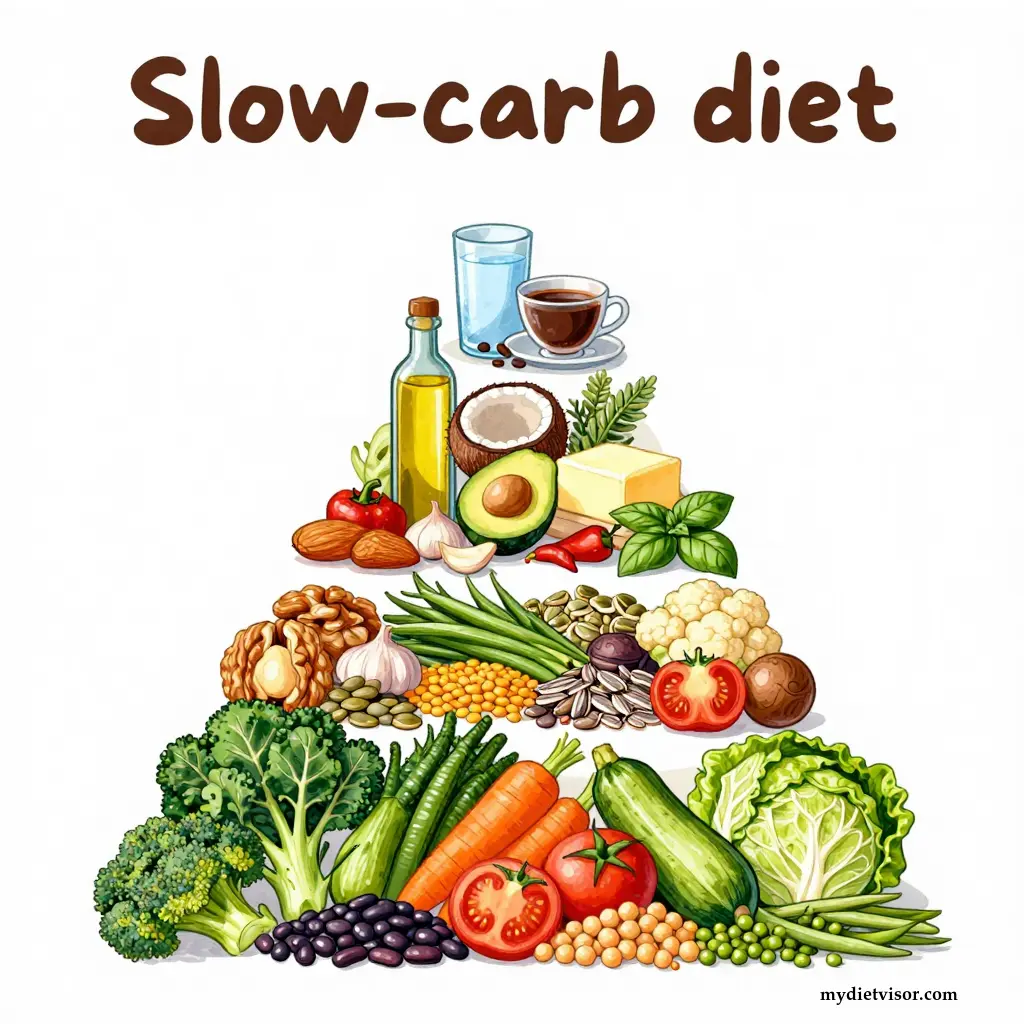
When considering the recommended food groups for the slow-carb diet, it becomes evident that certain categories of foods play pivotal roles in helping you meet your weight loss goals. Protein sources are at the forefront, as they provide the necessary building blocks for muscle repair and growth while also keeping you feeling full longer.
Lean meats and legumes take center stage here. Chicken, turkey, lean beef, and fish like salmon or cod are all great choices due to their high protein content and relatively low fat levels. Legumes such as black beans, chickpeas, lentils, and kidney beans are also highly recommended because they offer a plant-based alternative that is equally nutritious and filling.
Vegetables form another essential part of the diet. They should be non-starchy and cooked in simple ways to preserve their nutritional value without adding unnecessary calories or fats. Broccoli, spinach, kale, cauliflower, and bell peppers are just a few examples of vegetables you might regularly incorporate into your meals. These foods provide vitamins, minerals, fiber, and antioxidants that contribute to overall health while keeping your calorie intake low.
While avoiding fruits on diet days can be challenging for some, it’s worth noting why this rule exists. Fruits contain natural sugars (fructose) which, according to the principles of the slow-carb diet, could interfere with rapid fat loss by affecting insulin levels and metabolic rate. However, on your cheat day or during refeed periods, indulging in a variety of fruits can offer both psychological relief and nutritional benefits.
Dairy products are generally discouraged because they often come loaded with sugars and fats that don’t align well with the calorie-restriction goals of the diet. Opting for alternatives like unsweetened almond milk or cashew cream may be better choices if you need to satisfy cravings while sticking close to the diet’s guidelines.
By focusing on these core food groups, the slow-carb diet aims to create a balance where you get enough nutrients without overwhelming your body with unnecessary calories or sugars. This approach not only aids in weight loss but also supports long-term health and wellness by emphasizing quality over quantity.
As you explore the benefits of incorporating lean proteins and non-starchy vegetables into your daily meals, think about how these changes might impact your energy levels and overall satisfaction with food choices. Would you find it feasible to stick to this diet for weeks or months at a time?
Forbidden or Limited Foods on the Slow-Carb Diet
On the slow-carb diet, several types of foods are forbidden or limited, primarily to ensure that you remain within the dietary framework designed for rapid weight loss. The primary restrictions involve avoiding fruits on diet days and limiting your meal variety strictly to pre-approved recipes.
One major limitation is the prohibition of fruit consumption during diet days. While many health-conscious individuals view fruits as a vital part of their daily meals due to their high vitamin, mineral, and fiber content, the slow-carb diet takes an opposing stance. According to proponents like Timothy Ferriss, consuming fruits on these days can hinder weight loss efforts by introducing additional sugars into your system. The belief is that even though fruits are natural and nutritious, the fructose they contain might interfere with fat burning processes.
However, this restriction isn’t absolute. On cheat days, you’re free to enjoy a wide variety of foods, including fruits, without any limitations. This flexibility serves as both a reward for adhering strictly during diet days and a way to maintain mental health by preventing feelings of deprivation over the long term.
Additionally, dairy products are generally discouraged on this diet unless they are unsweetened alternatives like almond milk or cashew cream. Traditional dairy items such as milk, yogurt, cheese, and ice cream often come with high sugar content and added fats that don’t align well with the calorie-restriction goals of the slow-carb approach.
By focusing on eliminating these specific food groups temporarily, adherents aim to create an environment conducive to rapid weight loss through controlled caloric intake and strategic meal planning. However, it’s crucial to weigh this against your personal nutritional needs and preferences before fully committing to such restrictions. Would you find it challenging or feasible to omit fruits entirely for most of the week while still meeting your dietary requirements?
This approach underscores the importance of understanding how certain foods interact with your body’s metabolic processes and highlights why some dieters might struggle with the strict nature of these guidelines, especially when considering long-term adherence.
Nutritional Benefits and Drawbacks of the Slow-Carb Diet
The slow-carb diet’s emphasis on high-protein meals offers several nutritional benefits, primarily related to satiety and muscle maintenance. Protein-rich foods like lean meats, fish, and legumes are known for their ability to keep hunger at bay longer compared to carbohydrates or fats. This can be particularly beneficial for individuals trying to lose weight without feeling deprived or overly hungry throughout the day.
Moreover, protein consumption aids in preserving muscle mass during periods of calorie deficit. When you’re cutting calories, your body tends to break down both fat and muscle tissue for energy. However, by focusing on adequate protein intake, you can maintain lean muscle mass while promoting fat loss. This is crucial not only for physical appearance but also for metabolic health since more muscle means a higher resting metabolic rate.
On the other hand, limiting or eliminating certain food groups can pose nutritional drawbacks. Fruits and dairy products are particularly important sources of essential vitamins, minerals, and beneficial fats that might be lacking in the strict diet regimen. For instance, fruits provide significant amounts of vitamin C, potassium, and fiber – nutrients critical for immune function, cardiovascular health, and digestion.
Did you know that a single cup of strawberries can contain over 100% of your daily recommended intake of vitamin C?
By excluding dairy, the diet misses out on important nutrients such as calcium, which is vital for bone health, and probiotics found in yogurt, which support gut microbiota. Additionally, some individuals might find it difficult to get enough omega-3 fatty acids without incorporating certain types of fish or plant-based alternatives like flaxseeds.
When considering the nutritional aspects, it’s essential to ask yourself if you can handle these restrictions comfortably while still meeting your body’s needs for various vitamins and minerals. Can you manage a diet that excludes fruits entirely during most days? Or would you feel better incorporating some natural sugars from fruits into your daily meals?
In conclusion, while the slow-carb diet offers clear advantages in terms of protein intake and structured meal planning, it’s also crucial to evaluate its potential drawbacks regarding nutrient deficiencies and personal compliance. Balancing these factors is key to determining whether this diet suits your lifestyle and health goals effectively.
Would you find it challenging to adhere strictly to the diet’s rules for an extended period? Or do you think incorporating occasional indulgences might help sustain long-term adherence?
Sample Meal Plan to Follow the Slow-Carb Diet
Crafting a meal plan for the slow-carb diet involves selecting high-protein options and sticking with non-starchy vegetables. Here’s an example of what your daily meals might look like during diet days:
- Breakfast: Grilled chicken breast served with steamed broccoli and a side of chickpea salad.
- Lunch: Baked salmon seasoned with herbs, accompanied by sautéed spinach and bell peppers.
- Dinner: Turkey or lean beef chili made with kidney beans and tomatoes, along with a mixed green salad dressed lightly in olive oil and vinegar.
Snacks on this diet are typically discouraged unless you feel extremely hungry. However, if needed, opt for small servings of nuts like almonds or walnuts paired with an unsweetened beverage to keep your energy levels stable without derailing your progress.
This meal plan focuses heavily on lean proteins and nutrient-dense vegetables while avoiding any fruits that might interfere with the diet’s fat-burning goals. By sticking to these guidelines, you can maintain consistency in your calorie intake and ensure that each meal supports weight loss efforts effectively.
As you contemplate this approach, consider how it fits into your lifestyle and daily routine. Can you realistically prepare these meals throughout the week without feeling overwhelmed? Would you find the repetition boring or manageable?
Crafting a personalized meal plan is key to ensuring that the slow-carb diet works seamlessly for you while still achieving its intended benefits of rapid fat loss and sustained energy levels.
Alternative Diets Like the Slow-Carb Diet: What Are Your Options?
When considering alternative diets similar to the slow-carb diet, there are several options that share some principles but also offer unique approaches. Let’s explore a few popular alternatives and see how they compare in terms of effectiveness and sustainability.
The Ketogenic (Keto) Diet
The ketogenic diet is another low-carb plan that dramatically reduces carbohydrate intake while increasing fat consumption. Instead of aiming for rapid weight loss over six days, the keto approach focuses on shifting your body into a state of ketosis, where it burns fat rather than glucose for energy.
Key Features:
- High-fat foods like avocados, nuts, and oils.
- Moderate protein intake from meats, fish, and eggs.
- Strict carbohydrate limit (usually under 50 grams per day).
- Emphasis on non-starchy vegetables like leafy greens and broccoli.
Unlike the slow-carb diet’s emphasis on lean proteins and water-only beverages during certain days, keto allows a broader range of fats and moderate protein consumption. However, it also requires careful monitoring to ensure you stay within your carbohydrate limit and avoid foods that could kick you out of ketosis, such as fruit and sweetened dairy products.
Intermittent Fasting (IF)
Intermittent fasting doesn’t focus on specific food groups but rather on when you eat them. This diet plan alternates between periods of eating normally and fasting for extended durations. Common methods include the 16/8 method, where you fast for 16 hours and eat during an 8-hour window.
Key Features:
- No strict calorie or macronutrient counting.
- Flexible meal timing rather than specific food restrictions.
- Can be combined with other dietary patterns (e.g., keto or paleo).
Intermittent fasting can complement the principles of the slow-carb diet by helping control overall caloric intake and improving metabolic flexibility. However, it may not align perfectly if you prefer having structured meals throughout the day without skipping meals.
The Mediterranean Diet
The Mediterranean diet is based on traditional eating patterns from countries like Greece, Italy, and Spain. It emphasizes whole foods, plant-based ingredients, and healthy fats while limiting processed sugars and red meats.
Key Features:
- Abundant fruits, vegetables, legumes, nuts, seeds.
- Olive oil as the primary cooking fat.
- Moderate dairy and fish consumption.
- Limited red meat and sweets.
This diet offers a more balanced approach compared to the strict rules of slow-carb or keto. It promotes heart health and longevity through its focus on quality over quantity, making it a sustainable choice for long-term wellness rather than rapid weight loss.
The Paleo Diet
The paleo diet mimics what our hunter-gatherer ancestors might have eaten before agriculture was developed. This means focusing primarily on whole foods like meat, fish, fruits, vegetables, nuts, and seeds while avoiding grains, dairy, legumes, and processed foods.
Key Features:
- Emphasis on lean meats, wild-caught fish.
- No refined sugars or flours.
- Encourages natural fats from olive oil, avocado, coconut.
- Limited to no consumption of modern food items like breads and pastas.
Similar to the slow-carb diet in its avoidance of processed foods and focus on whole, nutrient-dense ingredients, paleo diverges by allowing a wider range of protein sources and fats. It also includes fruits freely but restricts legumes which are often used extensively in slow-carb meals.
Comparing Diets
| Diet Type | Main Focus | Flexibility | Nutritional Balance |
|---|---|---|---|
| Slow-Carb | Rapid weight loss through strict rules | Low flexibility, rigid meal planning required | Balanced but restrictive (fruits and dairy limited) |
| Keto | Ketosis for fat burning | Moderate flexibility, precise tracking of macros needed | High-fat and protein, low carbs; can be challenging to maintain long-term |
| IF | Timing of meals rather than food types | Very flexible scheduling options | No strict rules on what you eat, focuses more on when you consume calories |
| Mediterranean | Traditional eating patterns from the Mediterranean region | Moderate flexibility in portion sizes | Balanced and sustainable for heart health and longevity |
| Paleo | Hunter-gatherer diet focusing on whole foods | Some flexibility in meat/vegetable choices but strict avoidance of certain food groups | Emphasizes natural fats and proteins while excluding modern food items |
Each diet has its pros and cons, catering to different preferences and goals. The slow-carb diet’s structured approach might appeal to those seeking clear guidelines for rapid weight loss, whereas diets like the Mediterranean or Paleo offer broader flexibility with potentially longer-term health benefits.
Choosing the right diet involves considering your personal dietary needs, lifestyle habits, and long-term sustainability. Reflect on what you can realistically maintain without feeling deprived or overly restricted. Would a strict meal plan work better for you than a more flexible approach? How do these diets align with your overall health goals?
In exploring these alternatives, it becomes clear that there’s no one-size-fits-all solution when it comes to dieting. What works best often depends on individual factors and personal commitment levels.
Should You Try the Slow-Carb Diet? A Final Word
The slow-carb diet presents a unique approach to weight loss with its clear rules and emphasis on high-protein meals. By focusing on lean meats, legumes, and non-starchy vegetables, the diet aims to simplify meal planning and promote rapid fat burning. However, it also comes with challenges such as fruit restrictions during diet days and the need for strict adherence to specific meal plans. As you consider whether this diet is right for you, reflect on your ability to stick to its guidelines while meeting your nutritional needs. Whether the slow-carb diet aligns with your lifestyle and long-term health goals will ultimately determine its effectiveness in helping you achieve your wellness objectives.
Frequently Asked Questions (FAQ)
What are the main rules I need to follow on the slow-carb diet?
The slow-carb diet is based on five key rules: avoid white carbohydrates, repeat the same meals, don’t drink calories, don’t eat fruits, and take one day off per week.
Can I still enjoy my favorite foods once a week?
Yes, you have one free day each week where you can eat whatever you want to enjoy your favorite foods without restrictions.
How long should I exercise while on the slow-carb diet?
The diet suggests that if you’re eating the right foods, you only need to work out about two to three times a week for around 30 minutes.
What are some tips for starting the slow-carb diet?
Start small by committing to simple changes like having a protein-rich breakfast within half an hour of waking up. Gradually build more rules into your routine as you get comfortable.
Does the slow-carb diet have any side effects?
All in all, the slow-carb diet does not seem to produce significant side effects, making it easier to stick with long-term if you can manage the dietary restrictions.
Can I still lose weight while following the slow-carb diet without exercising much?
Yes, this diet claims that by eating the right foods and limiting physical activity to two to three workouts per week, you can still achieve weight loss goals.
How does the slow-carb diet compare in terms of nutritional value to other diets like keto or paleo?
The slow-carb diet limits fruits and dairy, which might not suit people with high nutritional demands such as athletes. It focuses more on boosting fat burning and increasing satiety through specific food choices rather than emphasizing nutrient density.
Will I feel full eating a limited list of foods for six days straight?
The slow-carb diet recommends only a limited amount of foods but aims to enhance feelings of fullness, making it easier to stick with the plan long-term.
Are there any tips for sticking to the slow-carb diet long-term?
Start by integrating small changes and gradually build more rules into your routine. The simplicity of the five main rules makes it easier to follow in the long term compared to other diets that might be too restrictive or complicated.
How do I plan my meals when following the slow-carb diet?
Focus on five food groups: protein, legumes, vegetables, fats, and spices. Create a meal plan around these groups for six days, then enjoy your free day with any foods you desire.