The Origins and Definition of Pollotarianism Explained

Pollotarianism is a dietary practice that has gained attention in recent years as more people seek healthier and ethically sound eating habits. This semi-vegetarian diet excludes red meat but includes poultry such as chicken, turkey, and other bird meats. The term first emerged in the 1980s when nutritional textbooks began using it to describe a specific type of dietary regimen that focused on health benefits while still allowing for the consumption of poultry.
The origins of pollotarianism can be traced back to individuals looking for a middle ground between strict vegetarian diets and traditional omnivorous eating patterns. This diet appeals to those concerned about environmental impacts, as poultry production tends to have lower greenhouse gas emissions compared to beef or lamb farming. Additionally, some advocates suggest that consuming chicken is more ethically justifiable than raising cattle due to the scale of resources required for each type of livestock.
As this dietary choice has evolved, it has attracted a diverse group of followers including celebrities and politicians who endorse pollotarianism for its health benefits, ethical considerations, or environmental impact. These individuals often highlight the nutritional advantages of incorporating poultry into their diets while minimizing their carbon footprint through reduced red meat consumption.
Recommended Food Groups in a Pollotarian Diet
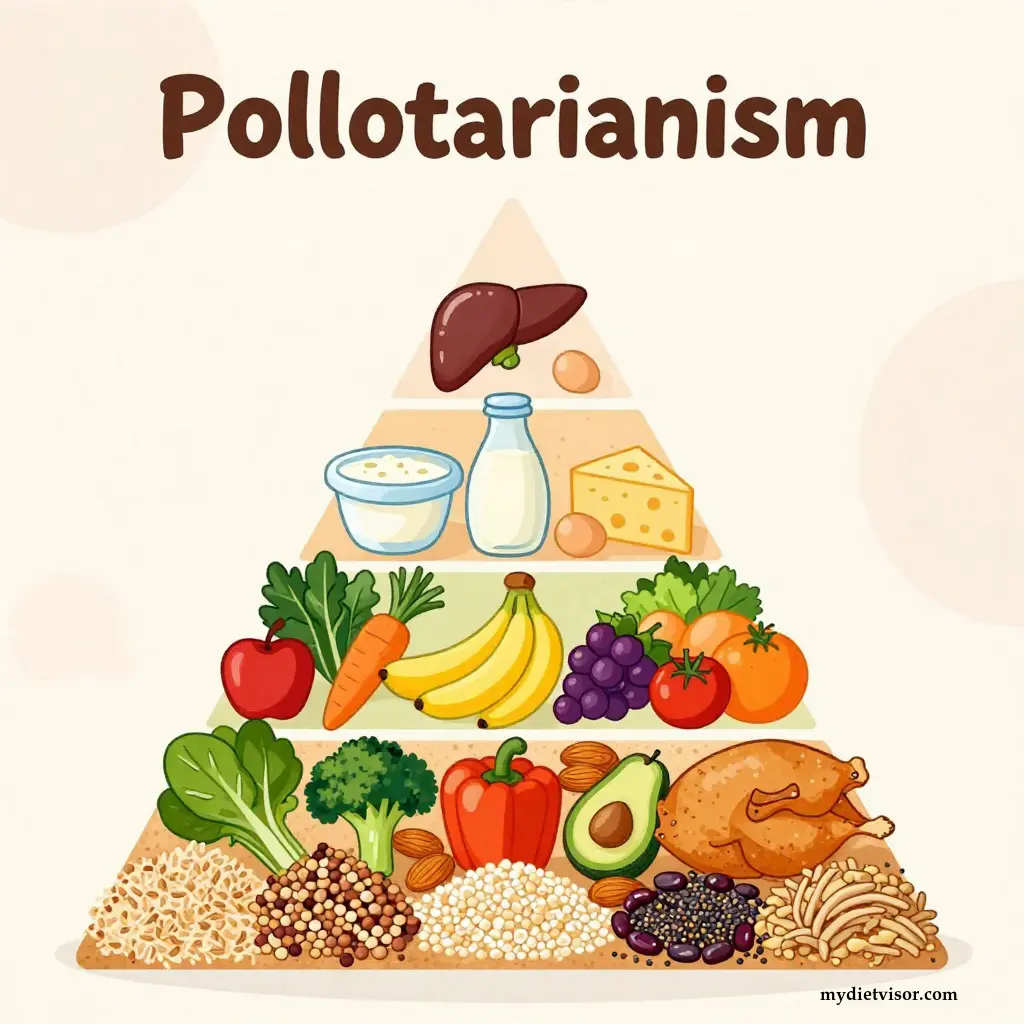
Incorporating poultry into your diet while excluding red meat requires careful attention to nutrition. Pollotarians should focus on several key food groups to ensure they receive the necessary nutrients for optimal health. Here’s what you need to include:
- Protein Sources: Chicken and turkey provide high-quality protein that is essential for muscle repair, growth, and overall bodily functions.
- Vegetables: Rich in vitamins, minerals, and fiber, vegetables are crucial for a balanced diet. Aim to fill half your plate with various colorful veggies at each meal.
- Fruits: Include a variety of fruits daily to get essential antioxidants, vitamins, and natural sugars. Berries, apples, bananas, and oranges can offer different health benefits.
Healthy Fats
Including healthy fats is vital for brain function, vitamin absorption, and overall wellness. Here’s how you can incorporate them:
- Nuts and Seeds: Almonds, walnuts, chia seeds, and flaxseeds are excellent sources of omega-3 fatty acids and other beneficial nutrients.
- Avocados: Rich in heart-healthy fats and fiber, avocados make a great addition to salads or smoothies.
Whole Grains
Whole grains provide sustained energy and vital nutrients like B vitamins and iron. Examples include:
- Brown rice
- Quinoa
- Oats
- Whole wheat bread and pasta
Dairy Alternatives
To ensure you get adequate calcium and vitamin D, consider non-dairy alternatives if you choose to exclude dairy products:
- Soy Milk: High in protein and often fortified with vitamins.
- Almond Milk: Low in calories but can be supplemented with additional nutrients.
By focusing on these food groups, pollotarians can enjoy a varied diet that is both nutritious and satisfying. Experimenting with different recipes and ingredients can make your meals exciting and delicious while staying true to the principles of pollotarianism.
Forbidden or Limited Foods for Pollotarians
Pollotarians typically avoid red meat but may still limit other types of food to maintain their dietary principles. Here’s a closer look at what pollotarians usually exclude from their diet:
- Red Meat: Beef, pork, lamb, and other mammalian meats are completely off-limits in a pollotarian diet.
- Processed Meats: Foods like bacon, sausage, hot dogs, and deli meats are generally avoided due to health concerns associated with high levels of salt, preservatives, and nitrates.
Some pollotarians also choose to limit or avoid:
- Fish and Seafood: For those who see parallels between ethical concerns for poultry and fish, avoiding seafood is an option. Others may include it as a more sustainable protein source.
- Dairy Products: Although not mandatory, some pollotarians opt to minimize dairy consumption due to environmental or health reasons.
Ethical Motivations
For many adherents, the decision to limit certain foods goes beyond nutritional concerns and reflects ethical beliefs about animal welfare. The treatment of chickens in industrial farming raises significant moral questions for those who advocate for more humane practices.
By excluding red meat and potentially other animal products, pollotarians aim to reduce their environmental impact while still enjoying the benefits of a protein-rich diet. This dietary choice challenges traditional views on what constitutes ethical eating habits, sparking conversations about sustainability and animal rights.
Personal Reflections
Considering the limitations of a pollotarian diet can be thought-provoking. It invites individuals to examine their own values regarding food consumption and its broader implications for health and the environment. Pollotarians often find themselves asking questions like: How do my eating habits affect my carbon footprint? Can I justify consuming poultry in light of ethical concerns?
Encouraging readers to engage with these reflections can deepen understanding of pollotarianism beyond just its dietary aspects, inviting a holistic approach to personal health and global sustainability.
Nutritional Benefits of Adopting a Pollotarian Lifestyle
Adopting a pollotarian diet can bring several health advantages. Here’s why focusing on poultry while excluding red meat might be beneficial:
- Heart Health: Chicken is leaner than beef or pork, meaning it contains less saturated fat and cholesterol, which are linked to heart disease. Poultry provides essential amino acids necessary for muscle building without the excess fats found in red meats.
- Weight Management: Lower calorie content compared to red meat makes poultry a great choice for individuals looking to manage their weight. A grilled chicken breast can be significantly lower in calories than an equivalent serving of steak.
Vitamins and Minerals
Poultry offers essential vitamins and minerals that are crucial for overall health:
- Vitamin B12: Vital for nerve function, formation of red blood cells, and DNA synthesis.
- Iron: Necessary for the production of hemoglobin, which carries oxygen throughout your body. Chicken liver is especially rich in iron.
Omega-3 Fatty Acids
While poultry itself does not naturally contain omega-3 fatty acids like fish do, it can be an excellent source when supplemented with flaxseeds or other plant-based sources:
- Health Benefits: These fats are linked to reduced inflammation and improved brain health. Including foods rich in ALA (alpha-linolenic acid) alongside poultry helps balance the diet.
Practical Tips for Pollotarians
To maximize nutritional benefits, here are some practical tips when transitioning to a pollotarian lifestyle:
- Mix Up Your Meals: Incorporate different parts of chicken and turkey to vary your nutrient intake. Dark meat is richer in iron but also contains more fat compared to white meat.
- Focus on Variety: Don’t rely solely on poultry for protein; mix it with plant-based proteins like lentils, tofu, or tempeh.
Seasoning and Cooking Techniques
Experiment with different herbs and spices to enhance the flavor of your dishes without relying heavily on salt:
- Herbs and Spices: Garlic, thyme, rosemary, cumin, and turmeric can transform a simple chicken dish into something extraordinary.
By integrating these tips, you can enjoy delicious meals that are not only satisfying but also nutritionally balanced. Pollotarianism allows for creativity in the kitchen while promoting health benefits associated with reduced red meat consumption.
Pollotarians often find themselves exploring new recipes and ingredients to keep their diet exciting and healthy. Each meal becomes an opportunity to try something different, whether it’s experimenting with a Thai green curry made with chicken or whipping up a hearty vegetable stew packed with legumes and poultry for added protein. This culinary adventure can be both fun and beneficial for your health.
Encouraging readers to think critically about their food choices and the impact of those choices on their well-being adds depth to understanding pollotarianism beyond its dietary components. It invites individuals to consider how small changes in eating habits can lead to significant improvements in personal health, ethical considerations, and environmental sustainability.
Drawbacks and Nutritional Considerations of Pollotarianism
Adopting a pollotarian diet comes with several drawbacks and nutritional considerations that individuals should be aware of. One major concern is the risk of nutrient deficiencies. While poultry provides essential vitamins and minerals, it may not offer the same range as a fully balanced vegetarian or omnivorous diet.
Nutrient Deficiencies
Pollotarians might face challenges in obtaining sufficient levels of certain nutrients:
- Vitamin C: Found abundantly in fruits and vegetables, Vitamin C is crucial for immune function and collagen synthesis. Since poultry does not provide this nutrient, it’s essential to incorporate a variety of fruits and veggies.
- Calcium and Vitamin D: These are vital for bone health, and while dairy products can be an easy source, pollotarians who avoid these may need fortified alternatives or supplements.
Environmental Impact Concerns
While poultry production is generally less harmful than beef farming in terms of greenhouse gas emissions, the environmental impact isn’t negligible. The feed used to raise chickens often involves significant land use for crops like soybeans and corn, which can lead to deforestation and biodiversity loss.
- Feed Crop Implications: Soybean cultivation alone accounts for extensive land usage globally. In regions such as Brazil, increased demand for soybeans has been linked to forest clearance.
Ethical Considerations
Ethical concerns remain a significant factor in the pollotarian debate. Many argue that while reducing red meat consumption might lower environmental impact and health risks, it doesn’t fully address animal welfare issues.
- Animal Welfare: Industrial farming practices can be harsh on chickens, leading to suffering from overcrowding, poor hygiene conditions, and rapid growth rates causing physical strain.
Practical Challenges
Transitioning to a pollotarian diet requires careful planning to avoid common pitfalls such as relying too heavily on processed poultry products or neglecting other protein sources.
- Dietary Balance: Over-reliance on one type of meat can lead to dietary imbalances. Pollotarians should ensure they consume a variety of foods, including plant-based proteins and whole grains.
Balancing Health and Ethics
The pollotarian lifestyle challenges individuals to balance health benefits with ethical concerns. By incorporating a wide range of nutritious foods and being mindful of environmental impacts, followers can make informed choices that align with personal values.
- Mindful Choices: Pollotarians often seek out free-range or organic poultry products to support more humane farming practices.
By understanding these potential drawbacks and nutritional considerations, pollotarians can better navigate their dietary journey, ensuring they maintain a healthy lifestyle while also considering broader ethical implications.
Sample Meal Plan to Get Started with Pollotarianism
Getting started with a pollotarian diet can seem daunting at first. However, by planning meals that include a variety of ingredients, you can ensure you’re receiving all the necessary nutrients while enjoying delicious food. Here’s an example meal plan for a day to help you understand how easy and enjoyable this dietary choice can be.
Breakfast
- Poached Eggs with Spinach and Tomatoes: A protein-rich breakfast that includes dark leafy greens and colorful vegetables. Poaching eggs is a gentle cooking method that preserves the nutrients.
- Ingredients: Chicken or duck eggs, spinach leaves, cherry tomatoes, olive oil, salt, pepper.
Lunch
- Grilled Chicken Salad with Quinoa: This dish combines lean protein from grilled chicken breasts with quinoa for complex carbohydrates and fiber. Add plenty of fresh vegetables for vitamins and minerals.
- Ingredients: Skinless chicken breast, baby spinach, cherry tomatoes, cucumbers, red bell peppers, cooked quinoa, olive oil, lemon juice.
Snack
- Greek Yogurt with Honey and Walnuts: A light snack that provides calcium and healthy fats. Greek yogurt is a good alternative if dairy products are excluded in your diet.
- Ingredients: Plain Greek yogurt, raw honey, chopped walnuts.
Dinner
- Turkish Chicken and Vegetable Stew (Iskender Köfte): This hearty stew features ground chicken mixed with spices and served over fluffy rice. It’s a comforting dish that can be made more nutritious by including various vegetables.
- Ingredients: Ground chicken, onions, tomatoes, green peppers, parsley, pita bread, long-grain white rice.
Dessert
- Fruit Salad with Mint and Lemon: A refreshing end to the meal packed with natural sugars from fruits. Add some fresh mint leaves for a burst of flavor.
- Ingredients: Assorted seasonal fruits (apples, bananas, grapes), freshly squeezed lemon juice, chopped fresh mint.
Each meal in this plan includes poultry as well as plenty of vegetables and whole grains. This ensures you get the protein needed while also supporting your digestive health with fiber from plant-based foods. The inclusion of healthy fats and varied spices not only enhances flavor but also aids in overall nutrition by providing essential minerals and antioxidants.
By following a meal plan like this, pollotarians can enjoy diverse dishes that cater to their dietary preferences while focusing on key nutrients for sustained energy and wellness.
Comparisons with Other Diets: Vegetarianism, Veganism, Flexitarianism, and Omnivorous Diets
Pollotarianism stands out among various dietary choices by selectively incorporating poultry while excluding red meat. This unique approach sets it apart from other popular diets like vegetarianism, veganism, flexitarianism, and traditional omnivorous eating patterns.
Vegetarianism vs Pollotarianism
- Vegetarianism excludes all meat products but allows for dairy and eggs.
- Pollotarianism includes poultry while excluding red meat and typically other meats like fish or seafood.
| Category | Vegetarianism | Pollotarianism |
|---|---|---|
| Allowed Foods | Dairy, Eggs | Poultry |
| Excluded Foods | Meat (beef, pork, lamb) | Red meat |
Vegetarians often avoid all animal products to promote ethical treatment of animals and environmental sustainability. Pollotarians, on the other hand, focus specifically on reducing red meat consumption while still consuming poultry for health benefits or personal preference.
Veganism vs Pollotarianism
- Veganism excludes all animal products including dairy, eggs, and honey.
- Pollotarianism allows for poultry but does not typically exclude dairy or eggs.
| Category | Veganism | Pollotarianism |
|---|---|---|
| Allowed Foods | None (vegan alternatives only) | Poultry |
| Excluded Foods | Meat, Dairy, Eggs | Red meat |
Vegans follow a strict plant-based diet to minimize harm to animals and the environment. Pollotarians take a more moderate approach by incorporating poultry while excluding red meat.
Flexitarianism vs Pollotarianism
- Flexitarianism is a semi-vegetarian diet that focuses on minimizing but not eliminating animal products.
- Pollotarianism specifically includes poultry while excluding all other meats.
| Category | Flexitarianism | Pollotarianism |
|---|---|---|
| Allowed Foods | Limited meat, mostly plant-based | Poultry |
| Excluded Foods | High amounts of red meat | Red meat |
Flexitarians may consume a variety of meats in moderation, whereas pollotarians have a clear preference for poultry and exclude other types of meat entirely.
Omnivorous Diets vs Pollotarianism
- Omnivorous diets include all kinds of animal products alongside plant-based foods.
- Pollotarianism includes only poultry while excluding red meat and often other meats.
| Category | Omnivorous Diet | Pollotarianism |
|---|---|---|
| Allowed Foods | All types of meat | Poultry |
| Excluded Foods | None | Red meat |
Omnivores consume a wide range of animal products, including beef and pork. Pollotarians choose to limit their diet to poultry for various reasons such as health benefits or ethical considerations.
Practical Implications
Understanding these comparisons can help individuals make informed dietary choices that align with their values and lifestyle preferences. For instance, someone concerned about the environment but not fully committed to veganism might find pollotarianism a suitable middle ground between traditional diets and more restrictive vegetarian practices. Each diet has its unique set of benefits and challenges, making it important for individuals to evaluate what works best for them.
Pollotarians often find that incorporating poultry into their meals adds variety while still adhering to dietary principles focused on health and ethics. This can lead to creative culinary adventures in the kitchen as they experiment with new recipes and ingredients.
Ethical Implications and Debates Surrounding Poultry Consumption
The decision to follow a pollotarian diet often stems from a desire to address ethical concerns about animal welfare. However, this choice raises several debates:
- Animal Welfare: Chickens raised in industrial farms face harsh conditions, including overcrowding and lack of natural behaviors such as dust bathing or foraging.
- Sentience Debate: Some ethicists argue that chickens are sentient beings capable of experiencing pain and suffering, raising questions about the morality of their consumption.
Comparisons with Other Dietary Philosophies
Pollotarianism is often compared to other dietary practices:
- Vegetarianism: This diet excludes all meat but includes dairy and eggs. It tends to be more focused on animal welfare than health benefits.
- Veganism: Strictly plant-based, excluding all forms of animal products including honey. Vegans prioritize ethical considerations over nutritional needs.
Demographic Trends
Pollotarian diets are less common globally:
- Prevalence: Only about 3% of people in the United States follow a pollotarian diet.
- Demographics: It tends to be more popular among women and those motivated by health concerns rather than ethical reasons alone.
Balancing Health Benefits with Ethical Considerations
While poultry is often seen as a healthier alternative to red meat, there are ethical questions about the treatment of chickens:
- Nutritional Benefits: Chicken can provide essential nutrients like protein, vitamins B12, and iron.
- Ethical Compromise: For many pollotarians, reducing overall meat consumption aligns with environmental sustainability but may not fully address animal welfare concerns.
Public Perception and Controversies
Public opinion on pollotarianism is mixed:
- Acceptance vs. Criticism: While some see it as a step towards more ethical eating habits, others argue that it doesn’t go far enough in protecting animals.
- Labeling Debates: The classification of pollotarianism as a form of vegetarianism is often challenged due to its continued reliance on meat.
Conclusion
Pollotarianism presents an interesting blend of health and ethics but also faces significant criticisms regarding animal welfare and environmental sustainability. As more individuals seek diets that align with their values, the debate around this dietary choice will likely continue to evolve.
Environmental Impact of Choosing a Pollotarian Diet Over Other Dietary Choices
Choosing a pollotarian diet can have significant environmental benefits compared to diets that include red meat. Here’s how it stacks up:
- Greenhouse Gas Emissions: Poultry production generates fewer greenhouse gases than beef farming. Chickens are more efficient at converting feed into protein, which reduces the overall carbon footprint of their meat.
- Land Use and Deforestation: While poultry requires less land per unit of protein produced compared to cattle, the feed crops used for chickens often contribute to deforestation in places like Brazil, where soybeans are extensively cultivated.
Comparison Table
| Factor | Pollotarianism (Poultry) | Red Meat (Beef) |
|---|---|---|
| Greenhouse Gas Emissions | Lower | Higher |
| Land Use | Less | More |
| Water Usage | Moderate | High |
Potential Environmental Drawbacks
Despite the lower carbon footprint of poultry compared to beef, pollotarianism still has environmental concerns:
- Feed Crop Implications: The feed for chickens often involves crops like soybeans and corn. Producing these can lead to deforestation in areas such as the Amazon rainforest.
- Water Usage: While less water-intensive than cattle farming, poultry production does require significant amounts of water for drinking and cleaning facilities.
Balanced Perspective
While pollotarianism offers a more sustainable option compared to beef consumption, it’s crucial to consider all aspects of environmental impact. For instance:
- Sustainable Farming Practices: Opting for free-range or organic chicken can reduce the environmental footprint by improving land management practices.
- Diverse Diets: Incorporating plant-based proteins alongside poultry can further enhance sustainability and nutritional balance.
Encouraging Readers to Reflect
Considering these points, readers might start questioning their own dietary choices:
- How does my food consumption affect global resources?
- Can I make more sustainable choices that align with ethical eating habits?
By engaging in such reflections, individuals can better understand the broader implications of pollotarianism and its role in promoting environmental sustainability.
Conclusion: Is Pollotarianism Right for You?
Pollotarianism offers a unique approach to diet that balances health benefits with ethical considerations, but it also presents challenges and debates. By excluding red meat while including poultry, pollotarians aim for a more sustainable and potentially healthier lifestyle compared to traditional omnivorous diets. However, this dietary choice requires careful attention to nutrient intake and environmental impact. Whether you decide to adopt a pollotarian diet depends on your personal values regarding animal welfare, health, and the environment. By exploring these aspects, individuals can make informed decisions that align with their goals and ethical beliefs. As you consider your own food choices, reflect on how they affect not only your health but also the broader impacts on animals and the planet.
Frequently Asked Questions (FAQ)
What is pollotarianism?
Pollotarianism is a dietary practice where individuals follow a vegetarian diet but include poultry as the only source of meat.
Is dairy allowed in a pollotarian diet?
Yes, many pollotarians also consume dairy products such as milk, cheese, and yogurt.
Can I eat turkey on a pollotarian diet?
Yes, pollotarians can eat various types of poultry including chicken, duck, and turkey.
Are there specific health benefits to being pollotarian?
Pollotarian diets are often leaner with lower saturated fat content, which may support weight management and cholesterol reduction.
Can I follow a clean eating approach while being pollotarian?
Yes, you can choose whole foods like vegetables, fruits, whole grains, pulses, dairy, nuts, seeds, and high-quality animal proteins (specifically poultry).
What are some common reasons people adopt a pollotarian diet?
People may choose a pollotarian lifestyle for environmental sustainability, health benefits, or ethical considerations regarding meat consumption.
Is there any controversy around the term “pollotarian”?
Yes, there is debate among vegetarians about whether pollotarianism should be classified as vegetarian since it includes poultry.
Can I still eat eggs on a pollotarian diet?
Eggs are often included in a pollotarian diet along with dairy products and poultry meat.
How does pollotarianism compare to flexitarianism?
Both diets allow for some flexibility regarding meat consumption, but flexitarians may occasionally eat red or processed meats whereas pollotarians only consume poultry.
Are there any specific nutritional deficiencies I should be aware of on a pollotarian diet?
Pollotarians might need to pay attention to iron and vitamin B12 intake since these nutrients are more abundant in non-poultry meats.