What is the Rhubarb Diet?
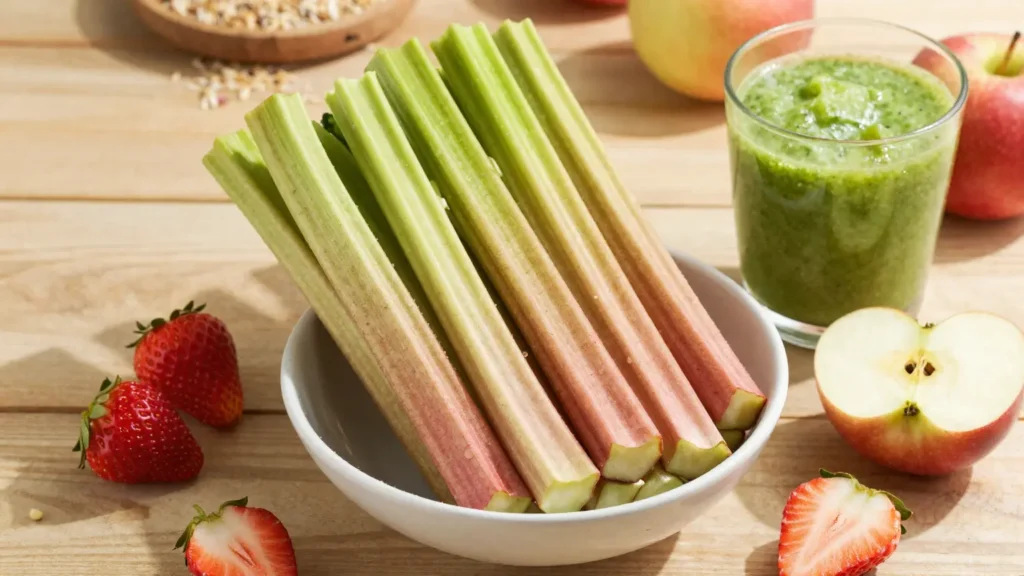
The Rhubarb Diet is an innovative and sustainable method for achieving weight loss through the strategic incorporation of rhubarb into one’s diet. Imagine a world where your path to losing weight doesn’t involve strict calorie counting or restrictive meal plans, but rather embraces a simple yet effective vegetable that’s packed with flavor and nutrition. Picture yourself enjoying delicious meals while naturally shedding those extra pounds – this is what the Rhubarb Diet promises.
Rhubarb stands out for its unique combination of low-calorie content and high nutritional value. This fibrous veggie not only supports your weight loss goals but also enhances overall health, making it an appealing choice for anyone looking to improve their diet without feeling deprived. As you dive into incorporating rhubarb into your meals, you’ll discover a variety of ways this vegetable can add zest to every dish while keeping your calorie intake in check.
Imagine starting your day with a refreshing smoothie made from rhubarb and mixed berries, or enjoying a hearty salad infused with chopped rhubarb for lunch. The possibilities are endless, ranging from sweet desserts like rhubarb crisp to savory dishes that incorporate this versatile veggie. Each bite is not just enjoyable but also contributes to achieving your weight loss objectives in a sustainable manner.
This introductory section aims to spark curiosity and highlight the potential benefits of integrating rhubarb into your diet for weight loss. Stay tuned as we delve deeper into how you can harness the power of this humble vegetable to transform your eating habits and achieve lasting results.
Nutritional Benefits and Drawbacks of Rhubarb
Rhubarb offers a myriad of nutritional benefits that make it an excellent addition to any diet focused on health and wellness. Rich in vitamins C and K, rhubarb supports immune function and bone health while also aiding blood clotting processes. Additionally, it is a great source of calcium, potassium, and manganese, which are crucial for maintaining strong bones, regulating muscle contractions, and supporting nerve functions.
High fiber content is another standout feature of rhubarb, contributing significantly to digestive health. By promoting regularity and preventing constipation, the fiber in rhubarb can also help lower cholesterol levels and reduce the risk of heart disease by keeping arteries clear. Furthermore, dietary fiber helps you feel fuller for longer periods, which can aid in weight management by reducing overall calorie intake.
Rhubarb is also packed with antioxidants like anthocyanins and lycopene, known for their protective effects against chronic diseases such as cancer, heart disease, and Alzheimer’s. These compounds help neutralize free radicals in the body, thereby preventing cellular damage and inflammation that can lead to various health issues over time.
However, it’s important to acknowledge some potential drawbacks when considering rhubarb as part of your diet. While highly beneficial, rhubarb leaves contain oxalic acid which can be toxic if ingested in large quantities. This means that only the stalks are edible and should be carefully prepared by removing any leafy parts before cooking.
Another consideration is that while rhubarb is low in calories, it does have a high water content, which might not provide enough energy for individuals with higher caloric needs or those engaging in intense physical activities. It’s crucial to balance your diet with adequate proteins and healthy fats along with other nutrient-dense foods to ensure you meet all of your nutritional requirements.
Incorporating rhubarb into your meals can be both delightful and beneficial, but it’s essential to do so thoughtfully. > Did you know that the word “rhubarb” comes from a Greek term meaning “red vegetable”? This quirky origin adds an interesting touch to its culinary history. As you explore ways to include rhubarb in your diet, remember to experiment with different recipes to find what works best for you and complements your overall health goals.
Vitamins and Minerals in Rhubarb
Rhubarb is not only delicious but also incredibly rich in essential vitamins and minerals. Vitamin C, found abundantly in rhubarb, plays a critical role in boosting the immune system, promoting healthy skin, and aiding in iron absorption. A single cup of raw rhubarb can provide around 26% of your daily recommended intake of vitamin C. This nutrient also acts as an antioxidant, protecting cells from damage caused by free radicals.
In addition to vitamin C, vitamin K is another crucial component found in rhubarb. Vitamin K is vital for blood clotting and bone health. It helps regulate calcium levels in the body, which are essential for maintaining strong bones and preventing osteoporosis. A serving of rhubarb can provide nearly 40% of your daily vitamin K needs.
Rhubarb also boasts significant amounts of calcium, an important mineral necessary for bone formation and maintenance. This makes it particularly beneficial for children, teenagers, and older adults who are at risk of developing osteoporosis. Calcium is also involved in muscle function, nerve signaling, and blood clotting processes, ensuring that your body functions smoothly.
Moreover, rhubarb contains potassium, a mineral known to help regulate heart rhythm, lower blood pressure, and maintain proper fluid balance in the body. It acts as an electrolyte, aiding in nerve impulse transmission and muscular contraction. A single cup of rhubarb can offer about 8% of your daily potassium needs.
Manganese is another key mineral found in rhubarb that supports bone health and wound healing. This trace element also helps activate enzymes involved in amino acid, cholesterol, and carbohydrate metabolism. It works alongside other antioxidants like vitamin E to protect cells from oxidative stress caused by free radicals.
Each of these nutrients plays a unique role in promoting overall well-being, making rhubarb an invaluable addition to any diet focused on health and longevity. Its diverse nutritional profile means that incorporating rhubarb can significantly enhance your daily nutrient intake without adding excessive calories or sugar.
By integrating this versatile vegetable into your meals, you not only enjoy its delightful taste but also benefit from the myriad of vitamins and minerals it provides. Whether in a morning smoothie, a midday salad, or a sweet dessert, rhubarb offers an easy way to boost nutrition while supporting weight loss goals naturally.
Fiber Content and Digestive Health
Rhubarb’s high fiber content is one of its most celebrated attributes when it comes to digestive health. Fiber, both soluble and insoluble, plays a crucial role in maintaining regular bowel movements and preventing constipation. This vegetable contains around 1 gram of dietary fiber per cup, contributing significantly to your daily intake without adding substantial calories.
Soluble fiber, found abundantly in rhubarb, forms a gel-like substance when mixed with water. This helps slow down digestion and can be particularly beneficial for managing blood sugar levels and lowering cholesterol. Insoluble fiber, on the other hand, adds bulk to stools, helping them move through your digestive system more efficiently.
Regular consumption of rhubarb aids in maintaining gut health by promoting a balanced microbiome. A healthy gut flora is essential not only for digestion but also for overall immune function and mood regulation. By keeping things moving smoothly through your intestines, rhubarb can help prevent conditions such as diverticulitis and hemorrhoids.
Moreover, the fiber found in rhubarb supports weight loss by creating a feeling of satiety that lasts longer than many other foods. This means you are less likely to overeat or snack between meals, making it easier to stick to your calorie goals without constantly feeling hungry.
Have you ever tried incorporating more fiber-rich vegetables into your diet and noticed improvements in how you feel? Share your experiences; they might inspire others looking for natural ways to enhance their digestive health.
Antioxidants in Rhubarb
Rhubarb is not just a source of essential vitamins and minerals; it is also rich in antioxidants. Antioxidants are compounds that protect cells from damage caused by free radicals – unstable molecules that can lead to inflammation and chronic diseases such as cancer, heart disease, and Alzheimer’s. Rhubarb contains several powerful antioxidants, including anthocyanins and lycopene.
Anthocyanins, the pigments responsible for the vibrant red color of rhubarb stalks, are potent antioxidants known for their anti-inflammatory properties. These compounds not only contribute to the vegetable’s appealing appearance but also offer significant health benefits. Research suggests that anthocyanins may help reduce oxidative stress in the body and lower blood pressure, thereby contributing to overall cardiovascular health.
Lycopene, another important antioxidant found in rhubarb, is known for its ability to protect against cellular damage. This carotenoid pigment not only gives fruits and vegetables their red color but also plays a crucial role in preventing chronic diseases by neutralizing harmful free radicals. Studies have shown that lycopene can help reduce the risk of certain types of cancer, including prostate cancer.
In addition to these well-known antioxidants, rhubarb is also rich in flavonoids like kaempferol and quercetin. These compounds exhibit anti-inflammatory effects and may offer protection against various ailments such as diabetes and neurodegenerative diseases. Flavonoids work synergistically with other nutrients found in rhubarb to enhance its overall health benefits.
The presence of these antioxidants makes rhubarb a potent ally in the fight against oxidative stress, which is linked to numerous age-related conditions and chronic illnesses. By regularly incorporating rhubarb into your diet, you not only enjoy its delicious taste but also benefit from its protective effects on cellular integrity.
As you explore ways to integrate more rhubarb into your meals, consider experimenting with recipes that maximize the antioxidant content while keeping calories in check. From refreshing smoothies to hearty stews, there are countless possibilities to enhance both flavor and nutritional value.
Would you be surprised to learn that rhubarb has been used for centuries not only as a food but also for its medicinal properties? Its historical use underscores the potential health benefits of this versatile vegetable beyond just weight loss.
How Does the Rhubarb Diet Aid in Weight Loss?
Understanding how the Rhubarb Diet aids in weight loss involves looking at both the direct and indirect effects of incorporating rhubarb into your daily meals. At the heart of this diet is the vegetable’s unique nutritional profile, which aligns perfectly with the principles of healthy weight management.
One of the most compelling aspects of using rhubarb for weight loss is its low-calorie content. A cup of raw rhubarb contains only about 26 calories, making it an ideal choice for those looking to reduce calorie intake without sacrificing flavor or nutrition. This low caloric value means you can enjoy substantial servings while staying within your daily calorie limit.
Furthermore, the high fiber content in rhubarb plays a crucial role in weight management. Fiber helps regulate digestion and keeps you feeling full longer, which is essential for controlling portion sizes and snacking habits. When you eat more fiber-rich foods like rhubarb, you tend to consume fewer overall calories throughout the day because your body feels satiated for extended periods.
Another significant factor contributing to weight loss through the Rhubarb Diet is increased metabolism. Research has shown that certain compounds in rhubarb can enhance metabolic rate by increasing adiponectin levels in the body. Adiponectin is a hormone produced by fat cells that regulates blood sugar and fatty acid breakdown, thereby boosting your metabolism and helping you burn more calories.
Moreover, incorporating rhubarb into your diet can improve insulin sensitivity, which is critical for effective weight loss. By enhancing how your body uses insulin, rhubarb helps regulate blood glucose levels better and prevents spikes in hunger-inducing hormones like ghrelin. This means that by eating more rhubarb, you might experience fewer cravings and maintain stable energy levels throughout the day.
In addition to these direct benefits, integrating rhubarb into various dishes also encourages healthier food choices overall. When people start including flavorful yet nutritious ingredients like rhubarb in their meals, they tend to gravitate towards other whole foods that support a balanced diet. This shift towards more wholesome eating patterns naturally contributes to achieving and maintaining a healthy weight.
The Rhubarb Diet not only offers a delicious way to lose weight but also promotes long-term health through its high nutritional value. By focusing on natural ingredients like rhubarb, individuals can enjoy meals that are both satisfying and beneficial for overall well-being.
Low-Calorie Content of Rhubarb
Incorporating rhubarb into your meals can be as simple as adding it to existing recipes or experimenting with new ones. For instance, you might start by substituting some of the sugar in desserts with chopped rhubarb, turning what would typically be a high-calorie treat into a healthier option. Imagine enjoying a slice of rhubarb pie that’s not only delicious but also packed with vitamins and antioxidants.
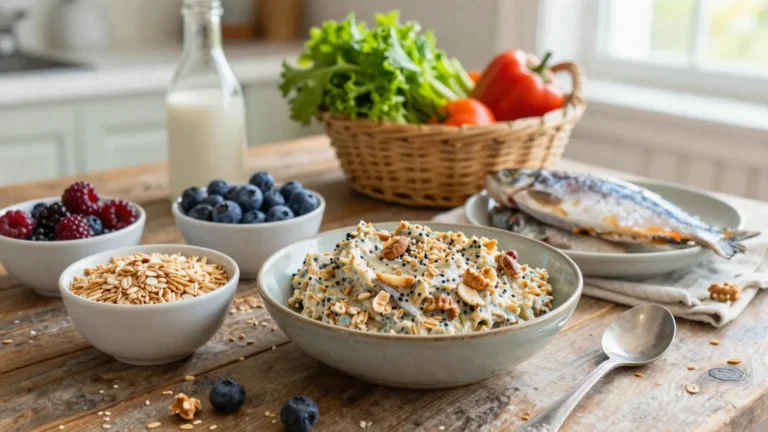
When it comes to breakfast, think outside the box beyond traditional sweet treats. For instance, blend raw rhubarb with bananas and spinach for an antioxidant-rich smoothie bowl topped with granola and nuts. This combination provides a balanced mix of protein, healthy fats, fiber, and essential nutrients while keeping sugar levels low and calories in check.
For lunch or dinner, consider incorporating cooked rhubarb into sauces or marinades to enhance flavor without adding excess fat or calories. A quick sauté of chopped rhubarb with onions can make for a delightful base sauce when simmered with herbs like thyme or rosemary. Serve this over grilled chicken breasts or salmon fillets for a satisfying meal that’s both flavorful and nutritious.
Another way to enjoy the benefits of rhubarb is by incorporating it into soups, where its natural sweetness balances out other strong flavors. Try blending cooked rhubarb with pureed vegetables like carrots and peas to create a creamy soup base without needing added sugars or cream. Such soups are not only comforting but also provide ample fiber and vitamins that support digestive health.
The versatility of rhubarb allows for endless culinary possibilities, making it an easy addition to any diet plan focused on natural weight loss strategies. By integrating this vegetable into your daily meals, you can enhance the nutritional value of each dish while enjoying a wide range of flavors and textures. Whether you’re new to cooking with rhubarb or looking to expand your recipe repertoire, there’s no denying the potential benefits it brings to both health and taste.
Have you ever tried substituting sugar in recipes with rhubarb? Share how this simple swap has made your favorite desserts healthier without compromising on flavor!
The Role of Fiber in Weight Loss
Rhubarb’s high fiber content is one of its most celebrated attributes when it comes to digestive health. Fiber, both soluble and insoluble, plays a crucial role in maintaining regular bowel movements and preventing constipation. This vegetable contains around 1 gram of dietary fiber per cup, contributing significantly to your daily intake without adding substantial calories.
Soluble fiber, found abundantly in rhubarb, forms a gel-like substance when mixed with water. This helps slow down digestion and can be particularly beneficial for managing blood sugar levels and lowering cholesterol. Insoluble fiber, on the other hand, adds bulk to stools, helping them move through your digestive system more efficiently.
Regular consumption of rhubarb aids in maintaining gut health by promoting a balanced microbiome. A healthy gut flora is essential not only for digestion but also for overall immune function and mood regulation. By keeping things moving smoothly through your intestines, rhubarb can help prevent conditions such as diverticulitis and hemorrhoids.
Moreover, the fiber found in rhubarb supports weight loss by creating a feeling of satiety that lasts longer than many other foods. This means you are less likely to overeat or snack between meals, making it easier to stick to your calorie goals without constantly feeling hungry.
Have you ever tried incorporating more fiber-rich vegetables into your diet and noticed improvements in how you feel? Share your experiences; they might inspire others looking for natural ways to enhance their digestive health.
Rhubarb’s Impact on Metabolism
Rhubarb’s impact on metabolism is one of its standout features in supporting natural weight loss. Metabolism refers to all the chemical processes that occur within your body to maintain life, including converting food into energy and eliminating waste products. By enhancing these processes, rhubarb helps boost your metabolic rate, making it easier for you to burn calories more efficiently.
Research suggests that certain compounds in rhubarb can increase adiponectin levels in the body. Adiponectin is a hormone produced by fat cells that plays a key role in regulating blood sugar and fatty acid breakdown. Higher levels of this hormone are associated with improved insulin sensitivity, which means your body becomes better at using glucose for energy rather than storing it as fat.
Enhanced insulin sensitivity not only helps regulate blood glucose levels but also prevents spikes in hunger-inducing hormones like ghrelin. This hormonal balance can lead to fewer cravings and more stable energy levels throughout the day. By stabilizing these metabolic processes, rhubarb aids in maintaining a steady rate of calorie burning even when you are at rest.
Moreover, incorporating rhubarb into your diet can help manage inflammation, which is often linked to slower metabolism and increased fat storage. The anti-inflammatory properties of compounds like anthocyanins and flavonoids found in rhubarb work to reduce systemic inflammation, thereby supporting a healthier metabolic environment. This reduction in inflammation allows for better nutrient absorption and utilization by the body, further enhancing weight loss efforts.
Imagine starting your day with a cup of rhubarb-infused tea or including chopped rhubarb in your oatmeal. These small changes can significantly impact how efficiently your body processes food and burns calories. By making rhubarb a regular part of your diet, you set yourself up for sustained metabolic improvements that contribute to long-term weight management.
Have you noticed any differences in energy levels or appetite when incorporating more fiber-rich vegetables like rhubarb into your meals? Sharing your experiences could provide valuable insights for others looking to enhance their metabolism naturally.
Tips for Incorporating Rhubarb into Your Diet
Incorporating rhubarb into your diet can be both easy and enjoyable. Whether you are new to this vegetable or looking to expand the range of recipes in your repertoire, here are some practical tips to help you make the most out of its benefits.
Start with Simple Recipes
Begin by trying simple dishes that showcase rhubarb’s natural sweetness and tanginess. A classic example is a rhubarb compote – simply simmer chopped rhubarb with water until it becomes soft, then add a touch of honey or maple syrup for taste. This compote can be served over yogurt, oatmeal, or ice cream, adding both flavor and nutrition to your meal.
Another straightforward option is making rhubarb juice. Blend raw rhubarb stalks with a bit of water in a blender until smooth. Strain out the solids, if desired, and enjoy this refreshing drink that’s low in calories yet rich in vitamins and antioxidants. Consider adding some lemon or lime juice to enhance its flavor.
Enhance Smoothies and Salads
Smoothies are an excellent way to include rhubarb in your daily routine. Combine chopped raw rhubarb with mixed berries, bananas, spinach, and a splash of almond milk for a vibrant and nutritious morning beverage. The combination of fruits and vegetables provides essential vitamins, minerals, and fiber while keeping sugar levels naturally low.
Incorporating rhubarb into salads can also elevate their nutritional profile significantly. Dice cooked or raw rhubarb and mix it with other ingredients such as arugula, walnuts, feta cheese, and a light vinaigrette for an antioxidant-rich meal. The tartness of the rhubarb complements the earthiness of greens and the creaminess of cheeses beautifully.
Experiment with Savory Dishes
While most people associate rhubarb with desserts, its versatility extends to savory dishes too. Try sautéing chopped rhubarb with onions until tender and using this as a base for sauces or marinades over grilled meats like chicken or fish. The natural sweetness of the rhubarb pairs wonderfully with herbs such as thyme and rosemary.
Another idea is to use cooked rhubarb in soups, where its sweet-tart flavor balances out other strong tastes. Blend cooked rhubarb with pureed vegetables like carrots and peas for a creamy yet healthy soup that’s perfect during colder months. This dish offers plenty of fiber and vitamins while keeping calorie content low.
Make Healthy Desserts
For those who can’t resist the allure of sweets, there are numerous ways to make desserts healthier using rhubarb. Instead of traditional sugar-laden options, opt for recipes like rhubarb crisp or tart. These treats use less refined sugar and often include oats and nuts which add crunchiness along with extra nutrients.
To create a simple rhubarb crisp, layer chopped rhubarb with oats mixed with brown sugar and butter on top of baking sheets. Bake until golden brown and serve warm with a dollop of yogurt or ice cream for added indulgence without going overboard on calories.
Store and Prepare Rhubarb Properly
When shopping for rhubarb, look for firm stalks that are bright red (or green) in color. Avoid limp or dull-colored stems as they may not be fresh enough to maximize their nutritional benefits. Once at home, store the unwashed rhubarb wrapped in plastic wrap inside your refrigerator’s crisper drawer.
Before cooking, always trim off any leafy greens from the stalks since these contain toxic levels of oxalic acid which can cause serious health issues if ingested. Simply cut off about an inch above each joint and discard the leaves before preparing your dish.
By following these tips, you’ll find it easier to integrate rhubarb into various meals throughout the day. Whether used in sweet or savory applications, this versatile vegetable offers numerous benefits for anyone seeking a healthier approach to weight loss while enjoying delicious food.
Have you found creative ways to include more rhubarb in your diet? Share your ideas; they might inspire others looking to expand their culinary horizons!
Choosing and Storing Fresh Rhubarb
When it comes to selecting fresh rhubarb at your local market or supermarket, there are several key factors to consider. Look for firm stalks that are brightly colored, either deep red or green depending on the variety. Avoid any stems that appear limp, wilted, or dull in color as these may indicate poor quality and reduced nutritional value. The best rhubarb should be crisp and sturdy, with no signs of damage or discoloration.
Once you have your fresh rhubarb home, proper storage is crucial to maintaining its freshness and maximizing shelf life. Wrap the stalks loosely in plastic wrap before placing them inside the refrigerator’s crisper drawer. This method helps preserve moisture while preventing exposure to excess air that could lead to spoilage. Stored properly, rhubarb can remain fresh for up to a week.
If you find yourself with an abundance of rhubarb and want to extend its usability even further, consider freezing it. To do this, wash the stalks thoroughly, trim off any leaves, chop them into manageable pieces, and blanch in boiling water for 30 seconds before plunging into ice-cold water to stop cooking. Drain well and store in airtight freezer bags or containers for up to six months.
Properly chosen and stored rhubarb ensures that you can enjoy its unique flavors and health benefits year-round without compromising on quality. Whether used fresh, frozen, or cooked down into jams and sauces, this versatile vegetable offers endless possibilities for culinary exploration while supporting your weight loss journey naturally.
Do you have a go-to recipe for using up excess rhubarb? Sharing your favorites could inspire others to try new ways of integrating this nutritious veggie into their diets!
Cooking and Preparing Rhubarb
Cooking with rhubarb opens up a world of possibilities in the kitchen. Whether you are preparing it as a sweet treat or incorporating it into savory dishes, there are several ways to enjoy this versatile vegetable.
Basic Preparation Methods
To prepare raw rhubarb for cooking, start by trimming the ends and removing any leaves. The stalks can be cut into various sizes depending on your recipe needs – thin strips work well in sauces or compotes, while larger chunks might be better suited for stews or pies.
For a simple yet effective way to cook rhubarb, try boiling it lightly until tender. This method is great when you want to retain some of the vegetable’s natural sweetness and crispness. Boiling also helps reduce water content slightly without overcooking the delicate stalks.
Another popular method is baking or roasting rhubarb, which brings out its natural flavors beautifully. Simply arrange chopped rhubarb in a dish, sprinkle with sugar (or other sweeteners), and bake at a moderate temperature until it softens and caramelizes around the edges.
Sweet Recipes
One of the most classic uses for rhubarb is in desserts such as pies or crumbles. A rhubarb pie features a lattice crust covering a filling made from cooked rhubarb mixed with sugar, cornstarch, and spices like cinnamon or nutmeg. This dessert combines the tartness of rhubarb with the richness of a buttery crust for an indulgent yet balanced treat.
For something quicker, consider making rhubarb jam. Simmer chopped rhubarb along with lemon juice and sugar until it reaches your desired consistency. The resulting spread is perfect on toast or biscuits, adding a burst of flavor and color to any breakfast table.
Savory Recipes
While rhubarb shines in desserts, its unique taste also works well in savory applications. A rhubarb sauce can be a delightful accompaniment to grilled meats like pork chops or duck breast. To make this, sauté chopped onions and garlic until soft, then add diced rhubarb along with a bit of red wine or balsamic vinegar for depth.
Rhubarb also adds an interesting twist when incorporated into vegetable dishes. Try roasting it alongside other root vegetables such as carrots and parsnips for a colorful side dish that highlights autumn flavors. The sweetness from the rhubarb complements earthy notes beautifully, making it a versatile ingredient in vegetarian meals too.
Everyday Tips
When cooking with rhubarb regularly, having some basic tools on hand can make preparation smoother:
- A sharp knife to trim and chop the stalks efficiently.
- Cheesecloth or a fine-mesh strainer for removing seeds from juices or compotes if needed.
- A baking dish large enough for your favorite rhubarb dessert recipe.
Conclusion
Incorporating rhubarb into your cooking repertoire not only adds variety to your meals but also enhances their nutritional value. Its natural sweetness and tangy flavor profile make it suitable for both sweet and savory dishes, offering endless creative opportunities in the kitchen. Whether you’re making a comforting pie or experimenting with unique sauces, rhubarb can elevate simple ingredients into extraordinary culinary creations.
Do you have any favorite recipes that use rhubarb? Share them here to inspire others to try out this versatile vegetable!
Balancing Rhubarb with Other Nutritious Foods
While rhubarb is a powerful ally in your weight loss journey due to its nutritional profile and low-calorie content, it’s essential to balance it with other nutrient-dense foods. A well-rounded diet that includes fruits, vegetables, lean proteins, whole grains, and healthy fats ensures you meet all of your dietary needs while still enjoying the benefits of incorporating rhubarb.
Combining Rhubarb with Other Vegetables
Adding rhubarb to dishes alongside a variety of other colorful vegetables can create meals rich in vitamins, minerals, and antioxidants. Consider pairing it with leafy greens like spinach or kale for added iron and vitamin A. Mixing chopped rhubarb into vegetable salads not only enhances flavor but also increases the fiber content.
For instance, you could make a salad by combining cooked rhubarb pieces with mixed greens, cherry tomatoes, cucumbers, and carrots. Drizzle olive oil and lemon juice over the top for a light yet satisfying meal that’s packed with nutrients. This combination helps ensure you get a full spectrum of essential vitamins and minerals while keeping your calorie intake under control.
Integrating Rhubarb into Fruit-Based Recipes
While rhubarb is often thought of as a vegetable, it can also be treated like a fruit in many recipes. Combining it with other fruits enhances the overall nutritional value and taste. For example, blending raw rhubarb with bananas and berries creates a smoothie that’s high in fiber, antioxidants, and essential nutrients.
Using rhubarb in jams or compotes alongside apples, pears, or plums can provide a delightful range of flavors while also increasing your intake of various vitamins and minerals. These fruit-based desserts are typically lower in added sugars compared to traditional store-bought options, making them a healthier choice for satisfying sweet cravings.
Enhancing Protein-Rich Meals with Rhubarb
Incorporating rhubarb into protein-rich meals adds an extra layer of flavor and nutrition without significantly increasing calorie content. For instance, mixing chopped cooked rhubarb into yogurt or cottage cheese provides a tangy twist to your breakfast routine. This combination offers both probiotics from the dairy product and antioxidants from the rhubarb.
You can also add diced raw rhubarb to chicken salads or use it in marinades for grilled meats like turkey or fish. The natural sweetness of rhubarb complements savory flavors beautifully, enhancing taste without adding unhealthy ingredients. Such dishes are not only delicious but also help manage hunger and keep you energized throughout the day.
Incorporating Whole Grains with Rhubarb
Whole grains provide essential fiber and carbohydrates that can complement the high-fiber content of rhubarb effectively. Creating a meal around whole grain options like oats, quinoa, or brown rice ensures steady energy release and better satiety levels. For example, blending raw rhubarb into oatmeal not only adds natural sweetness but also boosts its antioxidant properties.
Another idea is to use cooked rhubarb in pilafs or risottos made with brown rice or barley. The tangy flavor of the rhubarb pairs wonderfully with aromatic herbs and spices, creating a filling yet light dish that’s perfect for lunch or dinner. Including whole grains alongside rhubarb helps maintain balanced blood sugar levels and promotes sustained energy.
Healthy Fats and Rhubarb
While focusing on reducing overall fat intake is crucial for weight loss, incorporating healthy fats remains important for overall health. Nuts, seeds, avocados, and olive oil are excellent sources of beneficial fats that complement rhubarb well in recipes. A simple way to do this is by sprinkling chopped nuts or seeds over a rhubarb compote served with yogurt.
Avocado-based sauces or dips combined with cooked rhubarb add creaminess without extra calories. For instance, blending avocado with cooked rhubarb and spices creates a unique topping for grilled chicken or fish. This dish offers a perfect blend of flavors and textures while providing essential fats that support heart health and brain function.
Maintaining Nutritional Balance
By thoughtfully combining rhubarb with other nutritious foods, you create meals that are not only flavorful but also well-rounded in terms of nutrition. Balancing macronutrients (carbohydrates, proteins, and fats) along with micronutrients ensures your body gets all the necessary components for optimal health.
Remember to tailor your diet according to individual needs and preferences while staying mindful of portion control. Experimenting with different combinations allows you to discover what works best for achieving your weight loss goals naturally while enjoying a wide range of delicious meals.
Have you tried mixing rhubarb with other ingredients in unexpected ways? Share any unique recipes or meal ideas that incorporate rhubarb; they might inspire others looking to enhance their diet’s nutritional value!
Recommended Food Groups for the Rhubarb Diet
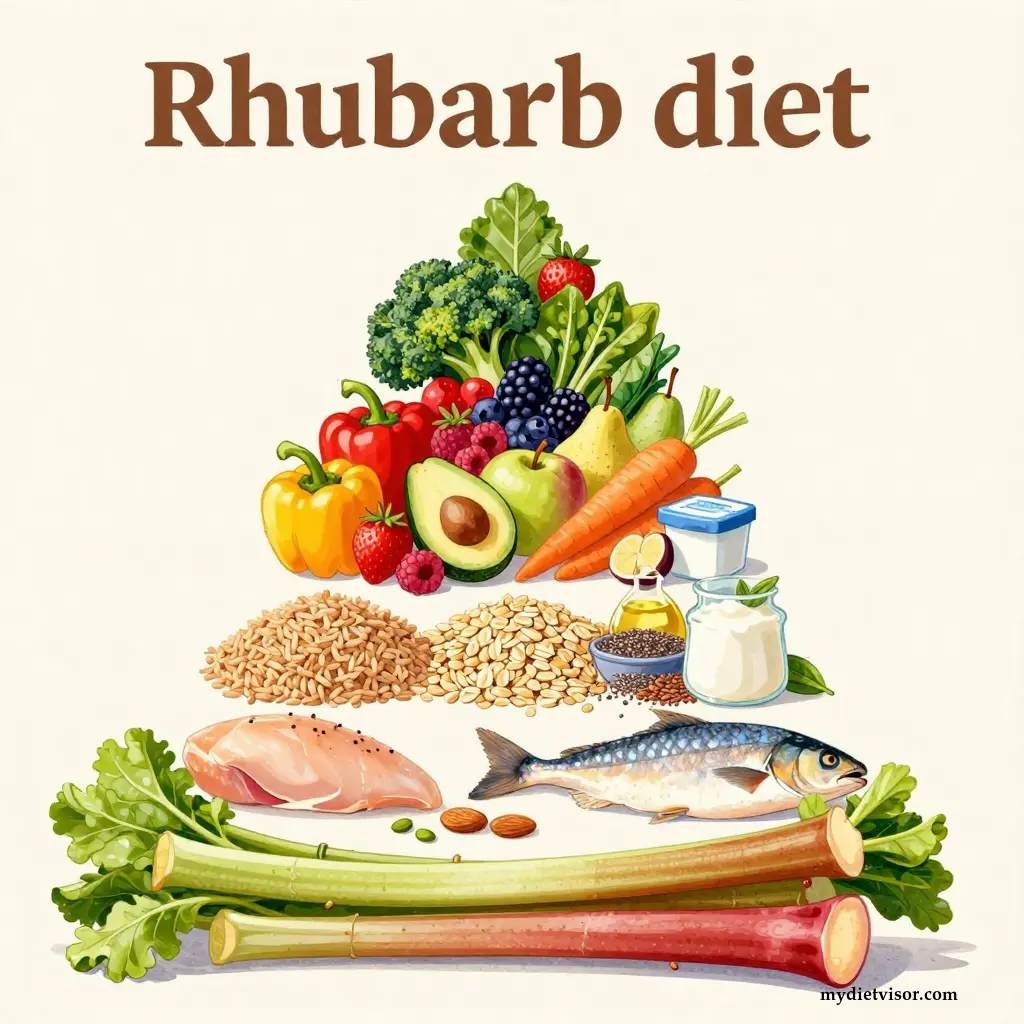
Incorporating rhubarb into your diet can be even more effective when paired with other nutrient-dense foods from various food groups. This balanced approach ensures you meet all of your nutritional needs while supporting weight loss goals naturally.
Fruits and Vegetables
Fruits and vegetables complement rhubarb well, providing a broad range of vitamins, minerals, and antioxidants. When combining them, focus on incorporating a variety of colors to maximize the diversity of nutrients.
- Berries: Strawberries, blueberries, raspberries pair excellently with rhubarb in smoothies or desserts, offering additional fiber and antioxidants.
- Leafy Greens: Spinach, kale, Swiss chard can be blended with raw rhubarb for a nutrient-packed green juice. These greens are rich in iron and vitamins A and K.
Lean Proteins
Including lean proteins ensures you maintain muscle mass while losing weight. Protein-rich foods help regulate blood sugar levels and promote satiety, reducing the likelihood of overeating.
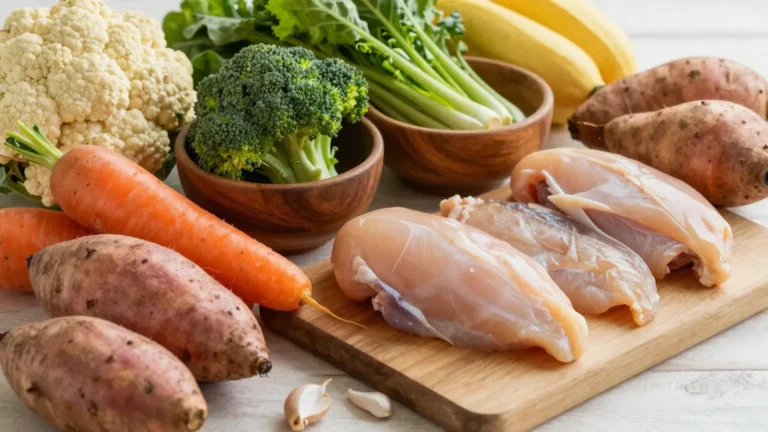
- Chicken and Turkey: Grilled or baked chicken breasts or turkey slices can be enhanced with a rhubarb-based sauce for added flavor without extra calories.
- Fish: Salmon or tilapia marinated in a mix of rhubarb juice and herbs provides essential omega-3 fatty acids, which are beneficial for heart health.
Whole Grains
Whole grains provide complex carbohydrates that offer sustained energy release throughout the day. They also contribute to fiber intake, supporting digestive health alongside rhubarb’s high-fiber content.
- Oats: Start your day with a bowl of oatmeal topped with chopped rhubarb and sliced almonds for a nutritious breakfast.
- Brown Rice or Quinoa: Use these grains as bases for pilafs mixed with sautéed rhubarb, onions, and garlic for a filling dinner option.
Healthy Fats
Healthy fats are crucial for maintaining skin health, brain function, and hormonal balance. Including sources of healthy fats in your diet alongside rhubarb can enhance flavor while keeping calories in check.
- Nuts and Seeds: Sprinkle chia seeds or ground flaxseeds over cooked rhubarb compote to increase omega-3 fatty acids and fiber content.
- Avocados: Blend fresh avocado with raw rhubarb for a creamy, low-calorie dressing that goes well with grilled chicken salads.
Dairy Alternatives
For those who prefer dairy-free options, incorporating plant-based alternatives can still provide essential nutrients like calcium and protein. These choices enhance the nutritional profile of meals featuring rhubarb.
- Soy Milk or Almond Milk: Use these as bases for smoothies made with rhubarb, bananas, and spinach for a balanced meal replacement.
- Coconut Yogurt: Mix coconut yogurt with chopped raw rhubarb and honey for a light dessert that’s rich in probiotics.
Conclusion
By thoughtfully combining rhubarb with other nutritious foods from various food groups, you create meals that are not only delicious but also well-rounded nutritionally. This balanced approach ensures your body gets all the necessary components for optimal health while supporting weight loss goals naturally. Whether you’re adding fruits and vegetables, lean proteins, whole grains, healthy fats, or dairy alternatives to your diet, incorporating rhubarb can elevate the nutritional value of every meal.
Have you found unique ways to combine these food groups with rhubarb? Share your favorite combinations; they might inspire others looking for creative yet nutritious meals!
Forbidden or Limited Foods in the Rhubarb Diet
While rhubarb itself is highly beneficial for weight loss and overall health, it’s important to be mindful of what you should avoid or limit when following the Rhubarb Diet. This section outlines some foods that may hinder your progress towards achieving your weight loss goals.
Sugary Sweets and Processed Foods
Sugary sweets such as candy, cakes, and pastries are high in calories and offer little nutritional value. They can spike blood sugar levels quickly, leading to energy crashes and increased hunger later on. Limiting these foods is crucial for maintaining steady blood glucose levels and preventing excessive calorie intake.
Processed foods like chips, crackers, and packaged snacks often contain unhealthy fats, preservatives, and added sugars that contribute to weight gain and other health issues such as heart disease and diabetes. Opting for whole, unprocessed alternatives will help you stay on track with your dietary goals while ensuring a more balanced nutritional profile.
Refined Grains
Refined grains like white bread, pasta, and rice are stripped of their fiber content during processing, making them less filling and potentially leading to overeating. Whole grain options such as brown rice, quinoa, oats, and whole wheat bread provide essential nutrients, including dietary fiber, which aids in digestion and keeps you feeling full longer.
Red Meat and High-Fat Proteins
While lean proteins are important for muscle maintenance and satiety, red meats like beef and pork can be high in saturated fats that may raise cholesterol levels and increase the risk of cardiovascular diseases. Opting for lower-fat protein sources such as chicken breast, turkey, fish, tofu, and legumes provides necessary amino acids without adding unnecessary calories or unhealthy fats.
Dairy Products High in Fat
Dairy products like full-fat milk, cheese, and butter are high in saturated fat content. Although dairy is a good source of calcium and other essential nutrients, choosing lower-fat alternatives such as skim milk, Greek yogurt, cottage cheese, and reduced-fat cheeses can help reduce calorie intake while still meeting your nutritional needs.
Alcohol
Alcohol not only contains empty calories but also affects liver function and disrupts the metabolism of other nutrients. It’s best to limit or avoid alcoholic beverages when following a weight loss diet like the Rhubarb Diet. Instead, opt for hydrating alternatives such as water, herbal teas, or infused waters that provide hydration without the negative impact on your health goals.
Sugary Drinks
Sugary drinks including sodas, energy drinks, and sweetened coffee or tea contribute to excess calorie intake and can lead to rapid spikes in blood sugar levels. Opting for unsweetened beverages like water, herbal teas, lemon water, or infused waters helps maintain stable glucose levels while providing hydration.
Condiments and Sauces High in Sodium
Condiments such as ketchup, mayonnaise, salad dressings, and soy sauce often contain high amounts of sodium which can cause bloating and retain excess fluid. Opting for homemade versions using healthier ingredients like olive oil, balsamic vinegar, lemon juice, or mustard provides flavor without adding excessive salt.
Frying Methods
Fried foods are typically cooked in oils that add significant calories and unhealthy fats to the diet. Instead of frying, consider baking, grilling, steaming, or roasting your meals as these cooking methods help retain more nutrients while reducing calorie content significantly.
By avoiding or limiting these types of foods and focusing on incorporating rhubarb into a balanced diet rich in whole foods, you can enhance your weight loss efforts effectively. The Rhubarb Diet aims to promote sustainable eating habits that not only support immediate goals but also long-term health benefits.
Would you be surprised to learn that many processed foods contain added sugars even when they aren’t sweet? Exploring ingredient labels closely might reveal hidden sugar sources in unexpected places, making it crucial to choose whole food options for better health outcomes.
Sample Meal Plan for the Rhubarb Diet
Incorporating rhubarb into your daily meals can be both enjoyable and beneficial. Here’s a sample meal plan that demonstrates how you can seamlessly integrate this versatile vegetable while maintaining nutritional balance and supporting weight loss goals.
Breakfast: Rhubarb Banana Smoothie
Ingredients:
- 1 cup raw rhubarb stalks, chopped
- 1 medium banana
- 1/2 cup unsweetened almond milk or soy milk
- A handful of spinach leaves
- 1 tablespoon honey (optional)
- Ice cubes (if desired)
Instructions:
Blend all ingredients in a blender until smooth. Serve immediately for a refreshing and nutritious start to your day.
Snack: Rhubarb Compote with Yogurt
Ingredients:
- 1 cup chopped rhubarb
- 2 tablespoons water
- A drizzle of honey or maple syrup (optional)
- Greek yogurt
Instructions:
Simmer the chopped rhubarb and water in a small saucepan until soft. Add sweetener if desired, then let cool slightly before serving over a bowl of Greek yogurt.
Lunch: Rhubarb Chicken Salad
Ingredients:
- 1 cup cooked chicken breast, diced
- 1/2 cup raw rhubarb stalks, finely chopped
- Mixed greens (spinach, arugula)
- Cherry tomatoes, halved
- Sliced almonds or walnuts (optional)
- Olive oil and balsamic vinegar dressing
Instructions:
Combine all ingredients in a bowl. Drizzle with olive oil and balsamic vinegar for a light yet flavorful lunch.
Snack: Rhubarb Oatmeal Bars
Ingredients:
- 1 cup rolled oats
- 2/3 cup cooked rhubarb puree
- 1/4 cup honey (or maple syrup)
- 1 egg, beaten
- 1/4 cup chopped nuts or seeds (optional)
Instructions:
Mix all ingredients and press into a baking dish. Bake at 350°F for about 20 minutes until golden brown.
Dinner: Rhubarb and Carrot Stew
Ingredients:
- 1 lb carrots, peeled and diced
- 1 cup chopped rhubarb stalks
- 1 onion, chopped
- 2 cloves garlic, minced
- Vegetable broth or water
- Salt and pepper to taste
- Herbs (thyme, rosemary) for flavoring
Instructions:
Sauté the onions until translucent. Add garlic and sauté briefly before adding carrots and rhubarb. Cook over medium heat until slightly tender, then add enough broth or water to cover ingredients. Simmer until vegetables are soft. Season with salt, pepper, and herbs to taste.
Dessert: Rhubarb Crisp
Ingredients:
- 1 cup chopped cooked rhubarb
- A drizzle of honey (optional)
- Topping mixture:
- 1/2 cup rolled oats
- 1/4 cup whole wheat flour
- 3 tablespoons brown sugar
- 1/4 teaspoon ground cinnamon
- 1/4 cup chopped nuts or seeds (optional)
Instructions:
Mix all topping ingredients and sprinkle over the cooked rhubarb. Bake at 350°F for about 20 minutes until the top is golden brown.
This meal plan showcases how you can incorporate rhubarb into various meals throughout the day, providing a balanced diet that’s both satisfying and conducive to weight loss. Each dish not only highlights the unique flavor profile of rhubarb but also ensures nutritional balance by including other healthy ingredients like chicken, fish, whole grains, fruits, and vegetables.
Would you be surprised to learn that rhubarb has been used historically in traditional Chinese medicine to treat digestive issues? Its inclusion in modern diets as part of the Rhubarb Diet not only supports weight loss but also aligns with centuries-old health practices.
Alternative or Similar Diets to the Rhubarb Diet
While the Rhubarb Diet stands out for its focus on integrating nutrient-dense rhubarb into meals, there are other diets that share similar principles of promoting natural and sustainable weight loss through whole foods. Understanding these alternatives can provide additional insights into how different dietary approaches can complement your health goals.
Mediterranean Diet
The Mediterranean diet is renowned for its emphasis on whole grains, fruits, vegetables, legumes, nuts, fish, olive oil, and moderate wine consumption. This diet focuses on plant-based foods rich in fiber, antioxidants, and healthy fats that promote heart health and weight loss. Like the Rhubarb Diet, it encourages the inclusion of a variety of colorful produce to enhance nutrient intake.
Similarities:
- Both diets prioritize whole foods over processed options.
- Emphasis on fruits and vegetables as primary sources of nutrients.
- Incorporation of lean proteins for muscle maintenance and satiety.
| Rhubarb Diet | Mediterranean Diet |
|---|---|
| Low-calorie veggies like rhubarb. | Fruits, vegetables, legumes. |
| High in fiber from rhubarb stalks. | Fiber from whole grains, nuts. |
| Natural sweeteners and antioxidants. | Olive oil for healthy fats. |
Paleo Diet
The Paleo diet mimics the eating habits of early humans by focusing on unprocessed foods such as meats, fish, fruits, vegetables, nuts, seeds, and oils derived from plants or animals. It avoids grains, legumes, dairy products, refined sugars, and processed foods that were not part of ancient diets.
Similarities:
- Both diets eliminate highly processed foods.
- Focus on natural ingredients for health benefits.
- Encouragement to cook meals at home rather than eating out.
| Rhubarb Diet | Paleo Diet |
|---|---|
| Low-calorie vegetables. | Meats, fish, fruits & veggies. |
| Natural sugars from rhubarb. | Fruits for natural sweetness. |
| Fiber-rich foods like rhubarb. | Nuts and seeds for fiber. |
Whole30
The Whole30 program is a 30-day dietary reset designed to help individuals identify food intolerances and improve overall health by eliminating common allergens such as gluten, dairy, sugar (including artificial sweeteners), legumes, grains, soy, alcohol, and additives. After the reset period, reintroducing these foods one at a time helps determine personal tolerance levels.
Similarities:
- Both diets avoid processed foods.
- Focus on whole, natural ingredients for weight loss.
- Emphasis on mindful eating habits.
| Rhubarb Diet | Whole30 Program |
|---|---|
| Natural sweetness from rhubarb. | Fruits as natural sweeteners. |
| No refined sugars or additives. | Eliminates all added sugars. |
| Fiber-rich vegetables like rhubarb. | Focuses on whole foods only. |
Flexitarian Diet
The Flexitarian diet is a plant-based eating plan that allows for occasional consumption of meat, fish, and dairy products. It encourages incorporating more fruits, vegetables, nuts, seeds, and legumes while reducing animal product intake. This diet aims to improve heart health, reduce environmental impact, and promote sustainable weight loss.
Similarities:
- Both diets incorporate a high amount of plant-based foods.
- Flexibility in food choices that still emphasizes healthy eating habits.
- Aimed at improving overall well-being alongside weight management.
| Rhubarb Diet | Flexitarian Diet |
|---|---|
| Rhubarb as a key ingredient. | Fruits and vegetables emphasized. |
| Low-calorie, high-fiber foods. | Plant-based meals with occasional meat/fish. |
Conclusion
Each of these diets offers unique benefits and approaches to natural weight loss through whole foods. While the Rhubarb Diet focuses specifically on integrating rhubarb into your daily meals for its nutritional profile, other diets like Mediterranean, Paleo, Whole30, and Flexitarian provide diverse ways to achieve similar health goals. By exploring these alternative dietary strategies, you can find a balanced approach that suits your lifestyle and preferences while promoting sustainable weight loss.
Do any of these diets resonate with your current eating habits or offer new ideas for incorporating more nutritious foods into your diet? Sharing your thoughts might help others discover the best fit for their own health journeys!
Closing Summary: The Benefits and Flexibility of the Rhubarb Diet
Rhubarb’s unique blend of low-calorie content, high fiber, vitamins, and minerals makes it an excellent ally in your weight loss journey. The Rhubarb Diet is not just about incorporating this versatile vegetable into meals but also balancing it with other nutritious foods to ensure a well-rounded diet. Whether you’re enjoying a refreshing rhubarb smoothie for breakfast or a savory stew packed with fiber-rich vegetables, each meal supports both flavor and health. By focusing on whole foods and mindful eating habits, the Rhubarb Diet provides a sustainable path to weight loss that enhances overall wellbeing. Embrace the flexibility of this diet by experimenting with different recipes and combinations to find what works best for you. Whether it’s adding rhubarb compote to your yogurt or incorporating it into hearty stews, there are endless possibilities to keep your meals exciting while supporting your health goals naturally.
Frequently Asked Questions (FAQ)
What is rhubarb and how does it taste?
Rhubarb is a vegetable with edible stalks that are often used in desserts due to its tart, slightly sour flavor. It can also be cooked in savory dishes for an interesting twist.
Is the Rhubarb Diet safe for people with dietary restrictions or allergies?
The Rhubarb Diet should still be discussed with a healthcare provider if you have specific dietary restrictions or allergies to ensure it’s suitable and safely implemented into your routine.
Can I eat rhubarb leaves as part of the diet?
No, rhubarb leaves are toxic due to their oxalic acid content. Only consume the stalks which are safe and nutritious.
How does the Rhubarb Diet compare in cost to other diets?
The Rhubarb Diet tends to be relatively affordable since rhubarb is a seasonal vegetable that grows easily and can often be found at local farmers’ markets, reducing overall diet costs compared to processed foods.
Is there scientific evidence supporting the effectiveness of the Rhubarb Diet for weight loss?
While specific studies on the Rhubarb Diet are limited, research supports the health benefits of rhubarb’s nutrients like fiber and antioxidants which aid in weight management and metabolic function.
Can I consume rhubarb year-round or is it seasonal?
Rhubarb grows seasonally but can be found frozen or canned throughout the year. Fresh rhubarb is typically available from spring to early summer.
What are some common side effects of consuming too much rhubarb?
Eating excessive amounts of rhubarb can lead to digestive issues such as diarrhea and abdominal pain, so moderation is key when following this diet.
Can I drink rhubarb juice or eat raw rhubarb on the Rhubarb Diet?
Yes, incorporating rhubarb into your diet through juices, smoothies, or cooked dishes is encouraged. However, it’s best to blend or cook rhubarb before eating due to its tartness and potential impact on tooth enamel.
How long should I follow the Rhubarb Diet for noticeable results?
Like most diets, individual results may vary. Notable weight loss can be seen within a few weeks if adhering strictly to dietary guidelines while maintaining balanced nutrition from other food groups too.
Are there any specific exercise recommendations alongside following the Rhubarb Diet?
Combining regular physical activity with a nutritious diet like the Rhubarb Diet enhances overall health and weight loss effectiveness. It’s recommended to include at least 150 minutes of moderate aerobic activity or 75 minutes of vigorous activity per week.
Can I still enjoy treats while on the Rhubarb Diet?
Absolutely! The Rhubarb Diet encourages balanced nutrition, so incorporating an occasional treat can be part of a healthy lifestyle. However, moderation is key to maintain weight loss goals.