Introduction: What Is Ovo Vegetarianism?

Ovo Vegetarianism, often referred to as eggitarianism, is a unique form of vegetarianism that sets itself apart by including eggs while excluding all forms of meat, fish, and dairy products from one’s diet. This dietary practice offers a flexible approach for those looking to minimize their environmental footprint and adhere to ethical principles concerning animal welfare. For many ovo-vegetarians, the inclusion of eggs provides an excellent source of protein and essential nutrients, making it easier to maintain a balanced diet.
One of the primary reasons people turn to ovo vegetarianism is due to concerns about how dairy products are produced. Many individuals feel that traditional dairy farming practices can be harmful to animals. For example, cows used for milk production often live in conditions that may not align with their natural behaviors and needs, leading to various health issues and stress-related problems. These ethical considerations push people towards a diet that excludes dairy but allows for the consumption of eggs.
Eggs play a crucial role in ovo vegetarianism because they are viewed as ethically acceptable compared to dairy products. Laying hens, especially those raised under free-range conditions, can enjoy more natural and less stressful lives than cows used solely for milk production. This distinction helps individuals find a dietary balance that aligns with their ethical beliefs while still incorporating eggs into their meals for sustenance and nutrition.
Key Practices and Definitions
Eggs are central to ovo vegetarianism because they offer a versatile ingredient with numerous culinary applications. Whether scrambled for breakfast, used in baking for desserts, or incorporated into savory dishes like quiches and frittatas, eggs provide an array of cooking options that cater to diverse tastes and preferences. This flexibility is one reason why many people find it easier to transition to ovo vegetarianism compared to other dietary restrictions.
Egg consumption forms the cornerstone of this diet, providing essential nutrients such as protein, vitamins (like B12), minerals like selenium and choline, and healthy fats. This nutritional profile makes eggs particularly appealing for individuals seeking a balanced diet without relying on dairy products. Ovo-vegetarians often use eggs to enhance meal variety and ensure adequate intake of crucial amino acids and other micronutrients.
In contrast, dairy exclusion sets ovo vegetarianism apart from lacto-ovo vegetarianism. The choice to avoid milk, cheese, yogurt, and other dairy products stems from ethical considerations surrounding animal welfare and environmental sustainability. Dairy production is often associated with significant resource consumption and greenhouse gas emissions, which can conflict with the values of many environmentally conscious consumers.
Ethical Considerations
One of the key ethical reasons for excluding dairy involves the treatment of cows in industrial farming settings. Cows used for milk are typically kept in confined spaces where they may endure stressful conditions, leading to health issues and reduced quality of life. By contrast, laying hens often have more humane living conditions when raised free-range or under cage-free systems, which can be ethically acceptable to some consumers.
Health Benefits
Adopting an ovo vegetarian diet can also bring several health benefits. Research indicates that diets rich in plant-based foods and moderate in eggs can help reduce the risk of chronic diseases such as heart disease, type 2 diabetes, and certain cancers. Additionally, incorporating eggs provides a convenient way to obtain essential nutrients without compromising health goals.
Transition Tips
For those considering switching to an ovo vegetarian lifestyle, it’s helpful to explore new recipes that incorporate eggs in innovative ways. Many cookbooks and online resources offer creative ideas for making traditional meals egg-based while maintaining flavor and satisfaction. Starting with small changes, such as substituting dairy-free alternatives like almond milk or soy yogurt, can ease the transition process.
Did you know that one large egg contains about 6 grams of high-quality protein? This makes eggs an excellent choice for building muscle and supporting overall health in a diet free from dairy products.
Ethics Behind Ovo Vegetarianism
One of the key ethical reasons for excluding dairy involves the treatment of cows in industrial farming settings. Cows used for milk production are often confined to small stalls or crowded areas where they may endure stressful conditions, leading to health issues and reduced quality of life. Additionally, the practice of separating calves from their mothers shortly after birth can be emotionally distressing for both cow and calf. This separation is a common practice in dairy farming to maximize milk production but has led many consumers to reconsider their support for such methods.
In contrast, laying hens often have more humane living conditions when raised free-range or under cage-free systems, which can be ethically acceptable to some consumers. Free-range egg farms typically allow chickens access to outdoor areas where they can exhibit natural behaviors like pecking and scratching the ground. This approach aligns with the values of many who seek a dietary balance that minimizes harm to animals while still obtaining essential nutrients.
Another significant ethical concern is environmental sustainability. Dairy production requires substantial resources, including land, water, and energy, leading to higher greenhouse gas emissions compared to plant-based food production. For instance, producing one kilogram of cheese can emit up to 20 kilograms of carbon dioxide equivalents. By choosing a diet that excludes dairy but includes eggs, individuals can reduce their environmental impact while still enjoying a varied and nutritious diet.
Health Benefits
Adopting an ovo vegetarian diet can also bring several health benefits. Research indicates that diets rich in plant-based foods and moderate in eggs can help reduce the risk of chronic diseases such as heart disease, type 2 diabetes, and certain cancers. Eggs are particularly beneficial for cardiovascular health because they contain essential nutrients like omega-3 fatty acids, vitamin D, and choline, which play crucial roles in maintaining healthy cholesterol levels and supporting brain function.
Moreover, incorporating eggs provides a convenient way to obtain essential amino acids without relying on dairy products. Unlike plant-based protein sources that may be incomplete, eggs offer all nine essential amino acids required by the human body, making them an excellent choice for muscle repair and growth. This nutritional profile makes eggs particularly appealing for individuals seeking a balanced diet that supports overall health.
Transition Tips
For those considering switching to an ovo vegetarian lifestyle, it’s helpful to explore new recipes that incorporate eggs in innovative ways. Many cookbooks and online resources offer creative ideas for making traditional meals egg-based while maintaining flavor and satisfaction. Starting with small changes, such as substituting dairy-free alternatives like almond milk or soy yogurt, can ease the transition process.
Additionally, incorporating a variety of plant-based foods into your diet can help ensure you receive all necessary nutrients. Including plenty of fruits, vegetables, legumes, nuts, and seeds will provide fiber, vitamins, minerals, and antioxidants essential for optimal health. By focusing on whole foods rather than processed options, you can enjoy the benefits of an ovo vegetarian lifestyle while minimizing potential nutritional deficiencies.
Did you know that one large egg contains about 6 grams of high-quality protein? This makes eggs an excellent choice for building muscle and supporting overall health in a diet free from dairy products.
Nutritional Benefits of Ovo Vegetarianism
Eggs are a cornerstone in an ovo vegetarian diet due to their rich nutritional profile. They provide high-quality protein that is easily digestible and contains all nine essential amino acids necessary for human health. Protein intake is crucial for muscle maintenance, tissue repair, and overall immune function. Eggs also offer significant amounts of vitamins D and B12, which are often lacking in a strict plant-based diet but vital for bone health, red blood cell production, and neurological functions.
In comparison to other animal products like beef or pork, eggs have a lower calorie density and fat content, making them an excellent choice for those concerned about weight management. A single egg contains approximately 70 calories and is low in saturated fats, which contributes positively to heart health. On the other hand, consuming red meat can increase cholesterol levels due to its higher saturated fat content.
| Nutrient | Egg (per large) | Chicken Breast (100g) |
|---|---|---|
| Protein (g) | 6 | 31 |
| Saturated Fat (g) | 2 | 3.5 |
| Calories | 70 | 165 |
This table illustrates how eggs provide a balanced mix of essential nutrients while being lower in calories and saturated fats compared to meat, making them a healthier option for those looking to maintain or improve their health.
In addition to protein, eggs are rich in vitamins A, E, B2 (riboflavin), and D. Vitamin A supports eye health and immune function; vitamin E acts as an antioxidant, protecting cells from damage; riboflavin aids energy metabolism; and vitamin D is essential for calcium absorption and bone health. These nutrients play critical roles in maintaining overall well-being.
Furthermore, eggs contain significant amounts of choline, which is important for brain development and cognitive function. Choline helps in the production of acetylcholine, a neurotransmitter that contributes to memory and learning processes. This makes eggs particularly beneficial during pregnancy and early childhood when rapid neural growth occurs.
The nutritional benefits of ovo vegetarianism extend beyond individual nutrients; it also promotes consumption of whole grains, fruits, vegetables, nuts, seeds, and legumes. These foods provide fiber, antioxidants, and a wide range of vitamins and minerals that are essential for good health. A well-planned ovo vegetarian diet can meet all daily nutritional requirements without relying on dairy products.
By incorporating eggs into their meals, ovo vegetarians not only enhance the variety and palatability of their diets but also ensure adequate intake of vital nutrients often found in animal-derived foods. This balance ensures that individuals adhering to this dietary lifestyle do not suffer from nutrient deficiencies while enjoying a wide array of health benefits associated with plant-based eating.
A single egg contains about 13 grams of cholesterol, which was once thought to be harmful but is now understood as mostly beneficial for brain and heart health when consumed in moderation.
Foods to Avoid or Limit
When following an ovo vegetarian diet, it’s important to avoid foods derived from animals, including all dairy products. Dairy exclusion means staying away from milk, cheese, yogurt, butter, and other dairy-based ingredients commonly used in cooking and baking.
Butter, for instance, is a common ingredient that needs to be replaced with alternatives like coconut oil or vegan margarine when preparing meals. Similarly, many baked goods rely on dairy products such as cream cheese or sour cream; ovo vegetarians opt instead for plant-based substitutes made from ingredients like cashews or tofu.
Cheese poses another challenge since it is widely used in various dishes around the world. Replacements include vegan cheeses that mimic the taste and texture of traditional cheese using nuts, nutritional yeast, or soy products. These alternatives can be found in most grocery stores and offer a variety of flavors to suit different recipes and preferences.
In addition to these common dairy products, milk-based desserts such as ice cream and pudding need to be avoided by ovo vegetarians. Instead, they might enjoy plant-based ice creams made from coconut milk or almond milk that are now widely available in supermarkets. For those who miss traditional puddings, there are recipes using ingredients like bananas and avocados to create creamy textures without any animal products.
When dining out, hidden dairy can be a concern as many restaurants use butter and cheese in their cooking processes even for dishes not obviously containing these items. Reading labels carefully is essential when buying packaged foods or choosing menu options that list clear substitutes for dairy ingredients.
By being mindful of these limitations, ovo vegetarians can navigate food choices more easily while adhering to the dietary principles they follow. The availability of numerous plant-based alternatives makes it possible to maintain a diverse and nutritious diet without compromising on ethical beliefs or nutritional needs.
Did you know that almond milk is often fortified with vitamins B12, D, and calcium, making it an excellent dairy-free alternative for ovo vegetarians?
Recommended Foods for Ovo Vegetarians
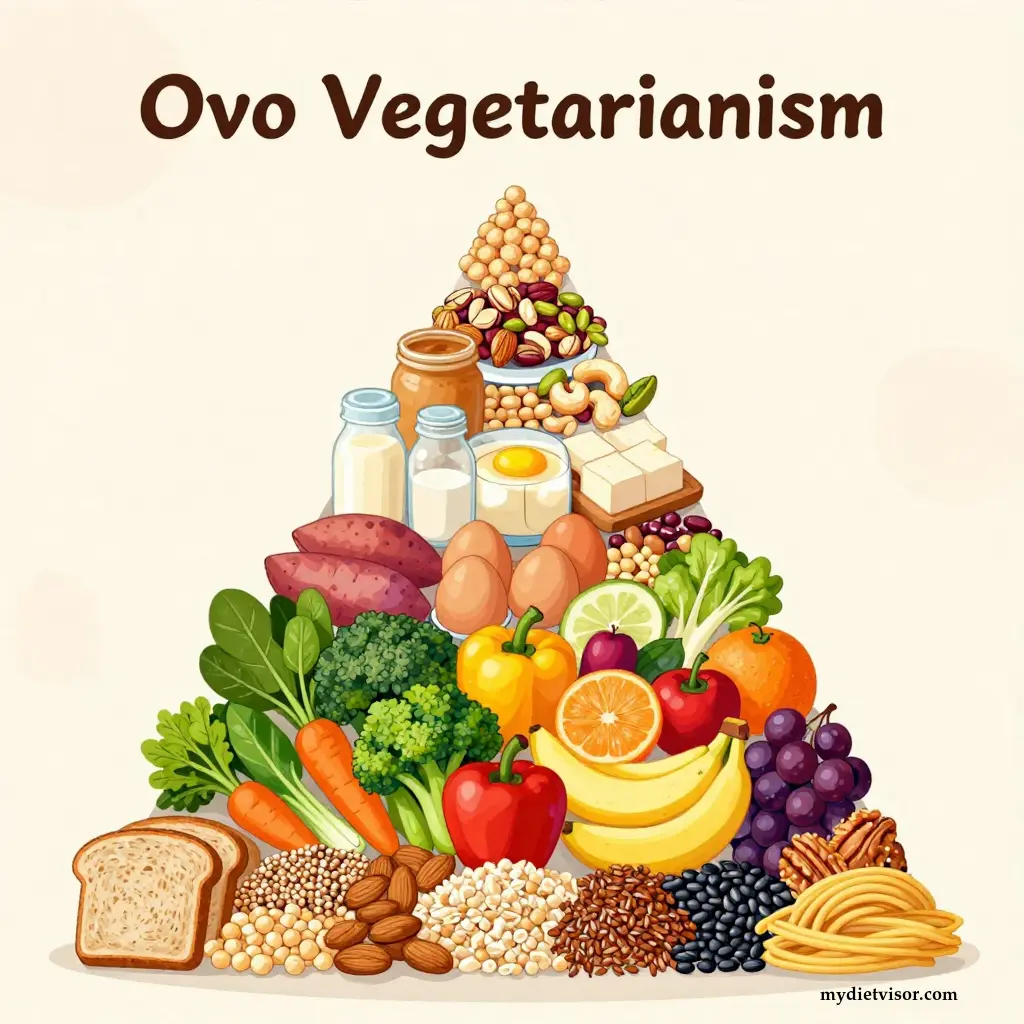
Incorporating a variety of foods is essential to maintain a balanced diet as an ovo vegetarian. Eggs are a primary component due to their nutritional benefits and versatility in cooking. However, it’s equally important to include a wide range of plant-based foods to ensure adequate intake of all necessary nutrients.
Plant-Based Proteins
Including plant-based protein sources is crucial for maintaining muscle mass and overall health. Legumes such as lentils, chickpeas, black beans, and kidney beans are excellent options because they provide both protein and fiber. These legumes can be used in salads, soups, stews, and even in recipes that traditionally use meat or dairy.
Tofu and tempeh, which are derived from soybeans, offer a complete source of plant-based protein. They are versatile ingredients that can be used in stir-fries, scrambles, and even as a substitute for eggs in baking when blended with other ingredients to achieve the desired texture.
Whole Grains
Whole grains like quinoa, brown rice, oats, barley, and farro provide essential carbohydrates along with fiber, vitamins, and minerals. Quinoa is particularly beneficial because it contains all nine essential amino acids and can be used as a base for many dishes, from breakfast bowls to main courses.
Oats are another great choice, especially for breakfast options such as oatmeal or overnight oats. They offer beta-glucan fibers known to help lower cholesterol levels and stabilize blood sugar.
Fruits and Vegetables
Fruits and vegetables should form the backbone of any healthy diet, including an ovo vegetarian one. Aim to include a variety of colors on your plate to ensure you get a range of vitamins and minerals. Leafy greens like spinach, kale, and broccoli are rich in iron, calcium, and vitamin K.
Berries such as strawberries, blueberries, and raspberries are not only delicious but also packed with antioxidants that help protect against cellular damage. Including citrus fruits like oranges and grapefruits can boost your intake of vitamin C, which is essential for immune health.
Healthy Fats
Healthy fats are important for brain function, skin health, and hormone production. Avocados and nuts such as almonds, walnuts, and cashews provide healthy monounsaturated and polyunsaturated fats. Flaxseeds and chia seeds are also excellent sources of omega-3 fatty acids.
Using oils like olive oil, coconut oil, or avocado oil for cooking is another way to incorporate beneficial fats into your diet. These oils can be used in dressings, marinades, or as a base for stir-fries.
Dairy-Free Alternatives
While ovo vegetarians exclude dairy products from their diets, there are numerous alternatives available that can provide similar textures and flavors. Almond milk, soy milk, oat milk, and coconut yogurt offer calcium and vitamin D fortification, making them excellent substitutes for traditional dairy items.
Nutritional yeast, often used as a cheese substitute, is rich in B vitamins and adds a savory flavor to dishes like pasta or popcorn. It’s an easy way to enhance the taste of meals without relying on animal products.
Conclusion
By incorporating eggs alongside a variety of plant-based foods, ovo vegetarians can enjoy a diverse and nutritious diet that supports overall health and aligns with ethical beliefs about animal welfare. This dietary approach encourages mindful food choices and helps individuals make informed decisions that benefit both themselves and the environment.
Sample Meal Plan
A typical day in an ovo vegetarian lifestyle can be both varied and delicious. Here’s how you might structure your meals to ensure nutritional balance and satisfaction:
Breakfast: Savory Egg Muffins
Ingredients:
- 4 eggs
- 1/2 cup chopped spinach
- 1/4 cup diced tomatoes
- 1/4 cup crumbled feta cheese (optional)
- Salt and pepper to taste
Instructions:
- Preheat the oven to 350°F.
- Beat the eggs in a bowl and season with salt and pepper.
- Add spinach, tomatoes, and optional feta cheese.
- Pour mixture into a muffin tin sprayed with cooking spray or lined with parchment paper cups.
- Bake for about 18-20 minutes until set.
Egg muffins are perfect for those who prefer a quick morning meal that is both filling and nutritious. They can be made ahead of time and reheated, making them ideal for busy weekdays.
Lunch: Quinoa Salad with Chickpeas
Ingredients:
- 1/2 cup quinoa (cooked)
- 1 cup canned chickpeas (rinsed and drained)
- 1 avocado, diced
- 1 tomato, chopped
- 1 cucumber, sliced
- Fresh parsley, chopped
- Lemon juice and olive oil dressing
Instructions:
- Cook the quinoa according to package instructions.
- Mix cooked quinoa with chickpeas, avocado, tomato, and cucumber in a large bowl.
- Drizzle lemon juice and olive oil over salad.
- Garnish with fresh parsley.
This dish is packed with protein from both quinoa and chickpeas, providing sustained energy throughout the afternoon. The addition of healthy fats from avocados enhances satiety and flavor.
Snack: Apple Slices with Almond Butter
Ingredients:
- 1 medium apple, sliced
- 2 tablespoons almond butter
Simply spread almond butter on each slice of apple for a quick and nutritious snack that is both satisfying and easy to prepare.
Dinner: Spinach and Mushroom Frittata
Ingredients:
- 4 eggs
- 1/2 cup fresh spinach leaves
- 1/4 cup sliced mushrooms
- 1 tablespoon olive oil
Instructions:
- Heat olive oil in a non-stick skillet over medium heat.
- Add mushrooms and sauté until tender.
- Beat the eggs in a bowl and pour them into the skillet.
- Mix in spinach leaves and cook until the edges start to set but the top is still runny.
- Place under a broiler for 1-2 minutes or until fully cooked.
Frittatas are an excellent way to incorporate vegetables while also providing a complete protein meal that satisfies hunger and cravings alike. They can be enjoyed warm straight out of the oven or at room temperature later in the day.
Dessert: Vegan Chocolate Banana Ice Cream
Ingredients:
- 2 ripe bananas, sliced and frozen
- 1/4 cup cocoa powder
Blend frozen banana slices with cocoa powder until smooth and creamy for a delightful vegan dessert that is rich in antioxidants without any dairy. This treat offers a sweet ending to the day while keeping within dietary guidelines.
By incorporating these meals into your daily routine, you can enjoy delicious, nutritious food while adhering to ovo vegetarian principles. Each meal provides essential nutrients from eggs alongside plant-based proteins and fats, ensuring a well-balanced diet that supports health and wellness.
Protein Intake on an Ovo Vegetarian Diet
Protein is essential for maintaining muscle mass, repairing tissues, and supporting overall bodily functions. For ovo vegetarians, eggs play a crucial role in providing high-quality protein without the need to consume dairy products.
Eggs are an excellent source of complete proteins, containing all nine essential amino acids that the body cannot produce on its own. This makes them particularly valuable for muscle repair and growth, especially important for individuals who engage in regular physical activity or weight training. In comparison, many plant-based protein sources lack one or more essential amino acids, making eggs a more balanced option.
To ensure adequate protein intake while adhering to an ovo vegetarian diet, it’s important to incorporate a variety of high-protein foods beyond just eggs. Legumes such as lentils and chickpeas are rich in proteins and can complement the nutritional profile provided by eggs. Tofu and tempeh offer additional sources of complete plant-based protein that work well in recipes like stir-fries, scrambles, or even as an egg replacement in baking when blended with other ingredients.
Incorporating a range of these foods ensures that you get all necessary amino acids for optimal health. Combining eggs with legumes and whole grains can create meals that provide the full spectrum of essential proteins needed by the body. This combination not only enhances protein quality but also adds variety to your diet, making it more enjoyable and sustainable in the long term.
For those looking to maximize their protein intake while maintaining an ovo vegetarian lifestyle, here are a few meal ideas:
- Breakfast: Scrambled eggs with spinach and black beans.
- Lunch: Tofu stir-fry with quinoa and mixed vegetables.
- Dinner: Chickpea salad topped with sliced avocado and diced hard-boiled eggs.
These meals provide a balance of high-quality proteins from both plant-based sources and eggs, ensuring that you meet your nutritional needs without compromising on taste or variety. By focusing on these combinations, ovo vegetarians can enjoy the benefits of a protein-rich diet while adhering to their ethical principles regarding animal welfare.
One large egg contains approximately 6 grams of high-quality protein, which is roughly equivalent to one-third of what an average adult needs daily for optimal muscle health.
Alternative Diets Compared
When considering different dietary lifestyles, it is essential to understand how they vary in terms of food choices, nutritional profiles, environmental impact, and ethical considerations. Ovo vegetarianism stands out due to its unique balance between flexibility and principle-driven restrictions. Below are some comparisons with other popular diets to highlight the distinctive features of ovo vegetarianism.
Comparing Nutritional Profiles
Ovo Vegetarian Diet:
- Protein Source: Eggs provide a complete protein profile, containing all nine essential amino acids.
- Fat Content: Lower in saturated fats compared to red meat and dairy products, contributing positively to heart health.
- Vitamins and Minerals: Rich in vitamins D, B12, choline, and other nutrients crucial for overall wellness.
Lacto-Ovo Vegetarian Diet:
- Similar to ovo vegetarianism but includes dairy products, which provide additional sources of calcium and vitamin D.
- May offer a wider range of food choices due to the inclusion of yogurt, cheese, milk, etc., though this also means more potential for hidden sugars and saturated fats.
- Excludes all animal-derived products, focusing solely on plant-based foods.
- Requires careful planning to ensure adequate intake of B12, calcium, vitamin D, omega-3 fatty acids, and iron since these nutrients are harder to obtain from purely plant sources without supplementation.
| Nutrient | Ovo Vegetarian Diet | Lacto-Ovo Vegetarian Diet | Vegan Diet |
|---|---|---|---|
| Protein | Complete proteins from eggs | Dairy products + eggs | Plant-based sources only |
| Saturated Fat | Lower due to no dairy | Moderate, includes milk and cheese | Low |
| Vitamins D & B12 | Eggs provide essential amounts | Cheese, milk fortified with vitamins | Requires supplementation |
Environmental Impact
The environmental impact of different diets is a growing concern as the world seeks sustainable food production methods. Ovo vegetarianism offers a middle ground between full veganism and omnivorous diets.
Ovo Vegetarian Diet:
- Lower carbon footprint compared to consuming dairy and meat products due to reduced greenhouse gas emissions.
- Supports more humane treatment of laying hens, who often have better living conditions than cows used for milk production.
Vegan Diet:
- Generally has the lowest environmental impact due to no contribution from animal agriculture at all.
- Encourages plant-based foods that require fewer resources in terms of water and land use compared to livestock farming.
Omnivorous Diet:
- Higher carbon footprint, especially when significant amounts of red meat are consumed.
- Contributes more significantly to deforestation, habitat destruction, and biodiversity loss due to intensive animal agriculture practices.
Ethical Considerations
Ethics play a crucial role in dietary choices for many individuals. Ovo vegetarianism strikes a balance between ethical principles and practical diet planning.
Ovo Vegetarian Diet:
- Aligns with ethical beliefs about avoiding dairy products but allows the consumption of eggs from hens often raised under more humane conditions.
- Supports minimal harm to animals while still obtaining essential nutrients necessary for health and well-being.
Vegan Diet:
- Most aligned with comprehensive animal welfare principles, as it excludes all animal by-products entirely.
- Often viewed as the most ethical diet concerning animal rights due to its strict avoidance of products derived from any form of animal exploitation.
Lacto-Ovo Vegetarian Diet:
- Offers flexibility in food choices but may still involve supporting practices deemed unethical by some vegans, such as intensive dairy farming.
- Can be seen as a compromise between vegan principles and practical dietary concerns.
Dietary Flexibility
Flexibility can vary greatly depending on the dietary restrictions one follows. Ovo vegetarianism offers a middle path that many find appealing for its balance of ethical integrity and culinary freedom.
Ovo Vegetarian Diet:
- Provides a flexible approach to dieting by allowing eggs while excluding meat, fish, and dairy.
- Enables individuals to enjoy a wide variety of dishes without compromising on nutritional needs or ethical standards.
Vegan Diet:
- Offers less flexibility in terms of food choices but can be very rewarding for those committed to strict adherence.
- Requires more extensive knowledge about ingredient labels and cooking techniques to ensure no accidental consumption of animal products.
By comparing these diets, one can better understand how ovo vegetarianism fits within the broader context of dietary lifestyles. It offers a unique blend of ethical considerations, environmental impact, nutritional benefits, and culinary variety that many find compelling.
Did you know that the production of 1 kilogram of beef emits approximately 27 kilograms of carbon dioxide equivalents, whereas producing 1 kilogram of wheat generates only 0.8 kg CO₂e?
Conclusion: Embracing the Flexibility and Health Benefits
Embracing an ovo vegetarian diet offers a flexible approach that aligns with ethical principles while providing significant health benefits. By excluding dairy products but including eggs, individuals can enjoy a balanced nutritional profile rich in essential proteins and nutrients without compromising their values regarding animal welfare and environmental sustainability. This dietary choice not only supports personal health goals but also contributes to more humane treatment of animals and reduced environmental impact compared to diets that include meat or dairy. Whether for ethical reasons or health considerations, ovo vegetarianism presents a viable and rewarding lifestyle option for those seeking a conscientious approach to nutrition.
Frequently Asked Questions (FAQ)
What is ovo vegetarianism?
Ovo vegetarianism is a type of vegetarian diet that includes eggs but excludes all other animal products like meat, poultry, fish, dairy, and honey. It’s often considered more flexible than vegan or lacto-vegetarian diets.
Is ovo vegetarianism healthy?
Yes, when balanced properly, an ovo vegetarian diet can be very healthy. It offers a variety of nutrients from plant-based foods while including eggs to provide essential proteins and vitamins like B12 (if fortified).
Can you eat honey on an ovo vegetarian diet?
No, in strict adherence to the principles of ovo vegetarianism, honey is not consumed as it involves animal products.
Are there any health risks associated with following an ovo vegetarian diet?
There are no inherent risks if the diet is well-balanced. However, like any restrictive diet, it’s important to ensure sufficient intake of vitamins B12 and D, iron, calcium, zinc, and omega-3 fatty acids.
How do I start an ovo vegetarian lifestyle?
To start, begin by incorporating more plant-based foods into your meals while gradually reducing animal products. Include a variety of fruits, vegetables, whole grains, legumes, nuts, seeds, and eggs to ensure balanced nutrition.
What are some common misconceptions about ovo vegetarians?
One common misconception is that ovo vegetarians lack essential nutrients found in meat and dairy, which isn’t true if the diet includes a diverse range of plant foods and fortified products or supplements.
How does an ovo vegetarian diet compare to other diets like veganism or pescetarianism?
Unlike vegans who avoid all animal-derived foods, ovo vegetarians include eggs. In contrast to pescetarians who eat fish but no meat, ovo vegetarians exclude both fish and meat entirely.
Can you get enough protein on an ovo vegetarian diet?
Yes, it’s possible to meet your daily protein needs through a combination of plant-based foods like legumes, tofu, tempeh, nuts, seeds, whole grains, and eggs.
What are some common challenges when switching to an ovo vegetarian lifestyle?
Common challenges include finding suitable substitutes for dairy products and making sure you get enough vitamin B12 and omega-3 fatty acids. Overcoming social pressures and learning new recipes can also be challenging.
How do I ensure my diet is balanced on a strict ovo vegetarian plan?
To maintain balance, focus on consuming a variety of whole grains, legumes, fruits, vegetables, nuts, seeds, and eggs daily. Consider consulting with a nutritionist to tailor your diet properly.