What is the Pioppi Diet?

The Pioppi Diet is a low-carbohydrate dietary plan that promises to transform your health by shifting your eating habits towards traditional Mediterranean patterns. Co-authored by Aseem Malhotra, a British cardiologist who often challenges conventional medical wisdom, the diet was published in 2017 as part of his mission to combat sugar addiction and promote healthier lifestyles.
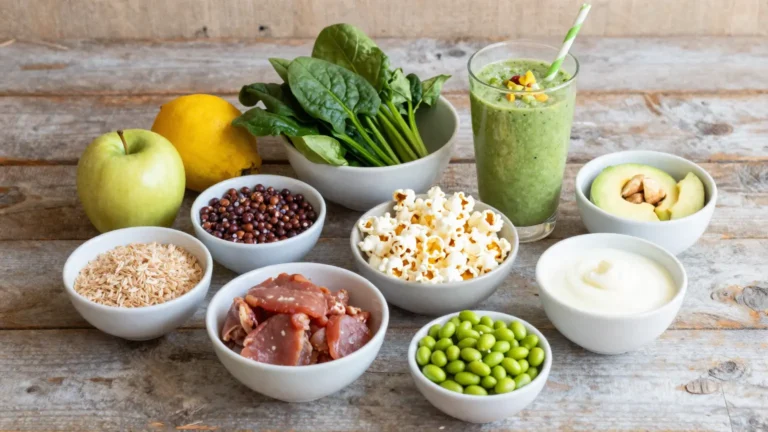
At its core, the Pioppi Diet encourages you to eat fewer carbohydrates and more healthy fats. Imagine waking up each morning with a tablespoon of extra-virgin olive oil, munching on a handful of almonds or walnuts, and enjoying plenty of fibrous vegetables throughout your day. This diet also recommends incorporating oily fish into your meals at least three times a week, while steering clear of all added sugars, fruit juices, refined grains, and flour-based products like bread and pastries.
The idea behind the Pioppi Diet is simple yet provocative: by eating more healthy fats and fewer carbs, you can stabilize your blood sugar levels, reduce inflammation, and support heart health. But does it work as advertised? Critics argue that while cutting out processed foods and added sugars might be beneficial for anyone looking to eat healthier, the diet’s sweeping claims about specific health outcomes lack strong scientific backing.
As you delve deeper into the Pioppi Diet, you might find yourself questioning whether this dietary approach is a breath of fresh air or another fad that could mislead your journey towards better health.
The Science Behind The Pioppi Diet
The science behind the Pioppi Diet revolves around the idea that a diet high in healthy fats and low in carbohydrates can lead to significant health benefits. The Mediterranean diet, which forms the basis for many aspects of this dietary approach, has been extensively studied and is often cited as being beneficial for cardiovascular health, weight management, and overall longevity.
However, the Pioppi Diet takes a more specific stance on macronutrient ratios compared to traditional Mediterranean diets. Here’s how it stacks up against scientific consensus:
- Fat Intake: The diet emphasizes incorporating plenty of healthy fats such as extra-virgin olive oil, nuts, seeds, and avocadoes. Studies indeed suggest that these fats can help reduce inflammation and lower cholesterol levels when consumed in moderation.
| Food Group | Pioppi Diet Recommendations | Traditional Mediterranean Diet |
|---|---|---|
| Fats | Emphasizes healthy fats | Includes both healthy & moderate unhealthy fats |
| Carbohydrates | Strictly limits carbs | Allows more flexibility |
| Protein | Moderate intake | Higher focus on plant-based proteins |
One key aspect is the diet’s focus on extra-virgin olive oil, which has been shown to contain antioxidants that may help protect against heart disease. Olive oil, when used in place of less healthy fats such as butter or margarine, can indeed provide health benefits.
However, critics point out that while the Pioppi Diet highlights the benefits of certain foods like olive oil and nuts, it also eliminates entire food groups without substantial evidence to support its claims. For instance, fruit juices are strictly prohibited despite being a source of vitamins and minerals when consumed in moderation. This rigid stance might be seen as overly restrictive for many people looking to balance their diet.
Moreover, the diet’s recommendation to cut out all added sugars is generally accepted by most health experts. However, eliminating natural sugars from fruits may deprive individuals of essential nutrients found in these foods. > Despite being high in sugar, apples are one of the richest sources of fiber and antioxidants, which can contribute positively to heart health.
The Pioppi Diet’s claims about specific health outcomes like curing metabolic syndrome or reversing diabetes might be overstated based on current scientific evidence. While reducing carbohydrate intake can help manage blood sugar levels for people with type 2 diabetes, there is no conclusive proof that it cures the condition outright.
As you consider adopting the Pioppi Diet, ask yourself: Is this a sustainable way of eating long-term? Many people find restrictive diets challenging to maintain and end up reverting to old habits. Perhaps the most important question is whether the diet’s benefits are worth its limitations for your individual health goals.
Recommended Food Groups in The Pioppi Diet
The Pioppi Diet outlines specific food groups that it recommends for optimal health. These recommendations are designed to promote a diet rich in healthy fats and low in carbohydrates, aiming to stabilize blood sugar levels and reduce inflammation.
Fats: One of the central pillars of the Pioppi Diet is its emphasis on consuming healthy fats. The diet advocates for using extra-virgin olive oil as your primary cooking oil due to its high content of antioxidants and beneficial fatty acids. Additionally, the inclusion of nuts like almonds and walnuts, along with seeds such as flaxseeds and chia seeds, provides essential omega-3 fatty acids that support brain health and reduce inflammation.
Carbohydrates: The diet takes a strict stance on carbohydrate intake, significantly reducing or eliminating refined grains, sugars, and flour-based products. Instead of relying heavily on carbohydrates for energy, the Pioppi Diet suggests deriving your primary fuel from fats and proteins. This approach contrasts with traditional Mediterranean diets, which allow for more flexibility in carb consumption.
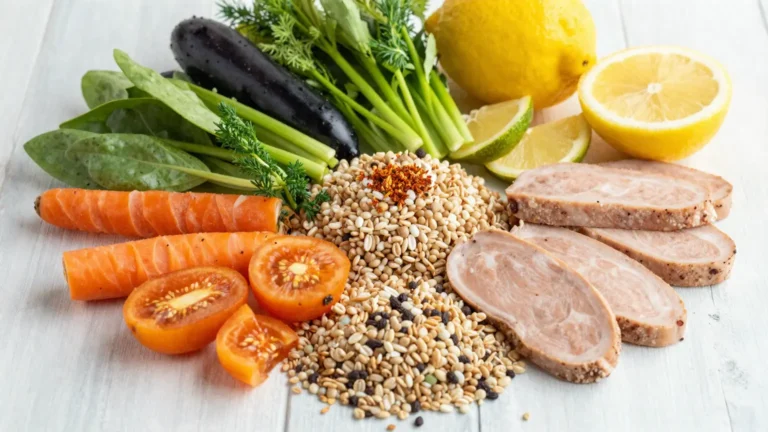
Proteins: While protein intake is not overly restricted, the diet recommends focusing on moderate portions that come predominantly from plant-based sources such as legumes and tofu. For those who eat meat, oily fish like salmon, mackerel, and sardines are encouraged at least three times a week due to their high omega-3 content.
Vegetables: Emphasis is placed on incorporating a wide variety of fibrous vegetables into every meal. These include leafy greens, cruciferous vegetables like broccoli and cauliflower, and other colorful vegetables that offer vitamins, minerals, and antioxidants essential for overall health.
By focusing on these food groups, the Pioppi Diet aims to create a balanced yet low-carb diet plan that can help individuals lose weight and improve their metabolic health. However, critics argue that such a restrictive approach may be difficult to sustain in the long term and could lead to nutrient deficiencies if not carefully planned.
As you explore the recommendations of the Pioppi Diet, consider how these dietary changes might fit into your lifestyle. Can you realistically adhere to cutting out entire food groups like bread or pasta? How will this impact your social interactions where meals often revolve around shared dishes that may include restricted items?
Forbidden or Limited Foods in The Pioppi Diet
The Pioppi Diet imposes significant restrictions on certain food groups that many people might find challenging. Understanding what foods are off-limits can help you make informed decisions about whether the diet is right for you.
Fruit Juices and Sugary Drinks: One of the most restrictive elements of the Pioppi Diet is its ban on fruit juices, sugary sodas, and other sweetened beverages. While it’s widely accepted that sugary drinks contribute to weight gain and poor health outcomes, many public health guidelines still recommend moderate consumption of 100% fruit juice as a source of vitamins and minerals. The Pioppi Diet’s complete ban on these can be seen as overly strict, especially for those who enjoy starting their day with a glass of orange juice or drinking a smoothie.
Refined Grains: Another major limitation is the diet’s prohibition on refined grains like white bread, pasta, and rice. These staples are often replaced by whole grains such as quinoa, brown rice, and oats in more moderate dietary approaches. However, the Pioppi Diet’s strict stance might leave many feeling deprived of comforting foods that can be enjoyed in moderation.
Processed Foods: Any processed foods containing added sugars or high-fructose corn syrup are discouraged. This means no sugary cereals, packaged snacks, or sweetened yogurt. The diet encourages you to prepare meals from scratch using fresh ingredients, which aligns with general health advice but can be daunting for those who rely on convenience foods.
Legumes and Starchy Vegetables: Surprisingly, the Pioppi Diet also limits legumes like lentils, chickpeas, and beans, as well as starchy vegetables such as potatoes and sweet potatoes. These are typically considered healthy sources of fiber and nutrients in other dietary plans but are restricted due to their carbohydrate content.
Dairy Products: The diet’s stance on dairy is another point of contention. While some people might benefit from reducing their intake of full-fat dairy products, the Pioppi Diet recommends avoiding milk and cheese altogether unless they’re very low in lactose or fat-free versions. This restriction could be particularly challenging for those who enjoy a daily cup of milk or a piece of cheese with their meals.
Fruit: Perhaps one of the most debated restrictions is the limit on fruit consumption. The diet advises against eating fruits like bananas, grapes, and raisins due to their sugar content. However, many nutritionists argue that the natural sugars in these fruits are accompanied by essential nutrients and fiber, making them valuable additions to a balanced diet.
By eliminating such a broad range of food groups, the Pioppi Diet may seem overly restrictive for those seeking a sustainable long-term solution. It’s crucial to weigh the potential benefits against your personal preferences and dietary needs before committing to this approach.
Nutritional Benefits and Drawbacks of The Pioppi Diet
The nutritional benefits touted by the Pioppi Diet include improvements in cardiovascular health, weight management, and blood sugar control. By focusing on healthy fats like olive oil and nuts, while limiting processed foods and added sugars, it aims to stabilize blood sugar levels and reduce inflammation.
However, the diet’s drawbacks become evident when considering its restrictive nature and potential nutrient deficiencies. For instance, by cutting out fruits and starchy vegetables, you might miss out on essential vitamins, minerals, and dietary fiber that these foods provide.
Nutritional Balance
- Healthy Fats: The inclusion of healthy fats is a positive aspect. Studies have shown that consuming monounsaturated and polyunsaturated fats can help reduce the risk of heart disease and improve cholesterol levels. However, it’s important to note that excessive intake of even healthy fats can lead to weight gain if not balanced with adequate physical activity.
- Protein Sources: The diet’s recommendation to incorporate oily fish like salmon and mackerel at least three times a week is beneficial due to their omega-3 fatty acids content. Omega-3s are known for their anti-inflammatory properties and benefits in heart health. However, limiting protein sources to plant-based options might not meet the nutritional needs of everyone, particularly individuals with higher protein requirements like athletes or those recovering from illness.
Restrictive Nature
The Pioppi Diet’s restrictive nature poses several challenges:
- Elimination of Carbohydrates: While reducing refined carbs is generally beneficial, eliminating all carbohydrates can be problematic. Whole grains and legumes provide essential nutrients such as fiber, vitamins B, and minerals like magnesium and iron. Cutting these out entirely might leave you deficient in these crucial elements.
- Limited Fruit Intake: The diet’s strict limits on fruit consumption might seem counterintuitive given the numerous health benefits of fruits. While it’s true that some fruits are high in sugar, they also offer a range of essential nutrients and antioxidants. Moderation is key here rather than outright prohibition.
Sustainability
Another critical aspect to consider is sustainability. Can you maintain such strict dietary restrictions over an extended period? Many people find restrictive diets difficult to adhere to long-term, often leading to frustration or eventual abandonment. The social implications of the diet are also significant; avoiding common foods during social gatherings can be isolating and impractical.
By asking yourself these questions, you can better assess whether the Pioppi Diet aligns with your personal health goals and lifestyle preferences. Is it realistic for you to completely avoid sugary drinks, fruit juices, and processed snacks? How will such strict rules affect your daily life?
Reflecting on these points helps in making an informed decision about whether adopting the Pioppi Diet is a practical and sustainable choice for achieving long-term health benefits.
As you navigate this dietary approach, remember that balance and moderation are often key to lasting success. While the Pioppi Diet’s emphasis on healthy fats can be beneficial, it’s crucial to consider its broader implications on your overall nutrition and lifestyle before fully committing.
Sample Meal Plan for The Pioppi Diet Adherents
Understanding what a day on the Pioppi Diet looks like can help you gauge whether this dietary approach fits your lifestyle. Here’s an example meal plan that adheres to the principles outlined in the diet:
Breakfast
A typical morning might start with a tablespoon of extra-virgin olive oil, which provides healthy monounsaturated fats and antioxidants. This is often followed by a bowl of unsweetened Greek yogurt mixed with chopped nuts like almonds or walnuts, providing essential protein and omega-3 fatty acids. You could also enjoy a side of leafy greens such as spinach or kale tossed in more olive oil.
Lunch
For lunch, you might opt for a salad filled with an array of vegetables like cucumber, tomatoes, bell peppers, and avocadoes. Drizzle your salad with extra-virgin olive oil and lemon juice to enhance flavor while maintaining the diet’s focus on healthy fats. Adding a few slices of grilled salmon or mackerel would provide valuable omega-3s and protein.
Dinner
Dinner could feature grilled chicken or tofu marinated in herbs, garlic, and a small amount of olive oil. Serve this alongside a generous portion of steamed broccoli, cauliflower florets, and other fibrous vegetables. A side salad with leafy greens dressed simply in olive oil complements the meal well.
Snacks
Healthy snacks that fit into the Pioppi Diet include raw almonds or walnuts for their protein content and heart-healthy fats. Alternatively, a small serving of unsweetened dark chocolate can satisfy your sweet tooth without compromising dietary guidelines.
By following this sample meal plan, you get an idea of how to incorporate the diet’s recommended foods into your daily routine while maintaining nutritional balance. However, it’s important to note that strict adherence to such a restrictive regimen might be challenging for many individuals over long periods due to social and practical considerations.
Think about whether you can realistically follow this meal structure day after day without feeling deprived or frustrated. Would eliminating certain food groups affect how you interact socially? These are vital questions to ask yourself as you decide if the Pioppi Diet aligns with your personal health goals and lifestyle preferences.
As you explore these options, remember that there’s no one-size-fits-all solution when it comes to nutrition. The key is finding a sustainable approach that works for you and supports your overall well-being.
How Does The Pioppi Diet Compare to Other Diets?
When considering whether the Pioppi Diet is a viable option, it’s helpful to compare it with other popular diets. This comparison can provide insights into its unique features and limitations. Here are some key points of contrast:
- Keto vs. Pioppi: The Keto diet is another low-carb approach that focuses on drastically reducing carbohydrate intake while increasing fat consumption. Unlike the Pioppi Diet, which allows for more moderate carbohydrate levels from whole grains and legumes in traditional Mediterranean diets, the Keto diet eliminates nearly all carbs except those coming from vegetables. This means the Keto diet can be even more restrictive than the Pioppi Diet.
- Mediterranean vs. Pioppi: The traditional Mediterranean diet is renowned for its balanced approach to nutrition, incorporating a variety of fruits, vegetables, whole grains, and lean proteins alongside healthy fats like olive oil. While both diets emphasize olive oil and nuts, the Pioppi Diet imposes stricter limits on carbohydrates and sugars, making it more akin to a low-carb version of the Mediterranean diet.
- Paleo vs. Pioppi: The Paleo diet focuses on eating foods similar to those available to Paleolithic humans, which includes meats, fish, fruits, vegetables, nuts, and seeds while excluding dairy products, grains, processed oils, sugar, and any food with high amounts of sodium or artificial ingredients. Both diets share a focus on natural, whole foods but differ in the extent of carbohydrate reduction. The Paleo diet generally allows more variety in protein sources compared to the Pioppi Diet’s emphasis on oily fish.
- Intermittent Fasting vs. Pioppi: Intermittent fasting involves cycling between periods of eating and fasting. While it doesn’t dictate specific food choices, it complements diets like the Pioppi by encouraging healthier eating patterns. However, intermittent fasting does not inherently restrict carbohydrates or sugars in the same way that the Pioppi Diet does.
| Diet Type | Focus | Carbohydrate Intake | Protein Sources | Fat Consumption |
|---|---|---|---|---|
| Pioppi | Low-carb Mediterranean | Strictly limited, mainly from whole grains and legumes | Moderate, oily fish preferred | High in healthy fats (olive oil) |
| Keto | Extreme low-carb | Very low (<5% daily intake), nearly none from grains or sugars | Limited, primarily animal-based proteins | Very high, mostly saturated fats |
| Mediterranean | Balanced whole foods | Moderate, includes variety of carbs like fruits and grains | Balanced mix of plant and animal proteins | High in healthy fats but not as restrictive |
Each diet has its unique benefits and challenges. The Pioppi Diet’s strict carbohydrate limitations may appeal to those looking for a more defined approach towards reducing sugar intake and stabilizing blood glucose levels, similar to the Keto diet’s extreme measures. However, it is also worth considering the flexibility of other diets like the traditional Mediterranean or Paleo approaches that offer broader food choices.
As you weigh these options, think about your personal health goals and preferences. Do you prefer a strict regimen with clear guidelines? Or are you more comfortable with a balanced diet that allows for occasional indulgences?
Reflecting on these comparisons can help you make an informed decision about which dietary approach best suits your needs and lifestyle.
By understanding how the Pioppi Diet compares to other popular diets, you can better assess whether it aligns with your health goals. While its focus on healthy fats is commendable, the diet’s restrictive nature might be challenging for some individuals to sustain in the long run. It’s essential to find a balance that supports both your nutritional needs and personal preferences.
Ultimately, the key to successful dietary changes lies in finding an approach that you can stick with over time. Consider whether adopting such strict rules is realistic for your lifestyle before fully committing to any diet plan.
Alternative or Similar Diets to Consider
When evaluating the Pioppi Diet, it’s important to explore other dietary approaches that share similar goals yet offer different frameworks. These alternatives can provide a more flexible approach while still delivering significant health benefits.
Mediterranean Diet
The Mediterranean diet is widely regarded as one of the most balanced and healthy eating patterns globally. It emphasizes fruits, vegetables, whole grains, legumes, nuts, olive oil, fish, and moderate amounts of wine. Unlike the Pioppi Diet, which takes a stricter stance on carbohydrate intake, the Mediterranean diet offers more flexibility in consuming these foods.
- Flexibility: The Mediterranean diet allows for moderate consumption of carbohydrates such as fruits, vegetables, and whole grains. This balance can be easier to maintain long-term without feeling overly restrictive.
- Heart Health Benefits: Numerous studies have shown that this dietary pattern is associated with reduced risk of heart disease, lower blood pressure, and improved cholesterol levels.
Flexitarian Diet
The flexitarian diet is a plant-based eating plan that incorporates meat only occasionally. It encourages consuming a variety of fruits, vegetables, whole grains, legumes, nuts, and seeds while limiting red meat and processed foods. This approach promotes flexibility without the stringent rules seen in the Pioppi Diet.
- Nutritional Balance: The flexitarian diet ensures you get essential nutrients from both plant-based sources and occasional lean meats or fish, providing a more balanced nutritional profile.
- Weight Management: Research suggests that this dietary pattern can lead to weight loss and improved metabolic health due to its focus on whole foods and reduced intake of processed items.
DASH Diet
The Dietary Approaches to Stop Hypertension (DASH) diet focuses on reducing high blood pressure through specific food choices. It emphasizes fruits, vegetables, whole grains, lean proteins, and low-fat dairy products while limiting sodium, red meat, sweets, and sugary beverages.
- Heart Health: The DASH diet has been extensively studied and shown to lower blood pressure, reduce the risk of heart disease, and improve overall health.
- Versatility: Unlike the Pioppi Diet’s strict carbohydrate restrictions, the DASH diet allows for a moderate amount of whole grains and legumes, making it easier to follow in various social settings.
Whole30 Program
The Whole30 program is a stricter 30-day plan aimed at resetting your body’s response to food. It eliminates sugar (including honey), alcohol, grains, dairy, soy, legumes, and processed foods. After the initial month, you reintroduce these foods one by one to identify any triggers for inflammation or other health issues.
- Detoxification: Advocates claim that this program helps clear your body of problematic foods and reset your palate.
- Limited Flexibility: While it can be effective in identifying food sensitivities, its strict nature might make long-term adherence challenging.
Conclusion
Each dietary approach offers unique benefits and challenges. The Pioppi Diet’s emphasis on healthy fats is valuable but may come at the cost of nutritional balance due to its restrictive nature. Exploring alternatives like the Mediterranean diet, flexitarian diet, DASH diet, or Whole30 program can provide a more flexible path towards better health while still addressing your dietary needs and preferences.
Ultimately, it’s about finding an eating pattern that you enjoy sticking with long-term – a sustainable lifestyle change rather than a temporary fix. What works best for one person might not work for another, so consider testing out different approaches to see what suits you best.
Which of these diets do you think would be easier to integrate into your daily life while still achieving health goals? Reflecting on this can help guide your decision in choosing the right dietary approach for you.
Potential Challenges When Following The Pioppi Diet
Adopting the Pioppi Diet can present several challenges that may affect your ability to adhere to its guidelines over an extended period. Understanding these obstacles is crucial in making an informed decision about whether this dietary approach is right for you.
Social and Practical Considerations
One of the primary hurdles is adhering to strict dietary rules during social gatherings or while dining out. Imagine sitting at a restaurant with friends, where most menu options are off-limits due to sugar content or refined grains. This scenario can be isolating and frustrating. Similarly, family dinners often revolve around pasta dishes, bread, and desserts that the Pioppi Diet strictly prohibits.
How would you handle social situations where adhering to the diet might be difficult?
Nutrient Deficiencies
The restrictive nature of the Pioppi Diet can lead to potential nutrient deficiencies if not carefully managed. For instance, eliminating fruits could deprive you of essential vitamins and minerals like vitamin C, potassium, and fiber. Similarly, cutting out starchy vegetables means missing out on key nutrients such as magnesium, B-vitamins, and dietary fiber.
Fun Fact: A single medium-sized banana provides around 422 mg of potassium, which is crucial for heart health and muscle function. Are you willing to miss this natural source of vital nutrients?
Long-Term Sustainability
Maintaining a strict diet over an extended period can be challenging, especially when it involves significant lifestyle changes like eliminating entire food groups. Imagine waking up every morning and having to make conscious decisions about what foods are acceptable based on the rules set by the Pioppi Diet.
Can you realistically maintain such stringent guidelines long-term without feeling deprived or burnt out?
Balancing Personal Preferences
While the diet aims to promote health benefits through specific food choices, it might not align with everyone’s taste preferences and cultural eating habits. For example, if you come from a background where bread is an integral part of meals, completely eliminating it can be tough.
How will this dietary change affect your relationship with food and overall quality of life?
By carefully considering these challenges, you can better evaluate whether the Pioppi Diet aligns with your personal health goals and lifestyle preferences. It’s essential to find a balance that supports both your nutritional needs and enjoyment of food.
Conclusion: Evaluating the Impact and Feasibility of The Pioppi Diet
The Pioppi Diet presents a compelling case for adopting a low-carbohydrate, Mediterranean-inspired approach to eating, emphasizing healthy fats and whole foods while cutting out processed items and added sugars. However, its strict limitations on certain food groups like fruits and starchy vegetables raise concerns about long-term sustainability and potential nutrient deficiencies. As you weigh the benefits of this diet against its drawbacks, it’s crucial to consider whether such a restrictive regimen aligns with your personal health goals and lifestyle preferences. Reflecting on these points helps ensure that any dietary changes are sustainable and enjoyable in the long run, ultimately supporting your journey towards better health without feeling overly deprived or isolated.
Frequently Asked Questions (FAQ)
What is the main goal of the Pioppi Diet?
The primary aim of the Pioppi Diet is to promote health through a diet that emphasizes traditional Mediterranean principles with modern nutritional science insights. It aims to improve heart health and overall well-being by encouraging specific food choices and portion sizes.
Is the Pioppi Diet safe for everyone to follow?
While the diet promotes healthy eating habits like olive oil consumption, tree nuts, and vegetables, it may not be suitable for people with certain medical conditions or allergies. It’s always advisable to consult a healthcare professional before starting any new diet regimen.
Can I still eat bread on the Pioppi Diet?
The Pioppi Diet generally avoids refined carbohydrates including bread products, which contrasts with traditional Mediterranean diets where bread is an integral part of meals. This makes it different from other dietary approaches that include whole grain breads.
Does The Pioppi Diet recommend limiting fruit consumption?
The diet emphasizes eating low sugar fruits but discourages the consumption of high-sugar fruits and fruit juices as they are higher in carbohydrates and sugars than what the diet advocates.
How does The Pioppi Diet view olive oil intake?
Extra-virgin olive oil is highly recommended, with daily consumption ranging from two to four tablespoons. This aligns well with traditional Mediterranean dietary habits that promote olive oil’s health benefits.
Is there scientific evidence supporting the claims of The Pioppi Diet?
The diet combines historical insights from the village of Pioppi with contemporary nutritional science, but it faces criticism regarding its approach and adherence to traditional Mediterranean eating patterns. Readers should critically evaluate any specific health claims made by the diet.
How does the British Dietetic Association view The Pioppi Diet?
The BDA has listed the Pioppi Diet among the top 5 worst celebrity diets to avoid in 2018, citing concerns over its portrayal of traditional Mediterranean eating habits and its reliance on low-carb high-fat principles.
Can you explain why some critics say The Pioppi Diet misrepresents the Mediterranean diet?
Critics argue that while it claims to follow the heart-healthy principles of the Mediterranean diet, it actually promotes substitutions and practices not aligned with traditional eating patterns such as using coconut oil instead of olive oil or substituting vegetables for rice.
What are some potential side effects of following The Pioppi Diet strictly?
Strict adherence might lead to deficiencies in certain nutrients if dietary restrictions become too rigid. Individuals may experience unintended weight loss, nutrient imbalance, and social difficulties when eating outside their diet plan.
Is the advice given about stopping smoking part of The Pioppi Diet program?
While smoking cessation is a healthy lifestyle choice supported by many health professionals regardless of specific diets like the Pioppi Diet, it’s not necessarily a core component or unique feature of this particular dietary approach.