What is the Planetary Health Diet?
The Planetary Health Diet (PHD) has been making waves as a new dietary approach that aims to tackle both health and environmental issues on a global scale. This innovative diet is based on the premise that what’s good for our bodies is also beneficial for the planet. Picture a world where your meal choices not only fuel you but also contribute positively to reducing climate change, conserving water resources, and preserving biodiversity. Does this sound too good to be true? Let’s dive into how the PHD works.
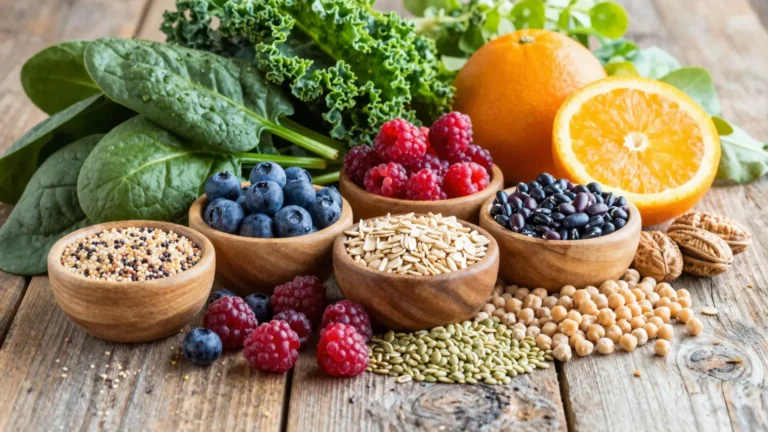
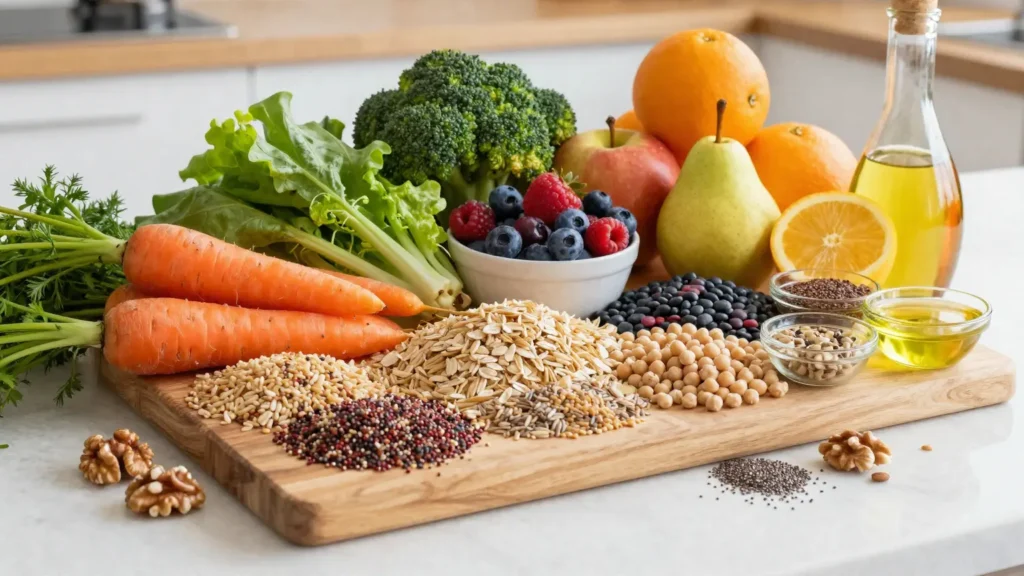
At its core, the Planetary Health Diet emphasizes plant-based foods like vegetables, fruits, whole grains, legumes, nuts, and unsaturated oils. These food groups form the foundation of a diet designed to combat chronic diseases such as heart disease, type 2 diabetes, and certain cancers. The inclusion of these nutrient-dense foods promises not only better health outcomes but also reduced environmental impacts compared to diets high in red meat and processed foods.
Imagine stepping into a kitchen where your meals are crafted around the idea that every ingredient choice counts towards a healthier future. This diet isn’t just about what you shouldn’t eat; it’s equally focused on what you should include more of in your daily intake. By integrating these wholesome ingredients, you’re not only nourishing yourself but also supporting sustainable agricultural practices that benefit our planet.
So, the next time you sit down to plan a meal or shop for groceries, consider how each selection can make a positive impact beyond just satisfying your hunger. Is the Planetary Health Diet something you might be willing to explore?
Recommended Food Groups in the Planetary Health Diet
At the heart of the Planetary Health Diet are plant-based staples that provide essential nutrients while minimizing environmental strain. These foods form the backbone of your daily meals:
- Vegetables: Aim for a variety of colors to maximize nutrient intake. Think leafy greens like spinach, vibrant carrots, and crunchy broccoli.
- Fruits: Include fresh or frozen fruits in your diet. Berries are particularly beneficial due to their high antioxidant content.
- Whole Grains: Opt for foods like quinoa, brown rice, oats, and whole wheat bread that offer more fiber and nutrients than refined grains.
Incorporating these plant-based staples can significantly reduce the risk of chronic diseases while also decreasing your carbon footprint. For instance, a diet rich in vegetables and fruits has been linked to lower rates of heart disease, type 2 diabetes, and some cancers. Moreover, shifting from processed foods to whole grains decreases land use and greenhouse gas emissions.
Legumes, Nuts, and Seeds
Legumes, nuts, and seeds are fantastic protein sources that also help in building a balanced diet within the PHD framework:
- Legumes: Lentils, chickpeas, black beans, and soy products not only provide high-quality proteins but also essential vitamins and minerals.
- Nuts and Seeds: Almonds, walnuts, sunflower seeds, and chia seeds are rich in healthy fats, fiber, and antioxidants. They make great snacks or additions to meals.
By integrating legumes into your diet, you can effectively replace a portion of red meat consumption, which significantly reduces the environmental impact associated with livestock farming. These foods also offer numerous health benefits such as improved cardiovascular health and better blood sugar control.
Unsaturated Oils
Healthy fats are crucial for overall well-being, and unsaturated oils play a key role in providing these essential fats:
- Olive Oil: Ideal for cooking due to its high smoke point and rich flavor profile.
- Avocado Oil: Contains oleic acid which may help reduce inflammation.
- Canola Oil: A versatile option that’s low in saturated fats.
Using unsaturated oils instead of solid fats like butter or margarine can enhance heart health by lowering bad cholesterol levels. They are also beneficial for brain function and overall cellular health, making them a smart choice to include in your daily meals.
Dairy and Animal Products
While the PHD encourages a reduction in animal products, it still allows moderate consumption of certain dairy and lean meats:
- Dairy: Low-fat milk, yogurt, and cheese can be included but should not form the bulk of your diet.
- Lean Meats: Chicken, fish, and eggs are recommended in smaller portions compared to red meat.
Incorporating small amounts of these foods can provide additional nutrients such as calcium, vitamin B12, and omega-3 fatty acids. However, it’s important to balance this with the focus on plant-based proteins and fats for a healthier dietary pattern that benefits both your body and the planet.
As you explore integrating these food groups into your meals, consider how each choice contributes not just to your personal health but also to global sustainability goals. Every plate you prepare has the potential to make a positive impact!
Forbidden or Limited Foods in the Planetary Health Diet
Certain foods are restricted or limited in the PHD to ensure that both health and environmental goals are met effectively.
- Red Meat: The diet recommends drastically reducing red meat consumption. This includes beef, pork, lamb, and other similar meats, which should be kept to a maximum of 14 grams per day for an adult. Reducing your intake of these meats can significantly lower greenhouse gas emissions and land use associated with cattle farming.
- Processed Foods: Highly processed foods are discouraged in the PHD due to their negative impact on health and the environment. This includes sugary drinks, snacks high in refined sugars or fats, and ready-made meals that often lack nutritional value but contribute heavily to environmental degradation through excessive packaging and resource use.
Table: Comparison of Forbidden/Limited Foods vs Recommended
| Food Group | Recommended Intake (per day) | Forbidden or Limited Intake |
|---|---|---|
| Red Meat | 14 grams | Should be minimized to reduce harm |
| Processed Foods | Minimal to none | Avoid as much as possible |
| Sugars | Up to 30 grams | Limit refined sugars and sugary drinks |
| Refined Grains | Low | Minimize intake for better health |
By reducing your consumption of red meat, processed foods, and other restricted items, you’re not only improving personal health outcomes but also contributing positively to environmental sustainability. For example, cutting back on beef can reduce water use significantly since cattle farming requires far more resources compared to plant-based protein sources.
Personal Reflection
As you start considering changes to your diet based on the PHD guidelines, think about how these adjustments align with your values and lifestyle. Do you feel a personal responsibility towards environmental conservation? Are there cultural or familial traditions tied to meat consumption that might make this shift challenging?
The transition doesn’t have to be abrupt; small steps can lead to significant changes over time. For instance, try incorporating one new legume into your meals each week or swapping out processed snacks for nuts and seeds. Each change you make adds up to a more sustainable diet and lifestyle.
Ultimately, the PHD offers an opportunity not just to eat healthier but also to contribute towards global sustainability goals. Whether it’s through reducing meat intake or limiting sugary drinks, every choice matters in this holistic approach to health and environmental stewardship.
Nutritional Benefits of Following the Planetary Health Diet
Adopting the PHD can significantly enhance your nutritional intake, leading to better health outcomes. Here’s how integrating more vegetables, fruits, legumes, nuts, and unsaturated oils into your diet can benefit you:
- Boosts Fiber Intake: A high-fiber diet is crucial for digestive health and helps regulate blood sugar levels. Legumes like lentils and beans are excellent sources of fiber that keep you feeling full longer.
- Increases Antioxidant Consumption: Fruits and vegetables, particularly berries and leafy greens, are rich in antioxidants that protect your cells from damage caused by free radicals.
Reduces Inflammation
Incorporating the PHD’s recommended foods can help reduce chronic inflammation in the body. Chronic inflammation is linked to numerous health issues such as heart disease, diabetes, and arthritis:
- Omega-3 Fatty Acids: Found abundantly in nuts like walnuts and seeds like chia, omega-3s are known for their anti-inflammatory properties.
- Polyphenols: These compounds found in fruits and vegetables help combat oxidative stress and inflammation.
Supports Heart Health
Heart disease is a leading cause of death worldwide, but the PHD can lower your risk through its emphasis on healthy fats and whole foods:
- Healthy Fats: Unsaturated oils like olive oil contain monounsaturated and polyunsaturated fats which are beneficial for heart health.
- Whole Grains: These provide essential nutrients such as magnesium and potassium that help regulate blood pressure.
Enhances Mental Well-being
The PHD can also positively impact your mental health, reducing symptoms of depression and anxiety:
- B Vitamins: Found in whole grains and legumes, B vitamins are crucial for brain function and mood regulation.
- Magnesium: This mineral is essential for stress relief and is abundant in leafy greens and nuts.
Aids Weight Management
By focusing on nutrient-dense foods, the PHD naturally supports a healthy weight:
- Satiety from Fiber: High-fiber foods like fruits and vegetables keep you feeling full longer, reducing overeating.
- Balanced Macros: The diet’s emphasis on whole grains and legumes provides balanced macronutrients that help maintain stable energy levels throughout the day.
A study found that a plant-based diet rich in fruits, vegetables, nuts, and seeds can significantly lower your risk of type 2 diabetes. This underscores how each meal choice truly matters for long-term health benefits!
As you consider adopting or enhancing aspects of the Planetary Health Diet into your lifestyle, remember it’s about gradual changes rather than drastic shifts. Each step towards a more sustainable diet not only nurtures your body but also contributes to preserving our planet’s resources for future generations.
Potential Drawbacks and Nutritional Deficiencies of the PHD
While the Planetary Health Diet (PHD) promises numerous health and environmental benefits, it’s crucial to consider potential drawbacks and nutritional deficiencies. Here are some factors to think about as you explore whether this diet is right for you:
- Iron Deficiency: The PHD recommends reducing red meat consumption significantly, which can lead to lower iron intake. Iron from plant sources (non-heme iron) isn’t absorbed by the body as efficiently as heme iron found in animal products. This could potentially result in iron deficiency anemia if not properly managed.
- Vitamin B12 Deficiency: Vitamin B12 is primarily found in animal-derived foods like meat, fish, poultry, eggs, and dairy products. The PHD limits these sources, making it challenging to meet the daily requirements without supplementation or fortified foods.
Table: Key Nutrients at Risk with Reduced Meat Intake
| Nutrient | Main Dietary Sources | Recommended Intake in PHD |
|---|---|---|
| Iron | Red meat, poultry, and fish | Plant sources (spinach, beans, tofu) |
| Vitamin B12 | Animal products | Fortified foods or supplements |
| Omega-3 Fatty Acids | Fish and eggs | Flax seeds, walnuts, chia seeds |
By limiting red meat and animal-derived products, individuals following the PHD might need to carefully plan their meals to ensure adequate intake of these essential nutrients. Incorporating fortified cereals or taking supplements can help mitigate deficiencies.
Personal Challenges
Adopting a diet that drastically reduces certain food groups can be challenging on both a personal and cultural level:
- Cultural Barriers: Many cultures have deep-rooted traditions tied to specific foods, such as meat dishes in Western diets. Shifting away from these staples might feel like abandoning cherished culinary customs.
- Social Situations: Dining out or attending social gatherings where the PHD isn’t widely understood can be difficult. You may find yourself making compromises between dietary preferences and social expectations.
Balancing Health and Practicality
While the health benefits of reducing red meat consumption are clear, it’s important to balance this with practical considerations:
- Accessibility: Not everyone has equal access to a wide variety of plant-based foods or fortified alternatives, which can limit adherence to the PHD.
- Cost Implications: Some nutrient-dense foods like nuts and seeds can be expensive. While overall benefits might outweigh costs in high-income countries, affordability remains an issue for many.
Personal Reflection
As you consider adopting the PHD, take a moment to reflect on your personal goals and lifestyle:
- Are there specific health concerns that motivate you to make changes?
- How do you feel about making sacrifices in terms of cultural or social dining habits?
- What measures can you take to ensure you meet all nutritional needs while following the diet?
By carefully weighing these factors, you can determine if the Planetary Health Diet aligns with your personal values and health goals. Every individual’s journey towards a healthier lifestyle is unique, so finding what works best for you is key.
Remember that small changes over time can lead to significant improvements in both your health and environmental impact. Whether it’s adding more legumes to your meals or swapping out sugary drinks for water, every step counts towards a sustainable future.
Sample Meal Plan for a Day on the PHD
Imagine starting your day with a meal that is not only delicious but also packed with nutrients to kick-start your metabolism and set you up for success throughout the day. Here’s how you could structure your meals using the principles of the Planetary Health Diet:
- Breakfast: Begin with a bowl of oatmeal made with unsaturated oils like avocado oil or canola oil, topped with fresh berries, sliced almonds, and a sprinkle of chia seeds.
- Lunch: Enjoy a hearty salad featuring mixed greens, cherry tomatoes, cucumber slices, grilled tofu, and quinoa. Drizzle the salad with olive oil-based dressing for extra flavor.
- Dinner: Savor a plate filled with roasted sweet potatoes, steamed broccoli, lentil stew seasoned with herbs, and whole-grain bread on the side.
Snacks
Incorporating snacks that align with the PHD can keep you energized without compromising your health or environmental goals:
- Mid-Morning: A handful of walnuts and dried cranberries.
- Afternoon: Sliced apples with almond butter.
Each meal and snack is carefully crafted to provide a balanced mix of nutrients while adhering to the guidelines set forth by the PHD. By choosing whole, minimally processed foods, you not only nourish your body but also contribute positively to the planet’s health.
Personal Reflection
As you plan your meals according to the PHD, take time to reflect on how this dietary shift resonates with your personal values and aspirations:
- Motivation: What drives you to make changes in your diet? Is it concern for environmental sustainability or a desire to improve your health?
- Feasibility: Consider whether these meal options fit into your daily routine. Do they align with the foods available where you live, and do you have the time and resources to prepare them regularly?
By making thoughtful choices about what you eat each day, you can move closer to achieving both personal wellness and global sustainability goals. Every bite counts!
How Affordable is the Planetary Health Diet?
The affordability of the Planetary Health Diet (PHD) varies significantly depending on individual circumstances and geographical location. While the diet offers numerous health benefits and supports environmental sustainability, it can be more costly compared to traditional diets in many regions. Here’s a closer look at why this might be the case:
- Costly Ingredients: Nutrient-dense foods like nuts, seeds, fresh fruits, and vegetables often come with higher price tags due to their perishability and production costs. For example, almonds and walnuts are rich in healthy fats but can be expensive when purchased regularly.
Table: Cost Comparison of Common Foods
| Food Item | Traditional Diet | PHD Recommended |
|---|---|---|
| Chicken | 3-4 per pound | 5-7 per pound (organic) |
| Lentils | 1-2 per pound | 1.50-3 per pound |
| Olive Oil | 6-8 per liter | 10-15 per liter |
- Geographical Factors: The cost of fresh produce and whole grains can vary greatly based on location. In regions where these foods are not locally grown or imported, prices tend to be higher due to transportation costs.
Personal Reflection
When considering the PHD’s affordability, it’s important to think about your specific situation:
- Budget Constraints: If you’re working with a limited budget, making small adjustments rather than drastic changes can help. Incorporating affordable legumes like lentils and chickpeas, which are high in protein and fiber, can be a cost-effective way to start.
- Local Availability: Are there local markets or farmers’ markets nearby that offer fresh produce at lower prices? Shopping seasonally and locally often results in better value for your money.
Practical Solutions
To make the PHD more affordable:
- Plan Ahead: Meal planning helps reduce waste and ensures you purchase only what you need, saving both time and money.
- Batch Cooking: Preparing large portions of meals like soups or stews allows you to store leftovers throughout the week, reducing daily meal prep costs.
Social Impact
The high cost of a healthy diet can exacerbate existing health inequalities. In low- and middle-income countries where 1.58 billion people reside, traditional diets are often more accessible and affordable than those recommended by the PHD.
By understanding these challenges, individuals and communities can take steps towards making sustainable dietary changes that fit their budgets and lifestyles.
As you consider adopting elements of the Planetary Health Diet, think about how you can integrate its principles in ways that work for your financial situation and local availability. Small adjustments can lead to significant health and environmental benefits over time.
Alternative Diets Similar to the Planetary Health Diet
If you’re interested in exploring diets that share similar goals with the PHD – promoting both personal health and planetary sustainability – there are several options worth considering. Each of these diets offers unique approaches while aligning closely with the core principles of reducing environmental impact through food choices.
Veganism
Veganism is perhaps one of the most direct alternatives to the Planetary Health Diet, as it completely excludes all animal products from your diet:
- Benefits: A vegan diet is highly effective in minimizing greenhouse gas emissions and water usage associated with livestock farming. Additionally, it’s rich in plant-based proteins like lentils, chickpeas, and tofu, which are excellent alternatives to meat.
- Challenges: Vegans need to be mindful of vitamin B12 and iron intake since these nutrients are primarily derived from animal products. Fortified foods or supplements can help address potential deficiencies.
Flexitarian Diet
The flexitarian diet is a more flexible approach that encourages reducing but not entirely eliminating meat consumption:
- Benefits: This diet provides the flexibility to enjoy occasional meat dishes while still focusing on plant-based meals most of the time, making it easier for many people to adhere to long-term.
- Challenges: The challenge lies in maintaining a balanced nutritional intake when incorporating less frequent animal products. It’s important to carefully plan meals to ensure all essential nutrients are covered.
Mediterranean Diet
The Mediterranean diet focuses on foods commonly consumed around the Mediterranean Sea, emphasizing fruits, vegetables, whole grains, legumes, and healthy fats:
- Benefits: This diet is not only beneficial for heart health but also environmentally friendly due to its reliance on locally sourced, seasonal produce. The inclusion of olive oil provides a rich source of unsaturated fats.
- Challenges: It can be harder to follow if you don’t have access to a variety of Mediterranean foods or live far from the region where this diet originated.
Plant-Based Diet
Similar to veganism but with more flexibility, a plant-based diet focuses on reducing animal product consumption rather than completely eliminating it:
- Benefits: This approach allows for gradual change towards a more environmentally sustainable lifestyle without requiring an immediate overhaul of dietary habits. It’s easier for people who enjoy occasional meat dishes to adopt.
- Challenges: The primary challenge is ensuring adequate protein and nutrient intake, especially for those reducing red meat intake significantly.
Table: Comparison of Alternative Diets
| Diet Name | Focus | Environmental Benefits |
|---|---|---|
| Veganism | No animal products | Significant reduction in greenhouse gases |
| Flexitarian | Reduces but allows occasional meat | Moderate environmental impact reduction |
| Mediterranean | Emphasizes local, seasonal foods | Promotes sustainable farming practices |
| Plant-Based | Reduces animal product consumption | Lowers overall carbon footprint |
Each of these diets offers a pathway to align your eating habits with both personal health and global sustainability goals. Whether you prefer the strict guidelines of veganism or the flexibility offered by flexitarian approaches, there’s likely an alternative that suits your lifestyle and preferences.
As you explore these options, consider how each diet can be integrated into your daily life in practical ways. For example, try dedicating one day a week to being fully plant-based, or gradually replace red meat with legumes during the week. Every small step counts towards making significant changes over time.
Ultimately, the key is finding a balance that works for you while also contributing positively to environmental health. Each meal choice matters in this quest for a healthier planet and healthier people.
Can the Planetary Health Diet Be Adapted for Weight Loss?
The Planetary Health Diet (PHD) is inherently designed to promote overall health and sustainability by emphasizing nutrient-dense foods over highly processed items. However, can it also support weight loss goals? Let’s explore how this diet aligns with popular dietary approaches that aim at shedding pounds.
Incorporating PHD Principles for Weight Loss
The PHD focuses on whole, minimally processed foods which naturally contain fewer calories and more nutrients compared to typical junk food or highly refined products. Here are some strategies you can employ to adapt the PHD for weight loss:
- Increase Fiber Intake: High-fiber foods like vegetables, fruits, legumes, and whole grains contribute significantly to satiety, helping reduce overall calorie intake without feeling deprived.
- Control Portion Sizes: While the PHD encourages nutrient-dense foods, mindful eating practices that focus on portion control can prevent overeating even when enjoying these healthy choices.
Practical Tips for Weight Loss
Replace white bread and pasta with whole grain alternatives like brown rice or quinoa.
Opt for plant-based proteins such as lentils, chickpeas, tofu, and tempeh to reduce overall calorie intake while maintaining adequate protein levels.
Incorporate Healthy Fats Wisely:
While the PHD encourages unsaturated oils like olive oil, use them sparingly in cooking or dressings.
Plan Ahead for Success
Meal Prep: Prepare meals ahead of time to avoid unhealthy choices when you’re hungry and short on time.
Personal Reflection
As you consider adapting the PHD for weight loss, think about how your current lifestyle aligns with these dietary changes:
- Are there specific habits or cravings that might hinder your progress?
- How can you integrate these new eating patterns into your daily routine without feeling overwhelmed?
By gradually incorporating these principles into your diet, you can create a sustainable and enjoyable approach to weight loss. Each small change contributes to both personal health goals and environmental sustainability.
Example Meal Plan for Weight Loss
Here’s an example of how you could structure your meals using the PHD guidelines while focusing on weight management:
- Breakfast: A bowl of oatmeal topped with mixed berries, a handful of almonds, and a tablespoon of chia seeds.
- Lunch: Grilled chicken breast or tofu salad with leafy greens, cherry tomatoes, cucumber, and whole grain bread.
- Dinner: Quinoa pilaf with roasted vegetables like bell peppers, carrots, and zucchini, along with steamed broccoli and chickpeas.
Snacks
- Mid-Morning: An apple with a tablespoon of almond butter.
- Afternoon: A small handful of walnuts and dried apricots.
Each meal in this plan is designed to be filling yet low-calorie, focusing on high-fiber, nutrient-dense foods that support both weight loss and overall health. By making thoughtful choices about what you eat each day, you can move closer to achieving your goals while also contributing positively to the planet’s health.
Balancing Health Goals
Adopting the PHD for weight loss is not just about cutting calories; it’s about nourishing your body with high-quality foods that promote long-term well-being. By focusing on these principles, you’ll likely find that your energy levels improve and cravings diminish over time, making sustainable weight management much easier to achieve.
As you embark on this journey towards healthier eating habits, remember that the key lies in consistency and gradual change. Each step you take not only benefits your own health but also contributes positively to a more sustainable world.
Conclusion: Is the Planetary Health Diet Right for You?
As you consider whether the Planetary Health Diet is right for you, remember that it offers a unique opportunity to align your personal health goals with global sustainability efforts. By embracing plant-based foods and reducing consumption of red meat and processed items, you can enhance your nutritional intake while also contributing to environmental conservation. However, it’s important to weigh both the benefits and potential challenges, such as managing iron and vitamin B12 levels through careful planning or supplementation.
Ultimately, the PHD encourages a mindful approach to eating that not only nourishes your body but also supports a healthier planet. Whether you decide to fully embrace this diet or incorporate some of its principles into your existing routine, every small change can lead to significant long-term benefits for both yourself and future generations. So, take time to reflect on what aligns best with your values and lifestyle, and start making choices that positively impact your health and the environment.
Frequently Asked Questions (FAQ)
What are some potential side effects of following the Planetary Health Diet?
Potential side effects might include deficiencies in certain micronutrients like vitamin B12 and iron if not properly planned, as red meat is limited. It’s important to consult with a healthcare provider or nutritionist to ensure you’re meeting all your nutritional needs.
How does the Planetary Health Diet compare to other diets for weight loss?
While it can be effective for weight management due to its high intake of fiber and low in processed foods, individual results may vary. The diet emphasizes sustainability and health rather than just weight loss.
Can vegetarians or vegans follow this diet without modifications?
Yes, vegetarians and vegans can adapt the Planetary Health Diet easily since it already focuses on plant-based foods with limited animal products. However, they should ensure they get sufficient protein and essential nutrients from plant sources.
Is the Planetary Health Diet suitable for athletes or people who are highly active?
The diet is generally healthy but may need adjustments to meet higher energy needs of athletes due to its restrictions on red meat and processed foods. Consulting a sports nutritionist can help tailor it to fit specific requirements.
How does the Planetary Health Diet affect cholesterol levels?
By reducing saturated fats from red meat, the diet might lower LDL (bad) cholesterol levels, which is beneficial for cardiovascular health. However, individual responses vary based on genetics and other dietary factors.
Are there any cultural foods that cannot be included in the PHD?
The PHD encourages adaptability across cultures but advises minimizing processed meats like sausages and deli items that are high in sodium and unhealthy fats. Traditional dishes with heavy use of these ingredients may need to be modified or replaced.
What are some common misconceptions about the Planetary Health Diet?
One misconception is that it’s too restrictive and boring due to limited animal products. In reality, it promotes a wide variety of plant-based foods which can lead to diverse meal options.
Can I still eat my favorite treats while on the PHD?
The diet allows for moderate consumption of sugar and highly processed foods but recommends minimizing them. Occasional indulgence is fine if balanced with healthier choices throughout the week.
How does the Planetary Health Diet impact gut health?
By increasing fiber intake through fruits, vegetables, legumes, nuts, and whole grains, it can improve digestion and promote a healthy microbiome which is crucial for overall wellness.
Is there room for personalization within the PHD guidelines?
Absolutely. The core principles are flexible enough to be adapted based on individual health needs, cultural preferences, or regional availability of food resources while still aiming towards global sustainability goals.