
Introduction to Western Pattern Diet

The Western pattern diet, increasingly prevalent across developed nations and spreading rapidly to developing countries through globalization, is a modern dietary model that starkly contrasts traditional nutritional approaches. This dietary paradigm emerged from significant historical shifts like the Neolithic and Industrial Revolutions, which transformed our relationship with food. The introduction of processed foods, refined grains, and high-fat dairy products has led to a diet that is rich in calories but poor in essential nutrients.
Imagine walking down any supermarket aisle today; shelves are lined with pre-packaged snacks, sugary drinks, and fast-food meals designed for quick consumption and convenience. This trend towards highly processed, calorie-dense foods is symptomatic of the Western pattern diet’s dominance in our lives. While it offers a tempting variety and ease of access to food, this dietary shift has profound implications for both individual health and global sustainability.
As we delve deeper into understanding the impact of this dietary model, questions arise about its long-term effects on our bodies and the planet. Why have societies so readily embraced these changes? How do they influence our daily lives beyond just what we eat? These are crucial inquiries that warrant exploration to grasp the full spectrum of challenges posed by the Western pattern diet.
Why Is the Western Diet Considered Unhealthy?
The Western pattern diet stands out for its nutritional imbalance, often featuring an overabundance of certain macronutrients while lacking others. A typical meal might consist of a burger, fries, and soda – items that are calorie-rich but nutrient-poor. This dietary model prioritizes taste, convenience, and affordability over nutritional value. For instance, refined grains used in many processed foods strip away the bran and germ layers, which contain most of the grain’s fiber, vitamins, and minerals.
Think about a bagel with cream cheese for breakfast; it’s easy to grab but lacks essential nutrients that would be found in whole-grain bread or fresh fruits. Such dietary choices can lead to significant nutritional gaps over time, contributing to deficiencies in critical micronutrients like vitamin D, calcium, magnesium, potassium, and fiber.
Comparative Analysis
To illustrate the stark contrast between traditional diets and the Western diet, consider a comparison of their typical components:
| Nutrient | Western Diet | Traditional Diet |
|---|---|---|
| Protein Source | Red meat, processed meats | Fish, poultry, legumes |
| Carbohydrates | Refined grains and sugars | Whole grains, vegetables |
| Fats | Saturated fats from dairy and red meat | Unsaturated fats from nuts, seeds, fish |
| Fiber | Low | High |
| Sodium | High | Moderate |
| Sugars | High | Low |
This comparison highlights how the Western diet is heavy on processed foods that offer little in terms of dietary fiber and essential vitamins and minerals. In contrast, traditional diets often emphasize whole foods with a higher nutrient-to-calorie ratio.
Health Risks
One major concern linked to the Western pattern diet is its contribution to obesity. The abundance of calorie-dense but low-nutrient food options can lead to overconsumption and weight gain. Processed foods are typically high in unhealthy fats, sugars, and sodium, which when consumed regularly contribute significantly to metabolic disorders.
Moreover, studies have shown a strong correlation between the Western diet and cardiovascular diseases (CVD). High intake of saturated fats from sources like cheese, butter, and red meat can lead to elevated levels of LDL cholesterol, a risk factor for heart disease. Similarly, high sugar consumption increases fasting insulin levels, which is linked to type 2 diabetes.
These health risks highlight why understanding the dietary patterns that contribute to chronic diseases is crucial in developing strategies to combat them. As societies continue to adopt Western diets, addressing these nutritional imbalances becomes increasingly important for public health.
Recommended Food Groups for a Balanced Diet
To counteract the adverse effects of the Western pattern diet, it is crucial to reintroduce food groups that offer essential nutrients while maintaining an appropriate calorie intake. These foods are not only beneficial for health but also help in reducing the risk factors associated with chronic diseases.
Fruits and Vegetables
Fruits and vegetables form the foundation of a balanced diet due to their high nutrient density, low caloric content, and rich fiber profile. They provide essential vitamins like vitamin C and folate, along with minerals such as potassium and magnesium. Incorporating a variety of colors in your daily meals can ensure you receive a broad spectrum of phytochemicals beneficial for overall health.
Whole Grains
Whole grains are another critical component that should be part of every meal plan. Unlike refined grains found in many processed foods, whole grains retain their bran and germ layers, making them more nutritious. Examples include brown rice, quinoa, oats, and barley. These grains provide sustained energy throughout the day due to their high fiber content and offer a steady supply of B vitamins and iron.
Lean Proteins
Shifting focus from red meat and processed meats towards lean proteins like fish, poultry, beans, and legumes can significantly improve overall health. Fish, especially fatty varieties like salmon and mackerel, are rich in omega-3 fatty acids that support heart health. Poultry offers a good balance of protein without excessive saturated fats. Legumes provide not only high-quality protein but also substantial amounts of dietary fiber.
Nuts and Seeds
Nuts and seeds contribute valuable nutrients such as healthy fats (monounsaturated and polyunsaturated), proteins, minerals, and vitamins E and B6. These small yet mighty additions to your diet can enhance cardiovascular health while providing sustained energy levels. A handful of almonds or a tablespoon of chia seeds daily can make a noticeable difference.
Dairy Alternatives
While traditional Western diets often include high-fat dairy products like cheese and butter, opting for healthier alternatives such as low-fat milk, yogurt, and plant-based options (like almond or soy milk) is advisable. These choices provide essential calcium and vitamin D while reducing saturated fat intake. Fortified versions can further enhance their nutritional profile.
Conclusion on Food Groups
By integrating these food groups into your diet and minimizing the reliance on processed foods high in sugars, unhealthy fats, and sodium, you take a significant step towards mitigating the health risks associated with Western diets. Each of these food categories offers unique benefits that contribute to a balanced intake of essential nutrients necessary for maintaining optimal health.
A single serving of broccoli contains more vitamin C than an orange, highlighting how whole foods can offer surprising nutritional value beyond common perceptions.
Considering this information, what changes would you make in your daily diet to align with these healthier food groups?
Forbidden or Limited Foods in the Western Diet
The Western pattern diet imposes limitations on certain food groups that are crucial for maintaining a balanced nutritional intake. These restrictions often revolve around processed foods, sugary beverages, refined grains, and high-fat dairy products. These elements dominate daily meals in modern societies, overshadowing traditional whole foods that offer higher nutrient density.
Processed foods play a significant role in the Western diet’s unhealthy reputation due to their composition of artificial additives, preservatives, and excessive sodium levels. These ingredients are often added to enhance flavor or extend shelf life but come with detrimental health effects when consumed regularly. For example, canned soups might be convenient but typically contain high amounts of salt and little nutritional value beyond basic calories.
Sugary drinks, another major component of the Western diet, contribute significantly to calorie intake without providing essential nutrients. Soda, sports drinks, and fruit-flavored beverages are prime examples. These liquids offer no substantial health benefits while promoting weight gain and increasing the risk of developing type 2 diabetes and cardiovascular diseases. The allure of sweetness in these drinks often leads individuals to overlook their negative impact on overall health.
Refined grains, commonly found in white bread, pasta, and pastries, have undergone processing that removes beneficial nutrients such as fiber, vitamins, and minerals. This refining process leaves behind a food product high in carbohydrates but lacking the essential elements needed for optimal bodily function. Consuming refined grains regularly can lead to spikes in blood sugar levels, contributing to insulin resistance over time.
High-fat dairy products like full-fat cheese, butter, and whole milk are also limited in healthier dietary models due to their significant contribution of saturated fats. These foods increase cholesterol levels, particularly LDL (bad) cholesterol, raising the risk of heart disease when consumed frequently. Opting for low-fat or fat-free alternatives can help reduce this risk.
Comparative Analysis
To further highlight the distinctions between forbidden and recommended food items in a balanced diet, consider this comparison:
| Food Type | Western Diet Preference | Recommended Food Group |
|---|---|---|
| Snacks | Chips, cookies, candy | Fresh fruits, nuts, yogurt |
| Beverages | Soda, sports drinks | Water, herbal tea, freshly squeezed juice |
| Grains | White bread, pasta | Brown rice, quinoa, oats |
| Dairy Products | Full-fat cheese, butter | Skim milk, low-fat yogurt |
This comparison underscores the importance of choosing whole foods over processed alternatives to maintain a healthier diet. While it may be tempting to indulge in quick and easy snack options or sugary drinks, opting for natural and nutrient-rich alternatives can significantly improve long-term health outcomes.
Health Risks
Continued reliance on forbidden food groups exacerbates existing health issues associated with the Western pattern diet. The high consumption of processed foods, sugary beverages, refined grains, and full-fat dairy products contributes to obesity, insulin resistance, cardiovascular diseases, and other metabolic disorders. Understanding these risks encourages individuals to make informed choices about their dietary habits.
Did you know that a single can of soda contains nearly 40 grams of sugar – the equivalent of ten teaspoons! This stark reality underscores why sugary drinks are so detrimental to health when consumed regularly in large quantities.
Considering these insights, how might you start making healthier food choices that align with more balanced dietary recommendations?
Nutritional Benefits and Drawbacks of the Western Diet
The nutritional profile of the Western pattern diet is marked by significant drawbacks, yet it does offer some benefits that might be overlooked. On one hand, its high caloric density can provide sufficient energy for individuals engaged in physically demanding activities or those with increased metabolic needs. For instance, athletes or people working manual labor jobs who require more calories to sustain their daily activities may find the Western diet beneficial.
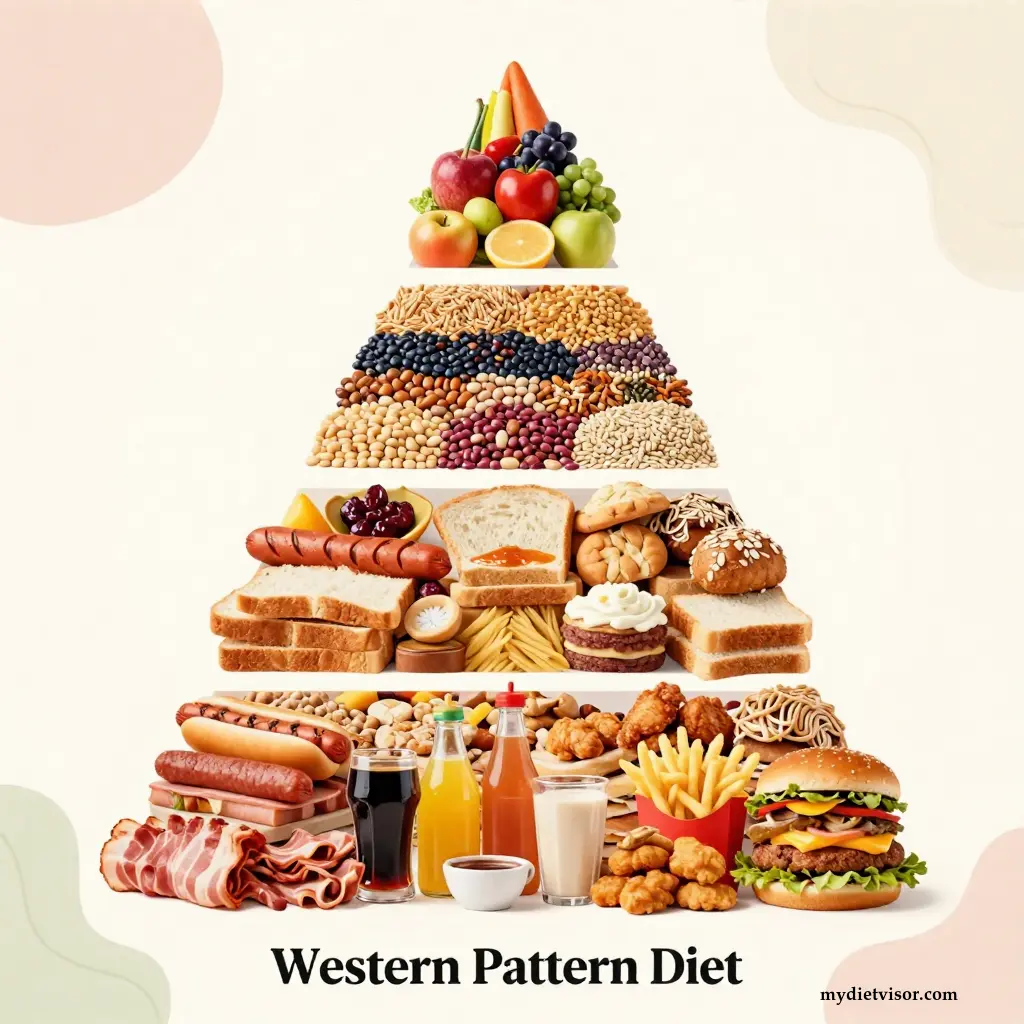
However, these nutritional advantages come at a cost. The high sugar content and refined carbohydrates found in processed foods lead to rapid spikes in blood glucose levels, followed by crashes that can leave individuals feeling fatigued and hungry shortly after eating. This cycle not only promotes overeating but also contributes to the development of insulin resistance and type 2 diabetes.
Comparative Analysis
To better understand the nutritional benefits versus drawbacks, let’s compare two meals:
| Meal | Western Meal | Balanced Diet Meal |
|---|---|---|
| Main Course | Burger with fries | Grilled chicken breast with quinoa salad |
| Beverage | Cola | Iced green tea |
| Snack | Chocolate chip cookies | Fresh strawberries and almond butter |
The Western meal provides a large amount of calories but lacks essential nutrients such as fiber, vitamins, and minerals. In contrast, the balanced diet meal offers sustained energy with a lower caloric load while providing comprehensive nutritional support.
Nutritional Drawbacks
One of the most significant drawbacks is the high sodium content in processed foods, which can lead to hypertension and increased risk for cardiovascular diseases. Foods like frozen dinners, canned soups, and fast food items often contain more than 600 mg of sodium per serving – well above recommended daily intake levels.
Another critical issue lies with the low dietary fiber content in Western diets. Whole grains, fruits, and vegetables are vital sources of fiber that aid digestion, regulate blood sugar levels, and reduce cholesterol absorption. However, these foods are largely absent from typical Western meals, leading to digestive issues such as constipation and a higher risk for colon cancer.
Mitigating Factors
Despite the numerous drawbacks, there are steps individuals can take to mitigate negative health impacts:
- Incorporate More Whole Foods: Gradually replace processed snacks with fruits, nuts, and whole grains.
- Choose Lean Proteins: Opt for fish, poultry, beans, and legumes over red meat and processed meats.
- Limit Sugary Beverages: Replace sodas and sugary drinks with water or herbal teas.
- Read Labels Carefully: Be mindful of sodium, sugar, and fat content when purchasing packaged foods.
By making conscious dietary choices and integrating healthier food groups into daily meals, it is possible to reduce the adverse effects associated with Western diets while still enjoying some of its benefits in moderation.
Reflection
Considering these insights, how might you begin incorporating more whole foods into your diet? What small changes can you make today to start shifting towards a healthier eating pattern?
Did you know that swapping one serving of red meat for legumes or nuts each day could reduce the risk of type 2 diabetes by up to 35%?
Reflecting on these questions and fun facts, it becomes clear how small adjustments can lead to significant improvements in overall health.
Sample Meal Plan Avoiding Negative Effects of the Western Diet
To effectively avoid the negative effects associated with the Western pattern diet, it is essential to create a meal plan that emphasizes whole foods and minimizes processed products. This approach ensures you receive all necessary nutrients while reducing your risk of chronic diseases.
Breakfast: Nutrient-Rich Start
A healthy breakfast sets the tone for the day by providing sustained energy and important vitamins and minerals. Consider options like:
- Oatmeal topped with fresh berries, sliced almonds, and a dollop of Greek yogurt.
- A smoothie made with spinach, banana, peanut butter, and almond milk.
These meals are packed with fiber, protein, healthy fats, and antioxidants while being low in added sugars and unhealthy fats. They provide a balance that keeps you full and energized throughout the morning.
Lunch: Balanced Composition
Lunch should offer a mix of carbohydrates, proteins, and healthy fats to maintain stable blood sugar levels and support overall health. Opt for meals like:
- Grilled chicken or tofu salad with mixed greens, cherry tomatoes, cucumbers, and a vinaigrette dressing.
- Quinoa bowl topped with black beans, corn, avocado slices, shredded carrots, and a squeeze of lime juice.
Such combinations ensure you receive adequate amounts of dietary fiber and essential vitamins from vegetables and legumes while also enjoying lean protein sources. This variety helps in preventing monotony and encourages the consumption of nutritious foods consistently.
Dinner: Heart-Healthy Choices
Choosing heart-healthy options for dinner is crucial to avoid the negative impacts of high-fat and processed meals commonly associated with Western diets. Consider dishes like:
- Baked salmon served with steamed broccoli and brown rice.
- Grilled chicken breast paired with a side salad of mixed greens, cherry tomatoes, and olive oil dressing.
These meals focus on lean proteins, whole grains, and plenty of vegetables that are rich in antioxidants and other beneficial nutrients. Avoiding fried or breaded meats and opting for natural cooking methods like grilling, baking, or steaming can significantly reduce the intake of unhealthy fats.
Snacks: Healthful Alternatives
Healthy snacking is a vital part of maintaining balanced nutrition without falling into the trap of calorie-dense but nutrient-poor snacks. Some good options include:
- A handful of raw almonds and an apple.
- Hummus with sliced carrots, celery sticks, and bell peppers.
- Air-popped popcorn sprinkled with nutritional yeast or a sprinkle of sea salt.
These snack ideas are simple, easy to prepare, and provide necessary fiber, healthy fats, and vitamins without the added sugars and unhealthy fats found in processed snacks. They also keep you feeling satisfied between meals.
Beverages: Hydration and Nutrition
Choosing the right beverages is equally important as selecting food items for a balanced diet. Opt for:
- Filtered water flavored with lemon or cucumber slices.
- Herbal teas, such as green tea or chamomile, which offer antioxidants without added sugars.
- Freshly squeezed juices from fruits like oranges, grapefruits, and berries.
These options not only hydrate your body but also provide vitamins, minerals, and antioxidants necessary for optimal health. Staying away from sugary drinks and opting for natural alternatives can significantly reduce daily sugar intake.
Conclusion on Meal Plan
By following a meal plan that emphasizes whole foods over processed items, you take proactive steps towards mitigating the adverse effects of Western diets. Each meal should be crafted to include essential nutrients while avoiding excess calories and unhealthy fats. This approach not only supports better health outcomes but also promotes sustainable eating habits.
A study showed that replacing just one serving of red meat per day with nuts could lower your risk of type 2 diabetes by up to 35%. Small changes like this can have a significant impact on long-term health.
Considering these meal ideas, which ones resonate with you the most? How might you start incorporating them into your daily routine?
How Does the Western Diet Compare to Other Diets Like Mediterranean or Paleo?
The Western pattern diet stands in stark contrast to healthier, more traditional dietary models such as the Mediterranean and Paleo diets. These alternative approaches emphasize whole foods, nutrient density, and a focus on ancestral eating patterns that prioritize health benefits over convenience.
Comparative Analysis
To better understand these differences, let’s delve into how each of these diets compares to the Western diet:
Mediterranean Diet
The Mediterranean diet is renowned for its emphasis on fruits, vegetables, whole grains, legumes, nuts, and seeds. It also includes a moderate amount of dairy products, fish, poultry, eggs, and red wine in moderation. This dietary model avoids processed foods, sugars, and unhealthy fats that are staples of the Western diet.
| Nutrient | Western Diet | Mediterranean Diet |
|---|---|---|
| Protein Source | Red meat, processed meats | Fish, poultry, legumes |
| Carbohydrates | Refined grains and sugars | Whole grains, vegetables |
| Fats | Saturated fats from dairy and red meat | Olive oil, nuts |
| Fiber | Low | High |
| Sodium | High | Moderate |
The Mediterranean diet offers a balanced intake of macronutrients while focusing on heart-healthy fats like olive oil and emphasizing dietary fiber. Its high nutrient density supports long-term health benefits such as reduced risks for cardiovascular disease, type 2 diabetes, and obesity.
Paleo Diet
The Paleo diet is based on the eating patterns of our Paleolithic ancestors before agriculture developed. It excludes dairy products, grains, processed sugars, and refined oils while focusing on lean meats, fish, fruits, vegetables, nuts, and seeds.
| Nutrient | Western Diet | Paleo Diet |
|---|---|---|
| Protein Source | Red meat, processed meats | Wild game, fish |
| Carbohydrates | Refined grains and sugars | Fruits, vegetables |
| Fats | Saturated fats from dairy and red meat | Monounsaturated and polyunsaturated fats |
| Fiber | Low | High |
The Paleo diet avoids many of the processed foods and additives found in Western diets. Instead, it focuses on whole foods that are naturally rich in nutrients without added sugars or unhealthy fats. This diet can help reduce inflammation and improve metabolic health by avoiding common allergens like dairy and grains.
Health Implications
Both the Mediterranean and Paleo diets offer significant benefits over the Western pattern diet when it comes to long-term health outcomes. These dietary models promote a higher intake of antioxidants, vitamins, minerals, and fiber while reducing exposure to unhealthy fats and sugars that contribute to chronic diseases.
Heart Health
- The high consumption of omega-3 fatty acids in both diets (from fish and nuts) supports heart health.
- Reducing saturated fats and increasing unsaturated fats lowers the risk of cardiovascular disease more effectively than a Western diet rich in processed meats and dairy products.
Weight Management
- Both diets encourage whole foods that are naturally lower in calories but higher in satiety-inducing nutrients like fiber, leading to better weight management.
- By eliminating sugary drinks and refined grains, these diets reduce the likelihood of overeating and subsequent obesity.
Cultural and Practical Considerations
While the Mediterranean diet is easier to sustain for many individuals due to its flexibility and variety, the Paleo diet might be more restrictive but offers clear guidelines that can simplify meal planning. However, both diets require a significant shift away from processed foods and fast food culture prevalent in Western societies.
Adopting Healthier Habits
Making the switch from a Western diet to either the Mediterranean or Paleo diet involves more than just changing what you eat; it requires adopting new habits and perspectives on nutrition. Embracing whole foods, cooking at home, and prioritizing meal quality over quantity can be challenging but rewarding.
Did you know that adhering to a Mediterranean-style diet could increase your lifespan by up to 4 years compared to following Western dietary patterns?
Considering these insights, which dietary model seems more appealing or feasible for you? How might you start integrating elements of the Mediterranean or Paleo diets into your current eating habits?
By exploring how the Western diet compares to healthier alternatives like the Mediterranean and Paleo diets, we can better understand the benefits and practicalities of transitioning towards a diet that supports long-term health and well-being.
Environmental Impact of Consuming a Western-Style Diet
The rapid adoption of the Western pattern diet around the world is not only affecting individual health but also having profound environmental consequences. This dietary shift, fueled by globalization and economic growth, has led to significant changes in how food is produced, processed, and consumed globally. As developing countries embrace these diets, they face a new set of challenges related to sustainability and resource management.
Greenhouse Gas Emissions
One of the most concerning aspects of Western-style diets is their contribution to climate change through increased greenhouse gas emissions (GHGs). The production and transportation of foods like meat, dairy products, and processed snacks often involve complex supply chains that are energy-intensive. For instance, beef and lamb farming have a disproportionately high carbon footprint compared to plant-based proteins due to the release of methane during digestion by livestock.
Moreover, urbanization has led to an increase in food miles – the distance traveled by food from production sites to consumers. This means that fresh produce, which is often sourced locally in traditional diets, now travels long distances, adding to transportation-related emissions. The reliance on packaged and processed foods also increases the demand for plastic packaging, contributing further to environmental degradation.
Land Use and Biodiversity Loss
The Western diet’s preference for meat and dairy products has significant implications for land use patterns worldwide. To meet the growing global demand for these items, large areas of forests are cleared for pastureland or to grow feed crops like soybeans and corn. This deforestation not only releases stored carbon but also destroys habitats that support diverse wildlife populations.
Furthermore, intensive farming practices used in raising cattle and pigs often lead to soil degradation and water pollution from runoff containing fertilizers and pesticides. The environmental impact of these agricultural methods can be devastating over time, affecting local ecosystems and the broader planet’s health.
Water Scarcity
Water is a critical resource that becomes increasingly scarce due to intensive farming practices associated with Western-style diets. Livestock production requires large amounts of water for drinking, cleaning facilities, and irrigating feed crops. Additionally, processing and packaging foods also consume substantial quantities of fresh water resources.
In regions where water scarcity is already an issue, the increased demand from food production exacerbates existing problems. For example, in parts of India and China, over-extraction of groundwater for agriculture has led to severe depletion of aquifers, threatening both agricultural productivity and local communities’ access to clean drinking water.
Marine Ecosystems
The Western diet’s preference for certain types of seafood can have detrimental effects on marine ecosystems. Overfishing is a major concern in coastal waters where fish are harvested at unsustainable rates to meet global demand. This not only depletes fish populations but also disrupts entire oceanic food chains, affecting the biodiversity and health of aquatic life.
Aquaculture practices, while intended to supplement wild-caught seafood supplies, often come with their own set of environmental issues. Fish farms can lead to pollution through waste discharge, contribute to habitat destruction due to coastal development for facilities, and introduce non-native species into marine environments, causing ecological imbalances.
Conclusion on Environmental Impact
The adoption of Western-style diets carries significant environmental costs that extend beyond individual health concerns. The shift towards these dietary patterns is linked to increased greenhouse gas emissions, land use changes, water scarcity issues, and harm to marine ecosystems. Addressing these challenges requires a holistic approach that considers both public health and sustainability goals.
Understanding the broader impacts of our food choices can motivate individuals and policymakers alike to support more environmentally friendly alternatives like plant-based diets or sustainably sourced proteins. By making informed decisions about what we eat and how it is produced, we can work towards a healthier planet while also promoting better individual health outcomes.
Did you know that beef production alone accounts for around 14% of global GHG emissions? This underscores the significant environmental impact of dietary choices that prioritize meat consumption.
Considering these facts, what steps would you take to reduce your diet’s environmental footprint? How might you start incorporating more sustainable food sources into your meals?
Alternative or Similar Diets to the Western Diet
As awareness grows about the negative impacts of the Western pattern diet, many people are turning towards alternative diets that prioritize whole foods, nutrient density, and sustainability. These dietary models offer healthier options while also addressing environmental concerns associated with modern eating habits.
Veganism and Vegetarianism
Vegan and vegetarian diets represent significant departures from the Western pattern diet by eliminating meat and other animal products entirely or partially. Vegans exclude all animal-derived foods including dairy, eggs, and honey, focusing instead on plant-based sources of protein, vitamins, and minerals. This dietary approach not only promotes heart health but also reduces environmental impacts linked to livestock farming.
Vegetarians typically avoid meat and fish but may consume dairy products and eggs (lacto-ovo vegetarians) or exclude only red meats while including poultry and seafood (pescatarianism). Both vegetarian diets emphasize the consumption of legumes, whole grains, fruits, vegetables, nuts, seeds, and soy-based products. These dietary patterns are associated with lower risks of chronic diseases such as heart disease, type 2 diabetes, and certain cancers.
Flexitarian Diet
The flexitarian diet, also known as a semi-vegetarian diet, encourages the consumption of mostly plant-based foods while allowing for occasional meat intake. This approach is more flexible than strict vegetarianism but still promotes health benefits associated with reducing overall meat consumption. By integrating fruits, vegetables, whole grains, and legumes into daily meals, flexitarians can achieve balanced nutrition without fully eliminating animal products.
Whole Food Plant-Based Diet
A whole food plant-based (WFPB) diet focuses on unprocessed or minimally processed foods derived from plants. This dietary model excludes all meat, dairy, eggs, and refined sugars while emphasizing the intake of vegetables, fruits, legumes, nuts, seeds, and whole grains. Proponents argue that this approach leads to optimal health outcomes by providing a high nutrient density with minimal exposure to harmful additives and preservatives common in processed foods.
Ketogenic Diet
The ketogenic diet is another alternative dietary model gaining popularity for weight loss and metabolic improvement. This low-carbohydrate, high-fat diet encourages the consumption of healthy fats like avocado, olive oil, nuts, seeds, and full-fat dairy products while drastically reducing carbohydrate intake. The goal is to induce ketosis, a state where the body burns fat for energy instead of glucose from carbohydrates.
While the ketogenic diet can lead to rapid weight loss and improved blood sugar control in some individuals, it may be challenging to sustain long-term due to its restrictive nature and potential nutrient deficiencies if not properly planned. Additionally, the high-fat content of this diet could pose cardiovascular risks for certain populations.
Comparative Analysis
To illustrate how these alternative diets compare with the Western pattern diet:
| Diet | Food Focuses |
|---|---|
| Western Diet | Processed foods, refined grains, red meat, sugary drinks |
| Vegan/Vegetarian Diets | Fruits, vegetables, whole grains, legumes, nuts, seeds |
| Flexitarian Diet | Plant-based foods with occasional animal products |
| Whole Food Plant-Based | Unprocessed plant-based foods, minimal processed items |
| Ketogenic Diet | Healthy fats, low carbohydrate intake |
Each of these dietary models offers unique benefits and challenges. While the Western diet provides convenience and variety through readily available processed foods, it falls short in terms of long-term health outcomes and environmental sustainability.
Health Benefits
Alternative diets like veganism, vegetarianism, flexitarianism, whole food plant-based eating, and even moderate ketogenic approaches offer numerous health benefits over the typical Western pattern diet. These include:
- Heart Health: Reduced risks for cardiovascular diseases due to lower intakes of saturated fats and cholesterol.
- Weight Management: Helps in achieving and maintaining a healthy weight by promoting satiety-inducing foods with high fiber content.
- Blood Sugar Control: Can improve insulin sensitivity and reduce the risk of developing type 2 diabetes.
Practical Considerations
Transitioning from a Western diet to one of these alternatives can be challenging due to cultural norms, social pressures, and personal preferences. However, by gradually incorporating more whole foods and reducing processed items, individuals can make sustainable changes that support long-term health goals while also benefiting the environment.
Tips for Transition
- Start Small: Begin with simple swaps like replacing sugary drinks with water or adding a handful of nuts as a snack instead of chips.
- Meal Planning: Prepare meals in advance to avoid impulsive choices based on convenience.
- Seek Support: Join community groups or forums dedicated to alternative diets for motivation and advice.
Considering these insights, which dietary model might resonate most with your lifestyle? How could you start integrating healthier food options into your daily routine?
A study found that people who followed a Mediterranean-style diet had a 30% lower risk of developing type 2 diabetes compared to those on the Western diet.
Reflecting on these questions and fun facts, it becomes clear how small changes can lead to significant improvements in overall health while also benefiting the planet.
Summary: Understanding the Impacts and Alternatives to the Western Pattern Diet
In conclusion, the Western pattern diet, characterized by its reliance on processed foods, refined grains, high-fat dairy products, and red meat, poses significant health and environmental challenges. While it offers convenience and variety, the long-term impacts are alarming, contributing to obesity, cardiovascular disease, type 2 diabetes, and other chronic conditions. The shift towards this dietary model, especially in developing countries due to globalization and economic growth, underscores the urgent need for change. By adopting healthier alternatives such as veganism, vegetarianism, or a whole food plant-based diet, individuals can reduce their risk of chronic diseases while also mitigating environmental damage. Embracing these diets requires awareness, gradual shifts towards whole foods, and support from communities and policymakers to create sustainable and nutritious eating habits for the future.
Frequently Asked Questions (FAQ)
What is the Western pattern diet?
The Western pattern diet is characterized by high intakes of processed foods, red meat, added sugars, and saturated fats, while having low intakes of fruits, vegetables, whole grains, and nuts.
Why should I be concerned about the Western diet?
You should be concerned because this dietary pattern has been linked to chronic diseases such as obesity, type 2 diabetes, cardiovascular disease, and certain cancers. Adopting a healthier diet can significantly reduce these risks.
Can I still enjoy my favorite foods if I avoid the Western diet?
Yes! You can still enjoy delicious meals by focusing on whole foods like fruits, vegetables, lean proteins, and whole grains. There are many tasty recipes that incorporate these ingredients without sacrificing flavor or satisfaction.
How does the Western diet affect gut health?
The Western diet is associated with reduced diversity in gut microbiota due to high consumption of processed foods and low intake of fiber-rich plant-based foods, which can negatively impact digestive health.
Are there any specific nutrients I should focus on avoiding for better health?
To improve your health, you might want to limit your intake of saturated fats, trans fats, added sugars, and refined grains. These nutrients are abundant in the Western diet but are not beneficial for long-term health.
What are some easy meal ideas that avoid the pitfalls of a Western diet?
Try incorporating more salads, stir-fried vegetables with lean meats or tofu, smoothies packed with fruits and greens, and homemade soups using plenty of fresh ingredients. These meals are both delicious and healthy.
How can I transition from a Western diet to healthier eating habits without feeling deprived?
Gradually increase your intake of whole foods like fruits, vegetables, nuts, seeds, and legumes while reducing processed snacks and fast food. Experiment with new recipes and flavor combinations to keep meals interesting and satisfying.
What are the main benefits of shifting away from a Western dietary pattern?
Shifting away from the Western diet can lead to reduced inflammation, better metabolic health, lower risk of chronic diseases like diabetes and heart disease, improved gut microbiota diversity, and enhanced overall well-being.
Can I still indulge in treats while following healthier eating habits?
Absolutely! You can enjoy occasional indulgences as long as they are balanced with nutritious meals throughout the week. Moderation is key to maintaining a healthy lifestyle without feeling deprived.
How does physical activity complement changes in dietary patterns?
Regular exercise, combined with better nutrition choices, helps boost metabolism, manage weight effectively, and reduce stress levels. It complements healthier eating habits by enhancing overall health benefits.