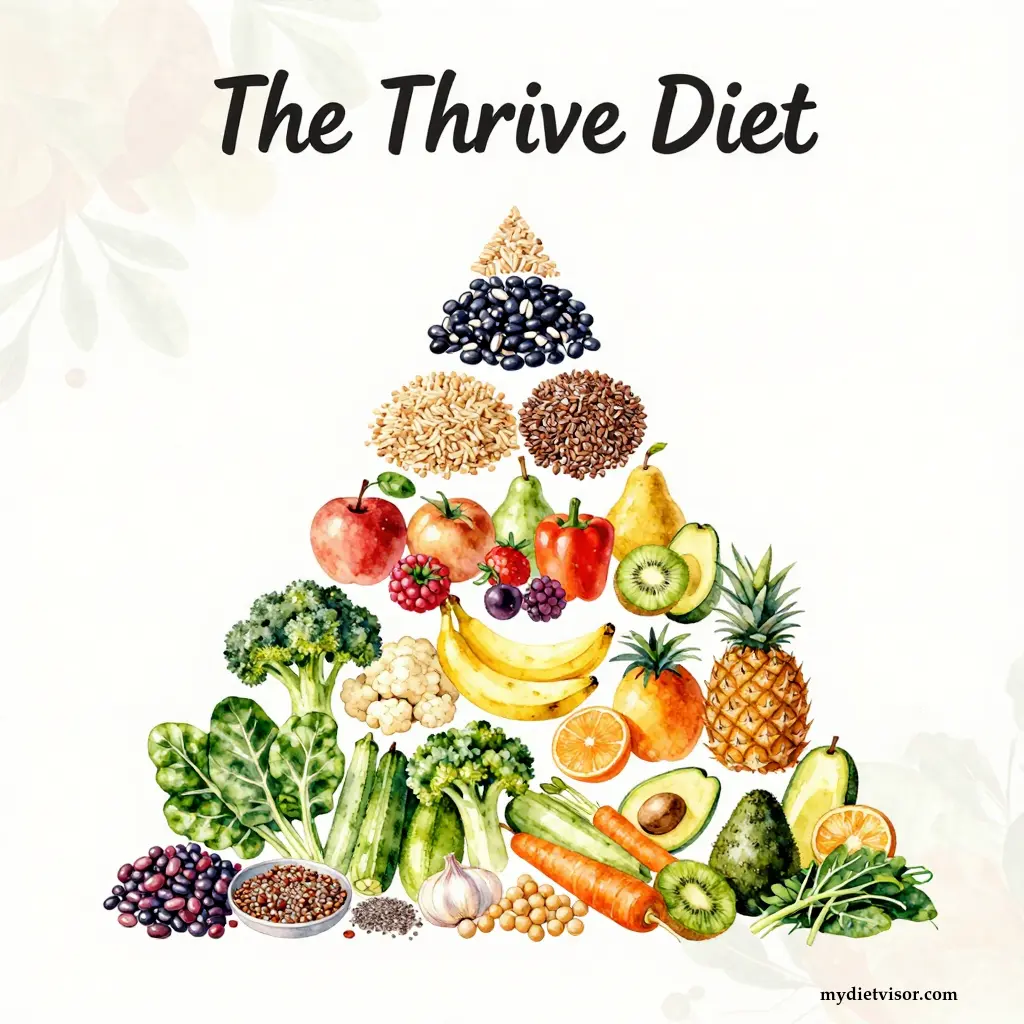
What is The Thrive Diet?
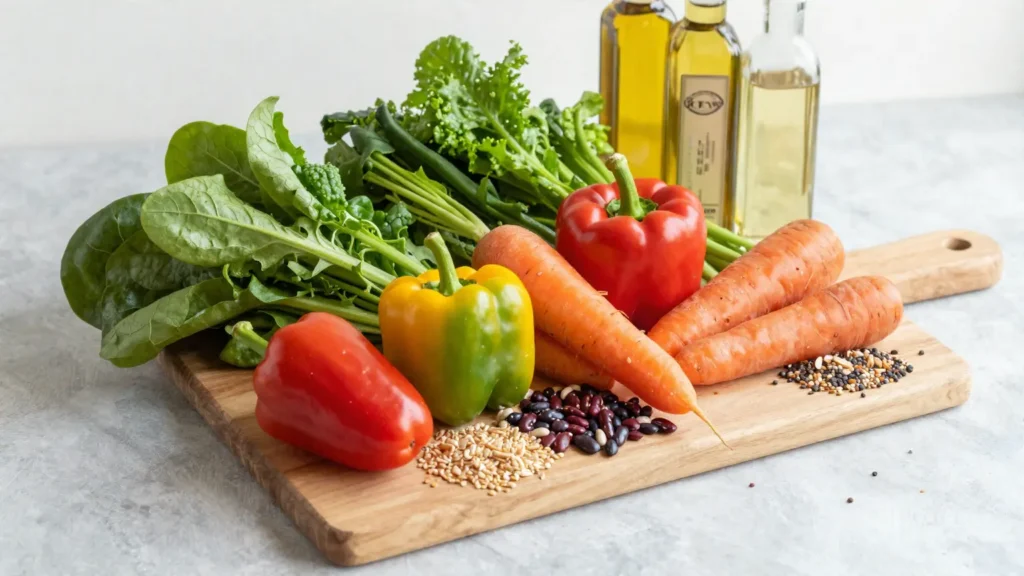
The Thrive Diet is a vegan dietary plan created by Brendan Brazier, a Canadian former endurance athlete turned health advocate. This lifestyle approach emphasizes raw or low-temperature cooked whole foods to promote optimal health and performance. It’s not just another fad; The Thrive Diet offers a deep dive into how specific plant-based foods can enhance your daily life, promising benefits like reduced stress levels, stable blood sugar, and improved cardiovascular health.
At its core, the thrive diet focuses on nourishing your body with nutrient-dense foods that are easy to digest and absorb. Imagine starting your day with a smoothie packed with leafy greens, seeds, and fruits, all blended together for maximum energy without any added sugars or processed ingredients. The concept is simple yet compelling: by choosing whole foods over processed ones, you can significantly improve your health while enjoying delicious meals.
The thrive diet isn’t just about what to eat; it’s also about when to eat. Brendan Brazier suggests eating a high-protein meal within 30 minutes of waking up and again immediately after exercise, followed by smaller, balanced meals throughout the day. This strategy aims to stabilize your blood sugar levels and keep you fueled for your daily activities without feeling sluggish or bloated.
As you explore The Thrive Diet further, you’ll discover a wealth of recipes and meal ideas that showcase how versatile and enjoyable plant-based eating can be. From energy-boosting breakfasts to nutrient-rich dinners, each dish is crafted to help you thrive in both body and mind.
Recommended Food Groups in The Thrive Diet
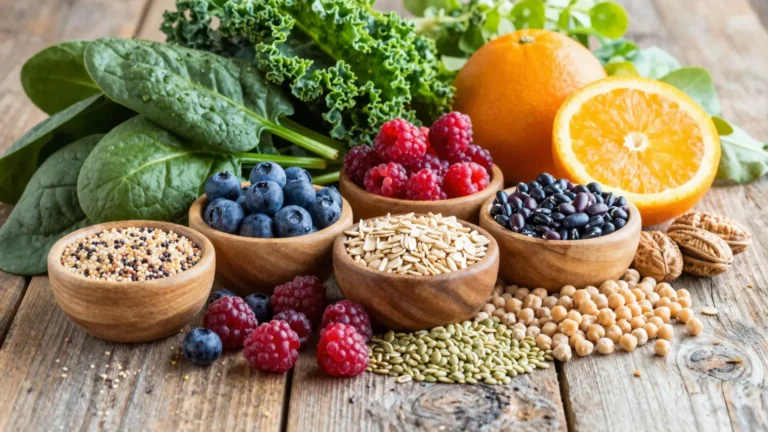
When delving deeper into The Thrive Diet, you’ll find a focus on specific food groups that are essential for optimal health and performance. Brendan Brazier emphasizes the inclusion of nutrient-dense foods such as leafy greens, seeds, beans, fruits, and vegetables. Each of these food categories plays a unique role in providing essential nutrients while keeping your meals interesting and flavorful.
Leafy greens like kale, spinach, and Swiss chard are central to The Thrive Diet due to their high nutrient density and low calorie content. These greens offer vitamins A, C, K, and numerous minerals that support bone health, immune function, and blood clotting. Incorporating leafy greens into your meals is as simple as adding them to smoothies or salads, providing a natural source of energy without the need for added sugars.
Seeds
Seeds like chia, flax, hemp, and pumpkin are highly praised in The Thrive Diet for their protein content, healthy fats, fiber, and essential minerals. Chia seeds, for example, contain omega-3 fatty acids which help reduce inflammation and improve heart health. These seeds can be easily incorporated into your diet by adding them to smoothies or using them as a topping on oatmeal.
Beans
Beans are another cornerstone of the Thrive Diet due to their high protein content and fiber. They provide sustained energy throughout the day while also helping with digestion and stabilizing blood sugar levels. A variety of beans such as black, kidney, and lentils offer different flavors and textures that can be used in soups, salads, or even blended into dips.
Fruits and Vegetables
Fruits like berries, apples, and bananas are rich sources of antioxidants, vitamins, and minerals, making them perfect for adding flavor and nutrition to your meals. Similarly, a wide range of vegetables from broccoli to bell peppers can be included in The Thrive Diet to ensure you get a variety of nutrients essential for health.
By focusing on these food groups, The Thrive Diet encourages you to eat a balanced diet that prioritizes whole foods over processed ones. This approach not only nourishes your body but also supports mental clarity and energy levels throughout the day. As you experiment with different combinations of leafy greens, seeds, beans, fruits, and vegetables, you’ll likely find new favorite meals that keep you feeling vibrant and full of life.
Did you know that adding just one tablespoon of flaxseed to your daily diet can significantly increase your intake of omega-3 fatty acids? These essential fats play a crucial role in reducing inflammation and supporting heart health.
Forbidden or Limited Foods on The Thrive Diet
When considering the Thrive Diet, it’s important to understand which foods are discouraged or limited. Brazier emphasizes avoiding all animal products such as meat, fish, seafood, eggs, and dairy due to their impact on health and environmental sustainability. This exclusion not only removes common allergens but also reduces cholesterol levels and the risk of chronic diseases associated with high saturated fat intake.
Additionally, refined carbohydrates like white bread and sugary snacks are off-limits because they can cause rapid spikes in blood sugar levels, leading to energy crashes later on. Processed foods – including many packaged products that contain preservatives, artificial colors, and flavors – are also restricted as part of the diet’s focus on whole, unprocessed ingredients. These items often lack essential nutrients while contributing excess sodium and unhealthy fats.
The Thrive Diet also advises limiting starchy vegetables like potatoes and corn, which are higher in carbohydrates compared to other veggies. Moderation is key, especially when it comes to these foods, as they can affect blood sugar levels more significantly than non-starchy options. Instead, you’re encouraged to opt for lower-carb alternatives such as leafy greens or broccoli.
While the Thrive Diet encourages a diet rich in raw and low-temperature cooked whole foods, even frequent consumption of low-temp cooked items is discouraged beyond moderate amounts. This restriction emphasizes the importance of maintaining food’s natural nutritional profile by minimizing heat exposure that can degrade essential vitamins and enzymes.
By adhering to these guidelines, you ensure that your meals are not only delicious but also nutritionally balanced and supportive of long-term health goals.
Did you know that eliminating processed foods from your diet for just one week can lead to noticeable improvements in digestion and energy levels?
Nutritional Benefits of Following The Thrive Diet
Following the Thrive Diet can provide a multitude of nutritional benefits that contribute to overall health and wellness. By focusing on nutrient-dense foods such as leafy greens, seeds, beans, fruits, and vegetables, you ensure your body receives essential vitamins, minerals, antioxidants, and fiber.
One significant benefit is improved cardiovascular health. The diet’s emphasis on omega-3 fatty acids from chia and flax seeds helps reduce inflammation and supports heart function. Additionally, the high-fiber content in beans and whole grains can help lower cholesterol levels, further reducing the risk of heart disease.
Another key advantage is stabilized blood sugar levels, which are crucial for maintaining energy throughout the day without experiencing sudden drops or spikes that lead to fatigue or cravings. By avoiding refined carbohydrates and focusing on complex carbs from vegetables and legumes, you keep your insulin levels balanced and avoid the rollercoaster effect of blood glucose.
Furthermore, incorporating a variety of fruits and vegetables ensures adequate intake of essential vitamins and minerals. For instance, vitamin C found in berries helps boost immune function and acts as an antioxidant to protect cells from damage caused by free radicals. Similarly, calcium-rich leafy greens support bone health while also aiding muscle contraction and nerve transmission.
The Thrive Diet’s focus on high-protein meals post-exercise is particularly beneficial for muscle recovery and growth. Proteins like those found in hemp seeds and legumes provide the necessary amino acids required to repair tissue damage after workouts, promoting lean body mass development without relying on animal-based sources.
Comparison Table: Nutritional Benefits of The Thrive Diet vs. Standard Western Diets
| Nutrient | Thrive Diet | Standard Western Diet |
|---|---|---|
| Omega-3 Fatty Acids | Abundant from seeds like chia and flax | Limited, often found in fish oil supplements |
| Fiber | High from vegetables, legumes, whole grains | Low to moderate, often lacking |
| Vitamin C | Rich from berries, citrus fruits | Moderate, often supplemented with synthetic forms |
| Calcium | Abundant from leafy greens and fortified alternatives | Limited, primarily dairy-based |
By adhering to the Thrive Diet’s guidelines on food choices and timing, you can achieve a balanced intake of nutrients that supports various aspects of health, including mental clarity and sustained energy levels. Experimenting with recipes and meal ideas will help you discover new ways to enjoy delicious plant-based foods while reaping these nutritional benefits.
A single serving of spinach provides over 50% of the daily recommended amount of vitamin K, essential for bone health and blood clotting.
Potential Drawbacks and Risks of The Thrive Diet
While The Thrive Diet offers numerous benefits, it’s important to consider the potential drawbacks and risks associated with this vegan lifestyle plan. One significant concern is the risk of nutrient deficiencies, especially for essential nutrients typically found in animal products such as iron, vitamin D, calcium, and B12.
Iron deficiency anemia can be a major issue for individuals following The Thrive Diet since plant-based sources like spinach and lentils contain less bioavailable iron compared to heme iron from meat. Vitamin B12, crucial for nerve function and the production of red blood cells, is primarily found in animal products, leading to potential deficiencies if not properly supplemented.
Another risk involves omega-3 fatty acids, particularly DHA and EPA, which are vital for brain health and heart function but are mostly derived from fish. While The Thrive Diet suggests obtaining these through flaxseeds and chia seeds, the body converts only a small percentage of plant-based ALA to DHA and EPA, potentially leaving individuals with inadequate levels.
Calcium intake, essential for bone health, can be challenging on this diet as well since it primarily recommends leafy greens like kale over dairy products. However, some leafy greens contain oxalates that bind calcium, reducing its absorption. This could lead to potential deficiencies if not balanced carefully with fortified alternatives or other plant-based sources rich in absorbable calcium.
Moreover, vitamin D, critical for bone health and immune function, is predominantly obtained through sunlight exposure and animal products like fish oil and egg yolks. Without adequate sun exposure or supplementation, the risk of deficiency increases, potentially affecting bone density and overall health.
Vitamin A is another nutrient to watch out for as plant-based diets mainly provide beta-carotene, which must be converted into retinol in the body, a process that can vary widely among individuals based on genetic factors. Some people may not efficiently convert enough beta-carotene into active vitamin A, leading to deficiencies if relying solely on plants like carrots and sweet potatoes.
To mitigate these risks, supplementation is often recommended, though it goes against Brendan Brazier’s philosophy of minimizing processed items and synthetic additives. This creates a dilemma for individuals looking to follow The Thrive Diet strictly without compromising their nutritional needs.
Additionally, the restrictive nature of the diet may lead to social challenges, making dining out or attending events where food choices are limited difficult. Adhering to such strict guidelines can also be psychologically demanding, potentially leading to feelings of isolation and anxiety for some individuals.
It’s crucial to consult with a healthcare provider before starting The Thrive Diet, especially if you have specific health conditions like thyroid disorders or kidney disease, as certain nutritional deficiencies could exacerbate these issues. Tailoring the diet under professional guidance can help ensure that all necessary nutrients are included without risking long-term health consequences.
Did you know that some people need to consume up to 8 times more beta-carotene from plant sources compared to others to meet their daily vitamin A requirements due to genetic differences in conversion efficiency?
Sample Meal Plan for a Day on The Thrive Diet
Embarking on the Thrive Diet means embracing a daily routine centered around nutrient-dense, whole foods. A typical day might start with an energizing breakfast followed by balanced lunches, snacks, and dinners designed to keep you fueled without feeling weighed down.
Breakfast: Green Energy Smoothie
Kickstart your morning with a Green Energy Smoothie that combines the benefits of leafy greens, seeds, and fruits for a powerful nutritional punch. Simply blend together:
- 1 cup spinach or kale
- ½ avocado
- 1 tablespoon chia seeds
- ½ banana
- 1 apple (cut into chunks)
- A handful of blueberries
- 1 tbsp hemp protein powder
- 1 cup unsweetened almond milk
This smoothie is not only packed with vitamins and minerals but also provides a steady supply of energy without the need for added sugars. The combination of healthy fats from avocados and chia seeds, along with fiber from fruits and leafy greens, ensures you stay satiated until lunchtime.
Mid-Morning Snack: Apple Cider Vinegar Drink
A mid-morning snack can be as simple as a glass of water mixed with apple cider vinegar. Not only does this drink aid in digestion but it also helps stabilize blood sugar levels and curb cravings. Aim for about 1-2 tablespoons of raw, unfiltered apple cider vinegar in an 8-ounce glass of warm or room temperature water.
Lunch: Quinoa Salad
Lunch can be a refreshing salad packed with quinoa, beans, seeds, and vegetables to provide a balanced mix of nutrients. Here’s a quick recipe for a Quinoa Salad:
Ingredients:
- 1 cup cooked quinoa (cooked in vegetable broth)
- ½ cup chickpeas (drained and rinsed)
- ¼ cup pumpkin seeds
- Mixed greens (spinach, arugula, or kale)
- Cherry tomatoes, halved
- Cucumber slices
Toppings:
- Lemon juice
- Olive oil
- Salt and pepper to taste
Mix the cooked quinoa with chickpeas, pumpkin seeds, mixed greens, cherry tomatoes, and cucumber. Dress it up with a light dressing made from lemon juice, olive oil, salt, and pepper for flavor without overpowering the natural taste of ingredients.
Afternoon Snack: Chia Seed Pudding
In between meals, you might crave something sweet yet nutritious. A chia seed pudding is an excellent choice that provides sustained energy. Just mix 2 tablespoons chia seeds with ½ cup unsweetened almond milk overnight or for at least an hour before serving.
Top the pudding with fresh berries and a sprinkle of cinnamon for added flavor and antioxidants. This snack is perfect for stabilizing blood sugar levels while providing essential omega-3 fatty acids from chia seeds.
Dinner: Bean and Vegetable Stir-Fry
Dinner should be hearty yet light, focusing on vegetables, beans, and whole grains to ensure you end the day feeling satisfied without heaviness. A Bean and Vegetable Stir-Fry is a great option:
Ingredients:
- 1 cup cooked black or kidney beans (rinsed)
- Assorted vegetables like bell peppers, broccoli, carrots
- 2 tablespoons sesame oil
- Soy sauce or tamari
- Garlic cloves, minced
Cook the vegetables in sesame oil with minced garlic until tender. Add the cooked beans and toss everything together with a splash of soy sauce or tamari for seasoning.
Evening Snack: Herbal Tea
Finish your day with a soothing herbal tea like chamomile or peppermint to aid digestion and promote relaxation before bedtime. These teas not only comfort but also support better sleep, which is crucial for overall health and recovery.
Following this meal plan throughout the day can help you experience firsthand how The Thrive Diet promotes sustained energy levels, stable blood sugar, and improved digestion – all while providing a variety of delicious flavors and textures.
Did you know that adding a tablespoon of ground flaxseed to your daily diet can significantly boost your intake of omega-3 fatty acids, essential for reducing inflammation in the body?
Who Can Benefit from the Thrive Diet?
The Thrive Diet can be particularly beneficial for a variety of individuals looking to improve their health through plant-based nutrition. Whether you are dealing with specific health issues or simply seeking to enhance your overall well-being, this dietary plan offers tailored benefits that cater to diverse needs.
Individuals with Chronic Conditions
People suffering from chronic conditions such as high blood pressure, heart disease, and diabetes may find significant improvements by adopting The Thrive Diet. The diet’s focus on nutrient-dense foods like leafy greens, seeds, beans, fruits, and vegetables can help stabilize blood sugar levels and reduce cholesterol, contributing to better cardiovascular health. For instance, studies have shown that a plant-based diet can lower systolic blood pressure by an average of 7 points, which is substantial in managing hypertension.
Athletes and Fitness Enthusiasts
Athletes and fitness enthusiasts often require diets rich in protein and complex carbohydrates for sustained energy and recovery. The Thrive Diet provides these essential nutrients through whole food sources, such as beans, seeds, and leafy greens, without relying on processed foods or animal products. This approach helps athletes maintain high performance levels while minimizing inflammation associated with overtraining.
Individuals Seeking Weight Loss
Those looking to lose weight can benefit from The Thrive Diet’s emphasis on nutrient-dense, low-calorie options that keep you full and satisfied throughout the day. By focusing on foods like leafy greens, seeds, beans, fruits, and vegetables, individuals can reduce calorie intake without feeling deprived or hungry. Research indicates that a diet high in fiber and protein from plant-based sources supports long-term weight loss more effectively than low-fat diets.
Environmental Concerns
For those concerned about the environmental impact of their food choices, The Thrive Diet offers an eco-friendly alternative to conventional meat-heavy diets. By eliminating animal products, reducing refined carbohydrates, and focusing on whole foods, you can significantly lower your carbon footprint. Animal agriculture is responsible for a significant portion of global greenhouse gas emissions, making plant-based diets like the Thrive Diet a sustainable choice.
People with Food Sensitivities
Individuals who experience food allergies or sensitivities often find relief by adopting a diet that eliminates common allergens such as dairy, eggs, and gluten. The Thrive Diet’s focus on whole foods avoids these potential triggers while still providing all necessary nutrients. Many people report improvements in digestion and energy levels after switching to this diet, indicating its suitability for those with food sensitivities.
Health Enthusists
Finally, health enthusiasts looking to boost their overall wellness without strict dietary restrictions will find The Thrive Diet appealing. By incorporating a wide variety of whole foods into your daily meals, you can achieve balanced nutrition that supports mental clarity and sustained energy levels throughout the day. The diet’s flexibility allows for creativity in meal planning, ensuring that eating healthily remains enjoyable and sustainable.
Whether you are dealing with specific health challenges or simply want to enhance your well-being through better food choices, The Thrive Diet offers a versatile and nutrient-rich approach to plant-based living.
Alternative Diets to Consider Compared to The Thrive Diet
When exploring vegan diets, there are several alternatives that share similar goals but offer different approaches and nutritional profiles. Here’s a look at some of these options:
Plant-Based Flexitarian Diet
The flexitarian diet is a plant-based approach that allows for occasional consumption of meat and dairy products, making it more flexible compared to The Thrive Diet’s strict vegan guidelines. This diet emphasizes whole foods but offers the flexibility to enjoy animal proteins occasionally without feeling restricted.
| Flexitarian Diet | Thrive Diet |
|---|---|
| Occasional Animal Products Allowed | Strictly Vegan |
| Flexibility in Food Choices | Focus on Raw and Low-Temp Cooked Foods |
The flexitarian diet is particularly appealing to those who want the benefits of a plant-based diet but find it challenging to adhere strictly to vegan principles. It’s also beneficial for individuals looking to reduce their environmental impact while maintaining some dietary flexibility.
Macrobiotic Diet
Another option to consider is the macrobiotic diet, which focuses on whole grains, vegetables, and beans with minimal use of processed foods. This diet emphasizes balance in eating, incorporating various grains like brown rice and millet alongside a variety of seasonal vegetables and legumes.
| Macrobiotic Diet | Thrive Diet |
|---|---|
| Focus on Whole Grains and Vegetables | Emphasis on Raw and Low-Temp Cooked Foods |
| Seasonal Eating | Nutrient-Dense Plant-Based Meals |
While both diets discourage processed foods, The Thrive Diet specifically prioritizes raw or low-temperature cooking to preserve nutrients. In contrast, the macrobiotic diet focuses more broadly on whole grains and seasonal vegetables for a balanced approach.
Raw Food Vegan Diet
The raw food vegan diet shares similarities with The Thrive Diet in its focus on uncooked foods but takes it further by eliminating all cooked items beyond minimal heating. This diet includes fruits, nuts, seeds, sprouts, and vegetable juices but excludes any heated plant-based products.
| Raw Food Vegan Diet | Thrive Diet |
|---|---|
| Strict Raw Foods Only | Raw or Low-Temp Cooked Foods |
| No Heated Ingredients Allowed | Flexibility with Low-Temperature Cooking |
Unlike The Thrive Diet, which allows for some low-temperature cooking, the raw food vegan diet strictly adheres to uncooked foods only. This can be challenging but offers unique benefits such as increased enzyme activity and potentially higher nutrient retention.
Whole Food Plant-Based (WFPB) Diet
The whole food plant-based (WFPB) diet is similar in its emphasis on whole, unprocessed plant foods but differs slightly in the types of foods it prioritizes. This diet focuses more heavily on a wide variety of vegetables, fruits, legumes, and grains while minimizing added fats.
| Whole Food Plant-Based Diet | Thrive Diet |
|---|---|
| Emphasis on Wide Variety of Foods | Focus on Specific Nutrient-Dense Groups |
| Minimal Added Fats | Rich in Seeds for Healthy Fats |
The WFPB diet encourages a diverse intake of plant-based foods, whereas The Thrive Diet has a stronger emphasis on specific food groups like leafy greens and seeds. This can be an appealing option for those looking to simplify their diets without strict limitations.
Conclusion
Each of these alternative vegan diets offers unique benefits and challenges that may suit different individuals better than The Thrive Diet. Whether you prefer flexibility, focus on whole grains, emphasize raw foods exclusively, or prioritize a wide variety of plant-based options, there is a diet out there to meet your specific needs and preferences.
Which one resonates with you the most? Consider experimenting with these diets to find what works best for your lifestyle and health goals.
How to Start the Thrive Diet Gradually
Starting a new diet can feel overwhelming, especially when transitioning from a standard Western diet rich in processed foods and animal products. The key to successfully adopting The Thrive Diet is to approach it gradually, making small changes that are sustainable over time.
Begin by identifying one meal each day where you can replace an item with a plant-based alternative. For example, if your morning routine includes eggs or yogurt for breakfast, try swapping them out for a green smoothie made with leafy greens and fruits. This simple change not only introduces new flavors but also helps you get accustomed to the taste of fresh produce.
Another effective strategy is to incorporate one Thrive Diet recipe into your weekly meal plan. For instance, start with preparing a delicious quinoa salad or bean stir-fry for dinner instead of your usual meat-based dish. This allows you to enjoy new and exciting flavors without feeling like you are completely overhauling your diet all at once.
As you become more comfortable with the Thrive Diet’s principles, increase the number of plant-based meals in your routine. Slowly transition other meals throughout the week to a plant-centric approach, focusing on nutrient-dense foods like leafy greens, seeds, beans, fruits, and vegetables. By doing this incrementally, you can better understand what works best for your body and taste preferences.
Adding just one tablespoon of chia seeds to your daily diet can provide an impressive amount of omega-3 fatty acids, which are crucial for reducing inflammation and supporting heart health.
It’s also beneficial to focus on replacing processed foods with whole foods. Instead of reaching for a bag of chips or sugary snacks when hunger strikes, opt for healthier alternatives like raw nuts, seeds, or fresh fruit. This shift not only enhances your nutritional intake but also aids in stabilizing blood sugar levels and promoting better digestion.
Incorporating supplements can be an important part of transitioning to The Thrive Diet, especially if you are concerned about potential nutrient deficiencies. Vitamin B12, vitamin D, iron, and omega-3 fatty acids (DHA/EPA) are commonly supplemented by individuals on plant-based diets. While Brendan Brazier recommends minimizing processed items and synthetic additives, consulting with a healthcare provider can help determine whether supplementation is necessary for your individual needs.
Finally, listen to your body throughout this transition period. Pay attention to how you feel after each meal and adjust as needed based on your energy levels, digestive comfort, and overall well-being. The Thrive Diet encourages an intuitive eating approach that emphasizes balance, variety, and moderation in food choices.
By making these gradual changes and embracing the principles of The Thrive Diet, you can set yourself up for long-term success without feeling overwhelmed or deprived. Enjoy exploring new recipes and discovering how a plant-based lifestyle can enhance your health and vitality.
Do you think starting with one meal at a time could help make The Thrive Diet feel more manageable?
Conclusion: Evaluating The Thrive Diet for Your Needs
In summary, The Thrive Diet offers a compelling approach to plant-based eating that focuses on raw and low-temperature cooked whole foods for optimal health. While it promises benefits such as reduced stress levels, stable blood sugar, enhanced cardiovascular health, and weight loss, it also presents challenges like potential nutrient deficiencies without careful planning or supplementation. Whether this diet is right for you depends on your personal health needs, dietary preferences, and lifestyle considerations. By gradually integrating Thrive Diet principles into your routine and consulting with healthcare professionals when necessary, you can determine if this vegan lifestyle plan aligns with your goals for improved well-being.
Frequently Asked Questions (FAQ)
What are some examples of meals I can have on the thrive diet?
On the thrive diet, you can enjoy a variety of meals such as smoothie bowls with leafy greens and fruits, salads packed with beans, seeds, and avocado, or soups made from vegetables and cold-pressed oils. The key is to include high-protein, fiber-rich foods without any animal products.
Can I drink coffee on the thrive diet?
The thrive diet doesn’t specify avoiding coffee outright but focuses more on whole, plant-based foods. Coffee isn’t discouraged as long as it’s not heavily processed or laden with sugars and creams. Opt for black coffee or coffee with natural sweeteners like honey (though this is technically against strict vegan principles) if you’re okay with that.
Is there a specific time of day when I should eat my meals on the thrive diet?
The thrive diet doesn’t enforce rigid meal times but emphasizes eating nutrient-rich foods throughout the day. It’s recommended to space out your meals and snacks, focusing on high-protein options like beans, hemp seeds, or leafy greens.
How do I get enough protein without animal products?
You can meet your daily protein requirements through a combination of legumes (like lentils and chickpeas), nuts, seeds, quinoa, tofu, tempeh, and other plant-based sources. Combining these with whole grains and vegetables ensures you have all the essential amino acids.
Are there any supplements I should consider taking while on the thrive diet?
Although the thrive diet aims to get all nutrients from food alone, some individuals might need to supplement iron, B12, calcium, zinc, or omega-3 fatty acids. Consulting a healthcare provider can help tailor your supplementation needs based on blood tests and dietary analysis.
Can people with kidney disease follow the thrive diet safely?
People with kidney disease should be cautious about following the thrive diet due to restrictions on certain foods high in potassium and phosphorus. It’s important to consult a renal dietitian or doctor for personalized guidance before starting any new diet plan.
What are some snack ideas that fit within the thrive diet guidelines?
Healthy snacks on the thrive diet include apple slices with almond butter, homemade hummus with raw veggies, rice cakes topped with avocado and hemp seeds, or a handful of mixed nuts and dried fruit.
How does the thrive diet impact environmental sustainability compared to other diets?
The thrive diet, being vegan, generally has less environmental impact than diets rich in meat and dairy products. It reduces carbon footprints by lowering greenhouse gas emissions associated with livestock farming.
Can I still eat out while following the thrive diet?
Eating out on the thrive diet can be manageable if you choose vegetarian or vegan restaurants and opt for dishes that align with plant-based principles, avoiding animal-derived ingredients like cheese, eggs, honey, and meat products.
Is it possible to gain weight on a thrive diet?
It’s possible to gain weight on any dietary plan, including the thrive diet. The key is balancing your calorie intake with your energy expenditure. Since the thrive diet emphasizes nutrient-dense foods rather than strict caloric limitations, mindful portion control and regular exercise are important for maintaining a healthy weight.