What Is the Volumetrics Diet?
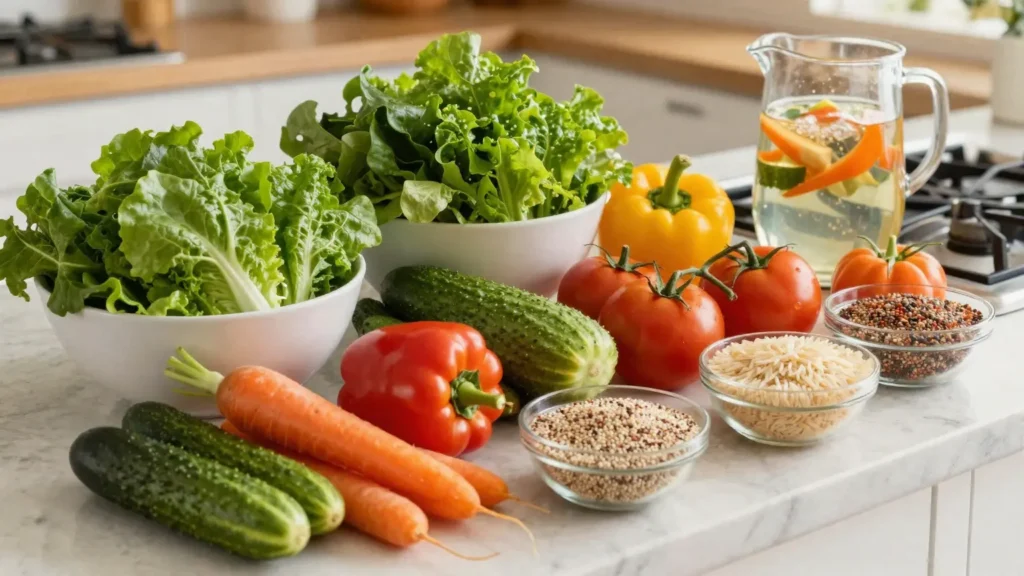
The Volumetrics Diet, developed by nutrition scientist Barbara Rolls in 2000, is an innovative approach to weight management that emphasizes eating large volumes of low-calorie, nutrient-dense foods. This diet stands out because it aims to keep you feeling full and satisfied while promoting healthy eating habits over the long term.
At its heart, Volumetrics revolves around understanding calorie density – the amount of calories in a given volume of food – and using this knowledge to make better dietary choices. Foods are categorized into different groups based on their energy content per gram. For instance, Category One includes foods like vegetables and fruits that have very low calorie densities (under 0.6 calories/gram) due to their high water content. These items allow you to eat larger portions without consuming too many calories. On the other end of the spectrum are highly processed snacks and fast food with high calorie densities (4-9 calories/gram), which should be consumed sparingly.
One of the most appealing aspects of Volumetrics is its flexibility. Unlike diets that rigidly restrict certain foods, this approach encourages moderation. You can still enjoy treats but within reasonable limits, ensuring you don’t feel overly deprived or restricted in your food choices. This balance helps maintain long-term adherence to healthy eating habits without losing motivation.
The diet’s focus on nutrient-dense foods such as fresh produce and lean proteins offers a wide range of health benefits beyond just weight loss. By incorporating more fruits, vegetables, whole grains, and lean meats into your meals, you can improve cardiovascular health, manage blood sugar levels better, and boost your intake of essential vitamins and minerals.
However, Volumetrics requires some commitment to meal preparation at home, as it relies heavily on unprocessed foods rather than convenience items found in supermarkets. This might be challenging for those with busy schedules or limited access to fresh ingredients. The diet also suggests incorporating regular physical activity into your routine to enhance weight loss efforts and overall health.
While Volumetrics provides a comprehensive framework for sustainable weight management, some individuals may find the repetitive nature of meals centered around specific foods monotonous over time. Additionally, the diet doesn’t differentiate between healthy fats (like avocados or nuts) and unhealthy fats (such as fried food), focusing primarily on calorie density.
Before fully adopting this dietary approach, it’s wise to consult with a healthcare professional or dietitian, especially if you have specific medical needs such as gastrointestinal disorders like IBS or dietary restrictions due to conditions like celiac disease. This ensures that the Volumetrics Diet can be tailored to meet your unique health requirements and lifestyle preferences.
In essence, Volumetrics offers a scientifically grounded method for achieving long-term weight loss through healthy eating habits rather than quick fixes. Its suitability will depend on personal tastes, medical considerations, and day-to-day routines.
How Does the Volumetrics Diet Work?
The Volumetrics Diet works by focusing on consuming large portions of foods that are low in calorie density and high in nutrients, helping individuals feel full while eating fewer calories overall. This approach emphasizes satiety through volume rather than strict portion control.
- Calorie Density: Foods are categorized into four groups based on their calorie density – essentially how many calories they contain per gram or fluid ounce. For instance, Category One includes foods like water-rich vegetables and fruits with a density under 0.6 calories per gram, making them ideal for satisfying hunger while keeping calorie intake low.
- Nutrient Density: In addition to focusing on low-calorie options, the diet also highlights the importance of nutrient-dense foods such as whole grains, lean proteins, and healthy fats. This ensures that individuals receive a wide range of vitamins and minerals necessary for overall health.
Flexibility in Eating
Unlike many diets that enforce rigid rules or prohibitions, Volumetrics allows for flexibility while maintaining its core principles. It encourages moderation rather than strict adherence to dietary limits. For example, occasional treats are permitted as long as they fit within the guidelines of calorie density and nutrient quality.
Did you know that broccoli has a lower calorie density compared to most other vegetables due to its high water content? This makes it an excellent choice for satisfying hunger without adding too many calories.
Practical Application
The Volumetrics Diet involves practical strategies such as using smaller plates, drinking plenty of water before meals, and incorporating more air-filled foods like fruits, vegetables, and soups. These practices help manage portion sizes naturally by promoting a sense of fullness with fewer calories.
By integrating these principles into daily life, individuals can achieve sustainable weight loss while enjoying a variety of nutritious meals without feeling deprived or restricted in their food choices.
Recommended Food Groups for Volumetrics Dieters
When following the Volumetrics Diet, focusing on specific food groups can help you achieve satiation without consuming excessive calories. Here’s what to include in your daily meals:
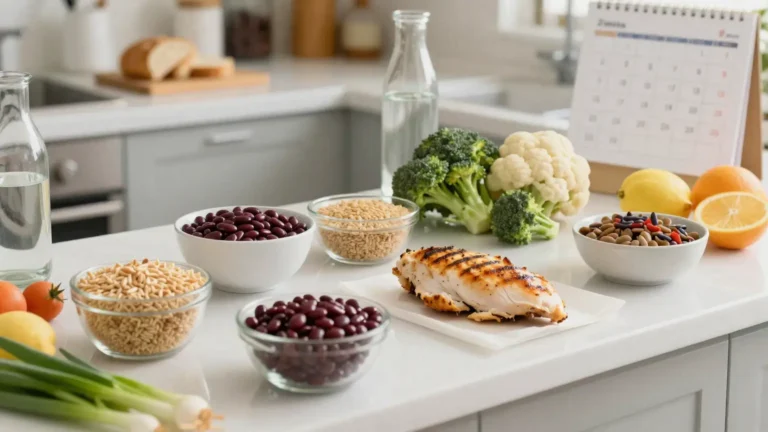
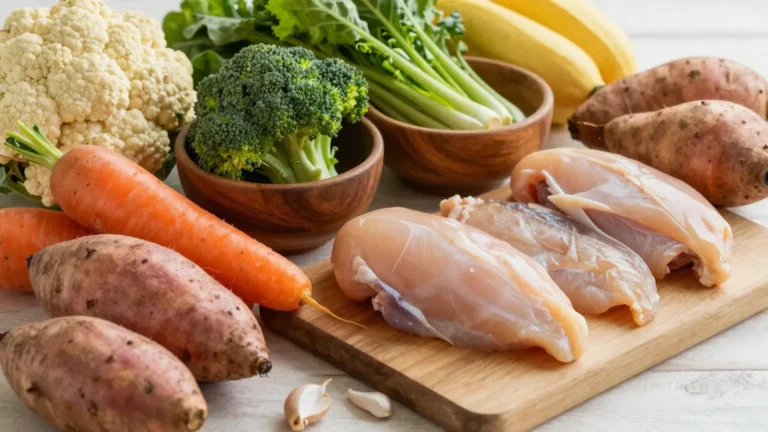
Start with vegetables as they form the bulk of Category One foods, boasting low calorie density and high water content. Opt for a variety like leafy greens (spinach, kale), broccoli, cauliflower, carrots, and bell peppers. Aim to fill half your plate with these nutrient-dense veggies at each meal.
Fruits Abound
Fruits should also play a prominent role due to their relatively low calorie density compared to fats and sugars. Choose fresh fruits such as strawberries, apples, pears, oranges, and berries over dried or overly sweetened versions like canned fruit in syrup. A fun fact: Did you know that watermelon is about 92% water?
Whole Grains
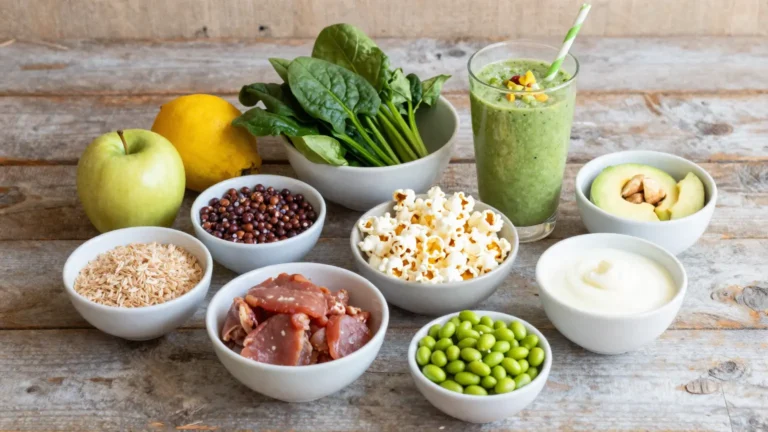
Include whole grains which are less processed than refined options and offer more nutrients per calorie. Examples include brown rice, quinoa, barley, oats, and whole wheat bread or pasta. They provide essential fiber, vitamins, and minerals while keeping the calorie count in check.
Lean Proteins
Lean proteins like chicken breast, turkey, fish (particularly salmon), tofu, and legumes should be incorporated to balance meals without adding too many calories. These foods support muscle maintenance and satiety effectively.
Low-Fat Dairy Alternatives
Low-fat dairy or dairy alternatives such as skim milk, Greek yogurt, cottage cheese, and almond milk can provide calcium and protein while being mindful of calorie intake. Opt for plain varieties over flavored ones to reduce added sugars.
Healthy Fats in Moderation
While healthy fats are necessary for overall health, they should be consumed in moderation due to their high calorie density. Include sources like avocados, nuts (in small quantities), seeds, and olive oil. A fun fact: Almonds have more protein than any other nut!
By prioritizing these food groups, you can enjoy larger portions while sticking to the Volumetrics Diet’s principles of weight management through satiety rather than deprivation.
Forbidden or Limited Foods in Volumetrics
The Volumetrics Diet doesn’t strictly ban any foods but does recommend limiting the intake of highly calorie-dense items. This approach allows for flexibility and small indulgences while maintaining overall dietary balance.
Strictly speaking, there are no banned foods in Volumetrics. However, certain high-calorie, nutrient-poor options should be consumed sparingly or avoided entirely to prevent derailing weight loss efforts.
- Processed Snacks: Chips, candy bars, and other heavily processed snacks fall into the highest calorie density category (Category Four). These items offer minimal nutritional value despite their caloric content.
Foods to Limit
Foods in Category Three – moderate calorie density foods like avocados, nuts, cheese, and many types of meat – should be eaten in moderation. Enjoying these treats occasionally is fine but should not form the bulk of your diet.
- Nuts: While nutrient-rich, they are also high in calories. A small handful daily can provide heart-healthy fats without overwhelming calorie intake.
Importance of Balance
The key to Volumetrics lies in balancing higher-calorie foods with plenty of lower-calorie options like vegetables and fruits. This balance helps maintain satiety while keeping caloric intake within a healthy range.
Did you know that cucumbers are about 95% water? Incorporating such high-volume, low-calorie foods can significantly aid in achieving weight loss goals without feeling deprived of food volume or taste.
Nutritional Benefits of the Volumetrics Diet
The Volumetrics Diet offers numerous nutritional benefits by focusing on low-calorie density foods that fill you up without overloading your daily calorie intake. Here’s how the diet supports better nutrition:
- Nutrient-Rich Foods: The volumetric approach encourages consumption of nutrient-dense, high-volume, and low-calorie items such as fruits, vegetables, lean proteins, whole grains, and legumes. These foods provide essential vitamins, minerals, fiber, and antioxidants while keeping calorie intake in check.
- Hydration and Fiber: High-water content foods like cucumbers, celery, and zucchini have high volumes but low calories due to their water content. Additionally, the diet emphasizes fibrous vegetables and whole grains that promote digestive health by increasing satiety without adding excess fat or sugar.
Did you know? Watermelon, despite its name, is about 92% water and contains only around 30 calories per cup of diced fruit!
By focusing on these nutrient-dense options, the diet helps prevent overeating and supports a balanced intake of essential nutrients. This approach not only aids in weight management but also enhances overall health by reducing cravings for processed snacks high in sugar and unhealthy fats.
Drawbacks and Potential Pitfalls of the Volumetrics Diet
Despite its numerous benefits, the Volumetrics Diet is not without drawbacks and potential pitfalls that users should be aware of.
Calorie density can sometimes lead to confusion. The focus on calorie density as a measure for food choice might make it difficult to distinguish between healthy fats like avocados or nuts and unhealthy fats such as fast-food French fries or chips. Both types of fat have similar calorie densities, but their health impacts are vastly different.
Another significant challenge is the high time commitment required for meal preparation. The diet’s emphasis on fresh fruits, vegetables, soups, and whole grains necessitates frequent grocery shopping and extensive cooking at home. This can be particularly demanding for individuals with busy schedules or limited access to healthy food options. For example, someone working long hours might find it challenging to maintain a regimen that requires daily meal planning and preparation.
Lastly, the diet may lead to repetitive meals that could cause boredom over time. Focusing heavily on certain foods such as soups and salads can make variety in the diet hard to achieve. This lack of diversity might result in disinterest or even fatigue from consuming similar types of food day after day.
Sample Meal Plan: A Day on the Volumetrics Diet
A typical day on the Volumetrics Diet involves consuming large portions of low-calorie, nutrient-dense foods while balancing higher calorie options in moderation.
Start your morning with a hearty bowl of oatmeal topped with fresh berries and sliced bananas. This breakfast provides fiber, essential nutrients, and water content to keep you full throughout the morning.
For lunch, consider a large salad loaded with leafy greens, cherry tomatoes, cucumbers, shredded carrots, and bell peppers. Toss in some grilled chicken or tofu for protein. Finish off with a glass of low-calorie vegetable juice or a cup of green tea. This meal is packed with vitamins and minerals while keeping calorie intake under control.
Dinner might feature a lean protein source like salmon or lentils accompanied by steamed broccoli, sweet potatoes, and a side salad. Drink plenty of water to feel full without overeating.
Snacks can include raw vegetables dipped in hummus or an apple with almond butter for balanced energy throughout the day. These snacks provide fiber and healthy fats that support satiation between meals.
- Emphasize filling yet low-calorie foods.
- Balance portions of higher calorie items.
- Incorporate fruits, vegetables, whole grains, lean proteins, and healthy fats.
- Hydrate well with water or unsweetened beverages.
Did you know that the average iceberg lettuce has a volume of about 2.5 cups but contains only around 10 calories? That’s why leafy greens are such an essential part of the Volumetrics Diet!
Alternative Diets Similar to Volumetrics
Alternative diets similar to the Volumetrics Diet share a focus on nutrient density and satiety but may differ in their approach to calorie control and flexibility.
NutriGenetics is an individualized dietary plan based on genetic testing. It tailors nutrition advice by considering how genes influence metabolism, weight management, and food preferences. This personalized approach can help individuals achieve better results within a diet that emphasizes high-fiber foods and low-calorie density options similar to Volumetrics.
Whole30
Whole30 is a strict elimination diet aimed at resetting the body’s relationship with food by removing common inflammatory triggers such as sugar, alcohol, grains, dairy, legumes, and soy. Unlike Volumetrics, which allows for small indulgences within moderation, Whole30 adheres to an all-or-nothing philosophy that may lead to more significant initial weight loss but could be harder to maintain long-term.
Flexitarian Diet
The Flexitarian diet promotes a primarily plant-based eating pattern while allowing occasional consumption of meat and dairy products. This diet shares Volumetrics’ emphasis on high-fiber, low-calorie foods but includes more flexibility regarding protein sources. It encourages gradual shifts towards vegetarianism, making it an approachable alternative for those interested in reducing their environmental impact or improving heart health.
Mediterranean Diet
Based on the traditional eating patterns of people living near the Mediterranean Sea, this diet focuses heavily on whole grains, vegetables, fruits, nuts, olive oil, and fish – ingredients rich in fiber and healthy fats. Similar to Volumetrics, it emphasizes natural foods over processed ones but provides more variety with its inclusion of moderate amounts of wine and dairy products.
Intuitive Eating
Intuitive Eating encourages listening to your body’s hunger and fullness cues rather than strict diet rules or calorie counting. While this approach differs fundamentally from structured calorie density diets like Volumetrics, both aim at fostering healthier relationships with food and long-term sustainable habits.
Is the Volumetrics Diet Right for You?
The Volumetrics Diet is right for you if you’re looking for a sustainable approach to eating healthier without cutting out your favorite foods completely. Here’s what you need to know:
Foods are categorized into different density levels based on their calorie content per gram. This means you can eat larger portions of low-calorie vegetables and fruits, which keeps you full while helping manage your weight effectively.
Flexibility in Eating
Unlike many restrictive diets, Volumetrics allows for flexibility and small indulgences within a balanced diet framework. You don’t have to ban any food groups entirely but rather enjoy them moderately as part of a healthy eating plan.
Did you know that water-rich foods like cucumbers and melons can help fill your stomach with fewer calories, aiding in weight loss?
Health Benefits
By focusing on nutrient-dense options, Volumetrics promotes overall health beyond just weight loss. It encourages consuming more fruits, vegetables, whole grains, lean proteins, and healthy fats.
A study found that people who follow a high-fiber diet similar to Volumetrics tend to eat less because the fiber content helps regulate appetite hormones.
Lifestyle Requirements
The diet requires regular meal planning and cooking at home. This might be challenging for individuals with busy schedules or limited access to fresh ingredients, as it relies heavily on preparing meals from scratch.
One survey showed that participants who prepared more meals at home ate fewer calories than those relying on pre-packaged foods.
Exercise Recommendations
Incorporating 30-60 minutes of daily physical activity is part of the Volumetrics plan. This can be any form of exercise you enjoy, making it easier to stick with over time.
Regular movement not only helps burn calories but also improves mood and energy levels, enhancing your overall quality of life.
Personalization
The diet is adaptable to various lifestyles and health conditions. You can adjust portion sizes, caloric intake, or exercise duration based on your specific needs and preferences.
In considering whether Volumetrics fits your lifestyle, think about how committed you are to cooking at home regularly and enjoying a wide variety of nutritious foods without feeling deprived.
Summary: Embracing Healthy Eating with Volumetrics
The Volumetrics Diet is a nutrition plan that encourages eating larger portions of foods that are low in calories but high in nutrients and water content, such as vegetables, fruits, lean proteins, and whole grains. Developed by Barbara Rolls, this approach focuses on the concept of calorie density – the number of calories per gram of food – and advocates for choosing foods with lower calorie densities to feel fuller while consuming fewer calories.
Key Principles Explained:
- Calorie Density: Foods are ranked based on their calorie content relative to their weight. For example, vegetables like lettuce and broccoli fall into Category One because they contain very few calories per gram but offer a lot of volume. On the other hand, foods in Category Four have high calorie density and should be consumed more sparingly.
- Flexibility: Unlike many restrictive diets, Volumetrics doesn’t prohibit any food types entirely. It allows for small indulgences within balanced meals to prevent feelings of deprivation. This flexibility helps maintain a sustainable approach to eating without feeling deprived or overly restricted.
Health Benefits:
The diet promotes long-term healthy habits rather than short-term fixes, making it easier to stick with over time. By focusing on whole foods and avoiding highly processed options, individuals can improve their overall health while managing weight effectively.
Commitment Level Required:
Regular meal preparation at home is necessary for success due to the emphasis on fresh ingredients. This may pose challenges for those with limited cooking skills or access to healthy food options.
Exercise Recommendations:
Daily exercise ranging from 30 to 60 minutes is suggested, which can include various activities like walking, swimming, or cycling. Regular physical activity complements dietary changes in achieving long-term health and weight management goals.
Pros of the Volumetrics Diet:
- Encourages sustainable lifestyle choices rather than quick fixes.
- Allows for occasional treats without strict limitations.
- Suitable for different dietary needs including veganism, kosher diets, and celiac disease restrictions.
- Backed by scientific research with extensive resources available for support.
Cons of the Volumetrics Diet:
- Can be confusing when distinguishing between healthy and unhealthy fats due to its focus on calorie density.
- Requires significant time investment in meal preparation.
- Might lead to monotony if meals revolve around similar types of low-calorie foods frequently.
Adaptability:
The diet can be tailored according to personal goals, cooking preferences, and lifestyle constraints. Adjustments might include modifying daily caloric intake without stringent calorie tracking or adapting exercise routines based on individual fitness levels.
Suitability Considerations:
- Best for individuals committed to long-term dietary changes.
- Ideal for those who enjoy cooking at home regularly.
- May need adjustments for people with specific health conditions like irritable bowel syndrome (IBS).
Before starting the Volumetrics Diet, consulting a healthcare professional or dietitian is advisable to address any unique medical needs effectively.
Frequently Asked Questions (FAQ)
What is the Volumetrics diet all about?
The Volumetrics diet focuses on eating more volume of lower-calorie foods like fruits and vegetables to feel full without consuming too many calories. It’s designed for long-term healthy eating rather than a quick fix.
Does the Volumetrics diet allow me to eat my favorite high-calorie foods?
Yes, it allows you to enjoy your favorite foods in moderation but encourages choosing lower calorie density options more often to help manage your overall calorie intake.
Is the Volumetrics diet suitable for people with dietary restrictions like vegetarian or vegan diets?
Absolutely, since the diet emphasizes plant-based foods and flexible eating patterns, vegetarians and vegans can adapt it easily by focusing on nutrient-dense plant foods.
Will I feel hungry on the Volumetrics diet?
Most people find they don’t feel hungry because the diet focuses on high-fiber, low-calorie foods that fill you up without adding too many calories.
How do I start following the Volumetrics diet if I’m not used to cooking healthy meals?
Start by incorporating simple recipes and gradually increasing your use of fruits, vegetables, lean proteins, and whole grains. There are plenty of resources online with beginner-friendly recipes that align well with this diet.
Can I still eat out when on the Volumetrics diet?
Yes, you can enjoy dining out but make smart choices by selecting dishes rich in vegetables and broth-based soups while limiting high-fat sauces and fried foods.
How does the Volumetrics diet differ from other popular diets like keto or paleo?
Unlike keto or paleo which restrict specific food groups, Volumetrics allows for a wider variety of foods as long as you focus on lower calorie density options to manage your total daily intake.
Does the Volumetrics diet work for weight maintenance too, not just weight loss?
Yes, it’s designed for sustainable healthy eating, so once you reach your goal weight, the principles can help maintain that weight by balancing food volume with calories needed to support a healthy lifestyle.
Are there any side effects of following the Volumetrics diet long-term?
There are no known negative long-term side effects when followed appropriately. However, consulting a healthcare provider is always recommended before making significant dietary changes.
How important is exercise in the Volumetrics diet plan?
Exercise plays an essential role as it’s recommended to get 30-60 minutes of activity daily alongside the dietary guidelines for optimal health benefits.