What is a Whole-Foods, Plant-Based Diet?
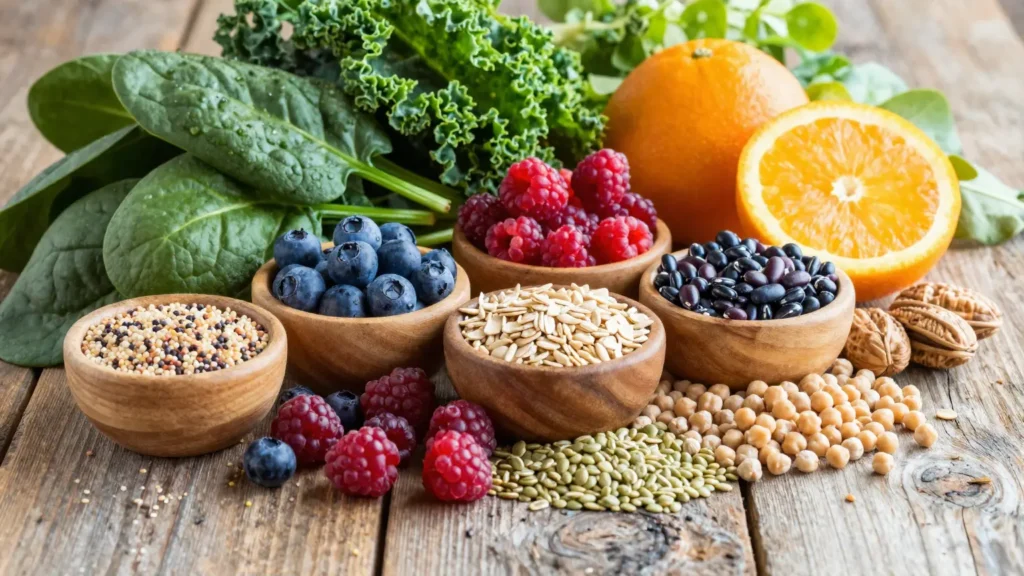
The Whole-Foods, Plant-Based (WFPB) diet is a nutritional approach focused on consuming minimally processed foods derived primarily from plants. Imagine stepping into a world where your plate is filled with vibrant colors, rich flavors, and an abundance of nutrients that nourish your body in ways you never thought possible. This dietary pattern emphasizes the inclusion of whole grains, legumes, vegetables, fruits, nuts, and seeds while discouraging the consumption of refined sugars, oils, and highly processed foods.
In a WFPB diet, “whole” means keeping food as close to its natural state as possible. Think about swapping white bread for hearty whole-grain slices or choosing brown rice over polished versions. Each decision you make in this dietary journey moves you closer to the heart of what nature intended – simple, unadulterated foods packed with nutrients and flavor.
By embracing a WFPB lifestyle, you’re not just making meals; you’re crafting a pathway to better health. This diet is rich in fiber, vitamins, minerals, antioxidants, and phytochemicals that work together to support your body’s natural defenses against chronic diseases. Every bite counts as you step away from the harmful substances found in processed foods and animal products, such as saturated fats, cholesterol, and added sugars.
The Benefits of Switching to WFPB for Chronic Disease Management
Switching to a Whole-Foods, Plant-Based (WFPB) diet can have profound benefits on managing and reducing the risk factors associated with chronic diseases. One key advantage is its impact on body weight management. Studies show that people who adopt this dietary pattern tend to lose excess body fat without focusing explicitly on calorie counting or restrictive eating habits. Instead, they rely on the natural satiety provided by fiber-rich plant foods, which can help regulate appetite and reduce overeating.
Another significant benefit is the improvement in blood pressure levels. The high potassium content found in many fruits and vegetables helps counteract sodium’s effects, reducing strain on your heart and arteries. As a result, systolic blood pressure readings drop significantly, lowering the risk of cardiovascular diseases such as hypertension and stroke. This reduction is not just about numbers; it translates into better overall health outcomes.
Moreover, WFPB diets have shown remarkable success in managing cholesterol levels. By minimizing the intake of animal products and processed foods high in saturated fats and trans fats, individuals can see a notable decrease in total cholesterol and LDL (bad) cholesterol levels. This shift directly correlates with reduced plaque buildup in arteries, potentially preventing heart attacks and strokes.
Did you know that a single cup of cooked lentils provides more than 10 grams of fiber? That’s almost half the daily recommended intake for many adults!
By focusing on nutrient-dense foods rather than calorie-dense ones, WFPB diets also help stabilize blood sugar levels. The high-fiber content slows down glucose absorption into the bloodstream, preventing spikes and crashes that can be detrimental to people with diabetes or prediabetes.
Lastly, adopting a WFPB lifestyle boosts overall immune function due to its rich supply of antioxidants and phytochemicals found in fruits, vegetables, nuts, seeds, and legumes. These compounds play crucial roles in fighting off inflammation and oxidative stress, both major contributors to chronic disease progression.
Each meal on this path becomes an opportunity to nourish your body with the very best ingredients nature has to offer, setting you up for a healthier future filled with vitality and well-being.
Recommended Food Groups in the WFPB Diet
The Whole-Foods, Plant-Based (WFPB) diet centers around several key food groups, each offering unique nutritional benefits that support overall health and well-being. These foods are not only delicious but also packed with essential nutrients your body needs to thrive.
Whole grains form a foundational part of the WFPB diet. They provide complex carbohydrates, fiber, vitamins, and minerals that help regulate digestion and stabilize blood sugar levels. Examples include brown rice, quinoa, oats, barley, and whole wheat pasta. Each grain variety brings its own set of flavors and textures to your meals, allowing for a diverse culinary experience.
Legumes, such as beans, lentils, chickpeas, and peas, are another cornerstone of the WFPB diet. These versatile proteins offer high amounts of plant-based protein, iron, zinc, and folate while being low in fat and rich in fiber. A simple swap from canned to dried varieties can significantly reduce sodium intake, making them even healthier.
Vegetables play a crucial role in providing an array of vitamins, minerals, antioxidants, and phytonutrients that are essential for disease prevention and overall health. From leafy greens like spinach and kale to colorful options such as bell peppers and carrots, vegetables should fill half your plate at each meal. Aim for variety to ensure you’re getting a wide range of nutrients.
Fruits are nature’s sweet treat in the WFPB diet. They offer natural sugars along with fiber, vitamins, minerals, and antioxidants that support heart health, digestion, and immune function. Berries, apples, bananas, oranges, and pears are excellent choices, providing a burst of flavor while nourishing your body.
Nuts and seeds contribute healthy fats, protein, fiber, and essential nutrients like vitamin E and magnesium to the diet. Almonds, walnuts, chia seeds, flaxseeds, and pumpkin seeds can be added to meals or enjoyed as snacks for their numerous health benefits. Just a small handful goes a long way in providing satiety and nutrition.
By incorporating these food groups into your daily meals, you not only enhance the flavor profile of your dishes but also improve your nutritional intake significantly. The variety within each group ensures that no single nutrient is missing from your diet. For instance, combining legumes with grains creates a complete protein source that rivals animal proteins in terms of amino acid composition.
Moreover, choosing organic or locally sourced options can further enhance the environmental and ethical benefits of this dietary approach. Engaging with local farmers’ markets not only supports sustainable agriculture but also provides fresher produce rich in flavor and nutrients.
The ancient Egyptians consumed a variety of legumes such as lentils, chickpeas, and fava beans long before they became staples in modern diets. This shows how these nutrient-dense foods have been part of human nutrition for thousands of years!
How do you think incorporating more whole grains into your meals would change your eating habits?
Forbidden or Limited Foods on the WFPB Plan
As you navigate the Whole-Foods, Plant-Based (WFPB) diet, it’s crucial to understand which foods are off-limits or should be severely limited. While the focus is on including nutrient-dense plant foods, certain items can hinder your progress and may need to be avoided for optimal health benefits.
Processed Foods: Packaged snacks, fast food meals, and convenience items often contain hidden sugars, unhealthy fats, artificial preservatives, and other additives that are detrimental to your health. Opting out of these foods means saying goodbye to chips, cookies, sugary cereals, and most prepared meal options found in supermarkets. Instead, focus on preparing homemade dishes using whole ingredients like beans, grains, and fresh produce.
Refined Sugars: These include table sugar (sucrose), high-fructose corn syrup, dextrose, and other sweeteners commonly added to processed foods. Refined sugars offer little nutritional value and can contribute to weight gain, diabetes, and cardiovascular disease. Instead of sugary beverages or desserts laden with refined sugar, opt for natural sweetness from fruits like berries, apples, and bananas.
Oils: Many WFPB adherents limit the use of oils due to their high concentration of calories devoid of essential nutrients. While some might allow small amounts of healthier oils like olive oil, most recommend focusing on whole foods that provide healthy fats naturally. For instance, nuts, seeds, avocados, and olives are excellent sources of beneficial fats without relying on extracted oils.
Animal Products: Meat, dairy, eggs, and other animal-derived products must be avoided entirely in a strict WFPB diet. These items often contain high levels of saturated fat, cholesterol, and hormones that can lead to chronic health issues over time. Transitioning away from these foods might feel challenging initially but offers substantial long-term benefits.
Dairy Alternatives: While many plant-based milks such as almond milk or soy milk are acceptable on the WFPB diet, be cautious of added sugars and other additives in store-bought varieties. Homemade versions using natural ingredients are preferable to ensure you’re getting a clean product without hidden unhealthy components.
Understanding what to limit or avoid on a WFPB diet is essential for achieving its full health benefits. This approach encourages mindfulness about your food choices and emphasizes the importance of consuming minimally processed, nutrient-dense plant foods that nourish your body from within. By making these adjustments, you pave the way for improved metabolic markers and better overall health.
The WFPB diet has gained popularity due to its success in reversing Type 2 diabetes symptoms, even in patients who have struggled with the condition for years. This remarkable outcome highlights the transformative power of dietary changes on chronic diseases.
How do you think eliminating oils from your cooking would affect your meals?
Nutritional Benefits and Drawbacks of a WFPB Diet
The Whole-Foods, Plant-Based (WFPB) diet offers numerous nutritional benefits, making it a compelling option for those looking to improve their overall health. However, as with any dietary approach, there are also some potential drawbacks that need consideration.
Key Nutritional Benefits
First and foremost, the WFPB diet is rich in fiber, which aids digestion, promotes feelings of fullness, and supports healthy gut bacteria. This high-fiber content helps regulate blood sugar levels and cholesterol absorption, contributing to lower risks of diabetes and heart disease. For example, a single serving of beans can provide more than half the daily recommended intake of dietary fiber.
Another significant benefit is antioxidant and phytochemical richness. Fruits and vegetables are loaded with vitamins C and E, beta-carotene, flavonoids, and other antioxidants that protect cells from oxidative damage caused by free radicals. This protective effect can reduce inflammation and lower the risk of chronic diseases such as cancer, heart disease, and neurodegenerative disorders.
The diet also ensures a balanced intake of essential nutrients like vitamins A, C, K, folate, potassium, magnesium, calcium, iron, zinc, and omega-3 fatty acids (through flaxseeds and walnuts). These nutrients are vital for maintaining bone health, muscle function, immune response, brain health, and overall cellular integrity.
Potential Drawbacks
Despite these benefits, the WFPB diet does come with some potential drawbacks that should be acknowledged. One concern is vitamin B12 deficiency. Vitamin B12 is primarily found in animal products such as meat, dairy, and eggs. Since a strict WFPB diet excludes all of these sources, individuals may require vitamin B12 supplements to prevent anemia and neurological issues.
Another potential drawback involves iron absorption, particularly for those who don’t consume fortified foods or supplements. Iron from plant-based sources (non-heme iron) is less readily absorbed by the body compared to heme iron found in animal products. This can lead to a higher risk of iron deficiency anemia if dietary intake isn’t carefully planned.
Additionally, protein quality might be another area of concern for some people. While legumes and grains provide adequate amounts of protein, they may not supply all essential amino acids in the same proportions as animal proteins do. Therefore, it’s important to combine different plant-based sources throughout the day to ensure a complete amino acid profile.
Balancing Benefits and Drawbacks
To maximize the benefits while minimizing potential risks, careful planning is key. For instance, incorporating fortified cereals or nutritional yeast can help meet B12 needs without relying on supplements alone. Similarly, pairing iron-rich foods with vitamin C–rich fruits (like oranges) enhances non-heme iron absorption.
Moreover, consulting a healthcare provider before starting the WFPB diet is advisable to ensure that any specific nutrient deficiencies are addressed appropriately. This personalized approach helps tailor the diet to individual needs and health conditions, making it more sustainable and effective in promoting long-term wellness.
By understanding both the benefits and potential drawbacks of a WFPB diet, you can make informed decisions about how to incorporate this dietary pattern into your lifestyle effectively. Balancing these aspects ensures that you reap the rewards of improved health while minimizing any risks associated with nutrient deficiencies.
Sample Meal Plan: A Day on a Whole-Foods, Plant-Based Diet
Imagine starting your day with a warm bowl of oatmeal topped with fresh berries and a sprinkle of chia seeds. This simple breakfast is not only delicious but also rich in fiber, vitamins, minerals, and healthy fats that energize you for the morning ahead.
Breakfast:
- Oatmeal: Cooked using water or plant milk (like almond or soy), this humble grain provides complex carbohydrates and a variety of nutrients.
- Berries: Fresh strawberries, blueberries, or raspberries add natural sweetness along with antioxidants and vitamins C and K.
- Chia Seeds: These tiny seeds are packed with omega-3 fatty acids, fiber, and protein.
Lunch could be a hearty salad filled with leafy greens, cooked beans, whole grains, and a variety of vegetables. This meal is designed to be filling and nutrient-dense, ensuring you get all the essential vitamins and minerals your body needs without feeling deprived.
Lunch:
- Leafy Greens: Spinach or kale forms the base of this salad.
- Cooked Beans (e.g., chickpeas, lentils): These are a powerhouse source of protein and fiber.
- Whole Grains (e.g., quinoa, barley): Adds texture and additional nutrients to your meal.
- Veggies: Include bell peppers, cucumbers, tomatoes, and carrots for variety.
For dinner, consider a comforting bowl of vegetable soup or chili made with lentils and whole grains. This type of dish is perfect for colder evenings and ensures that you end the day on a healthy note.
Dinner:
- Vegetable Soup: A homemade broth filled with an array of vegetables like carrots, onions, celery, tomatoes, and spinach.
- Chili: Made primarily from lentils, tomatoes, bell peppers, corn, and spices. Serve it with a side of brown rice or whole-grain bread for added texture.
Snacks can be simple yet satisfying. Think fresh fruit paired with some nuts, or a small bowl of hummus with vegetable sticks. These options keep you fueled between meals without adding unnecessary calories.
Snacks:
- Fruit and Nuts: A handful of almonds or walnuts alongside an apple or banana.
- Hummus and Veggies: Serve homemade hummus with carrot sticks, celery, and bell pepper slices.
Each meal in this sample plan is carefully crafted to include a variety of plant-based foods that are not only nourishing but also delicious. By incorporating these simple yet powerful meals into your daily routine, you can embrace the benefits of a whole-foods, plant-based diet while enjoying the flavors and textures nature has to offer.
How do you think this meal plan could fit into your lifestyle?
Alternatives and Similar Diets to Whole-Foods, Plant-Based Eating
When exploring dietary options similar to the Whole-Foods, Plant-Based (WFPB) diet, several alternatives offer comparable benefits and principles. These diets share common ground but may differ in specific details or emphases.
One such alternative is the Vegan Diet. This approach excludes all animal products for ethical, environmental, health, or other reasons. Like the WFPB diet, it focuses on fruits, vegetables, whole grains, nuts, seeds, and legumes. However, vegans often use oils and processed foods more liberally compared to those who strictly adhere to a WFPB regimen.
The Mediterranean Diet is another dietary pattern that aligns with many principles of the WFPB diet but includes some variations. It emphasizes fruits, vegetables, whole grains, beans, nuts, and seeds while allowing moderate consumption of dairy products, eggs, fish, and poultry. Olive oil serves as a primary source of fat in this diet, contrasting with the limited use or avoidance of oils recommended by WFPB adherents.
The Ornish Diet, developed by Dr. Dean Ornish, is specifically designed to reverse heart disease through aggressive lifestyle changes, including a plant-based diet very low in fats and refined sugars. This diet closely mirrors the WFPB approach but places even more restrictions on fat intake, often focusing on extremely low-fat foods.
The Flexitarian Diet, which promotes flexible vegetarianism with occasional meat consumption, can also be seen as an alternative. It encourages reducing meat intake while increasing plant-based foods to improve overall health and environmental impact. Flexitarians might eat mostly vegan meals but occasionally indulge in small portions of fish or poultry for variety.
Each of these dietary patterns has its unique benefits and may suit different individuals based on personal preferences, cultural backgrounds, and specific health needs. Whether you’re looking to reduce animal product consumption slightly or eliminate it entirely, there are numerous pathways that can lead to improved health outcomes while still allowing flexibility in meal planning and enjoyment.
Choosing a diet like WFPB or one of its alternatives involves considering your nutritional requirements, taste preferences, and ethical considerations. Do you think the idea of completely eliminating oils from your diet would feel restrictive?
Summary of Key Points for Adopting a Whole-Foods, Plant-Based Diet
In summary, adopting a Whole-Foods, Plant-Based (WFPB) diet offers substantial benefits for managing and reducing chronic disease markers. Key findings from studies indicate significant improvements in BMI, blood pressure, cholesterol levels, and lipid profiles among participants following this dietary pattern. By emphasizing whole grains, legumes, vegetables, fruits, nuts, and seeds while minimizing processed foods, refined sugars, and oils, individuals can experience enhanced metabolic health and reduced risk of chronic diseases. Each meal choice on the WFPB path contributes to a healthier future filled with vitality and well-being. Consider integrating these principles into your diet to see how it transforms not only your plate but also your overall health outlook.
Frequently Asked Questions (FAQ)
What is a whole-foods, plant-based diet (WFPB) exactly?
A whole-foods, plant-based diet focuses on eating foods that are minimally processed and come from plants. This includes vegetables, fruits, grains, legumes, nuts, and seeds. It excludes meat, dairy products, eggs, and highly refined oils.
Can I still eat junk food like chips or soda if I follow a WFPB diet?
No, the WFPB diet emphasizes eating whole, unprocessed foods rather than anything that is heavily processed or contains artificial ingredients, so you should avoid junk foods like chips or sodas.
Is it possible to get enough protein on a plant-based diet?
Yes, it’s definitely possible to meet your daily protein needs with a WFPB diet by incorporating beans, lentils, tofu, tempeh, quinoa, and other legumes into your meals.
How can I ensure I’m getting all necessary nutrients like B12 or iron on this diet?
While the WFPB diet provides many essential nutrients from plant sources, you might need to supplement with vitamin B12 since it’s primarily found in animal products. Iron levels can be maintained through leafy greens and legumes but may require a supplement if low.
Are there any specific recipes or cookbooks recommended for beginners?
There are numerous resources available online that provide easy-to-follow recipes, such as Forks Over Knives and Oh She Glows, which offer lots of inspiration to start your WFPB journey.
How does this diet impact weight loss or maintenance?
The WFPB diet can support healthy weight management due to its high fiber content and low fat and sugar levels. It helps control calorie intake naturally without the need for strict portion control.
Can people with diabetes follow a whole-foods, plant-based diet?
Absolutely! Many studies have shown that WFPB diets are beneficial for managing type 2 diabetes by improving blood glucose levels and reducing the risk of complications.
Is it necessary to take vitamin supplements on this diet?
Most nutrients can be obtained from the diet itself, but certain vitamins like B12 might need supplementation as they aren’t abundant in plant foods. Consulting a nutritionist is advised for personalized advice.
How does switching to WFPB affect heart health?
Studies show that adopting a WFPB diet significantly lowers risks of cardiovascular diseases by improving cholesterol levels and blood pressure.
Are there any cultural or religious reasons someone might choose the WFPB diet over other diets?
Yes, some people adopt this diet due to ethical considerations regarding animal welfare, environmental concerns about meat production, or for spiritual reasons related to certain religions that promote non-violence towards animals.