
Introduction: What is the Pegan Diet?
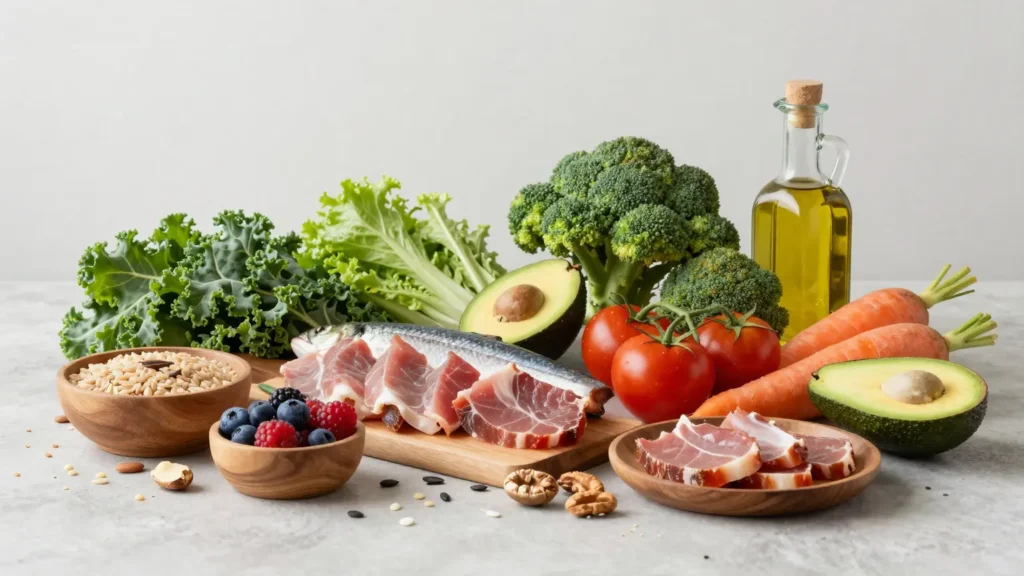
The Pegan diet is a fascinating blend of two popular eating philosophies: Paleo and vegan. This innovative approach to nutrition aims to bridge the gap between these seemingly disparate diets, offering a balanced and holistic perspective on healthy eating. As you delve into the world of the Pegan diet, you’ll discover how it combines the wisdom of ancient hunter-gatherer practices with the health benefits of plant-based living.
At its core, the Pegan diet emphasizes minimally processed foods, high vegetable intake (approximately 66% of your daily food), and moderate amounts of animal products. This combination seeks to capitalize on the strengths of both Paleo and vegan diets: the focus on whole foods from Paleo and the plant-centric approach from veganism. The idea behind this dietary fusion is not just to achieve a balance but to optimize health by leveraging the best aspects of each diet.
Imagine starting your day with a green smoothie packed with leafy greens, fruits, nuts, and seeds – ingredients that are staples in both Paleo and vegan diets. As you move through the day, incorporating lean proteins like wild-caught fish or grass-fed beef can provide essential nutrients without overwhelming the body with excessive animal products. This approach encourages diversity in your diet while prioritizing foods that nourish your body naturally.
By exploring the Pegan diet, you’re not just looking at a new trend; you’re embarking on a journey to understand how our ancestors thrived and how modern science can inform healthier eating habits today. The curiosity lies in seeing if this balanced approach could offer the best of both worlds for your unique dietary needs and health goals.
What Are the Key Principles of the Pegan Diet?
Focus on Whole Foods
At its heart, the Pegan diet emphasizes eating foods in their most natural state. This means prioritizing fresh fruits and vegetables, lean meats, nuts, seeds, and healthy fats like avocados and olive oil. The idea is to consume minimally processed items that are close to how they appear in nature.
Plant-Based Emphasis
Approximately 75% of your plate should consist of plant-based foods such as leafy greens, colorful veggies, whole grains, legumes, and beans. This alignment with the Mediterranean diet’s focus on a variety of plants can enhance nutritional value and support overall health benefits.
Quality Proteins
The remaining part of your meal is reserved for high-quality proteins like grass-fed beef or free-range chicken, fish, and eggs. These are consumed in moderation compared to plant-based foods, ensuring you get essential amino acids without overloading on animal products.
Limiting Sugar and Grains
Sugars and refined grains are kept to a minimum to avoid spikes in blood sugar levels and promote better metabolic health. This aspect of the Pegan diet helps prevent chronic diseases linked to poor dietary habits.
Healthy Fats
Unlike some diets that restrict fat intake, the Pegan diet encourages consuming healthy fats such as those found in avocados, nuts, seeds, olive oil, and coconut oil. These fats are crucial for brain function, hormone production, and overall well-being.
Why Combine Paleo and Vegan Elements for Health Benefits?
Combining elements from both the Paleo and vegan diets can offer unique health benefits tailored to modern lifestyles. The Paleo diet focuses on whole foods like meat, fish, fruits, vegetables, nuts, and seeds while excluding processed foods, grains, and dairy products. A vegan diet excludes all animal products to promote ethical living, environmental sustainability, and health benefits such as lower cholesterol levels and reduced risk of chronic diseases.
The Pegan diet seeks a balanced approach by emphasizing plant-based eating while incorporating lean meats and healthy fats from seafood. This blend offers the best of both worlds: rich in nutrients and beneficial for overall well-being. By embracing this dietary philosophy, individuals can enjoy diverse culinary experiences while supporting long-term health goals.
What Foods Should You Eat on a Pegan Diet?
When it comes to following a Pegan diet, understanding what foods to include is essential. Here’s how you can approach your food choices:
- Focus on Plant-Based Foods: Emphasize vegetables, fruits, nuts, seeds, legumes, and whole grains. These are rich in fiber, vitamins, minerals, and antioxidants which support overall health.
- Choose Quality Proteins Wisely: Include lean cuts of meat, poultry, fish, eggs, and plant-based proteins like legumes and tofu.
- Healthy Fats Are Key: Integrate healthy fats into your diet such as avocados, nuts, seeds, olive oil, and coconut oil. These provide essential fatty acids that are important for brain health and hormone production.
- Limit Processed Foods and Sugar: Avoid sugary drinks, refined grains, processed snacks, and fast foods. Opt instead for whole food sources of carbohydrates like sweet potatoes, quinoa, or brown rice.
By blending the principles of both Paleo and vegan diets, the Pegan diet offers flexibility while ensuring nutritional adequacy and health benefits. This approach encourages a mindful consumption pattern that prioritizes whole foods over processed ones.
Why Combine Paleo and Vegan Elements for Health Benefits?
The Pegan diet can be particularly effective for weight management due to its focus on whole foods and balanced nutritional intake. Here’s how it supports healthy weight loss:
- Low in Processed Sugars: By avoiding refined sugars, processed snacks, and sugary drinks, you reduce calorie intake from empty calories that contribute little nutritional value.
- High Fiber Intake: The Pegan diet emphasizes plant-based foods rich in fiber like vegetables, fruits, nuts, seeds, legumes, and whole grains. Fiber helps to increase satiety and regulate digestion, promoting weight loss by reducing overeating.
- Moderate Protein Consumption: Including moderate amounts of lean proteins such as fish, poultry, and eggs can help build muscle mass while controlling appetite, which is essential for sustained weight loss.
- Healthy Fats Are Essential: Incorporating healthy fats like avocados, olive oil, and nuts provides a feeling of fullness that helps prevent overeating and supports metabolic health.
By combining these elements, the Pegan diet creates an environment where your body burns fat more efficiently while reducing cravings for unhealthy foods. This approach not only aids in weight loss but also ensures that you maintain muscle mass during periods of reduced calorie intake.
How Does the Pegan Diet Affect Heart Health?
Heart disease is one of the leading causes of death globally, and dietary choices play a significant role in preventing or managing it. The Pegan diet offers several benefits for heart health:
- Balanced Fat Intake: Unlike some diets that restrict fats altogether, the Pegan diet encourages the consumption of healthy fats from avocados, nuts, seeds, olive oil, and fish, which are rich in omega-3 fatty acids. These fats help lower triglycerides and reduce inflammation.
- Rich in Antioxidants: The high intake of fruits and vegetables provides a variety of antioxidants that combat oxidative stress and protect the cardiovascular system from damage caused by free radicals.
- Low Inflammatory Foods: Reducing processed foods, refined sugars, and unhealthy trans fats can significantly lower chronic inflammation in the body. Chronic inflammation is linked to numerous health issues, including heart disease.
- Focus on Whole Grains: Unlike many low-carb diets that eliminate grains entirely, the Pegan diet promotes whole grains like quinoa, brown rice, and oats, which are rich in fiber and nutrients beneficial for heart health.
By emphasizing these key components, the Pegan diet can help maintain a healthy cardiovascular system and reduce the risk factors associated with heart disease.
How Can You Start Implementing the Pegan Diet?
Transitioning to the Pegan diet doesn’t have to be overwhelming. Here are some practical steps to get started:
- Start Slow: Gradually introduce more plant-based meals into your diet while reducing processed foods. Begin by replacing a meal or snack daily with something from the Pegan list, such as swapping chips for nuts.
- Plan Your Meals: Preparing weekly meal plans can help you stick to the diet and ensure you are getting balanced nutrition throughout the week. Include a variety of vegetables, fruits, lean proteins, and healthy fats in your meals.
- Learn New Recipes: Experiment with different recipes that incorporate Pegan-friendly ingredients. There are many online resources available for Pegan recipes, including salads, stews, smoothies, and more.
- Consult Professionals: Before making significant dietary changes, it’s wise to consult a healthcare provider or registered dietitian who can offer personalized advice based on your specific health needs.
By taking these steps, you can ease into the Pegan lifestyle gradually while ensuring that you meet your nutritional requirements for long-term success.
What Foods Should You Eat on a Pegan Diet?
When it comes to the Pegan diet, understanding what foods to include is crucial for reaping its benefits. This dietary approach combines principles from both Paleo and vegan diets, focusing on whole, minimally processed foods while reducing consumption of refined sugars and processed meats.
Here’s how you can incorporate key food groups into your Pegan lifestyle:
Vegetables: Aim to fill at least half of your plate with a variety of vegetables. These are rich in vitamins, minerals, antioxidants, and fiber which support overall health.
- Examples: Leafy greens like spinach and kale, broccoli, carrots, bell peppers, zucchini.
Fruits: While the Pegan diet emphasizes vegetables over fruits due to their higher sugar content, moderate consumption of low-sugar fruits is still beneficial. Opt for those rich in fiber and nutrients like berries, cherries, apples, and pears.
- Benefits: Fruits provide essential vitamins, minerals, and phytonutrients that are crucial for immune function and cellular health.
Legumes: These include beans, lentils, chickpeas, and peas. They are an excellent source of plant-based protein and fiber which can help regulate blood sugar levels and improve gut health.
- Tips: Soak legumes overnight to reduce cooking time and enhance digestibility.
Healthy Fats: Essential for brain function, hormone production, and cell membrane integrity. Include sources like avocados, nuts (almonds, walnuts), seeds (chia, flax), and olive oil in your meals.
- Importance: These fats help absorb fat-soluble vitamins A, D, E, and K from other foods.
Grains: While the Paleo diet shuns grains entirely, the Pegan approach allows whole grains like quinoa, brown rice, oats, and barley. These are nutritious but should be consumed in moderation.
- Benefits: Whole grains offer complex carbohydrates which provide sustained energy throughout the day.
Nuts and Seeds: A great source of healthy fats, protein, fiber, vitamins, and minerals. Add them to salads, smoothies, or eat as snacks for a nutritional boost.
- Varieties: Almonds, walnuts, macadamia nuts; chia seeds, flaxseeds, hemp seeds.
Lean Proteins: Focus on high-quality animal proteins such as lean cuts of grass-fed beef, free-range chicken and turkey, wild-caught fish like salmon or trout. Eggs are also included.
- Benefits: These foods provide essential amino acids necessary for muscle repair and growth.
Avoid Refined Sugars and Processed Foods: Limit consumption of sugary drinks, refined grains, processed snacks, fast food, and additives. Instead, opt for whole food sources of carbohydrates like sweet potatoes or buckwheat.
- Impact: Reducing these items can help stabilize blood sugar levels and reduce inflammation.
Herbs and Spices: Add flavor without extra calories by using fresh herbs (like basil, cilantro) and spices (such as turmeric, cinnamon). They offer additional health benefits like anti-inflammatory properties.
- Benefits: Herbs and spices can enhance digestion, support cardiovascular health, and improve immune function.
By carefully selecting foods from these categories, you’ll be able to create balanced meals that are both satisfying and nutritious. The Pegan diet not only promotes weight loss but also enhances overall wellness by focusing on quality ingredients over quantity.
Did you know that eating a diverse range of plant-based foods can enhance the diversity of your gut microbiome? This is one way the Pegan diet supports better digestive health compared to more restrictive diets.
Does Timing Matter in a Pegan Diet Plan?
Does timing matter in a Pegan diet plan? Absolutely, it can make all the difference. The way you time your meals and snacks can significantly impact how your body processes food and maintains energy levels throughout the day.
- Meal Frequency: Some people find that eating smaller, more frequent meals aligns well with their metabolism and keeps hunger at bay. Others might thrive on a schedule that includes longer fasting periods between meals or even intermittent fasting. The Pegan diet encourages listening to your body’s cues for when it needs fuel versus times of metabolic flexibility.
- Intermittent Fasting: Incorporating short fasts, such as skipping breakfast or having an early dinner and then fasting until the next morning (16:8 method), can enhance fat burning and improve insulin sensitivity. This aligns well with the Pegan diet’s emphasis on healthy fats and moderate protein consumption.
- Circadian Rhythms: Your body’s natural rhythms play a significant role in how you digest food and absorb nutrients. Eating larger meals earlier in the day when your metabolism is most active can help prevent late-night snacking and improve sleep quality, which is crucial for overall health.
- Personal Timing Preferences: What works best for one person may not work for another. For example, someone might feel more energized with a light breakfast and a substantial lunch, whereas another individual might prefer eating their largest meal in the evening to sustain them through late-night activities.
Understanding your body’s unique responses to different timing strategies can help you tailor a Pegan plan that keeps you feeling good and supports long-term health goals. Experimenting with various schedules can provide insights into what rhythms best suit your lifestyle and nutritional needs.
How Does Timing Affect Metabolic Flexibility in the Pegan Diet?
Timing plays a crucial role in metabolic flexibility, which is central to the effectiveness of the Pegan diet. By understanding how different meal times influence your body’s ability to switch between burning fats and carbohydrates for energy, you can optimize your health benefits.
- Fasting Periods: Introducing short fasting windows into your day can enhance your body’s fat-burning capabilities by lowering insulin levels and increasing growth hormone production. This is particularly beneficial during the Pegan diet, where healthy fats are a significant component of the meal plan.
- Meal Composition: The timing and composition of meals impact how efficiently your body processes nutrients. Eating high-protein or high-fat meals earlier in the day can help stabilize blood sugar levels and prevent late-night cravings for processed foods.
- Gut Health: Meal timing also affects gut health by influencing the release of digestive enzymes and hormones that regulate appetite and nutrient absorption. For instance, consuming a fiber-rich meal early in the morning can support healthy digestion and provide sustained energy throughout the day.
- Circadian Rhythm Alignment: Aligning your eating schedule with your body’s circadian rhythm helps regulate metabolism and improve overall health outcomes. Eating within an 8-10 hour window (commonly referred to as time-restricted feeding) aligns well with Pegan principles by emphasizing quality meals rather than constant snacking.
By fine-tuning when you eat, you can enhance the metabolic flexibility that is key to maintaining a healthy balance between using fats and carbohydrates for energy. This approach not only supports weight management but also contributes to better overall health outcomes within the framework of the Pegan diet.
Practical Tips for Timing Meals on a Pegan Diet
Implementing optimal meal timing in your daily routine can significantly enhance your experience with the Pegan diet. Here are some practical tips to help you get started:
- Plan Your Day: Map out your meals and snacks ahead of time to ensure you’re fueling your body at appropriate intervals. This can be especially useful if you’re trying intermittent fasting or specific meal timings.
- Start Slowly: If you’re new to timing your meals, start with small changes like eating earlier in the day or extending your overnight fast slightly. Gradual adjustments help prevent overwhelming dietary shifts that might lead to burnout.
- Stay Hydrated: Drinking plenty of water throughout the day supports digestion and keeps you feeling full between meals, which can be beneficial for maintaining metabolic flexibility.
- Listen to Your Body: Pay attention to how different meal timings affect your energy levels and overall well-being. Use this feedback to adjust your schedule as needed, ensuring it aligns with your unique lifestyle needs.
- Enjoy Social Eating: While timing is important, don’t let strict schedules detract from enjoying meals with others. Flexibility allows you to adapt while still adhering to the core principles of the Pegan diet.
By integrating these tips into your daily routine, you can enhance your adherence and effectiveness when following a Pegan diet plan that emphasizes proper meal timing for optimal health benefits.
How Does the Mediterranean Diet Influence the Pegan Approach?
The Mediterranean diet is renowned for its numerous health benefits, including heart health and longevity. This dietary pattern emphasizes whole foods, minimally processed ingredients, and a focus on plant-based meals, which align closely with the principles of the Pegan diet. Here’s how the Mediterranean diet shapes and influences the Pegan approach:
- Emphasis on Whole Foods: Both diets prioritize natural, unprocessed foods such as fruits, vegetables, nuts, seeds, whole grains, and legumes. This focus ensures that you’re consuming a wide range of nutrients and antioxidants essential for overall health.
- Rich in Healthy Fats: The Mediterranean diet is famous for its reliance on olive oil, rich in heart-healthy monounsaturated fats. Similarly, the Pegan diet encourages the consumption of healthy fats from both plant-based sources (like avocados and nuts) and animal products like fish and grass-fed meat.
- Moderate Consumption of Animal Products: While not entirely vegan, the Mediterranean diet suggests moderate intake of lean meats such as poultry and seafood, alongside an abundance of vegetables. This aligns with the Pegan approach of consuming fewer but higher-quality animal products while emphasizing plant-based foods.
The core tenets of both diets – minimizing processed sugars and refined grains, increasing nutrient-dense whole foods, and promoting healthy fats – create a synergy that enhances overall health outcomes.
- Plant-Based Focus: Both the Mediterranean diet and Pegan approach prioritize vegetables, fruits, legumes, and whole grains. This focus on plant-based foods contributes to better gut microbiome health and reduces inflammation within the body.
- Healthy Fats as a Staple: Olive oil is central in the Mediterranean diet due to its heart-healthy properties. Similarly, Pegan encourages the use of olive oil along with other healthy fats such as avocados, nuts, seeds, coconut oil, and fish oils.
Practical Examples
Imagine preparing meals that both your Paleolithic ancestors and Mediterranean residents would approve of:
- Salmon Avocado Bowl: A dish rich in omega-3 fatty acids from salmon paired with antioxidant-packed avocado, leafy greens, quinoa, and a drizzle of olive oil.
- Grilled Chicken Salad: Lean chicken breast served over a bed of mixed greens, cherry tomatoes, cucumbers, olives, feta cheese (if tolerated), and dressed with lemon juice and olive oil.
These examples illustrate how you can create meals that are both Pegan-friendly and Mediterranean-inspired, ensuring a balanced intake of nutrients while respecting cultural dietary traditions.
Cultural Variations
While the Mediterranean diet is often associated with specific regional ingredients like olives and pasta, it’s important to recognize the broader principles rather than rigid adherence to traditional recipes. This flexibility allows you to adapt meals based on personal preferences and available local produce.
By blending elements from both diets, individuals can create a personalized eating plan that enhances health without sacrificing cultural dietary practices or personal tastes. Whether you’re enjoying a Pegan-inspired meal featuring olive oil, nuts, and fish, or preparing a traditional Mediterranean dish with fresh vegetables and whole grains, the common goal remains clear: promoting optimal health through balanced nutrition.
The Mediterranean diet isn’t just about food; it also emphasizes social aspects such as dining with family and friends. This communal eating can enhance your relationship with food and contribute to overall well-being.
In conclusion, the Mediterranean diet’s emphasis on whole foods, healthy fats, and moderate animal product consumption provides a solid foundation for the Pegan approach. By embracing these shared principles, individuals can enjoy diverse, flavorful meals while supporting their health goals.
Potential Drawbacks and Considerations for a Pegan Lifestyle
When considering adopting a Pegan lifestyle, it’s important to understand both its potential benefits and drawbacks. A Pegan diet blends elements from Paleo and vegan diets, aiming for optimal health by combining high-protein and fat intake with plant-based principles. However, there are several factors worth noting:
- Flexibility and Personalization: One of the biggest considerations is how adaptable this diet is to individual needs. While it encourages a balance between animal and plant foods, strict adherence can sometimes lead to nutritional imbalances if not tailored properly for each person’s health status or dietary restrictions.
- For example, someone with iron deficiency might struggle to meet their needs on a Pegan diet without careful planning.
- Nutrient Deficiencies: By limiting certain food groups like dairy and grains, there’s a risk of missing out on essential nutrients these foods provide. Calcium, vitamin D, iron, and B12 are examples that might require careful supplementation or strategic eating habits to ensure adequate intake.
- People following a Pegan diet should closely monitor their nutrient levels and consider supplements if necessary.
- Sustainability Concerns: Another aspect is the long-term sustainability of such a restrictive diet. While it can lead to significant health improvements in short term studies, maintaining this lifestyle over years without burning out or losing motivation is challenging for many individuals.
- The high level of dietary restrictions might make it difficult to maintain adherence in the long run.
- Social and Practical Challenges: Social eating situations might become difficult as options are more limited, potentially leading to feelings of isolation or deprivation. Cooking every meal from scratch may also be impractical for those with busy lifestyles or varying schedules.
- Finding suitable meals when dining out can be particularly challenging on a Pegan diet.
Moreover, it’s crucial to recognize that the effectiveness of a Pegan diet can vary widely between individuals due to factors like genetic makeup and current health status. What works wonders for one person might not yield the same results for another.
- Consulting with healthcare professionals or nutritionists before making significant dietary changes is highly recommended.
In conclusion, while embracing a Pegan lifestyle might seem appealing given its emphasis on whole foods and balanced nutrition, it’s essential to weigh these potential drawbacks alongside its advantages. Understanding what works best for you personally is key in making any dietary changes sustainable and beneficial over the long term.
Did you know that some people’s genetic makeup may make them more efficient at processing certain nutrients than others? This variability underscores why personalized nutrition plans can be so effective.
How Do Modern Diets Compare to Paleolithic Eating Habits?
When comparing modern diets like the Pegan diet to ancient eating patterns, it’s essential to look at how our dietary theories have evolved over millennia. The Paleo philosophy, introduced by Eaton and Konner in 1985, suggests that many contemporary chronic diseases stem from a mismatch between what humans are genetically adapted to eat and the foods we consume today.
Revisiting Hunter-Gatherer Diets
Early assumptions about Paleolithic diets often painted them as uniform across all ancient hunter-gatherer societies. However, recent research reveals that these diets were far more diverse than previously thought. Modern hunter-gatherers exhibit varying levels of carbohydrate intake depending on local availability and seasonal changes, highlighting the need for a nuanced understanding of what our ancestors truly ate.
The Pegan Diet: A Balanced Approach
The Pegan diet combines elements from both Paleo and vegan philosophies to create a balanced eating pattern that emphasizes whole foods while reducing processed items. Mark Hyman introduced this concept by blending high-protein/fat principles from the Paleo diet with plant-centric guidelines from veganism, aiming for optimal health outcomes.
Research Insights on Diet Flexibility
Recent studies at NIH Clinical Center have shown that both low-carb/high-fat and high-carb/low-fat diets offer unique benefits but suggest a balanced approach resembling the Pegan diet might yield the best results overall. This composite strategy acknowledges the importance of metabolic flexibility, which refers to our body’s ability to switch between using carbohydrates and fats for energy based on dietary intake.
Historical Perspective: The Mid-Victorian Era
Looking back at historical shifts in dietary patterns can provide valuable insights into modern health trends. During the mid-Victorian era, there was a significant move towards processed foods, leading to declines in essential nutrients and phytochemicals crucial for good health. This period marked a turning point in public health outcomes due to changes in diet quality.
Aligning with Mediterranean Diet Principles
The Pegan diet shares several commonalities with the Mediterranean diet, particularly its emphasis on minimally processed foods, varied plant consumption, moderate animal products, and positive impacts on gut microbiome health. Both approaches prioritize nutrient-dense whole foods over processed alternatives to promote overall wellness.
Personalized Nutrition: The Future of Dieting
As we continue to refine our understanding of how genetics, epigenetics, meal timing, and interactions with the gut microbiome influence health outcomes, it becomes increasingly clear that a one-size-fits-all dietary approach is no longer sufficient. A personalized nutrition strategy considering individual genetic variations and dynamic factors affecting metabolism seems essential for long-term success.
Conclusion
In essence, while embracing the idea of eating like our Paleolithic ancestors might seem straightforward at first glance, incorporating modern knowledge about diverse diets, metabolic flexibility, and personalized health needs offers a more accurate picture of optimal dietary habits today. The Pegan diet provides an innovative and balanced approach that respects both historical and contemporary nutritional insights.
Did you know that the concept of metabolic flexibility suggests humans are incredibly adaptable when it comes to food? This ability allows us to switch between burning fats during fasting periods or exercise and using carbohydrates for energy after meals, which can significantly impact overall health.
Summary: Is the Pegan Diet Right for You?
In conclusion, the Pegan diet offers a balanced approach that merges the high-protein and fat-rich elements of Paleo with the plant-centric principles of veganism, aiming for optimal health through whole foods and minimally processed ingredients. By focusing on metabolic flexibility and nutrient-dense choices, it provides a middle ground between dietary extremes, promoting overall wellness and disease prevention. As you consider adopting this diet, remember to personalize your approach based on individual needs, genetic makeup, and lifestyle factors. Whether you’re looking to improve gut health, manage weight, or simply enhance your nutritional intake, the Pegan diet presents an adaptable framework that encourages mindful eating and sustainable living. So, whether you’re ready to dive in or just exploring options, the Pegan diet invites you to rethink your relationship with food for a healthier, more balanced future.
Frequently Asked Questions (FAQ)
What is the Pegan diet?
The Pegan diet is a hybrid dietary approach that combines elements of both the paleo and vegan diets. It emphasizes whole, unprocessed foods with a strong focus on vegetables while also incorporating moderate amounts of animal products like meat.
How does the Pegan diet differ from other diets?
Unlike strict paleo or vegan diets, the Pegan diet takes a middle-ground approach by blending plant-based principles with elements of paleolithic eating habits to promote overall health and well-being.
Is the Pegan diet suitable for everyone?
The suitability of the Pegan diet can vary based on individual health conditions, preferences, and lifestyles. It’s important to consult healthcare professionals before making significant dietary changes.
Can I eat grains or legumes on a Pegan diet?
Grains are generally limited in the Pegan diet due to their high carbohydrate content. Legumes may be consumed but should still be kept to a minimum compared to vegetables and lean proteins.
What about dairy products? Are they allowed?
Dairy is usually avoided in the Pegan diet since it can cause inflammation for some people and does not align with its principles of focusing on whole, unprocessed foods.
How do I start eating according to the Pegan diet?
Starting a Pegan diet involves gradually increasing your intake of vegetables while reducing processed foods and sugars. It’s also beneficial to incorporate regular meal times and possibly time-restricted feeding windows.
Will the Pegan diet help me lose weight?
While individual results may vary, adhering to the principles of the Pegan diet can support healthy weight loss by focusing on nutrient-dense foods and avoiding highly processed items that are often high in calories but low in nutritional value.
Can I eat out while following a Pegan diet?
Eating out on a Pegan diet requires careful selection of menu options. Opt for restaurants that offer vegetable-heavy dishes and lean meats prepared using healthy cooking methods like grilling or steaming.
What about snacking between meals? Are snacks allowed?
Snacks are okay, but it’s best to choose whole foods such as nuts, fruits, or vegetables rather than processed snack items. This helps maintain the Pegan diet’s focus on unprocessed foods and promotes steady blood sugar levels.
How can I ensure I get enough protein without eating too much meat?
While moderate consumption of lean meats is allowed, other sources like eggs, dairy (if tolerated), legumes, and soy products can also provide necessary proteins to meet your dietary needs.