
Introduction to Slimming for the Million in a Modern Context

Slimming for the Million by Eustace Chesser is more than just another diet book; it’s a groundbreaking guide that reshaped how people think about losing weight in an era when obesity was often misunderstood and stigmatized. Born into a family of Russian immigrants in Edinburgh, Chesser’s journey from a psychiatric practice to becoming a voice for public health reform demonstrates his commitment to addressing the nutritional needs of everyday individuals.
Chesser’s approach was revolutionary because it combined scientific insights with practical advice that anyone could follow. In an age when diets were often based on guesswork and fads, “Slimming for the Million” emphasized evidence-based strategies for weight loss. Chesser introduced readers to the concept of identifying and avoiding “fat-forming foods,” which he believed contributed significantly to obesity. Instead, he encouraged a diet rich in protein sources such as eggs, bacon, meat, vegetables, and fruits, setting the stage for modern low-carb dietary trends.
In today’s health-conscious world, Chesser’s principles are still relevant and thought-provoking. His focus on macronutrient balance aligns with contemporary nutritional science that underscores the importance of protein in weight management. By advocating for meals like eggs and bacon for breakfast, followed by a balanced lunch and dinner rich in vegetables and fruits, Chesser provided a framework that supports not only calorie reduction but also the preservation of muscle mass – an essential component of sustainable weight loss.
Recommended Food Groups for Effective Weight Loss
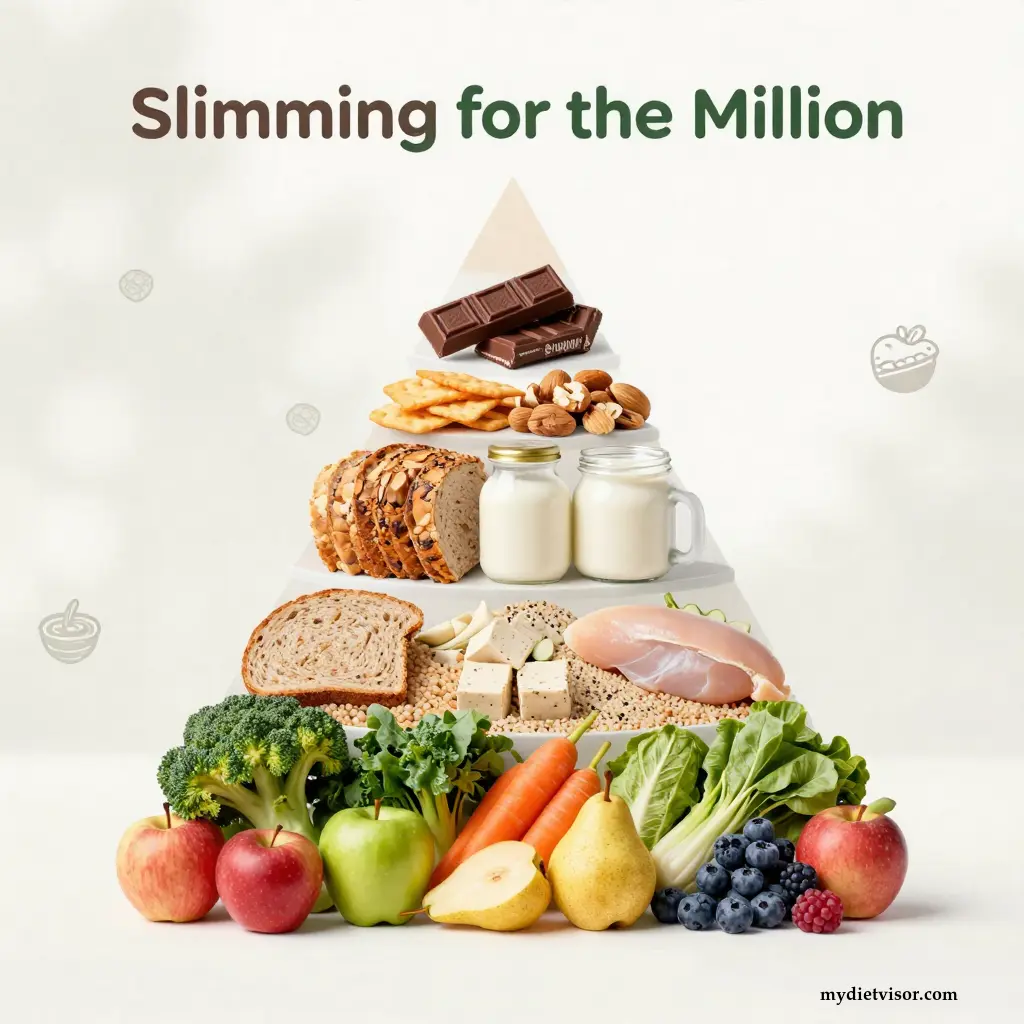
Chesser’s diet plan focused on the principle that certain food groups should dominate a weight-loss regimen while others should be consumed sparingly or avoided altogether. At the heart of his recommendations were protein-rich foods, which he believed helped individuals feel full and satisfied, thereby reducing overall calorie intake without sacrificing energy levels. His approach to breakfast often included items such as eggs, bacon, and other protein sources, which set a precedent for modern intermittent fasting and keto diet advocates who emphasize early morning protein consumption.
Protein is crucial in building and repairing tissues, and it plays an essential role in weight loss by promoting satiety and thermogenesis. By starting the day with high-protein meals like eggs or bacon, Chesser’s plan helps kickstart metabolism and provides sustained energy throughout the day. Vegetables were also a cornerstone of his diet recommendations due to their low calorie count and high nutrient content. Fruits played a supporting role in providing natural sugars and vitamins without overwhelming caloric intake.
Chesser’s emphasis on these food groups laid down the foundation for understanding how different macronutrients interact within the body, influencing hormone regulation and metabolic processes. For instance, proteins are digested more slowly than carbohydrates, leading to prolonged feelings of fullness and reduced cravings for unhealthy snacks later in the day. Similarly, vegetables offer a wide range of vitamins and minerals that support overall health while keeping calorie intake low.
In contrast to traditional diets at the time, Chesser advised against excessive consumption of starchy foods like bread and potatoes, which are high in carbohydrates and can quickly elevate blood sugar levels. This advice was ahead of its time, as it aligns closely with today’s understanding of how refined carbohydrates contribute to weight gain and metabolic issues.
Chesser’s recommendations were unique because they integrated a holistic approach to eating that considered both the physiological effects of different foods and their psychological impact on individuals trying to lose weight. By focusing on foods that are naturally filling and nutritious, his plan aimed to address not just physical hunger but also emotional cravings that can derail even the most disciplined dieter.
Imagine how transformative it would be if more people adopted a similar mindset towards their diet – shifting focus from calorie counting alone to understanding the quality of food they eat. This holistic approach could potentially help millions lead healthier lifestyles and achieve sustainable weight loss without feeling deprived or overwhelmed by dietary restrictions.
Eustace Chesser’s emphasis on protein-rich foods was considered revolutionary in an era when eggs and bacon were often vilified due to concerns over cholesterol levels, which have since been largely debunked for most people.
Forbidden or Limited Foods: What to Avoid
Eustace Chesser’s diet plan included a strict set of guidelines on what foods should be avoided or consumed sparingly, emphasizing the importance of steering clear of certain items that could hinder weight loss efforts. Starchy carbohydrates were at the top of his list of forbidden foods, as he believed they contributed significantly to obesity and metabolic issues. This advice was ahead of its time, given that contemporary research supports the idea that excessive intake of refined grains can lead to rapid spikes in blood sugar levels, promoting fat storage.
Chesser also advised against consuming sugary snacks and beverages, recognizing their detrimental impact on weight loss. These items not only provide empty calories but also trigger cravings for more sweets throughout the day. Instead, he encouraged readers to opt for natural sweeteners like honey or fruit juice, which offer vitamins and minerals alongside their sugars.
In addition to starchy carbohydrates and sugary treats, Chesser warned against the overconsumption of dairy products high in fat content. While milk and cheese can be nutritious, they also tend to be calorie-dense and may contribute to weight gain if consumed excessively. His recommendation to limit such items aligns with modern nutritional guidelines that promote choosing low-fat or nonfat alternatives for optimal health benefits.
Chesser’s approach to these forbidden foods was rooted in the belief that avoiding them could drastically reduce caloric intake while still providing essential nutrients. This strategy helped readers create a calorie deficit without feeling hungry, an aspect often overlooked by other diets at the time. By focusing on high-protein and low-carbohydrate meals, his plan ensured sustained energy levels throughout the day.
Interestingly, Chesser’s stance against starchy foods was somewhat unconventional for his era but has since gained widespread acceptance among dietitians and health professionals who advocate for a similar reduction in refined carbohydrates for better weight management.
Chesser’s insights on these forbidden or limited foods provide valuable lessons for anyone looking to lose weight sustainably. By understanding the impact of specific food groups, readers can make informed choices that align with their nutritional goals, ultimately leading to healthier lifestyles and improved well-being.
Imagine how transformative it would be if people adopted a similar approach to dietary restrictions today – focusing not just on reducing calories but also on improving overall nutrition quality. This holistic method could help millions achieve sustainable weight loss without feeling deprived or overwhelmed by strict dietary rules.
By limiting starchy carbohydrates, sugary snacks, and high-fat dairy products, Chesser’s diet plan aimed to create a balanced nutritional approach that supports long-term health goals while promoting effective weight management.
Nutritional Benefits and Drawbacks of the Slimming Plan
Chesser’s diet plan offered several nutritional benefits that aligned with contemporary health recommendations, though it also came with certain drawbacks that are worth considering. One significant benefit was its emphasis on protein-rich foods, which are known to promote satiety and support muscle maintenance during weight loss. Protein is essential for repairing tissues and can help prevent the loss of lean body mass often associated with calorie-restricted diets.
| Nutritional Benefit | Chesser’s Plan | Modern Understanding |
|---|---|---|
| Promotes Satiety | High-protein meals like eggs, bacon, and meat provide prolonged feelings of fullness. | Research supports the idea that protein can reduce hunger and cravings by affecting hormones such as ghrelin and leptin. |
| Supports Metabolism | Protein has a higher thermic effect compared to fats and carbohydrates, meaning it requires more energy for digestion and metabolism. | This makes it easier to create and maintain a calorie deficit without feeling excessively hungry or fatigued. |
However, the plan also had its limitations in terms of nutritional balance. By severely limiting carbohydrate intake, Chesser’s diet might have compromised sources of essential nutrients found in whole grains, fruits, and legumes. Complex carbohydrates provide fiber, vitamins, and minerals that are crucial for digestive health and overall well-being.
Moreover, while Chesser recommended avoiding starchy foods and sugary treats, the strict exclusion of these items could lead to nutritional deficiencies if not properly managed. For instance, cutting out dairy products high in fat content may deprive individuals of essential fatty acids and calcium necessary for bone health. Similarly, excluding certain fruits and vegetables might result in inadequate intake of antioxidants and other beneficial phytonutrients.
Chesser’s diet also lacked a comprehensive approach to micronutrient balance, which could pose risks over long-term adherence. Some readers might find it challenging to meet their daily requirements for vitamins and minerals solely through protein-rich foods without careful planning. This is particularly relevant given the diverse nutritional needs of individuals based on factors like age, sex, and activity levels.
Despite these drawbacks, Chesser’s diet did pioneer a shift towards understanding the role of macronutrient balance in weight management. It introduced readers to the concept that not all calories are created equal – some sources are more beneficial for health and long-term sustainability than others. By prioritizing protein-rich foods and limiting starchy carbohydrates, his plan encouraged a focus on food quality rather than just quantity.
Imagine if Chesser’s principles were adapted with modern nutritional science in mind – incorporating a wider variety of nutrient-dense options while still adhering to the core idea of macronutrient balance. This approach could offer a more balanced and sustainable diet for individuals seeking long-term health benefits alongside weight loss.
Considering the historical context, it’s fascinating how Chesser’s insights laid foundational stones for today’s dietary theories but also highlighted areas where further research was needed to refine nutritional advice.
Chesser’s revolutionary ideas about slimming continue to resonate in modern times, prompting us to reconsider our relationship with food and health. By examining both the benefits and drawbacks of his diet plan, we gain a more nuanced understanding of how past nutritional practices have shaped contemporary approaches to weight management and overall wellness.
Reflecting on Chesser’s dietary advice reminds us that while historical perspectives can be groundbreaking, they often require updates in light of evolving scientific knowledge and individual needs.
Sample Meal Plan for Successful Slendering
To illustrate how Eustace Chesser’s diet plan can be implemented in daily life, consider the following meal suggestions that align with his principles of high-protein intake, low carbohydrate consumption, and an emphasis on nutrient-dense foods. These meals are designed to provide sustained energy while supporting weight loss goals.
Breakfast:
A typical breakfast might include a protein-packed omelette made with eggs, spinach, and diced tomatoes, accompanied by bacon or lean ham slices. This meal is rich in protein and vegetables, ensuring a strong start to the day without relying on high-carbohydrate foods like bread or cereals. Chesser believed that such meals could help regulate blood sugar levels and provide lasting fullness.
Lunch:
For lunch, a salad with mixed greens (lettuce, spinach), cherry tomatoes, cucumber, and avocado topped with grilled chicken breast or tuna in olive oil would be ideal. This dish is loaded with healthy fats and proteins while being low in carbohydrates. Adding a vinaigrette dressing made from olive oil and lemon juice enhances the flavor profile without adding excessive sugars.
Dinner:
A balanced dinner could consist of broiled salmon fillet, steamed broccoli, and quinoa seasoned lightly with herbs like rosemary or thyme. While Chesser’s original plan did not include grains due to their carbohydrate content, incorporating a small portion of quinoa can offer additional fiber and protein for those who need it.
Snacks:
Healthy snacks that fit into Chesser’s framework could be raw almonds, cheese cubes with apple slices, or Greek yogurt mixed with honey. These options are simple yet effective in providing necessary nutrients without compromising weight loss goals.
By adhering to these meal ideas, individuals can experience the benefits of a diet rich in proteins and vegetables while minimizing intake of starchy carbohydrates and sugars. This approach not only helps manage appetite but also supports overall health by ensuring an adequate supply of essential vitamins and minerals.
Imagine how much easier it would be if you could stick to such meals without feeling deprived or hungry throughout your weight loss journey. Chesser’s plan encourages a mindset shift towards mindful eating, where the quality and satiety value of food are prioritized over mere caloric content.
By focusing on nutrient-dense foods like eggs, bacon, vegetables, fruits, and lean meats while limiting starchy carbohydrates and sugars, Eustace Chesser’s diet plan offers a practical pathway to achieving sustainable weight loss without sacrificing nutritional quality.
Alternative Diets Similar to Slimming for the Million
Several alternative diets have emerged over time that share similarities with Chesser’s approach but also offer distinct features tailored to modern nutritional science and public health trends. These diets often emphasize macronutrient balance, protein intake, and controlled carbohydrate consumption, reflecting a continuing evolution of dietary theories inspired by foundational works like “Slimming for the Million.”
Low-Carb Diets
Low-carb diets are one of the most direct descendants of Chesser’s principles. The Atkins Diet, introduced in 1972 by Dr. Robert C. Atkins, builds on the concept of reducing carbohydrate intake to achieve weight loss and improved metabolic health. Like Chesser’s plan, it prioritizes protein-rich foods such as eggs, bacon, and other lean meats while limiting starchy carbohydrates and sugars. The primary difference is that modern low-carb diets often incorporate a broader range of healthy fats like olive oil, nuts, and avocados to ensure nutritional balance.
| Diet Plan | Key Features |
|---|---|
| Atkins | Strictly limits carbs in the initial phase; later introduces more variety while still maintaining lower carbohydrate intake. Promotes satiety through high protein and fat consumption. |
| Keto | Aims for a very high-fat, moderate-protein diet with minimal carbohydrates to induce ketosis. Focuses on sustained energy levels and appetite control. |
Intermittent Fasting
Intermittent fasting has gained popularity in recent years as an alternative approach to weight loss that emphasizes meal timing rather than the specific composition of meals. While not directly a diet, it complements dietary strategies by encouraging periods without food consumption, similar to Chesser’s focus on avoiding fat-forming foods and promoting satiety through protein-rich meals.
Intermittent fasting often involves daily eating windows or prolonged fasts that align well with Chesser’s recommendation to eat smaller, more controlled portions throughout the day. This approach can help regulate blood sugar levels and promote hormonal balance, contributing to sustainable weight loss without feeling deprived of nutrients.
Paleo Diet
The Paleo diet is another modern adaptation that echoes some aspects of Chesser’s original plan by focusing on whole foods and excluding processed items. It emphasizes a hunter-gatherer style eating pattern rich in protein from meat, fish, eggs, and vegetables. Unlike the strict limitations imposed by Chesser’s diet, the Paleo approach allows for moderate consumption of healthy fats and fruits while eliminating grains, dairy products, and sugars.
| Diet Plan | Key Features |
|---|---|
| Paleo | Encourages high-protein foods like meat, fish, eggs, and vegetables. Excludes processed foods, grains, dairy, and refined sugars. Promotes weight loss through natural food choices. |
Mediterranean Diet
The Mediterranean diet, while differing significantly in its emphasis on olive oil and seafood rather than the high-fat content of some low-carb diets, shares Chesser’s focus on nutrient-dense foods and portion control. It offers a balanced approach that includes moderate amounts of whole grains, fruits, vegetables, legumes, and dairy products alongside healthy fats and proteins.
| Diet Plan | Key Features |
|---|---|
| Mediterranean | Focuses on olive oil, nuts, seeds, fish, and vegetables as key components. Encourages the consumption of moderate wine with meals. Emphasizes balanced macronutrient intake for overall health and weight management. |
Flexitarian Approach
The Flexitarian diet, a more recent development, combines elements of vegetarianism with flexible meat consumption based on nutritional needs and personal preferences. It aligns somewhat with Chesser’s principle of choosing nutrient-rich foods by incorporating plenty of plant-based proteins like legumes, tofu, and nuts alongside lean meats when desired.
| Diet Plan | Key Features |
|---|---|
| Flexitarian | Encourages a predominantly vegetarian diet but allows for occasional consumption of meat. Focuses on variety in protein sources to ensure adequate nutrition without relying heavily on animal products. |
Each of these diets offers unique benefits and considerations that reflect the ongoing dialogue between historical dietary theories and contemporary health research. By exploring alternative approaches, individuals can find personalized strategies that align with their specific nutritional goals and lifestyle preferences.
Imagine how empowering it would be for someone to choose a diet plan like those mentioned above, knowing they are building on established principles while benefiting from modern insights into nutrition and wellness. This approach not only aids in weight loss but also fosters a deeper understanding of the importance of food quality over quantity.
Considering the variety of diets available today that build upon Chesser’s foundational ideas, it becomes clear how his work continues to influence contemporary nutritional practices and health recommendations.
By examining these alternative diets, we gain insight into the enduring impact of “Slimming for the Million” on modern dietary strategies. Each approach offers a unique perspective on achieving weight loss while promoting overall well-being – a goal that Chesser’s original diet aimed to achieve nearly a century ago.
Reflecting on how these various diets have evolved from and adapted Eustace Chesser’s principles, we see a rich history of innovation in nutritional science that continues to shape our understanding of healthful eating practices.
How Does This Diet Compare to Contemporary Weight-Loss Programs?
Chesser’s diet plan stands out not just because of its historical significance but also due to its enduring relevance when compared to contemporary weight-loss programs. The core principles of his diet – high protein, low carbohydrate intake, and a focus on nutrient-dense foods – are echoed in several modern diets that have gained popularity over the years.
One key aspect where Chesser’s plan aligns with current dietary trends is in the emphasis on macronutrient balance. Modern nutritional science has reinforced the idea that the quality of calories consumed matters just as much, if not more than, their quantity. Contemporary programs like the Keto and Paleo diets follow a similar pattern by advocating for higher protein consumption to manage appetite and promote metabolic health.
| Chesser’s Plan | Modern Diet Trends | |
|---|---|---|
| High Protein | Promotes satiety through high-protein meals such as eggs, bacon, meat, and vegetables. | Many modern diets, including Keto and Paleo, emphasize the importance of protein for muscle preservation and fullness. |
| Low Carbohydrates | Recommends limiting starchy foods like bread and potatoes to reduce fat storage. | Contemporary approaches often recommend a reduction in refined carbohydrates similar to Chesser’s original guidelines. |
Another point of comparison is the focus on nutrient-dense foods rather than empty-calorie snacks. Chesser encouraged readers to consume plenty of fruits, vegetables, and lean meats, which aligns closely with today’s emphasis on whole foods over processed ones. Modern diets like the Mediterranean and Flexitarian approaches also prioritize these elements for overall health.
Moreover, Chesser’s diet introduced the concept of meal timing through its structured meal plan, an idea that has evolved into practices such as intermittent fasting in contemporary weight-loss programs. This method involves periods without food consumption to regulate blood sugar levels and promote metabolic benefits, much like how Chesser advocated for controlled portions throughout the day.
However, where Chesser’s diet may fall short compared to today’s comprehensive nutritional guidelines is its lack of flexibility and emphasis on strict dietary restrictions that could be challenging for many individuals. Modern diets often offer a wider range of food options while still adhering to key principles like limiting sugars and starchy carbohydrates.
In conclusion, Eustace Chesser’s diet plan remains influential in the realm of weight loss due to its pioneering focus on macronutrient balance and the quality of foods consumed. While some aspects require updates based on modern nutritional science, his core ideas continue to inform contemporary dietary theories and practices.
Reflecting on how Chesser’s principles have shaped modern diets highlights both the enduring value and areas for improvement in addressing weight loss through dietary changes.
Imagine if Chesser’s revolutionary diet plan were adapted with today’s understanding of nutrition – incorporating flexible meal timing, a wider variety of nutrient-dense foods, and balanced macronutrient ratios. This could lead to an even more effective and sustainable approach to achieving and maintaining a healthy weight.
Considering the historical context and contemporary adaptations, it’s clear how foundational works like “Slimming for the Million” have laid important groundwork for today’s diverse range of dietary recommendations aimed at promoting health and wellness.
Conclusion and Summary of Key Points
In conclusion, Eustace Chesser’s “Slimming for the Million” remains a significant historical text that influenced modern dietary theories and practices. Chesser’s revolutionary approach to weight loss through a high-protein, low-carbohydrate diet was ahead of its time, emphasizing the importance of macronutrient balance and the quality of food consumed. While his plan had limitations, particularly in terms of nutritional completeness, it paved the way for contemporary diets like Atkins and keto, which build upon his foundational ideas.
Chesser’s work not only provided practical advice but also challenged societal norms around obesity and health. His emphasis on protein-rich foods, vegetables, and controlled carbohydrate intake continues to resonate with today’s health-conscious individuals seeking sustainable weight loss strategies. By integrating modern nutritional insights into Chesser’s principles, we can create a more balanced and effective approach to dieting that supports both weight management and overall well-being.
Reflecting on the enduring impact of “Slimming for the Million,” it is clear that Chesser’s legacy lies in his pioneering spirit and willingness to challenge conventional wisdom. His ideas continue to inspire discussions about healthy eating and lifestyle choices, encouraging readers to think critically about their dietary habits and the broader implications of nutrition on health.
Frequently Asked Questions (FAQ)
What is Eustace Chesser’s “Slimming for the Million” diet?
Eustace Chesser’s “Slimming for the Million” is a low-carb diet plan that suggests eating meat, eggs, bacon, lean meats, and fresh vegetables to lose weight.
Does the Slimming for the Million diet provide daily menus or recipes?
The book does offer weekly sample menus with specific calorie counts, but it mainly focuses on guiding readers through meal planning rather than providing a detailed list of recipes.
Are there any vitamins or supplements recommended while following this diet?
There’s no specific mention in Chesser’s works about recommending additional vitamins or supplements. However, given the low-carb nature of the diet, some might suggest taking multivitamins to ensure you get all necessary nutrients.
What are the drawbacks of Chesser’s Slimming for the Million diet?
A review in the British Medical Journal noted that this diet may be deficient in essential vitamins and concluded it wasn’t practical enough for everyday use or detailed enough for medical professionals.
Can I eat fruits on Eustace Chesser’s diet plan?
Yes, fruits are included as part of your daily meals according to his recommendations. He suggested having fruit as part of lunch or dinner alongside meat and vegetables.
Is this diet suitable for vegetarians?
Eustace Chesser’s Slimming for the Million is primarily designed around meats and proteins, making it less suitable for vegetarians unless they adapt the meal plans to include vegetarian protein sources like legumes and tofu.
Are there any drinks or fluids recommended while on the plan?
While not specifically detailed in his book, staying hydrated with water is generally beneficial when following a diet plan. Avoid sugary drinks and opt for plain water instead.
How does Chesser’s Slimming for the Million compare to modern diets like Atkins or Keto?
Chesser’s low-carb ideas are seen as a predecessor to more contemporary diets like the Atkins, which also emphasize cutting down carbohydrates to promote weight loss.
Can I have my favorite treat once in a while on this diet?
The original plan doesn’t mention specific allowances for treats. However, any diet can benefit from the occasional indulgence if it’s balanced with healthier choices overall and doesn’t derail your progress significantly.
What tips does Chesser give to stick to his diet long-term?
Though specific lifestyle habit change tips aren’t detailed in Slimming for the Million, general advice includes identifying triggers that cause setbacks and focusing on gradual changes rather than drastic ones.