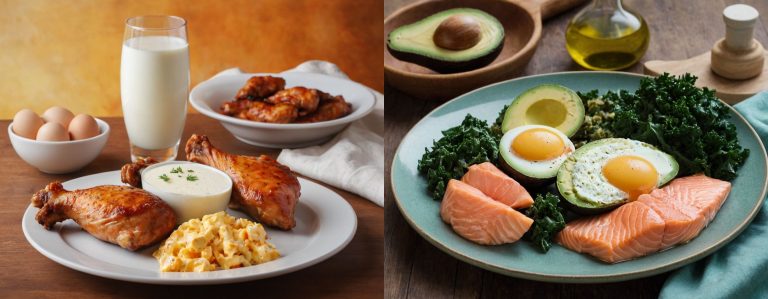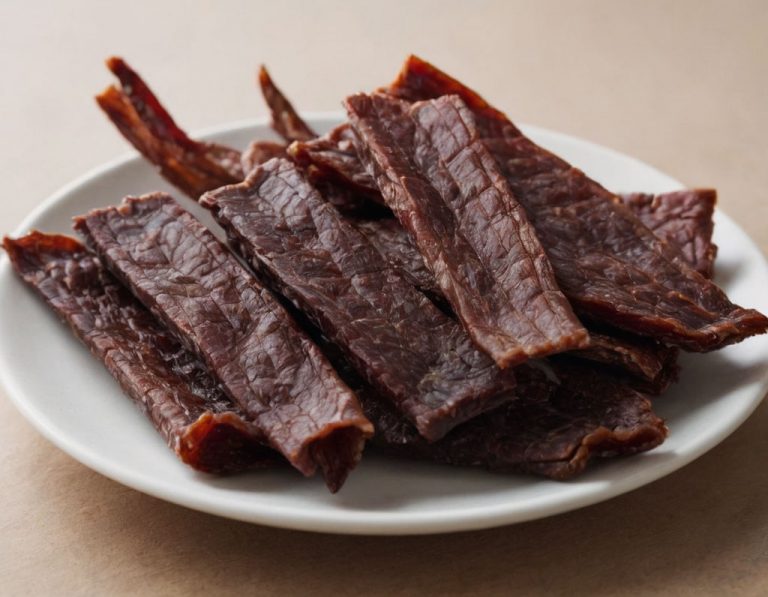
Introduction to Meats in the Carnivore Diet
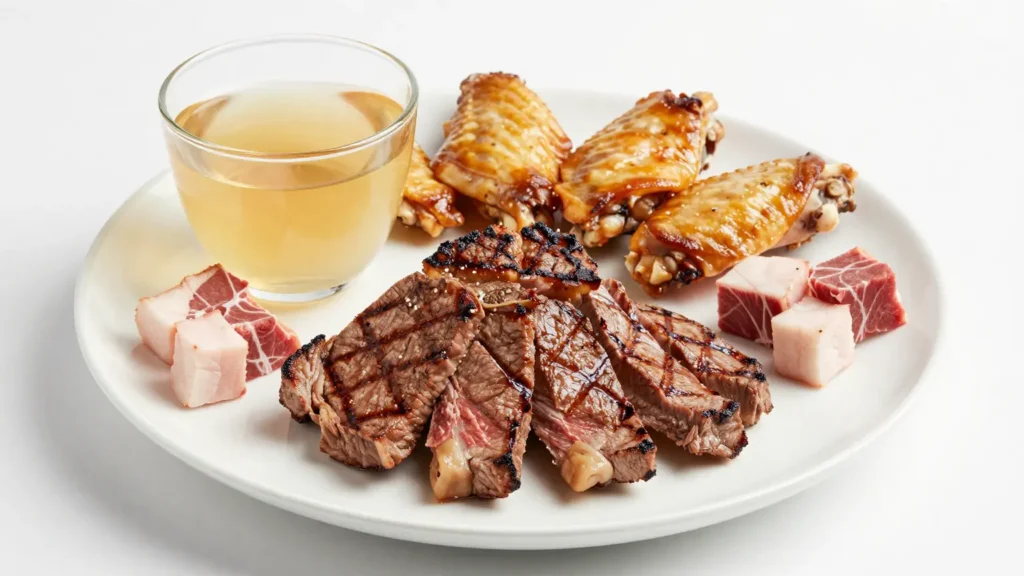
The Carnivore Diet is an intriguing and controversial dietary approach that revolves around consuming only animal products while completely eliminating plant-based foods. This radical shift in eating habits has caught the attention of many people, including some high-profile advocates who claim it can lead to significant health improvements. The diet’s simplicity – eat meat and nothing else – can be appealing for those seeking a straightforward path to weight loss or managing chronic conditions.
At its core, the Carnivore Diet is an extreme form of low-carb eating that focuses on eliminating all carbohydrates from the diet, including vegetables and fruits. This leaves meats as the primary source of sustenance, serving both nutritional and functional roles. Meats provide essential proteins, fats, and other nutrients necessary for maintaining bodily functions when carbohydrate intake is non-existent or minimal.
Choosing the right types of meat is crucial in a carnivore diet to ensure you’re getting a balanced range of nutrients. Opting for lean meats like chicken breast can help manage fat intake while still providing plenty of protein. Red meat offers iron and B vitamins, which are vital for energy production and immune function. Organ meats, such as liver and heart, are often recommended due to their dense concentration of essential vitamins and minerals that might otherwise be lacking in the diet.
Understanding these basics about meats in the Carnivore Diet is just the beginning. The next steps involve delving deeper into nutritional considerations, potential health risks, and practical strategies for making this dietary approach work long-term. As you explore further, consider how these choices align with your personal health goals and whether the benefits outweigh the challenges.
Benefits of Red Meat
Red meat stands out as a cornerstone in the Carnivore Diet due to its rich array of essential nutrients. Iron, especially heme iron found predominantly in red meat, is crucial for producing hemoglobin and myoglobin, proteins responsible for carrying oxygen throughout your body. This makes red meat particularly beneficial for those who might suffer from anemia or low energy levels.
In addition to iron, red meat is a significant source of B vitamins, particularly vitamin B12 and niacin (B3). These vitamins play vital roles in the production of DNA and RNA, nerve function, and maintaining healthy skin. A deficiency in these nutrients can lead to fatigue, anemia, and even neurological issues.
Red meat also contains zinc, a mineral important for immune function, wound healing, and growth development. Zinc is less abundant in plant-based foods compared to animal products, making red meat a key source for individuals following the Carnivore Diet.
Moreover, red meat provides high-quality protein that supports muscle growth and repair. The amino acids found in red meat are essential building blocks for muscles and tissues throughout your body. Regular consumption can help maintain lean muscle mass, which is crucial as you age.
Red meat contains a unique set of antioxidants called glutathione that may play a role in reducing oxidative stress and inflammation in the body.
Comparing red meat to other protein sources like chicken or fish, red meat stands out due to its higher content of these essential nutrients. While lean meats are often recommended for heart health because they contain less saturated fat, red meat offers nutritional benefits that can be hard to find elsewhere without adding plant-based foods back into the diet.
When considering the Carnivore Diet, it’s important to choose quality over quantity. Opting for grass-fed beef and organic pork not only supports sustainable farming practices but also provides a more nutritious product with higher levels of omega-3 fatty acids and conjugated linoleic acid (CLA), which are beneficial fats known for their anti-inflammatory properties.
Incorporating red meat into your diet can significantly enhance your nutritional profile, especially when adhering to the strict guidelines of the Carnivore Diet. It’s crucial to understand how these nutrients contribute to overall health and well-being as you make this dietary shift.
Benefits of Poultry
Poultry is a versatile and widely consumed meat that offers numerous benefits within the context of the Carnivore Diet. Chicken, turkey, and other birds provide essential nutrients like protein and vitamins while being easier to digest compared to red meats for some individuals.
Protein Quality: Poultry stands out for its high-quality protein content, which is crucial for muscle repair and growth. The amino acids found in chicken breast or turkey thighs are easily absorbed by the body, making them excellent choices for anyone looking to maintain lean muscle mass without excessive fat intake.
Digestibility: Compared to red meats like beef or pork, poultry is generally easier on the digestive system due to its lower fat content and softer texture. This makes it a popular choice among individuals who are transitioning to a Carnivore Diet or those with sensitive stomachs.
Poultry also offers a range of B vitamins that are vital for energy production and neurological health. Vitamin B6, in particular, is important for immune function and brain development, while niacin (B3) plays a key role in converting food into usable energy.
Moreover, poultry can be prepared in various ways, from grilled chicken breasts to roasted turkey legs, offering flexibility in meal planning and preparation. This variety not only enhances the diet’s appeal but also ensures that essential nutrients are consumed consistently over time.
A single serving of cooked chicken breast contains nearly half the daily recommended intake of selenium, an antioxidant mineral that supports thyroid function and immune health.
Incorporating poultry into your Carnivore Diet can provide a balanced mix of nutrition while offering relief for those who may find red meats too heavy or difficult to digest.
Benefits of Fish and Seafood
Fish and seafood are valuable additions to a Carnivore Diet due to their unique nutrient profiles. Unlike red meat and poultry, which are primarily sources of protein and fat, fish and seafood offer an array of health benefits through their omega-3 fatty acids, iodine, and other essential minerals.
Omega-3 Fatty Acids: Fish such as salmon, mackerel, and sardines are renowned for their high levels of EPA (eicosapentaenoic acid) and DHA (docosahexaenoic acid), omega-3 fatty acids that have numerous health benefits. These fats are crucial for brain function, reducing inflammation throughout the body, and lowering the risk of heart disease.
Iodine is another critical nutrient found abundantly in fish and seafood, particularly in seaweed and shellfish like shrimp and oysters. Iodine plays a vital role in thyroid hormone production, which regulates metabolism and energy levels. A deficiency can lead to fatigue, weight gain, and even mental health issues.
Seafood also offers a wide range of B vitamins, including vitamin B12, which is essential for nerve function and DNA synthesis. This makes seafood particularly beneficial for individuals looking to improve their neurological health while adhering to the Carnivore Diet.
Incorporating a variety of fish and shellfish can provide balance and diversity in your diet, making it more sustainable over time. For instance, fatty fish like trout or herring not only supply omega-3s but also zinc and selenium, important minerals for immune function and antioxidant defense mechanisms.
It’s worth noting that while the Carnivore Diet traditionally emphasizes meat from land animals, including a range of seafood can enhance your nutritional intake without compromising the diet’s principles. Fish and shellfish offer unique benefits that complement those provided by red meats and poultry.
Sockeye salmon contains more than twice as much vitamin D per serving compared to other types of fish, making it an excellent choice for individuals who may be deficient in this essential nutrient.
Incorporating a variety of seafood into your Carnivore Diet can significantly enhance its nutritional value while providing delicious and satisfying meal options.
Benefits of Organ Meats
Organ meats, often referred to as offal, are a cornerstone in traditional diets and have gained renewed interest among followers of the Carnivore Diet. These meats include liver, heart, kidneys, brain, and tongue, each offering unique nutritional profiles that can significantly enhance overall health when incorporated into your diet.
Liver, particularly beef or lamb liver, is one of the most nutrient-dense foods available. It’s a powerhouse of vitamins A, B12, folate, iron, copper, and zinc. Vitamin A, in particular, plays a critical role in immune function, vision, and cellular growth. Liver consumption can be particularly beneficial for those concerned with vitamin deficiencies or looking to boost their overall nutrient intake.
Heart meat, while less popular than liver, is equally impressive in its nutritional value. Heart is an excellent source of CoQ10 (Coenzyme Q10), which supports cardiovascular health by reducing oxidative stress and inflammation. It also contains high levels of B vitamins like niacin, riboflavin, and vitamin B6, all crucial for energy production and cellular metabolism.
Kidney meat, or sweetbreads when referring to the thymus gland and pancreas in young animals, is another rich source of important nutrients. Kidneys are particularly high in iron, zinc, selenium, copper, and phosphorus. These minerals support bone health, immune function, and thyroid hormone production, making them an essential addition to a Carnivore Diet.
Incorporating organ meats into your diet can be challenging for some due to taste preferences or cultural norms, but the nutritional benefits are undeniable. For those on a strict carnivorous regimen, these foods provide a concentrated dose of vitamins and minerals that might otherwise be hard to obtain from muscle meats alone.
It’s important to source high-quality organ meats from grass-fed animals when possible, as this can further enhance their nutrient density and reduce exposure to harmful chemicals or antibiotics often present in conventionally raised livestock.
Adding variety through different types of organ meats ensures a broad range of nutrients while also making meals more interesting and enjoyable. Whether you start with a small amount and gradually increase your intake or explore recipes that disguise the flavor, incorporating these superfoods can elevate your overall health and well-being.
The phrase “mad as a March hare” is thought to originate from observing hares eating their own liver in springtime for increased protein and vitamin content, highlighting the natural appeal of organ meats even among wildlife.
Impact of Grass-Fed Beef
Grass-fed beef stands out as a superior option within the Carnivore Diet due to its unique nutritional profile and environmental benefits. Unlike conventionally raised cattle that are fed grains, grass-fed cows graze on natural pastures throughout their lives, leading to meat with distinctive qualities.
Nutritional Advantages: Grass-fed beef offers higher levels of omega-3 fatty acids, a type of polyunsaturated fat known for its anti-inflammatory properties and benefits to heart health. Omega-3s help reduce the risk of cardiovascular diseases by lowering blood pressure and cholesterol levels. In contrast, grain-fed beef tends to have more omega-6 fatty acids, which can contribute to inflammation if consumed in excess.
Vitamin E: Another key difference is vitamin E content. Grass-fed beef contains more vitamin E compared to its grain-fed counterpart. Vitamin E acts as a powerful antioxidant, protecting cells from damage caused by free radicals and supporting immune function.
CLA (Conjugated Linoleic Acid): Grass-fed beef also boasts higher levels of conjugated linoleic acid (CLA), which has been linked to numerous health benefits including reduced body fat accumulation, improved muscle growth, and enhanced immune response. CLA is naturally produced by ruminant animals when they graze on grass.
Mineral Content: The mineral composition of grass-fed beef also differs significantly from grain-fed meat. Grass-fed cattle tend to have higher levels of zinc and iron, two essential minerals that support overall health. Iron deficiency can lead to anemia, fatigue, and impaired cognitive function, making adequate intake crucial for those on the Carnivore Diet.
Environmental Impact: Beyond its nutritional benefits, choosing grass-fed beef aligns with more sustainable farming practices. Grass-fed cattle do not require the large amounts of grain typically used in conventional feedlots, which can help reduce environmental degradation and preserve natural habitats. Additionally, these animals are often raised without hormones or antibiotics, contributing to a healthier food supply.
Incorporating grass-fed beef into your Carnivore Diet not only enhances nutritional quality but also supports ethical farming practices that prioritize animal welfare and ecological sustainability.
A study published in the Journal of Animal Science found that grass-fed beef can contain up to 50% more omega-3 fatty acids compared to grain-fed beef, highlighting its superior health benefits.
Importance of Wild-Caught Fish
Wild-caught fish are an invaluable addition to a Carnivore Diet due to their superior nutritional content and ecological benefits. Unlike farmed fish, which can suffer from overcrowding and poor environmental conditions leading to lower quality meat, wild fish thrive in natural settings that enhance their nutrient profiles.
Omega-3 Fatty Acids: Wild-caught salmon and other fatty fish are renowned for their high levels of omega-3 fatty acids, essential for brain health and reducing inflammation. These fats play a critical role in maintaining cardiovascular health by lowering triglycerides and preventing blood clots.
Iodine is another key nutrient found abundantly in wild-caught seafood. This mineral supports thyroid function, which regulates metabolism and energy levels throughout the body. A deficiency can lead to weight gain, fatigue, and other metabolic issues.
Unlike farmed fish, wild-caught varieties are less likely to contain antibiotics and environmental pollutants that may accumulate over time. These contaminants can affect human health by disrupting hormone balance or causing allergic reactions.
Incorporating a variety of wild-caught fish into your diet not only enhances nutritional intake but also supports sustainable fishing practices. Choosing sustainably sourced seafood helps preserve marine ecosystems, ensuring the long-term availability of these valuable resources.
When shopping for wild-caught fish, look for certifications such as the Marine Stewardship Council (MSC) label to ensure you’re supporting responsible and ethical harvesting methods.
Wild Alaskan salmon is not only a culinary delight but also one of the best sources of vitamin D per serving, making it an excellent choice for individuals concerned about bone health.
Including wild-caught fish in your Carnivore Diet can provide a range of benefits while adhering to sustainable practices that support both personal and environmental well-being.
Role of Pasture-Raised Chicken
Pasture-raised chicken offers a distinct set of benefits that make it an ideal choice for those adhering to the Carnivore Diet. Unlike conventionally raised chickens, which are often confined in small spaces and fed grain-based diets, pasture-raised birds have access to open pastures where they can freely move about, engaging in natural behaviors like pecking at grass and insects.
Nutritional Profile: Pasture-raised chicken is known for its higher levels of beneficial fats such as omega-3 fatty acids and conjugated linoleic acid (CLA). These fats contribute to heart health by reducing inflammation and improving cholesterol profiles. Additionally, pasture-raised chickens have a more balanced ratio of omega-6 to omega-3 fatty acids compared to their grain-fed counterparts, which can help mitigate the risk of chronic diseases.
Flavor and Texture: The meat from pastured chickens is often described as having a richer flavor and firmer texture due to the birds’ active lifestyle. This difference in taste makes it more enjoyable for those who might find standard chicken somewhat bland or lacking depth.
Pasture-raised practices also align with ethical considerations, ensuring that animals are raised in conditions closer to their natural habitat. Chickens on pasture can engage in instinctual activities like dust bathing and foraging, which promotes overall health and welfare of the birds.
Incorporating pasture-raised chicken into your diet not only enhances nutritional quality but also supports sustainable farming methods that prioritize animal welfare. For individuals looking to make a more conscious choice about their food sources while maintaining strict carnivorous principles, opting for pastured chickens can be a meaningful step.
Pasture-raised chicken meat contains up to 30% more omega-3 fatty acids compared to conventionally raised birds, making it an excellent source of these health-promoting fats.
Incorporating pasture-raised chicken into your Carnivore Diet can provide a richer and more fulfilling eating experience while enhancing the nutritional value of your meals.
Nutritional Value of Liver and Kidney
Liver and kidney are often overlooked but incredibly valuable when it comes to the Carnivore Diet. These organ meats offer a concentrated dose of vitamins, minerals, and other essential nutrients that can be hard to obtain elsewhere in your diet.
Liver, especially beef liver, is one of the most nutrient-dense foods available. It’s an excellent source of vitamin A, which supports immune function, vision, and cellular growth. Additionally, it contains high levels of B vitamins like folate, riboflavin, and B12, essential for energy production and neurological health. Vitamin B12 in particular is crucial for maintaining a healthy nervous system.
Liver also boasts significant amounts of iron and copper, vital for the formation of red blood cells and oxygen transport throughout the body. This makes liver an excellent choice for those concerned with iron deficiency or low hemoglobin levels.
In contrast to liver, kidney meat provides substantial amounts of phosphorus, selenium, zinc, and other trace minerals that are essential for bone health, immune function, and thyroid hormone production. Kidneys contain a high concentration of vitamin B2 (riboflavin) and B3 (niacin), which play important roles in converting food into energy.
Both liver and kidney meats offer unique benefits to the Carnivore Diet by providing nutrients that might be lacking if relying solely on muscle meats. By incorporating these organ meats, you can achieve a more balanced nutritional intake while adhering strictly to carnivorous principles.
The term “mad as a March hare” may originate from observing hares eating their own liver in springtime for increased protein and vitamin content, highlighting the natural appeal of organ meats even among wildlife.
Including organ meats not only enhances your diet’s nutritional profile but also supports the consumption of traditional, nutrient-rich foods that have been valued throughout history.
Balancing Protein Intake with Various Meats
Balancing your protein intake effectively is crucial when following the Carnivore Diet. Different types of meat offer varying levels and forms of proteins, which can impact your overall health and performance.
Lean meats like chicken breast or turkey are excellent sources of high-quality protein that contain all nine essential amino acids needed for muscle repair and growth. These lean cuts also tend to be lower in fat content, making them ideal for individuals concerned with managing cholesterol levels or weight maintenance. Including a variety of poultry ensures you get a broad spectrum of nutrients without overloading on saturated fats.
On the other hand, red meats such as beef and pork provide not only protein but also essential fats like omega-3s, CLA, and vitamin D from pasture-raised sources. Red meat’s fat content is higher compared to lean meats, offering more calories per gram which can be beneficial for those requiring high energy intake or trying to build muscle mass.
| Meat Type | Protein (g) | Fat (g) |
|---|---|---|
| Chicken Breast | 31 | 3 |
| Beef Ribeye | 28 | 19 |
Understanding these differences helps in creating a balanced meal plan that meets your nutritional needs without compromising on flavor or variety. For instance, alternating between chicken breast and beef ribeye throughout the week can ensure you receive a wide range of amino acids and fats necessary for optimal health.
Incorporating a mix of meats also allows for experimenting with different cooking methods and flavors, making your meals more enjoyable and less repetitive. Whether grilling chicken breasts or pan-searing steak cuts, there are countless ways to prepare these proteins that cater to personal taste preferences while maintaining nutritional integrity.
A fun fact is that beef tenderloin contains approximately 6 grams of iron per serving, significantly contributing to daily iron requirements when following a Carnivore Diet.
By strategically incorporating various meats into your diet based on their unique profiles and benefits, you can achieve better health outcomes and enhance the sustainability of the Carnivore Diet in the long term.
Avoiding Processed Meat Products
Processed meat products can introduce a range of health risks that detract from the nutritional benefits of the Carnivore Diet. These foods are often high in sodium, preservatives, and unhealthy fats, which can counteract the diet’s intended outcomes such as weight loss and improved heart health.
Sodium Content: Processed meats like bacon, sausage, and deli slices tend to be heavily salted during production to enhance flavor and extend shelf life. Excessive sodium intake is linked to high blood pressure and an increased risk of heart disease, which contradicts the goal of promoting cardiovascular health through a nutrient-rich diet.
Preservatives and Additives: Many processed meat products contain additives like nitrates and nitrites, used as preservatives and coloring agents. These substances have been associated with potential cancer risks and can contribute to inflammatory responses in the body, diminishing some of the anti-inflammatory benefits often attributed to a Carnivore Diet.
Opting for fresh cuts of meat ensures that you are consuming natural products without added chemicals or excessive sodium. Fresh meats offer a cleaner nutritional profile, allowing you to track your intake more accurately and control portion sizes according to your dietary needs and goals.
When shopping for meat, it’s important to read labels carefully and choose minimally processed options. Look for terms like “uncured,” “no nitrites added,” or “all-natural” to ensure that the products are as free from additives as possible. Additionally, sourcing directly from local butchers or farmers can provide assurance of quality and freshness.
By steering clear of highly processed meat products, you enhance your adherence to the principles of the Carnivore Diet while minimizing potential health risks associated with these foods.
A fun fact is that nitrites, commonly found in processed meats, have been linked to an increased risk of certain types of cancer according to multiple studies.
Avoiding processed meat products not only enhances nutritional quality but also aligns more closely with the health benefits typically associated with a Carnivore Diet.
Conclusion: Choosing the Right Meats for Optimal Health
Choosing the right meats is crucial for those following the Carnivore Diet to ensure they receive a balanced range of essential nutrients while adhering strictly to animal-based foods. From red meat and poultry to fish, seafood, and organ meats, each type offers unique benefits that contribute to overall health and well-being. Grass-fed beef, pasture-raised chicken, and wild-caught fish provide higher levels of beneficial fats, vitamins, and minerals compared to conventionally raised counterparts. By incorporating a variety of high-quality meats into your diet, you can enhance nutritional intake while supporting ethical farming practices. However, it is important to avoid processed meat products due to their potential health risks. Balancing protein sources effectively will help sustain optimal health on this restrictive dietary approach. As with any significant change in eating habits, consulting healthcare professionals for personalized guidance remains essential.
Frequently Asked Questions (FAQ)
What meats can I eat on a carnivore diet?
You can eat all kinds of meat including beef, pork, lamb, chicken, turkey, fish, and seafood. The focus is on minimally processed animal-source foods.
Is there a specific way to prepare meat for the carnivore diet?
Meat should be prepared in ways that minimize processing. Grilling, baking, boiling, or frying with minimal oil are preferred methods.
Does the carnivore diet include eggs and dairy products?
The strictest version of the diet includes only red meat, salt, and water (the Lion Diet). However, some people on a carnivore diet may consume eggs and full-fat dairy in moderation.
What about health risks associated with consuming high amounts of red meat?
While red meat is often labeled as a Group 2A carcinogen, there isn’t definitive proof linking it to cancer. Health impacts can vary greatly among individuals.
Can you still get essential nutrients on the carnivore diet?
Yes, by focusing on nutrient-dense meats like liver and other organ meats, you can meet many nutritional needs. However, some vitamins like C and D may need supplementation.
Is there a difference between grass-fed beef and grain-fed beef on this diet?
Grass-fed beef is generally considered better as it’s higher in omega-3 fatty acids and CLA (conjugated linoleic acid), which are beneficial for health.
Does the carnivore diet help with weight loss?
Some people report significant weight loss due to high protein intake, increased satiety, and reduced caloric consumption from fewer food choices.
How does the carnivore diet affect cholesterol levels?
Studies show that while LDL (bad) cholesterol may increase, this doesn’t always correlate with an increased risk of heart disease for everyone on the diet.
Are there long-term studies proving the safety of a carnivore diet?
Currently, there are few long-term studies. Most research is observational or short-term, which means more evidence is needed to fully understand its effects over time.
Can I eat any kind of processed meat products on this diet?
It’s best to avoid highly processed meats like hot dogs and sausages as they often contain additives that aren’t recommended in a carnivore diet. Focus instead on fresh cuts from whole animals.